

Thinking about giving your car a fresh new look with a vinyl wrap? You’re probably wondering, “How long does vinyl wrap on a car last?” You want your investment to stand the test of time without fading or peeling away too soon.
Understanding the lifespan of a vinyl wrap can help you make smarter choices and keep your car looking sharp for years. You’ll discover everything you need to know about vinyl wraps, their durability, and tips to make yours last longer.
Keep reading to protect your ride and get the most out of your wrap.
Vinyl Wrap Lifespan
Vinyl wraps protect a car’s paint and give it a fresh look. Many car owners wonder how long these wraps last. The lifespan of a vinyl wrap depends on several factors. Understanding these can help you maintain your wrap better.
Typical Durability Range
Most vinyl wraps last between five and seven years. Some high-quality wraps can last up to ten years. The durability depends on the brand and type of vinyl used. Matte and gloss finishes may wear differently over time. Regular cleaning and care help keep the wrap looking new.
Factors Affecting Longevity
Exposure to sunlight weakens the vinyl material. Harsh weather like rain, snow, and wind reduces wrap life. Washing the car properly prevents dirt buildup and scratches. Using mild cleaning products extends wrap durability. Improper installation can cause peeling or bubbling. Parking in shaded or covered areas protects the wrap. Driving on rough roads may cause small damages. Following care instructions ensures the wrap lasts longer.
Types Of Vinyl Wraps
Vinyl wraps come in different types. Each type offers unique qualities. Choosing the right vinyl affects how long the wrap lasts. It also changes how the car looks and feels. Here are the main types of vinyl wraps used for cars.
Cast Vinyl
Cast vinyl is made by pouring liquid vinyl onto a casting sheet. This process makes it very thin and flexible. Cast vinyl can stretch over curves and edges easily. It resists shrinking and cracking better than other types. It lasts the longest, usually 7 to 10 years. This type is ideal for high-quality wraps that need durability.
Calendered Vinyl
Calendered vinyl is thicker and made by pressing vinyl through rollers. It is less flexible than cast vinyl. This type works well for flat or simple surfaces. It is cheaper but does not last as long. Usually, calendered vinyl lasts about 3 to 5 years. It is a good choice for budget wraps or short-term use.
Specialty Finishes
Specialty vinyl wraps include matte, chrome, carbon fiber, and textured finishes. These wraps add style and uniqueness to the car. They often use cast vinyl as the base for flexibility. Specialty finishes need extra care to keep their look. Their lifespan depends on the base vinyl and how well you maintain them.
Installation Impact
The way a vinyl wrap is installed plays a big role in how long it lasts. A careful and correct installation helps the wrap stick well and resist damage. Poor installation can cause bubbles, peeling, or early wear. The process involves several steps that affect the final result.
Surface Preparation
Cleaning the car surface is the first step. Dirt, grease, or dust can stop the vinyl from sticking. The surface should be smooth and dry. Any old wax or polish must be removed. This step helps the wrap last longer and look better.
Application Techniques
Applying the vinyl with the right tools is important. Using a squeegee helps remove air bubbles. Stretching the vinyl carefully avoids wrinkles. Heating the vinyl makes it easier to shape around curves. These techniques protect the wrap and improve its durability.
Professional Vs Diy
Professionals have experience and tools for the best results. They prepare the surface well and apply the wrap smoothly. DIY installation might save money but risks mistakes. Errors like dust under the wrap or poor stretching reduce lifespan. Choosing a pro often means a longer-lasting wrap.
Environmental Influences
Environmental factors play a big role in how long a vinyl wrap lasts on a car. Different conditions can wear down the material faster. Knowing these influences helps you protect your wrap better and enjoy its look for years.
Sun Exposure
Sunlight is one of the main enemies of vinyl wraps. Ultraviolet (UV) rays break down the vinyl’s surface. This causes fading and cracking over time. Cars parked in shaded areas or garages keep their wraps looking fresh longer. Using a UV protectant spray can also help slow damage.
Weather Conditions
Heat, rain, snow, and wind all affect vinyl wraps. Hot weather softens the vinyl, making it more prone to scratches. Cold weather makes it brittle, increasing the chance of cracks. Heavy rain or snow can wear down the adhesive layer. Regular cleaning and drying help maintain the wrap’s condition.
Urban Vs Rural Settings
Urban areas expose cars to pollution and dirt more often. These particles can stick to the wrap and cause tiny scratches. Rural areas may have fewer pollutants but more dust and tree sap. Each setting requires different care routines to keep the wrap in good shape. Washing your car often prevents buildup that damages the vinyl.
Maintenance Tips
Proper care extends the life of a vinyl wrap on your car. Simple maintenance keeps the wrap looking fresh and vibrant. Here are key tips to help maintain your car’s vinyl wrap.
Cleaning Methods
Use mild soap and water for cleaning the wrap. Avoid harsh chemicals or abrasive cleaners. Gently wash with a soft cloth or sponge. Rinse thoroughly to remove all soap residues. Dry the surface with a microfiber towel. Regular cleaning prevents dirt buildup and damage.
Avoiding Damage
Park away from sharp objects and rough surfaces. Avoid scraping the wrap with tools or keys. Keep the car away from extreme heat or cold. Do not use high-pressure washers too close to the wrap. Avoid prolonged exposure to direct sunlight to reduce fading.
Protective Measures
Apply a UV-protective spray designed for vinyl. Waxing can add a layer of protection but use only products safe for vinyl. Cover the car if parked outdoors for long periods. Regularly inspect the wrap for any peeling or tears. Early repairs help maintain the wrap’s appearance and durability.
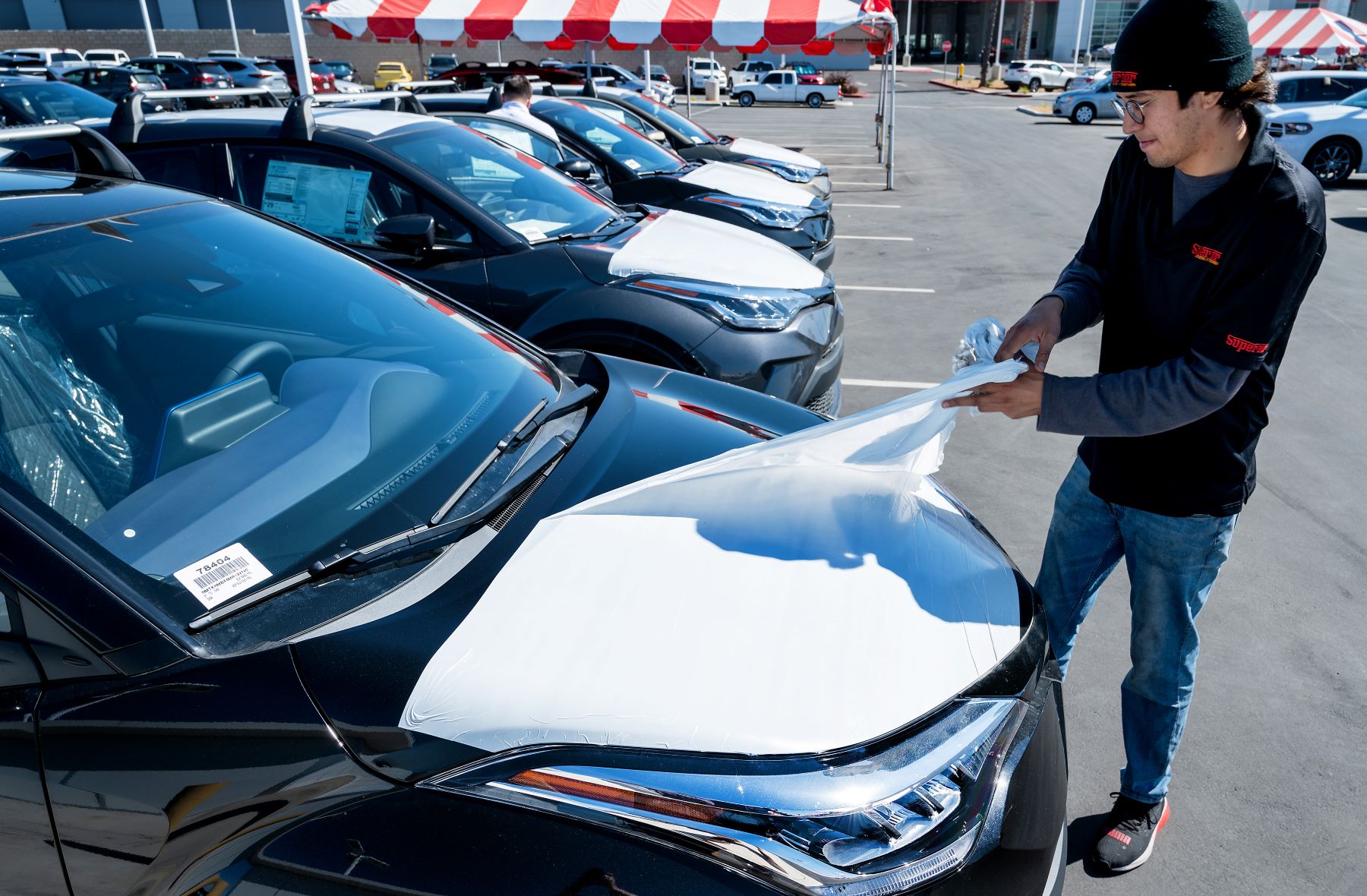
Credit: www.motorbiscuit.com
Signs Of Wear
Vinyl wraps protect your car’s paint and add style. Over time, signs of wear will appear. These signs show that the wrap is aging and may need attention or replacement. Spotting these issues early helps keep your car looking good.
Fading And Discoloration
Sunlight causes vinyl colors to fade. The wrap may lose its brightness and look dull. White and bright colors show fading faster. Dark colors may turn slightly lighter. This change means the wrap has been exposed to too much sun.
Peeling And Bubbling
Edges of the wrap may start to peel away. Small bubbles can form under the surface. These bubbles trap dirt and water. Peeling happens because of poor installation or wear. Bubbling can also mean moisture got inside the wrap.
Scratches And Tears
Vinyl wrap can get scratched by keys or branches. Deep scratches cut through the wrap and expose the paint. Tears usually happen on corners and curves. These damages make the wrap look old and untidy.
Extending Wrap Life
Vinyl wraps give a fresh look to any car. Keeping the wrap looking new for years depends on care. Simple steps can keep the vinyl strong and bright. Extending the life of your vinyl wrap saves money and effort. Here are some key ways to protect your wrap and keep it lasting longer.
Regular Care Routine
Clean your wrap often with mild soap and water. Avoid harsh chemicals that can damage the vinyl surface. Use a soft cloth or sponge to prevent scratches. Dry the wrap gently to stop water spots. Check for dirt and grime buildup regularly. Small dirt particles can wear down the wrap over time. Regular care keeps the wrap smooth and bright.
Storage Considerations
Park your car in a shaded or covered area. Direct sunlight can fade the vinyl color quickly. Avoid places with extreme heat or cold. Temperature changes can cause the wrap to peel or crack. Use a car cover for extra protection if no garage is available. Proper storage helps maintain the vinyl’s look and feel.
Using Sealants And Coatings
Apply a quality sealant designed for vinyl wraps. Sealants create a barrier against dirt and UV rays. They keep the wrap glossy and protect it from fading. Use coatings that are safe for vinyl materials only. Reapply sealants every few months for best results. This step adds extra strength and extends the wrap’s life.
Cost Vs Durability
The cost of a vinyl wrap affects its durability. Cheaper wraps may save money upfront. But they might not last as long. More expensive wraps often use better materials. These can protect your car longer. Choosing the right wrap depends on your budget and needs.
Budget Wrap Options
Budget wraps use thinner vinyl and simple adhesives. They usually last about 3 to 5 years. These wraps can fade or peel faster. Ideal for short-term use or temporary changes. Easy to install and remove. Good choice if you want a low-cost option.
Premium Wrap Benefits
Premium wraps use thick, high-quality vinyl. They resist fading, cracking, and peeling well. Last from 5 to 10 years with care. Offer better color depth and finish. Often include UV protection and air-release technology. Perfect for long-lasting and sleek looks.
Long-term Value
Higher cost can mean better durability and appearance. Premium wraps reduce the need for repairs or replacements. Save money over time despite the initial price. They also protect the car’s original paint. Boost resale value by keeping the paint in good shape.
Wrap Removal Insights
Removing a vinyl wrap from your car needs care and timing. Knowing the right time and method ensures the car’s paint stays safe. This section offers clear advice on removing wraps without damage.
When To Remove
Check the wrap for bubbles, cracks, or fading. These signs mean the wrap may need removal. Also, consider removing the wrap before it reaches its lifespan, usually 5 to 7 years. Leaving it too long can make removal harder and damage the paint.
Safe Removal Techniques
Start by warming the wrap with a heat gun or sunlight. Heat softens the adhesive, making the wrap easier to peel. Pull the wrap slowly and at a 45-degree angle. Avoid sharp tools that can scratch the car’s surface. Take breaks if the wrap resists to prevent damage.
Post-removal Care
After removal, clean the car with mild soap and water. Remove leftover adhesive using a gentle adhesive remover. Avoid harsh chemicals that can harm the paint. Inspect the car for any paint damage or discoloration. Wax the car to protect the paint and restore shine.
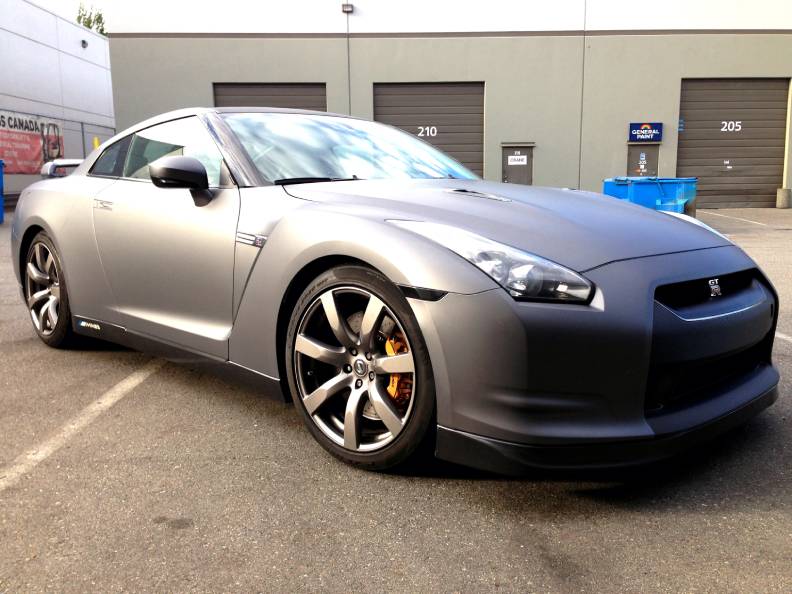
Credit: www.wrapguysamerica.com

Credit: carlikewrap.com
Frequently Asked Questions
How Long Does A Vinyl Car Wrap Typically Last?
A vinyl car wrap typically lasts between 5 to 7 years. Its lifespan depends on quality, installation, and maintenance. Proper care and avoiding harsh conditions can extend its durability significantly.
What Factors Affect Vinyl Wrap Longevity On Cars?
Exposure to sunlight, weather, and cleaning methods greatly affect vinyl wrap longevity. High-quality vinyl and professional installation also improve lifespan. Regular maintenance helps prevent premature wear and fading.
Can Vinyl Wraps Protect Car Paint Underneath?
Yes, vinyl wraps provide a protective layer that shields paint from minor scratches and UV damage. They help maintain the original paint’s condition while adding a customizable look.
How Should I Maintain My Vinyl Car Wrap?
Clean your vinyl wrap regularly with gentle soap and water. Avoid abrasive cleaners or automatic car washes. Parking in shade and using UV protectants can prolong the wrap’s life.
Conclusion
Vinyl wraps on cars can last several years with proper care. Sunlight, weather, and washing habits affect their lifespan. Regular cleaning and avoiding harsh chemicals help keep wraps looking fresh. Choosing quality vinyl also makes a difference. Small scratches or bubbles can appear over time but don’t ruin the wrap.
Many drivers enjoy wraps for style and protection. Knowing how long a wrap lasts helps you plan maintenance and replacement. Keep your car wrap clean and protected to enjoy its benefits longer. Simple care goes a long way in extending vinyl wrap life.


