

Have you ever applied wax to your car and wondered how long you should wait before it’s completely dry? Knowing the right drying time is key to getting that perfect shine and lasting protection.
If you rush it, you might end up with streaks or a less durable finish. But wait too long, and you could waste valuable time. You’ll discover exactly how long wax takes to dry on your car, plus simple tips to speed up the process and make your car look its best.
Keep reading to get your car shining like new in no time!
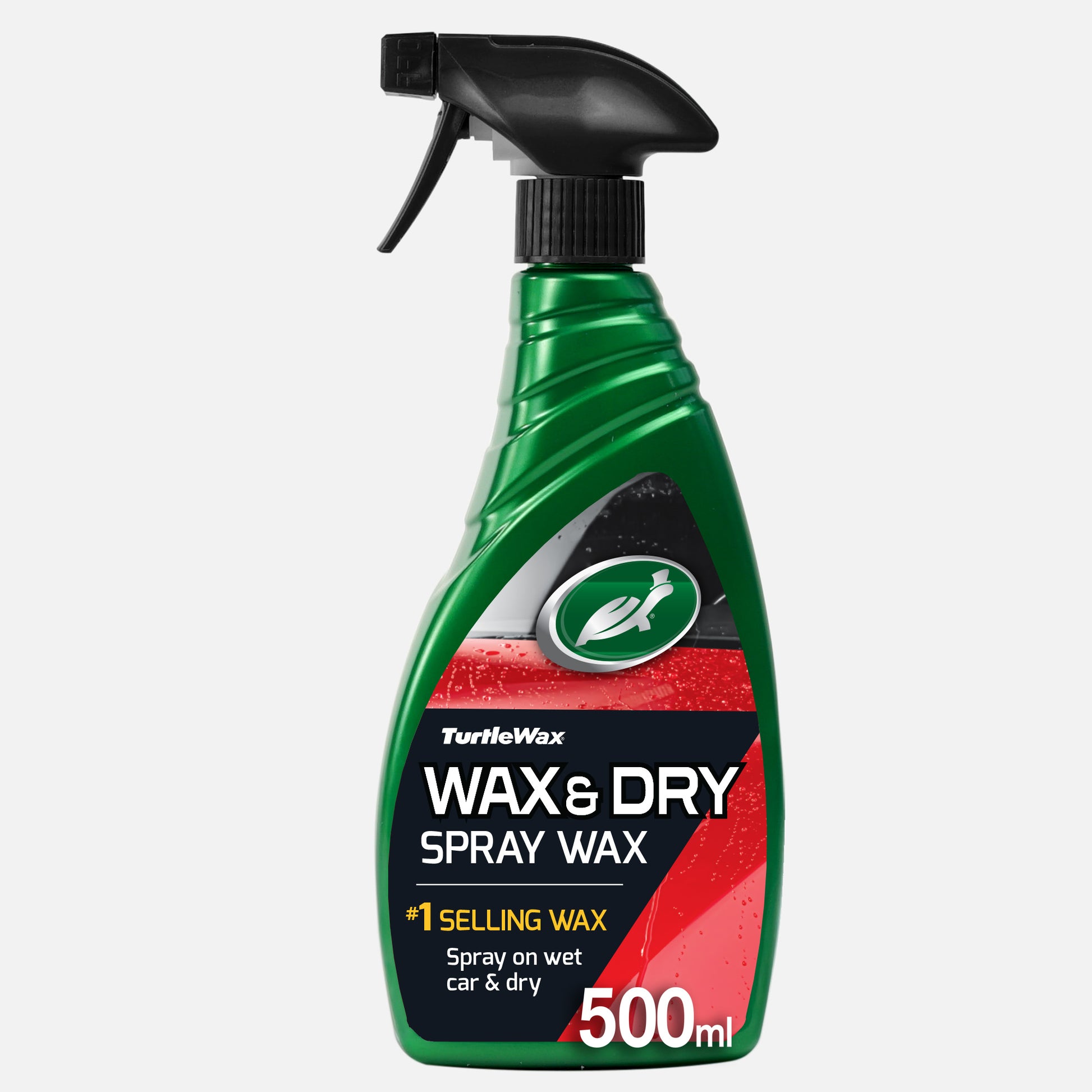
Credit: www.turtlewax.co.uk
Wax Types And Drying Times
Different wax types affect how long it takes for wax to dry on a car. Knowing these differences helps you choose the right wax and plan your car care routine. Drying time depends on wax composition and form. Some waxes dry fast, while others need more time to set properly.
Natural Vs Synthetic Waxes
Natural waxes come from plants or animals, like carnauba. They offer a deep, warm shine but take longer to dry. Usually, natural wax needs about 15 to 30 minutes to dry fully. Synthetic waxes are made from chemicals. They dry faster, often within 5 to 15 minutes. Synthetic types last longer but may not shine as warmly as natural wax.
Spray And Paste Varieties
Spray wax is thin and easy to apply. It dries quickly, sometimes in just 2 to 5 minutes. Spray wax suits quick touch-ups and light protection. Paste wax is thicker and heavier. It takes longer to dry, usually 20 to 40 minutes. Paste wax offers stronger protection and a richer finish but needs more time and effort.
Impact Of Wax Ingredients
Ingredients influence drying time and performance. Waxes with oils and natural resins dry slower but give a better shine. Additives like polymers speed up drying and improve durability. Some waxes include solvents that evaporate fast, helping the wax dry quickly. Always check ingredients to understand how long drying will take.

Credit: www.turtlewax.com
Factors Affecting Wax Drying
Wax drying time on a car depends on several important factors. These factors influence how fast the wax hardens and protects the paint. Understanding them helps you get the best results and avoid mistakes.
Temperature And Humidity
Temperature plays a big role in wax drying speed. Warm weather makes wax dry faster. Cold weather slows down the process. Humidity also affects drying. High humidity means more moisture in the air. This can delay wax from setting properly. Low humidity helps wax dry quickly and evenly.
Surface Preparation
How clean the car surface is matters a lot. Dirt, dust, or old wax can stop new wax from sticking well. A clean, dry surface allows wax to bond faster. Proper washing and drying before waxing is essential. This step speeds up the drying time and improves shine.
Application Thickness
Applying wax too thick can increase drying time. Thick layers take longer to harden. Thin, even coats dry faster and give better protection. Multiple thin layers are better than one thick coat. This also helps the wax last longer on the car.
Ideal Conditions For Wax Drying
Waxing a car needs the right conditions for the wax to dry properly. Ideal conditions help the wax bond well with the car’s surface. This leads to a smooth, shiny finish that lasts longer. Knowing the best weather, place, and timing helps achieve this.
Best Weather To Wax A Car
Choose a dry day with mild temperatures. Too hot weather makes wax dry too fast. This can cause streaks or spots. Too cold weather slows down the drying. It may leave the wax soft and sticky. A temperature between 60 and 75 degrees Fahrenheit works best.
Indoor Vs Outdoor Application
Applying wax indoors protects the car from dust and wind. It also keeps the wax from drying too fast. However, good lighting is important to see all spots. Outdoor waxing is fine if the weather is calm. Avoid windy days as dust can stick to wet wax. Shade helps prevent the wax from drying unevenly.
Timing With Sunlight Exposure
Direct sunlight can make wax dry too quickly. This can cause uneven layers and marks. Wax the car early in the morning or late afternoon. These times have softer sunlight and cooler temperatures. Avoid waxing during midday when the sun is strongest.
Step-by-step Wax Application
Applying wax to your car is a simple process that protects the paint and gives it a shiny finish. Follow these steps carefully for the best results. Each step builds on the last to ensure your car looks great and the wax lasts longer.
Cleaning And Prepping The Car
Start by washing your car thoroughly. Dirt and grime stop wax from sticking well. Use soap made for cars and rinse with clean water. Dry the surface completely with a soft towel. Check for any spots you missed. Make sure the car is cool and in shade before waxing.
Applying Wax Correctly
Use a clean applicator or foam pad to put wax on. Apply a thin, even layer in small sections. Use circular motions to spread wax gently. Avoid thick layers; they take longer to dry. Work panel by panel. Let the wax haze up, which usually takes a few minutes.
Buffing Techniques
Once the wax hazes, take a clean microfiber cloth. Buff the surface with light, circular motions. This removes excess wax and reveals shine. Change cloth sections often to avoid smearing. Buff until the surface feels smooth and looks glossy. This step seals the wax and protects the paint.
Signs Wax Is Ready For Buffing
Knowing when car wax is ready for buffing is key for a shiny finish. Wax must dry just right to protect your car’s paint and add shine. Too early or too late buffing can harm the finish.
Signs the wax is ready help you avoid mistakes and get the best look. Watch for simple clues with your eyes and hands. These hints tell you the perfect time to buff.
Visual Cues
Look at the wax layer closely. It should appear hazy or dull, not wet or shiny. The haze shows the wax has set properly. Clear, shiny spots mean the wax still needs time to dry.
Watch for an even color. Uneven patches or streaks mean the wax is not fully dry yet. The surface should look smooth without wet spots.
Touch Tests
Gently touch the wax with your fingertip. It should feel dry but slightly tacky. Sticky or wet feels mean wait longer. If it feels powdery or crumbles, it is over-dried.
Try rubbing a small area softly. The wax should not come off easily. If it wipes away, it needs more drying time.
Common Mistakes To Avoid
Do not rush to buff right after applying wax. Buffing too soon removes wax and harms shine. Waiting too long can make wax hard to remove.
Avoid buffing in direct sunlight. Heat dries wax too fast and unevenly. Work in shade or a cool place for best results.
Use clean, soft cloths for buffing. Dirty or rough cloths scratch paint or leave lint behind.
Expert Tips To Speed Up Drying
Wax drying time on a car varies by product and conditions. Speeding up this process saves time and protects your car’s finish. Below are expert tips to help your car wax dry faster and better.
Using Fans And Shade
Place your car in a shaded area to avoid direct sunlight. Sunlight can cause wax to dry unevenly. Use fans to blow air across the car’s surface. Air circulation helps the wax dry quicker and prevents smudging. This method works well on warm days with little wind.
Choosing Fast-drying Waxes
Select wax products labeled as fast-drying or quick-dry. These formulas dry faster than traditional waxes. They often contain special ingredients that evaporate quickly. Fast-drying waxes help reduce waiting time between coats. Always read product instructions for best results.
Avoiding Environmental Hazards
Keep your car away from dust, pollen, and dirt during waxing. These particles can stick to wet wax and ruin the finish. Avoid waxing on windy days to prevent debris settling on the car. Also, do not wax just before rain or high humidity. Moisture slows down the drying process.
Maintaining Wax After Application
Maintaining wax on your car after application keeps the shine and protection longer. Proper care helps the wax bond well with the paint. It also prevents damage from dirt, sun, and water. Follow simple steps to keep your car looking fresh and glossy.
Proper Curing Time
Wax needs time to cure after application. Wait at least 24 hours before washing the car. This allows the wax to harden and stick properly. Avoid parking in direct sunlight during curing. A cool, shaded spot works best for drying.
Regular Washing Tips
Wash your car gently to protect the wax layer. Use a soft sponge or microfiber cloth. Choose a mild car shampoo without harsh chemicals. Avoid automatic car washes with strong brushes. Rinse the car with clean water to remove dirt and soap.
Reapplying Wax Schedule
Wax does not last forever on your car’s surface. Plan to reapply wax every 2 to 3 months. Check the car’s shine and water beading to know when to wax again. Reapplying keeps the paint safe and the car looking new.
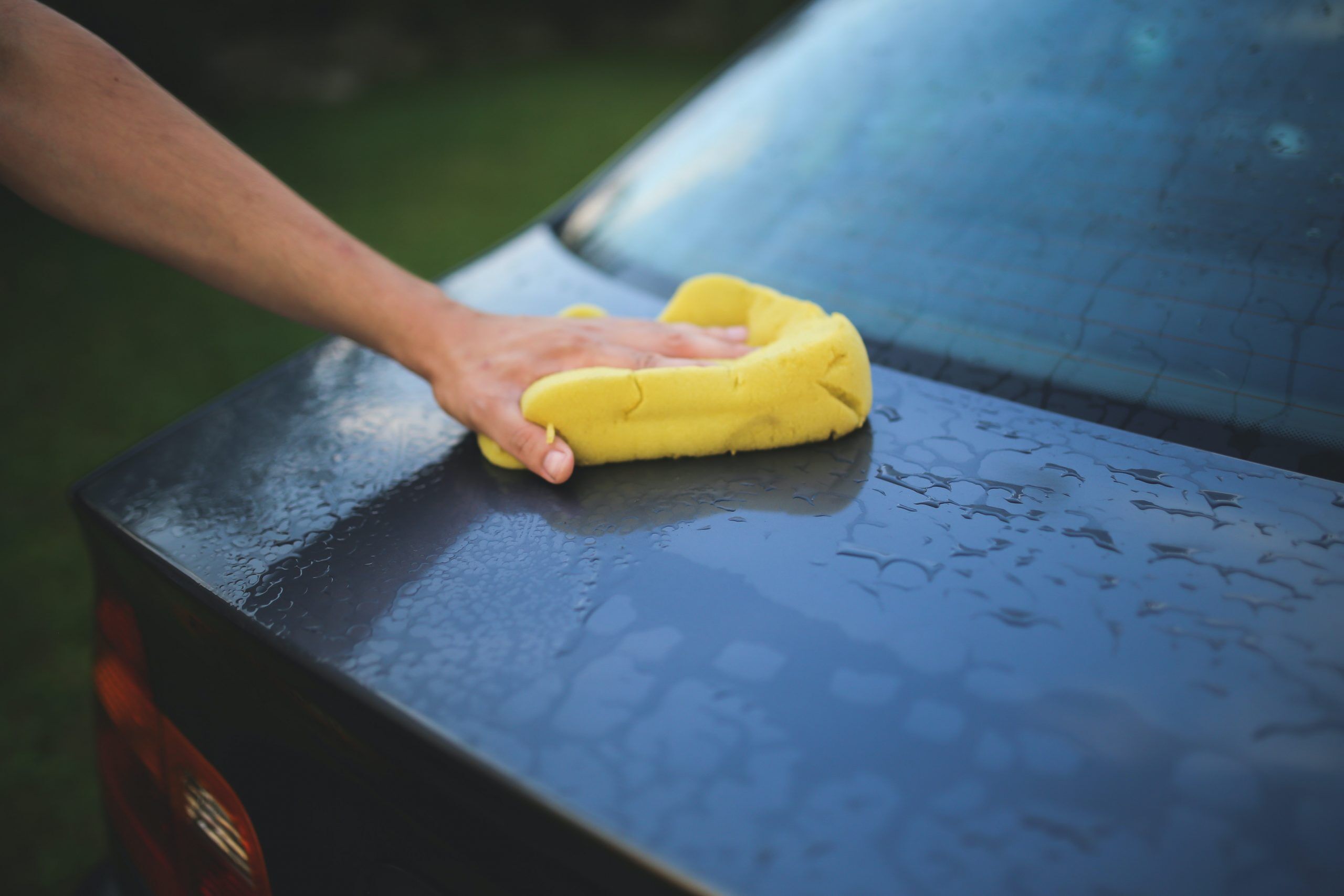
Credit: rocketcarwash.com
Frequently Asked Questions
How Long Does Car Wax Take To Dry?
Car wax typically takes 20 to 30 minutes to dry. Drying time depends on wax type, temperature, and humidity. Always follow product instructions for best results. Avoid touching the surface until fully dried to ensure proper bonding and protection.
Can Weather Affect Car Wax Drying Time?
Yes, weather greatly impacts wax drying time. Warm, dry conditions speed up drying, while cold or humid weather slows it. Avoid applying wax on rainy or extremely cold days to ensure optimal drying and protection.
How To Tell If Car Wax Is Fully Dry?
Wax is fully dry when it looks hazy or matte, not wet or sticky. Lightly touch a small area; if no residue transfers, it’s dry. Proper drying ensures maximum shine and durability of the wax coating.
Does Wax Drying Time Vary By Wax Type?
Yes, paste waxes usually take longer to dry than liquid or spray waxes. Synthetic waxes often dry faster than natural ones. Always check manufacturer guidelines for specific drying times for your wax type.
Conclusion
Wax usually takes 20 to 30 minutes to dry on a car. Dry time depends on temperature and humidity. Warmer days help wax dry faster. Cold or damp weather slows the process. Always follow the instructions on your wax product.
Waiting for the right dry time ensures the best shine. Rushing can cause streaks or uneven coating. Patience pays off with a smooth, glossy finish. Regular waxing protects your car’s paint over time. Keep your vehicle looking fresh with proper care.


