

When was the last time you changed your fuel filter? If you’re not sure, it might be time to find out.
A clean fuel filter is key to keeping your engine running smoothly and avoiding costly repairs. But how long does it actually take to change one? You might be surprised—it’s quicker than you think. You’ll discover exactly how long it takes to change a fuel filter, what tools you’ll need, and why doing it on time can save you money and stress.
Keep reading to make sure your vehicle stays in top shape without wasting your time.
Signs You Need To Change A Fuel Filter
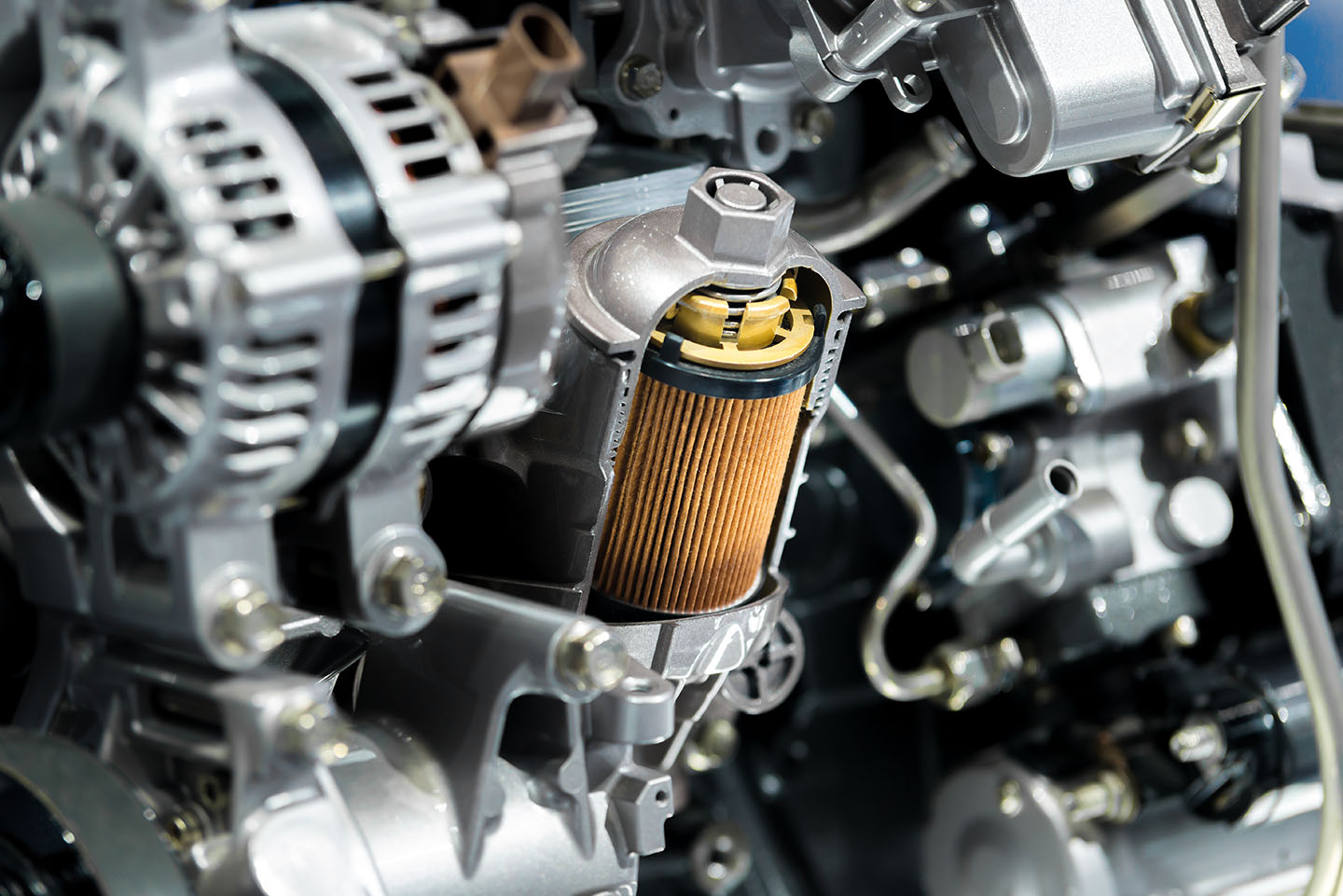
Knowing the signs that your fuel filter needs changing can save your vehicle from bigger problems. A clogged fuel filter stops fuel from reaching the engine properly. This can lead to poor car performance and costly repairs. Watch for warning signs early. They help you act fast and keep your car running smoothly.
Common Symptoms
One common sign is engine trouble. The engine might hesitate or stall during driving. You may also hear unusual noises from the engine. Sometimes, the car struggles to start or won’t start at all. These symptoms often point to a dirty or blocked fuel filter.
Performance Issues
The car may lose power, especially when going uphill or carrying heavy loads. The engine can run rough or misfire. Acceleration might feel slow or weak. These problems happen because the engine does not get enough fuel. A new fuel filter can restore smooth performance.
Fuel Efficiency Drop
You might notice that your car uses more fuel than usual. A clogged fuel filter makes the engine work harder. This extra work reduces fuel efficiency. Changing the fuel filter can help improve your miles per gallon. It saves money on fuel and reduces emissions.
Credit: bostechauto.com
Factors Affecting Fuel Filter Replacement Time
Several factors affect how long it takes to change a fuel filter. These factors make the task easier or harder. Understanding them helps set the right expectations for the job.
Some vehicles are simpler to work on than others. The type of fuel filter also plays a big role. Tools and experience can speed up or slow down the process.
Vehicle Make And Model
Different cars have different fuel filter locations. Some filters are easy to reach. Others are hidden under parts or inside the fuel tank. Older cars might have simpler designs. Newer models often have complex systems. This difference changes the time needed for replacement.
Type Of Fuel Filter
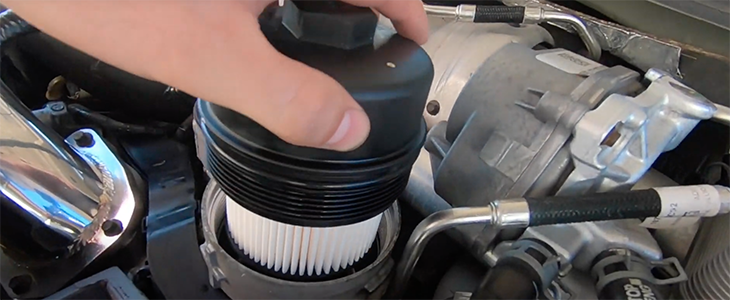
Fuel filters come in various shapes and sizes. Some are inline filters placed along the fuel line. Others are cartridge types inside a housing. Cartridge filters need special tools to open the case. Inline filters can be swapped quickly. The type influences how long the job takes.
Tools And Experience
Having the right tools makes the job faster. Wrenches, clamps, and replacement parts are essential. Experience matters a lot. Skilled mechanics work quicker and avoid mistakes. Beginners may take longer and need extra care. Preparation and knowledge reduce replacement time significantly.
Step-by-step Fuel Filter Replacement
Replacing a fuel filter is a key part of car maintenance. Clean fuel helps your engine run smoothly. A clogged filter can cause poor performance or damage. Follow these clear steps to change your fuel filter safely and correctly.
Preparing Your Vehicle
Park your car on a flat surface. Turn off the engine and let it cool. Disconnect the negative battery cable to avoid sparks. Wear safety glasses and gloves for protection. Relieve fuel system pressure by opening the fuel cap.
Locating The Fuel Filter
Check your owner’s manual for the fuel filter location. It may be under the car near the fuel tank or in the engine bay. Look for a small, cylindrical part with fuel lines attached. Clean the area around the filter to prevent dirt from entering the fuel system.
Removing The Old Filter
Use a wrench to loosen the fuel lines from the filter. Be ready to catch any dripping fuel with a container or cloth. Remove the mounting bracket or clips holding the filter in place. Take out the old filter carefully to avoid spills.
Installing The New Filter
Check the new filter for the correct flow direction arrow. Attach the fuel lines securely to the new filter. Fasten the mounting bracket or clips tightly. Reconnect the battery cable. Start the engine and check for leaks around the filter area.
Credit: pspdiesel.com
Tips To Speed Up The Process
Changing a fuel filter can take time without the right approach. Simple tips help you finish the job faster. These tips reduce hassle and save effort.
Follow these steps to speed up the process and avoid delays.
Gathering Tools In Advance
Collect all needed tools before starting. Have wrenches, screwdrivers, and new filters ready. This avoids stopping to find tools mid-job. Keep a clean workspace to keep tools organized and easy to reach.
Safety Precautions
Wear gloves and eye protection to stay safe. Work in a well-ventilated area to avoid fumes. Turn off the engine and let it cool. Relieve fuel system pressure before removing the filter. These steps prevent accidents and speed up your work.
Using Quick-release Connectors
Use quick-release connectors if your car has them. They make detaching and attaching fuel lines faster. Press the connector tabs gently to avoid damage. Quick connectors reduce time spent wrestling with tight fittings.
When To Seek Professional Help
Changing a fuel filter is a task many car owners can do themselves. Still, some situations need expert help. Knowing when to call a professional can save time and prevent damage. Here are key signs you should seek expert assistance.
Complex Fuel Systems
Modern cars often have complicated fuel systems. These systems may include multiple filters or high-pressure components. Incorrect handling can cause leaks or damage. Professionals have the knowledge to work safely with these systems. They use special tools and follow precise steps.
Lack Of Tools Or Experience
Changing a fuel filter needs specific tools. Without the right equipment, the job can be hard or unsafe. Lack of experience can lead to mistakes. These mistakes might cause fuel leaks or engine problems. A professional mechanic has the tools and skills to do the job right.
Warranty Considerations
Many new cars come with warranties. Doing repairs yourself can sometimes void these warranties. Professional service centers keep your warranty intact. They use approved parts and follow manufacturer guidelines. This protects your car and your investment.
Credit: ecogard.com
Frequently Asked Questions
How Often Should I Change My Fuel Filter?
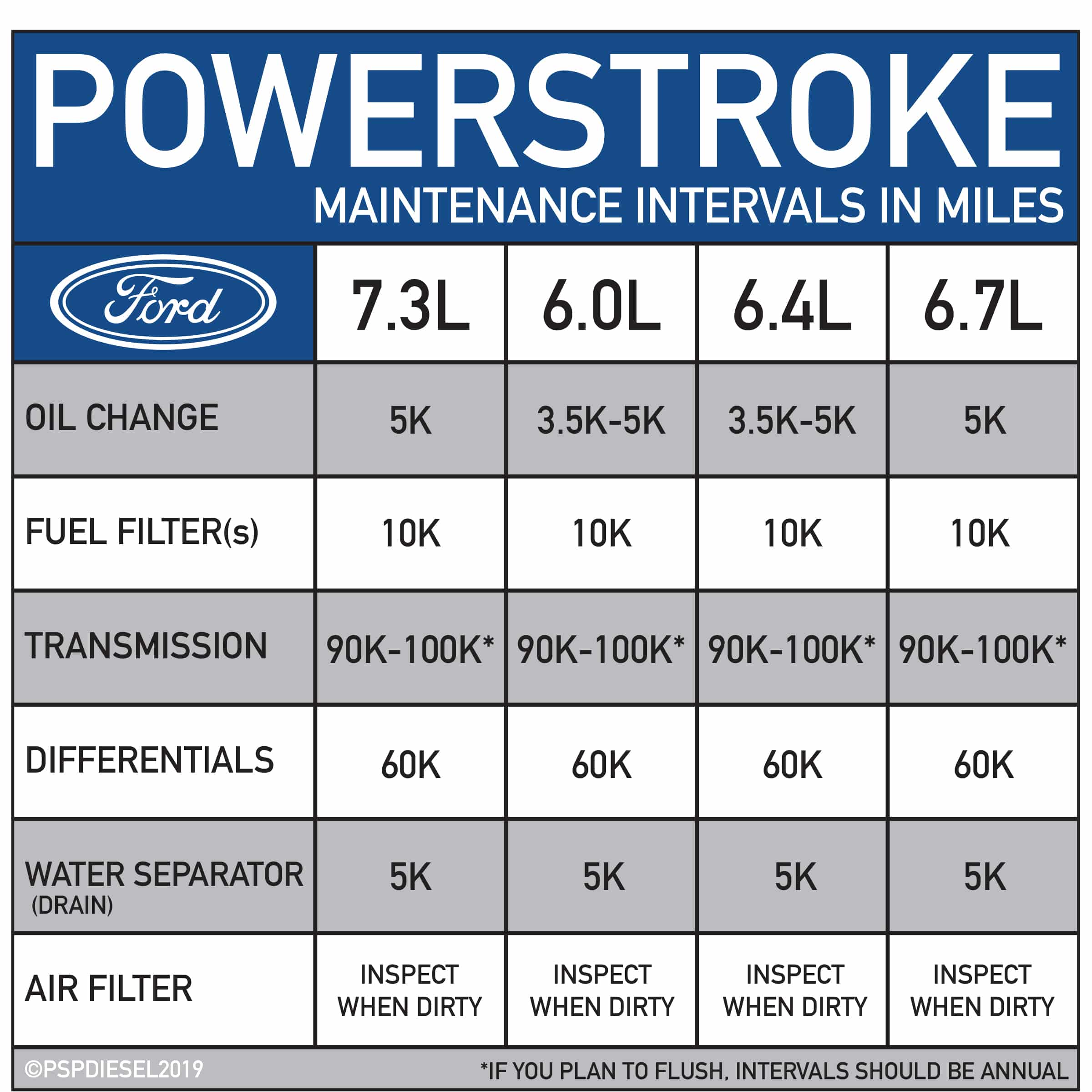
Most vehicles need a fuel filter change every 20,000 to 40,000 miles. Check your owner’s manual for exact intervals. Regular changes prevent engine issues and maintain fuel efficiency.
How Long Does It Take To Change A Fuel Filter?
Changing a fuel filter typically takes 30 to 60 minutes. The time depends on your vehicle model and filter location. A professional mechanic can perform the task quickly and safely.
What Happens If I Delay Changing The Fuel Filter?
Delaying fuel filter replacement can cause clogged filters, reducing fuel flow. This leads to engine misfires, poor performance, and potential damage. Timely changes keep the engine running smoothly.
Can I Change The Fuel Filter Myself?
Yes, if you have basic mechanical skills and tools. Always follow safety precautions and your vehicle’s manual instructions. When unsure, consult a professional mechanic to avoid damage.
Conclusion
Changing a fuel filter does not take long. Most cars need a new filter every 20,000 to 40,000 miles. It usually takes about 30 minutes to one hour to replace. Regular changes keep your engine healthy and running smoothly. Ignoring the fuel filter can cause poor engine performance.
Simple maintenance saves you from costly repairs later. Check your car’s manual for the exact time. Stay safe and keep your car in good shape. A clean fuel filter means better fuel efficiency and less trouble on the road.


