

If you own a Mercury outboard, you know how important it is to keep it running smoothly. One key way to do that is by changing your fuel filter regularly.
A clean fuel filter keeps dirt and debris from clogging your engine, preventing costly repairs and frustrating breakdowns. In this guide, you’ll learn exactly how to change the fuel filter on your Mercury outboard quickly and easily. Whether you’re a beginner or just need a refresher, these simple steps will help you get the job done right.
Keep reading to make sure your engine stays in top shape every time you hit the water.
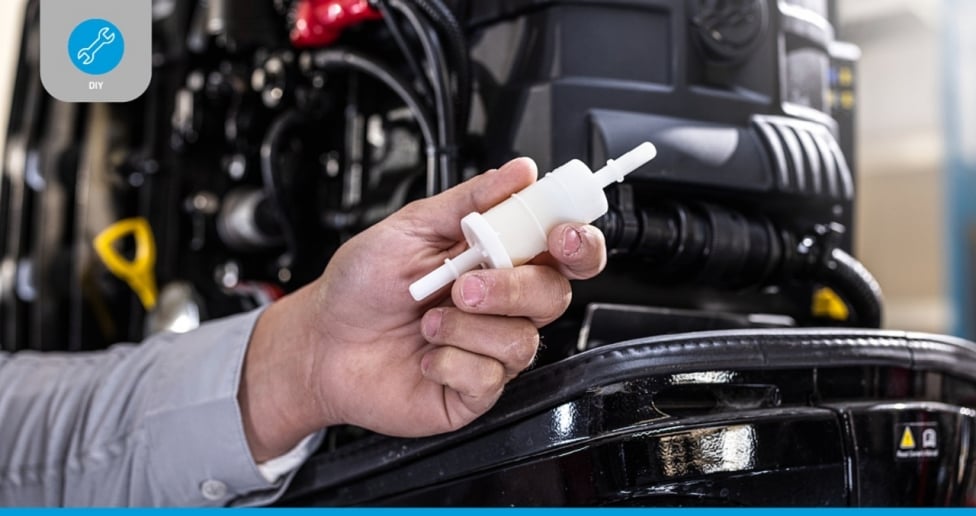
Credit: www.quicksilver-products.com
Signs Of A Clogged Fuel Filter
A clogged fuel filter can cause many problems for your Mercury outboard engine. It stops fuel from flowing properly. This affects engine performance and can cause damage over time. Recognizing the signs early helps you fix the problem before it gets worse.
Engine Performance Issues
The engine may run rough or lose power. It might hesitate when you try to speed up. The boat may stall or fail to start. These issues show the engine is not getting enough clean fuel.
Fuel Flow Problems
Fuel flow slows down with a clogged filter. The engine may sputter or cut out. You might notice a drop in fuel pressure. These problems indicate the filter needs replacement soon.
Unusual Engine Noises
The engine can make strange sounds like knocking or sputtering. These noises happen because the engine struggles to run. Unusual sounds often mean the fuel filter is blocked.
Tools And Materials Needed
Before changing the fuel filter on your Mercury outboard, gather all necessary tools and materials. Having the right items saves time and ensures a smooth process. Preparation helps avoid mistakes and keeps you safe.
Replacement Fuel Filter
Choose a fuel filter made for Mercury outboard engines. The correct filter fits perfectly and works well. Using the right filter keeps your engine clean and running smoothly.
Basic Hand Tools
Prepare simple tools like screwdrivers and pliers. A wrench may be needed to loosen fuel line clamps. Keep a small container ready to catch any leaking fuel. These tools help remove and install the filter easily.
Safety Equipment
Wear gloves to protect your hands from fuel and dirt. Use safety glasses to shield your eyes from splashes. Work in a well-ventilated area to avoid breathing harmful fumes. Safety gear keeps you safe during the task.
Preparing The Outboard Motor
Preparing the outboard motor is the first step before changing the fuel filter on your Mercury outboard. This step ensures safety and makes the process easier. Take time to get everything ready. It helps avoid spills and accidents during the change.
Turning Off The Engine
Make sure the engine is completely off. Remove the key from the ignition. Let the engine cool down before working on it. This prevents burns and other injuries. Never try to change the fuel filter with the engine running.
Locating The Fuel Filter
Find the fuel filter on your Mercury outboard. It is usually near the fuel line or the carburetor. Check your owner’s manual if unsure. The fuel filter looks like a small cylinder or bowl. Clear access to it before starting work.
Relieving Fuel System Pressure
Release the pressure in the fuel system carefully. This step stops fuel from spraying out. You can do this by loosening the fuel line fitting slowly. Use a rag to catch any fuel drips. Work in a well-ventilated area to avoid fumes.
Removing The Old Fuel Filter
Removing the old fuel filter from a Mercury outboard is the first step to keep your engine running smoothly. This process requires care to avoid fuel leaks and damage to parts. Follow these steps to remove the filter safely and efficiently.
Disconnecting Fuel Lines
Start by turning off the engine and closing the fuel valve. Use pliers or a screwdriver to loosen clamps on the fuel lines. Gently pull the fuel lines off the filter fittings. Be careful not to bend or break the lines. Keep a rag nearby to catch any dripping fuel.
Removing Mounting Brackets
Locate the screws or bolts holding the fuel filter bracket. Use the correct size tool to unscrew them. Hold the filter steady while removing the bracket. Avoid dropping the filter to prevent spills or damage. Set the old filter aside carefully.
Handling Fuel Spills
Fuel spills can happen during removal. Use a clean cloth to wipe any spilled fuel immediately. Avoid letting fuel touch painted surfaces or skin. Work in a well-ventilated area to reduce fumes. Dispose of rags safely to prevent fire hazards.
Installing The New Fuel Filter
Installing the new fuel filter on your Mercury outboard is a key step to keep the engine running smoothly. The process requires careful handling to ensure everything fits and works right. Follow these simple steps to place and secure the filter properly.
Placing The Filter Correctly
Start by positioning the new fuel filter in the same direction as the old one. Look for an arrow on the filter showing fuel flow direction. Make sure this arrow points toward the engine. The filter should fit snugly without forcing it into place.
Reattaching Fuel Lines
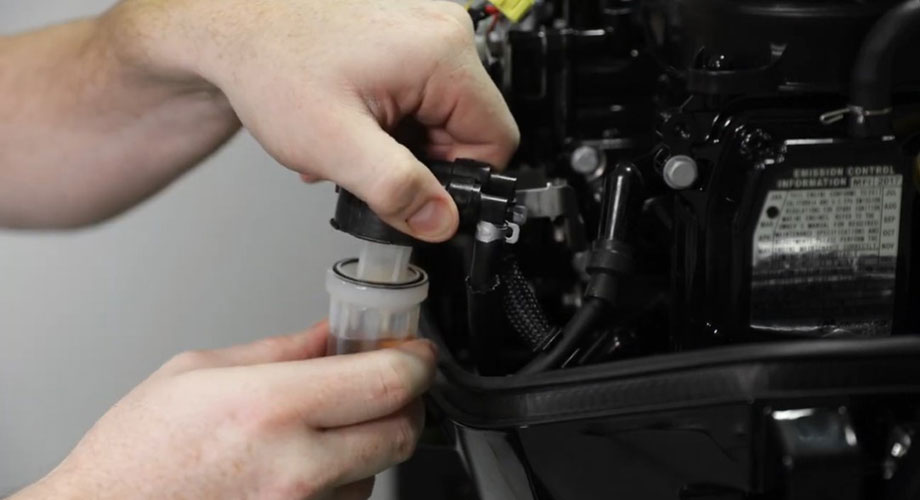
Reconnect the fuel lines to the new filter carefully. Push the fuel lines firmly onto the filter’s inlet and outlet fittings. Check that the lines are secure and won’t slip off. Tighten any clamps to avoid leaks.
Securing The Filter In Place
Use the filter bracket or clamp to hold the filter firmly. Tighten screws or bolts but do not overtighten. The filter must stay stable during engine operation. A secure filter prevents fuel leaks and keeps your boat running well.
Credit: boatengine.com
Testing The New Fuel Filter
Testing the new fuel filter on your Mercury outboard is a critical step. It ensures your engine runs smoothly and avoids damage. This process checks for leaks, engine starting, and performance after the replacement. Follow these simple steps to confirm the fuel filter works well.
Checking For Leaks
After installing the new filter, look closely at all connections. Watch for any wet spots or fuel drips. Tighten clamps or fittings if you see leaks. A dry fuel line means a good seal and safe operation.
Starting The Engine
Turn the key and start the engine. It should fire up without hesitation. Listen for unusual sounds like sputtering or stalling. A smooth start shows the fuel filter is clear and fuel flows properly.
Monitoring Engine Performance
Run the engine at different speeds. Check for steady power and no hesitation. Watch the gauges for normal temperature and pressure. Good performance means your fuel filter is working as it should.
Maintenance Tips For Fuel Filters
Fuel filters keep your Mercury outboard engine clean and running well. Regular care helps avoid engine trouble and costly repairs. Simple maintenance tips extend the filter’s life and protect the engine from dirt and water.
Recommended Replacement Intervals
Change the fuel filter every 100 hours of use or once a year. Check your owner’s manual for exact times. Replace it sooner if you use old or dirty fuel. Regular changes keep fuel flowing smoothly and prevent blockages.
Signs To Watch For
Look for engine sputtering or loss of power. Hard starting or stalling may also show filter problems. Check for visible dirt or water in the filter. These signs mean the filter needs a change right away.
Storage And Handling Advice
Store filters in a clean, dry place away from heat. Keep them sealed in their original packaging until use. Avoid touching the filter’s inside to stop contamination. Handle gently to prevent damage before installation.

Credit: www.youtube.com
Frequently Asked Questions
How Often Should I Change The Fuel Filter On Mercury Outboard?
Change the fuel filter every 100 hours or annually. Frequent replacement ensures clean fuel flow and engine efficiency. Check your owner’s manual for specific intervals. Regular changes prevent clogs and improve engine performance.
What Tools Are Needed To Change Mercury Outboard Fuel Filter?
You need a wrench, screwdrivers, and a container for fuel spillage. Also, have a new fuel filter and gloves. These tools help safely remove and replace the fuel filter without damage.
Can I Change The Fuel Filter Without Draining The Tank?
Yes, but be cautious to avoid fuel spills. Turn off the engine and relieve pressure before removing the filter. Use a container to catch any fuel leakage during replacement.
What Are Signs Of A Clogged Mercury Outboard Fuel Filter?
Symptoms include engine hesitation, poor acceleration, and stalling. The engine may also run rough or fail to start. These signs indicate restricted fuel flow needing filter replacement.
Conclusion
Changing the fuel filter on your Mercury outboard keeps your engine running smooth. Clean fuel means better performance and fewer problems. Regular filter changes save time and money on repairs. Follow the steps carefully for safe and easy work. A well-maintained engine lasts longer and works more efficiently.
Keep an eye on your filter and replace it as needed. Small efforts like this make a big difference on the water. Take care of your boat, and it will take care of you.


