

When was the last time you checked your brake rotors? If you’re unsure how long brake rotors last or when exactly you should change them, you’re not alone.
Your safety on the road depends on well-maintained brakes, and worn rotors can lead to costly repairs or even dangerous driving conditions. You’ll discover the signs that tell you it’s time to replace your brake rotors and learn how often you should be checking them.
Keep reading to make sure your brakes stay in top shape and avoid surprises that could put you at risk.

Credit: www.reddit.com
Signs To Replace Brake Rotors
Brake rotors wear out over time and need replacement to keep your car safe. Knowing the signs helps you avoid accidents and costly repairs. Watch for noises, vibrations, visible damage, and poor braking. These signals show your rotors may be failing.
Squeaking And Grinding Noises
Listen for high-pitched squeaks when you press the brake pedal. Grinding sounds mean the brake pads might be worn down. Metal rubbing on metal can damage rotors fast. Noises like these need quick attention to avoid bigger problems.
Vibration While Braking
Feel shaking in the steering wheel or brake pedal during stops. Vibrations often mean the rotors are warped or uneven. This reduces braking control and comfort. Smooth braking helps keep your drive safe and steady.
Visible Wear And Damage
Look at the rotors through the wheel spokes. Deep grooves, cracks, or rust spots show rotor damage. Thin rotors lose strength and brake efficiency. Regular checks help spot wear before it worsens.
Reduced Braking Performance
Notice if your car takes longer to stop than before. Soft or spongy brakes can signal rotor problems. Poor brake response puts you and others at risk. Good braking power is key for safe driving.
Factors Affecting Rotor Lifespan
Brake rotors do not last forever. Many factors affect how long they stay in good shape. Knowing these can help you plan when to replace them. This section explains key factors that influence rotor lifespan.
Driving Habits
Hard braking wears rotors faster. Frequent stops cause more heat and stress. Gentle braking helps rotors last longer. Long downhill drives can also increase wear.
Road Conditions
Rough or gravel roads can damage rotors. Dirt and debris cause more friction. Smooth, paved roads reduce rotor wear. Wet or salty roads may cause rust.
Rotor Material Quality
High-quality rotors resist wear and heat better. Cheap rotors wear out quickly and may warp. Cast iron rotors are common but less durable. Some rotors use stronger materials for longer life.
Vehicle Type And Usage
Heavy vehicles put more stress on rotors. Sports cars with powerful brakes wear rotors faster. Daily city driving causes more wear than highway driving. Towing or carrying heavy loads reduces rotor lifespan.
Typical Rotor Replacement Intervals
Brake rotors wear out over time and need replacing to keep your car safe. Knowing the typical replacement intervals helps you plan maintenance. These intervals depend on many factors like driving habits and vehicle type. Understanding when to change rotors saves money and prevents brake problems.
Mileage Guidelines
Most brake rotors last between 30,000 and 70,000 miles. Light driving may extend rotor life closer to 70,000 miles. Heavy braking or towing can reduce rotor life to around 30,000 miles. Regular checks at service visits help track rotor wear. Replacing rotors based on mileage ensures reliable braking.
Manufacturer Recommendations
Car makers provide specific rotor replacement advice. Check your vehicle’s owner manual for exact guidance. These recommendations consider your car’s design and brake system. Following manufacturer advice keeps warranty valid and brakes safe. If unsure, ask a trusted mechanic for help.
Impact Of Rotor Thickness
Rotor thickness is a key factor in replacement timing. Each rotor has a minimum thickness limit set by makers. Worn rotors below this limit risk brake failure. Mechanics measure rotor thickness during brake service. Rotors near or below minimum thickness must be replaced immediately.
Credit: www.yourmechanic.com
Steps To Change Brake Rotors
Changing brake rotors is a key part of car maintenance. It helps keep your brakes working well and your drives safe. Follow these clear steps to replace your brake rotors. Each step is simple and helps you avoid mistakes.
Tools Needed
Gather the right tools before you start. You need a jack, lug wrench, socket set, and a screwdriver. Brake cleaner and a wire brush help clean parts. A C-clamp or brake caliper tool is useful. Have a hammer ready for stuck rotors.
Safety Precautions
Safety comes first. Park your car on flat ground and use wheel chocks. Wear gloves and safety glasses. Make sure the car is stable on the jack stands. Never work under a car supported only by a jack.
Removing Old Rotors
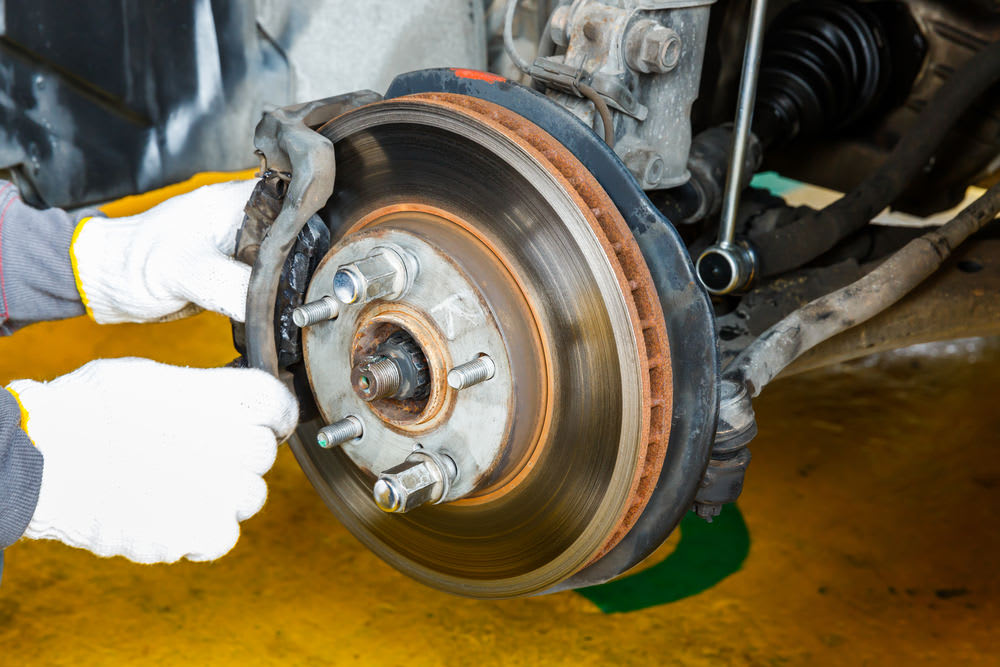
Loosen the lug nuts before lifting the car. Remove the wheel to see the brake assembly. Take off the brake caliper carefully and hang it with a wire. Remove the caliper bracket if needed. Pull the old rotor off; tap it if it’s stuck.
Installing New Rotors
Clean the new rotor with brake cleaner to remove oil. Slide the new rotor onto the hub. Reattach the caliper bracket and brake caliper. Tighten all bolts to the car’s specifications. Put the wheel back and tighten lug nuts in a star pattern.
Cost And Time Estimates
Knowing the cost and time to change brake rotors helps you plan better. Costs vary by car model and where you get the service. Time depends on your skill level or the mechanic’s speed.
Understanding these details saves money and avoids surprise delays.
Diy Vs Professional Service
Doing the job yourself can cut labor costs. It takes about 1 to 2 hours for most people. You need tools and some knowledge. Mistakes can cause safety issues.
Professional service is faster and safer. Mechanics usually finish in 1 hour. They have tools and experience. The cost is higher but work is reliable.
Parts And Labor Costs
Brake rotors cost between $30 and $75 each. Prices vary by brand and quality. Labor costs at a shop range from $80 to $150 per hour. Total cost for both rotors and labor is usually $150 to $300.
Cheaper parts might wear out faster. Expensive parts last longer but cost more upfront.
Time Required For Replacement
Replacing brake rotors usually takes 1 to 2 hours. Professionals are quicker due to experience. DIY may take longer if you are new. Additional time may be needed for brake pad replacement.
Allow extra time for cleaning and testing brakes after replacement.
Maintaining Brake Rotors
Maintaining brake rotors helps keep your car safe and smooth. Rotors wear down with use, but proper care can extend their life. Simple steps can prevent costly repairs and ensure good braking performance.
Regular Inspections
Check your brake rotors often for signs of damage. Look for grooves, cracks, or rust on the rotor surface. Listen for unusual noises when braking. Early detection helps avoid bigger problems and keeps brakes working well.
Proper Driving Techniques
Drive gently to reduce brake wear. Avoid sudden stops and hard braking when possible. Use engine braking on hills to save your rotors. Smooth driving lowers heat and stress on the brake system.
Brake Pad Replacement Tips
Replace brake pads before they wear out completely. Worn pads can damage the rotors. Always use pads that fit your vehicle. Have a mechanic check rotors when changing pads to ensure even wear and safety.

Credit: www.hawkperformance.com
Frequently Asked Questions
How Often Should Brake Rotors Be Replaced?
Brake rotors typically last between 30,000 to 70,000 miles. Replace them if you notice vibrations, noise, or visible wear. Regular inspection during brake service helps determine the right time for replacement to maintain safe braking performance.
What Signs Indicate Brake Rotor Replacement Is Needed?
Common signs include squealing, grinding noises, vibration during braking, and visible grooves or cracks. If your brake pedal feels soft or pulsates, it’s time to check the rotors. Early replacement prevents further brake system damage.
Can You Change Brake Rotors Yourself?
Yes, if you have basic tools and mechanical knowledge, you can replace rotors. Follow safety precautions and vehicle-specific instructions. Otherwise, professional service ensures proper installation and optimal brake performance.
How Long Does It Take To Change Brake Rotors?
Changing brake rotors usually takes 1 to 2 hours for both front or rear wheels. Time varies based on vehicle type and mechanic experience. Proper rotor installation is crucial for safe and effective braking.
Conclusion
Brake rotors wear out over time and need regular checks. Changing them depends on use and driving conditions. Listen for noises or feel vibrations while braking. These signs show it’s time for new rotors. Keeping rotors in good shape helps your car stop safely.
Don’t wait too long to replace worn parts. Regular maintenance saves money and prevents accidents. Stay safe on the road by watching your brakes closely.


