
You just got a brand-new car, and it looks amazing. Now, you’re wondering: how long should you wait before waxing it?
Waxing your car at the right time can protect its paint and keep it shining for years. But if you wax too soon or too late, you might not get the best results. You’ll discover the perfect timing to wax your new car, along with tips to make your paint job last longer.
Keep reading to learn how to give your car the care it truly deserves.
Credit: ultracleancarwash.com
Why Timing Matters
Knowing the right time to wax a new car is very important. Waxing too soon or too late can hurt the car’s paint and reduce the wax’s benefits. Timing affects how well the wax protects and shines the car’s surface.
Protecting The Paint
New car paint needs time to fully harden. Waxing before this process finishes may trap chemicals under the wax. This can cause damage or uneven spots on the paint. Waiting helps keep the paint smooth and strong. The wax then adds a protective layer against dirt, rain, and sun.
Enhancing Wax Effectiveness
Wax sticks better to paint that has cured properly. When the paint is ready, the wax creates a stronger bond. This makes the wax last longer and work better. The car stays shiny and clean for weeks. Patience leads to a better and longer-lasting finish.
New Car Paint Curing Process
New car paint needs time to settle and harden properly. This process is called curing. It helps the paint become strong and durable. Understanding the curing process helps you know the right time to wax your car. Waxing too soon can harm the fresh paint. Let’s explore what happens after painting and how long curing usually takes.
What Happens After Painting
After the car is painted, the paint is soft and fragile. It needs to dry and harden. The paint goes through chemical changes as it cures. These changes make the paint tough and resistant to damage. During this time, the paint can easily get scratched or stained. The surface is not ready for waxing or polishing right away.
Typical Curing Timeframes
Most new car paint needs at least 30 days to cure fully. Some paints may take longer, up to 90 days. Temperature and humidity affect how fast the paint cures. Cooler or humid weather slows the process. It is best to wait at least one month before waxing. This gives the paint enough time to harden and protect your car.
Recommended Waiting Period
Knowing the right time to wax a new car helps protect its paint. Waxing too soon can harm the finish. Waiting allows the paint to fully cure and harden. This period differs by car and paint type. Understanding the recommended waiting time ensures better results and longer-lasting shine.
Manufacturer Guidelines
Car makers usually give advice on waxing new vehicles. Most suggest waiting at least 30 days after purchase. This time lets the paint fully settle and prevents damage. Some high-end brands recommend waiting up to 90 days. Checking your car’s manual or official website helps find exact advice.
Expert Opinions
Detailing professionals often advise waiting 60 days before waxing. This period protects the clear coat and paint from scratches. Experts say early waxing can trap dirt or moisture. They recommend gentle washing during the waiting time. Using a clay bar can prepare the surface before waxing.
Factors Affecting Waxing Timing
Knowing when to wax your new car depends on many factors. These factors affect how well the wax sticks and protects the paint. Understanding them helps you choose the best time to wax.
Waxing too soon can damage the paint or cause poor results. Waiting too long may let dirt and grime harm the surface. Let’s explore the key factors that affect waxing timing.
Type Of Paint Finish
Different paint finishes need different care. Glossy paint usually requires more time to cure before waxing. Matte or satin finishes might need special wax or longer wait times. Knowing your car’s paint type guides your waxing schedule.
Environmental Conditions
Weather plays a big role in waxing success. High humidity slows paint drying and curing. Cold temperatures can make wax hard to apply evenly. Dusty or windy areas may cause particles to stick under the wax. Choose calm, dry days for waxing your car.
Wax Type
Wax formulas vary. Some waxes need the paint to fully cure first. Others work better on fresh paint with minimal curing. Synthetic waxes often last longer but may require a longer wait. Natural waxes might be gentler but less durable. Match wax type with your car’s paint condition.
Signs Your Car Is Ready For Waxing
Knowing when your car is ready for waxing helps protect its paint. Waxing too early can damage the surface. Waiting too long might reduce shine and protection. Watch for key signs before applying wax to a new car.
These signs show the paint has settled and cured well. They also ensure the wax will bond properly. Here are two important indicators of readiness.
Surface Smoothness
Run your hand gently over the car’s paint. It should feel smooth and even. Any roughness or bumps mean the paint is not ready. A smooth surface allows wax to spread easily. It also helps the wax stick better.
Surface smoothness means the paint has dried fully. It shows the clear coat has hardened enough. This is a good time to start waxing for best results.
Appearance Of Paint
Look closely at the car’s paint under sunlight. The color should look deep and rich. A dull or hazy finish suggests the paint needs more time. The paint should also have no water spots or stains.
Proper paint appearance means the car has completed its curing process. Waxing now will protect the paint and add shine. It also helps keep the car looking new longer.
Waxing Tips For New Cars
Waxing a new car protects the paint and keeps it shiny. It also helps to prevent dirt and water spots. Proper waxing can make your car look fresh for a longer time. Follow some simple tips to get the best results and avoid damage.
Choosing the right wax and using the correct technique are important. This guide will help you take care of your new car’s finish effectively.
Choosing The Right Wax
Select a wax made for new cars or clear coats. These waxes are gentle and will not harm the paint. Avoid abrasive or harsh waxes that can cause scratches. Carnauba wax offers a deep shine but needs frequent application. Synthetic waxes last longer and provide good protection. Check product labels and pick one suited for your car type. Test the wax on a small hidden area first.
Application Techniques
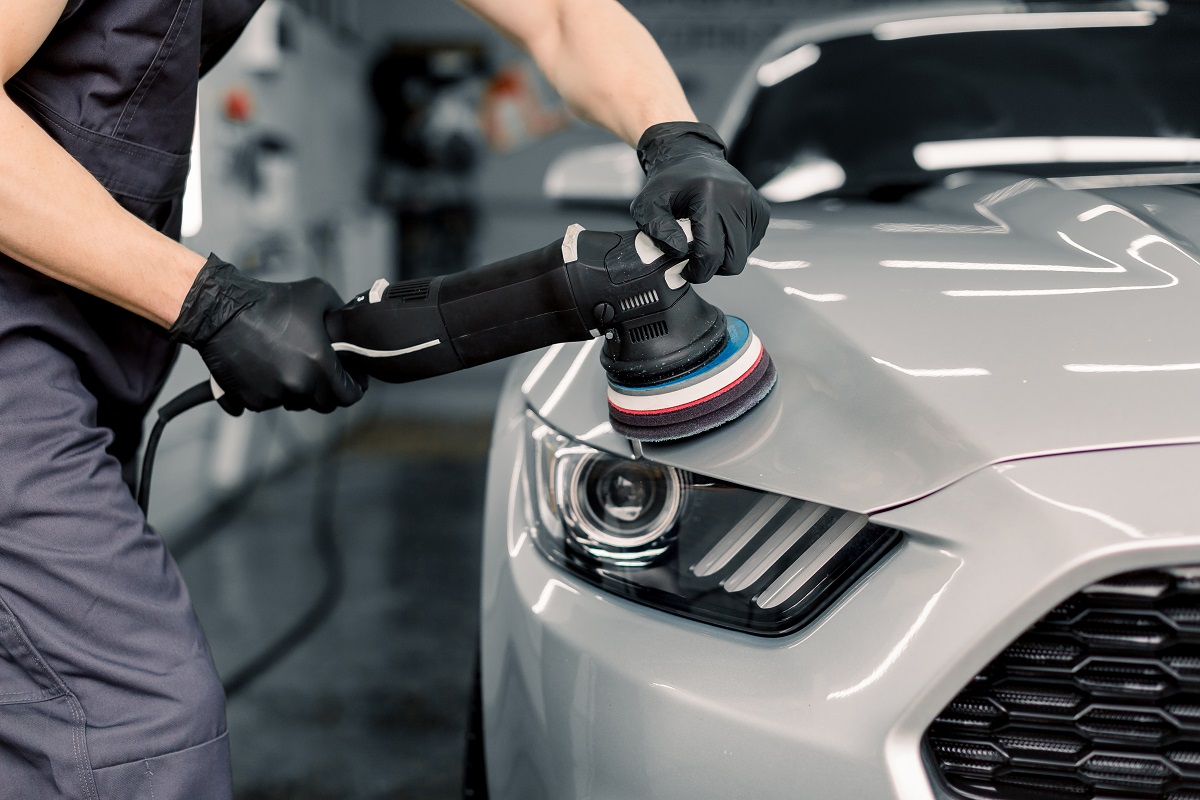
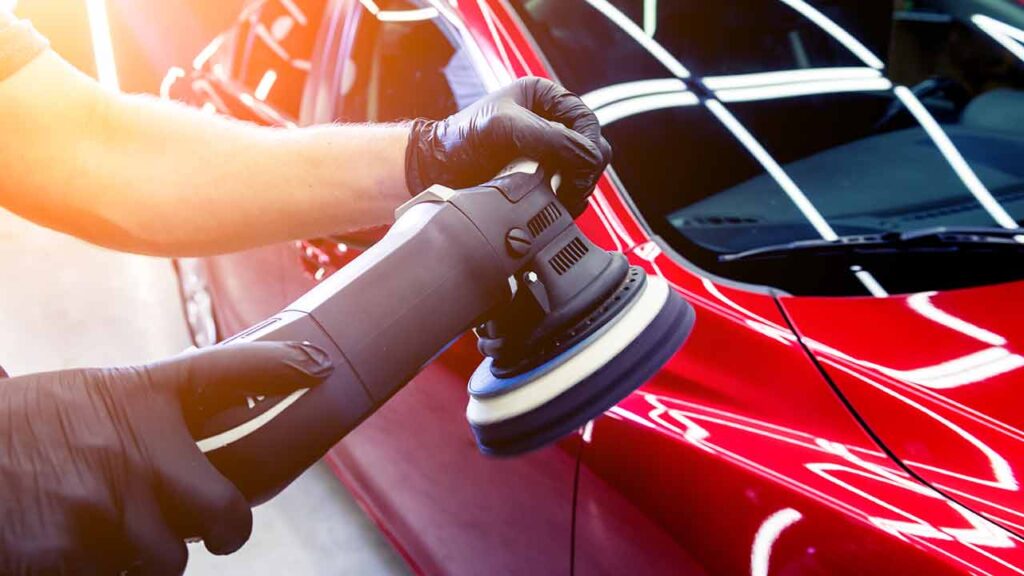
Wash and dry your car before waxing. Apply wax in small sections to control the process. Use a soft applicator pad or microfiber cloth for even coverage. Spread the wax in thin, circular motions. Let the wax dry until it forms a haze. Buff the wax off with a clean, soft cloth. Avoid waxing in direct sunlight to prevent streaks. Regular waxing every few months keeps the car protected.
Common Mistakes To Avoid
Waxing a new car protects its paint and keeps it shiny. Yet, many people make common mistakes that can damage the finish. Avoiding these errors helps maintain your car’s beauty longer. Here are two frequent mistakes to watch out for.
Waxing Too Soon
Waxing a new car too soon can trap dirt and chemicals under the wax. New paint needs time to cure fully before applying wax. This curing usually takes 30 to 60 days. Waxing early may cause uneven shine and damage the paint. Wait for the right time to protect your investment.
Using Harsh Products
Harsh cleaning products can strip the wax and harm the paint. Avoid strong detergents or abrasive cleaners on your car’s surface. Use gentle, car-specific soaps and waxes instead. These products clean well without causing damage. Your car’s paint stays smooth and lasts longer this way.
Credit: surfnshine.com
Maintaining Wax After Application
Waxing your new car protects its paint and keeps it shiny. Maintaining the wax after application is important. It helps the wax last longer and keeps the car looking fresh. Regular care and timely reapplication keep the protection strong. This section explains how to maintain wax on your car.
Regular Cleaning
Cleaning your car often helps keep the wax in good shape. Use gentle car shampoo and soft cloths. Avoid harsh soaps or rough sponges. Dirt and dust can wear off the wax if not cleaned properly. Wash the car every one or two weeks. This stops buildup that can damage the wax layer.
Reapplication Schedule
Wax does not last forever. It wears off over time due to weather and washing. Check your car’s shine every month. Reapply wax every three to four months for best results. If you park outside or drive a lot, wax more often. A fresh layer keeps the paint safe and bright.
Credit: surfnshine.com
Frequently Asked Questions
How Long Should I Wait To Wax A New Car?
Wait at least 30 days before waxing a new car. This allows the paint to fully cure and harden. Waxing too early can trap solvents and damage the finish. Always check the manufacturer’s recommendations for specific curing times.
Can I Wax My Car Immediately After Washing?
It is best to wait until the car is completely dry after washing. Waxing on a wet surface reduces effectiveness and can cause streaks. Drying ensures the wax bonds properly to the paint for optimal protection.
Does New Car Paint Need Special Wax?
New car paint benefits from high-quality carnauba or synthetic wax. These waxes protect the fresh paint and enhance shine without causing damage. Avoid abrasive or harsh products that can harm the clear coat on new vehicles.
What Happens If I Wax A New Car Too Soon?
Waxing too soon can trap moisture and solvents under the wax. This can dull the paint and cause long-term damage. It may also prevent the paint from curing properly, reducing its durability and gloss.
Conclusion
Waiting a few weeks before waxing a new car protects its paint. This time allows the paint to fully harden and cure. Waxing too soon can cause damage or uneven results. Regular waxing after this initial wait keeps the car shiny and safe.
Clean the car well before applying wax for best results. Patience pays off with a beautiful, long-lasting finish. Take care, and your car will look great for years. Simple steps lead to great car care.

