
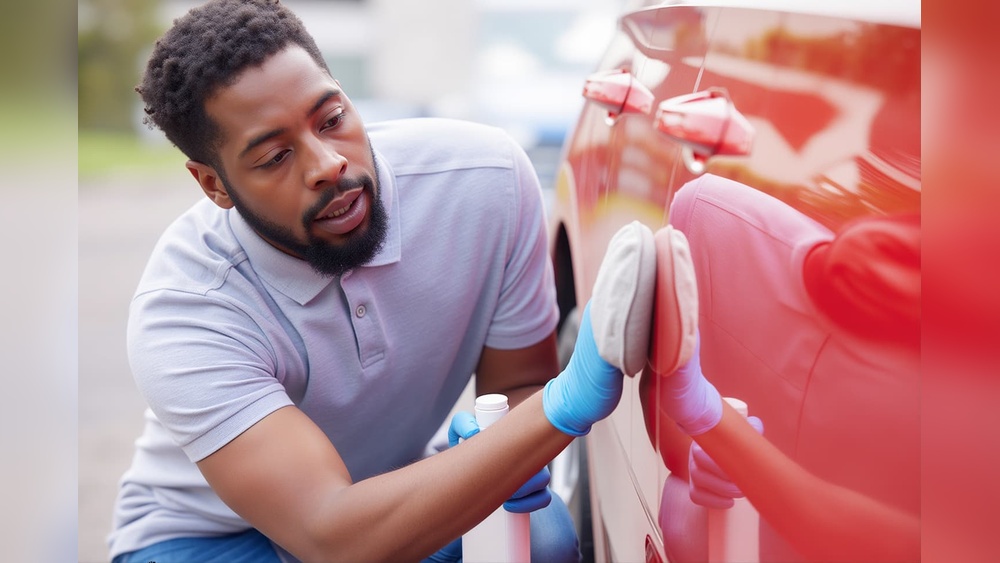
You just got your car freshly painted, and it looks amazing. Now, you’re probably wondering when it’s safe to wax it without damaging that new finish.
Waxing too soon can ruin the paint, but waiting too long might leave your car unprotected. So, how long should you really wait before applying wax? You’ll discover the exact timing and simple tips to keep your paint job shining and safe.
Keep reading to make sure your car stays flawless for miles to come.
Credit: www.detailedimage.com
Ideal Waiting Period
Knowing the ideal waiting period before waxing a car after a paint job is very important. Waxing too soon can damage the new paint. Waiting long enough lets the paint fully cure. This ensures the best shine and protection.
Why Timing Matters
Fresh paint needs time to harden and settle. Waxing too early can trap moisture or chemicals under the wax. This may cause discoloration or peeling. The paint may still be soft and vulnerable right after the job. Waiting lets the paint become strong and stable. This prevents damage and keeps the finish smooth.
Manufacturer Recommendations
Car paint makers suggest waiting at least 30 days before waxing. This time allows the paint to cure completely. Some high-quality paints might need even longer. Always check the paint product’s instructions. Following these guidelines helps keep the paint fresh and bright. If unsure, ask the professional who did the paint job. They know the best care for the specific paint used.
Credit: www.econopaintscars.com
Factors Affecting Waxing Time
Waxing a car after a paint job protects the surface and adds shine. Timing is key to avoid damage and get the best results. Several factors affect how long you should wait before waxing. Understanding these factors helps you care for your car’s new paint properly.
Type Of Paint Used
Different paints dry and cure at different speeds. Acrylic paints dry faster but take longer to cure. Urethane paints often need more time to fully harden. The paint type influences how soon waxing is safe. Knowing your paint type guides the waiting period.
Curing Vs Drying
Drying means the paint feels dry to touch. Curing means the paint fully hardens and bonds to the surface. Waxing too soon after drying can trap solvents and cause problems. Waiting for full curing ensures wax sticks well and protects properly.
Environmental Conditions
Temperature and humidity affect paint curing speed. Warm, dry weather speeds up curing. Cold or humid conditions slow the process. Indoor or shaded areas also change drying times. Consider these conditions before deciding when to wax.
Signs Paint Is Ready For Waxing
Knowing when paint is ready for waxing is important. Waxing too soon can damage fresh paint. Waiting too long can miss protection benefits. Watch for clear signs that paint has cured well. These signs help you protect your car’s look and shine.
Surface Texture
Check the paint’s surface feel. It should feel smooth and dry. Avoid wax if paint feels sticky or soft. Sticky paint means it is still curing. A hard, even texture shows paint is ready. Run your hand gently over the surface to test.
Paint Hardness Tests
Use simple tests to check paint hardness. Press a fingernail lightly on the paint. If it leaves a mark, the paint is too soft. No mark means paint has cured enough. Another test is to touch the paint with a clean cloth. No smudges or color transfer means good hardness.
Risks Of Waxing Too Soon
Waxing a car too soon after a paint job can cause serious problems. Fresh paint needs time to fully cure and harden. Applying wax too early can trap moisture and chemicals under the wax layer. This can lead to damage and reduce the life of the paint finish.
Understanding the risks helps protect your car’s look and value. Below are key issues caused by waxing too soon.
Paint Damage
Wax can seal in solvents that need to evaporate from new paint. Trapped solvents cause bubbles or dull spots. These defects weaken the paint and make it look uneven. Rushing to wax can ruin the smooth, glossy surface you want.
Impaired Finish Longevity
New paint needs time to bond with the car surface. Waxing too early stops this process. The paint may peel or fade faster. The finish loses its shine and protection sooner. Waiting allows the paint to cure fully and last longer.
Best Waxing Practices Post-paint
Waxing a car after a fresh paint job takes care and patience. The paint needs time to cure fully. Rushing can damage the new paint and spoil the look. Best waxing practices help keep the paint smooth and shiny for a long time.
Choosing the right wax and using the correct application method protects the paint. It also brings out the color and gloss. Knowing these steps ensures the car stays beautiful and strong.
Choosing The Right Wax
Pick a wax made for new paint finishes. Avoid harsh or abrasive waxes. Carnauba wax offers a natural shine but use it carefully. Synthetic waxes often last longer and protect better. Check labels for safe use on fresh paint. Always test wax on a small, hidden spot first.
Application Techniques
Apply wax in thin, even layers. Use a soft foam or microfiber applicator pad. Work in small sections to avoid drying too fast. Let the wax haze before buffing gently with a clean cloth. Avoid circular motions; use straight lines for best results. Do not wax under direct sunlight or on a hot surface. This keeps the wax from drying too quickly and leaving marks.
Alternatives To Waxing Immediately
Waiting to wax your car after a paint job can be tough. The paint needs time to cure properly. Meanwhile, you still want to protect your new paint. Several options can help keep your car safe without waxing right away. These alternatives offer good protection and keep your car looking fresh.
Sealants And Coatings
Sealants and coatings create a protective layer on the paint surface. They are synthetic and last longer than wax. Sealants bond well with fresh paint and resist water and dirt. Ceramic coatings provide strong protection and shine. They also reduce minor scratches and chemical damage. These options let the paint cure while keeping it safe.
Temporary Protection Options
Temporary options help shield paint until waxing is safe. Car covers block dust, dirt, and sun damage. Quick detail sprays clean and add a light protective layer. Paint protection films guard against chips and scratches. These methods do not interfere with paint curing. Use them to keep your car clean and protected.

Credit: www.youtube.com
Frequently Asked Questions
How Long Should I Wait To Wax After A Car Paint Job?
Wait at least 30 days before waxing after a new paint job. This allows the paint to fully cure and harden. Waxing too soon can damage the fresh paint and affect its finish. Patience ensures better protection and shine.
Can Waxing Too Early Harm Fresh Car Paint?
Yes, waxing too early can trap solvents and moisture under the wax. This may cause paint damage or uneven curing. Always wait until the paint has completely cured to maintain its durability and appearance.
What Happens If I Wax Immediately After Painting My Car?
Waxing immediately can cause streaks, dullness, or peeling of the new paint. The paint needs time to cure and harden. Premature waxing compromises the paint’s longevity and finish quality, leading to costly repairs.
Is It Safe To Wash My Car Before Waxing Post-paint?
Yes, washing your car gently before waxing is safe after the paint cures. Use mild soap and soft cloths to avoid scratching. Clean surface ensures better wax adhesion and a smoother finish.
Conclusion
Waiting at least 30 days after a paint job is best before waxing. This time lets the paint fully cure and harden. Waxing too soon can harm the new paint and cause damage. Patience helps keep your car’s finish smooth and shiny longer.
Remember, good care after painting protects your investment. Taking the right steps ensures your car looks great for years. Simple actions now save you from costly repairs later. Keep your car’s paint fresh by waiting before waxing.

