

Have you ever wondered how many cars can fit inside a shipping container? Whether you’re planning to ship your vehicle overseas or just curious about the logistics, this question matters more than you think.
Knowing the answer can save you money, time, and hassle. You’ll discover exactly how many cars a container can hold, what factors affect this number, and tips to make the most of your shipping space. Keep reading to get all the details you need before your next shipment.
Credit: cfrclassic.com
Shipping Container Sizes
Shipping containers come in various sizes. Each size affects how many cars fit inside. Knowing container sizes helps plan car shipping better. It also helps avoid damage and saves money.
Standard Container Dimensions
The most common shipping container is the standard container. It usually measures 20 feet or 40 feet in length. The width is about 8 feet, and the height is around 8.5 feet. These dimensions create enough space for many items, including cars.
A 20-foot container is smaller and holds fewer cars. A 40-foot container is longer and fits more cars. The inside space is slightly less due to container walls. Still, these containers work well for most car shipments.
High Cube Containers
High cube containers are taller than standard ones. They are usually 9.5 feet high, one foot taller than standard containers. This extra height adds more room inside. It helps fit bigger or taller vehicles comfortably.
High cube containers come in 40-foot lengths mostly. They allow easier loading of cars with roof racks or taller parts. This size is popular for shipping trucks and SUVs. It offers flexibility when standard containers are too small.
Car Size Categories
Car size is a key factor in determining how many vehicles fit inside a shipping container. Different types of cars take up different amounts of space. Knowing these categories helps you estimate the container space needed.
Compact Cars
Compact cars are small and easy to fit. They usually measure about 14 to 15 feet long. These cars take less space, so more can fit in a container. You can fit around four to five compact cars in a 20-foot container.
Sedans
Sedans are a bit larger than compact cars. They range from 15 to 16 feet in length. Sedans need more room, so fewer fit in the same container. About three to four sedans fit comfortably in a 20-foot container.
Suvs And Trucks
SUVs and trucks are the largest car types for shipping. They can be 16 to 20 feet long and wider too. These vehicles take the most space in containers. Usually, only two to three SUVs or trucks fit in a 20-foot container.
Calculating Car Capacity
Calculating how many cars fit in a shipping container depends on several key points. Understanding space needs and other factors helps find the right number. This is important for safe and efficient transport.
Let’s break down the main details that affect car capacity inside a container.
Space Requirements Per Vehicle
Each car takes up a certain amount of space inside the container. The average car is about 14 to 16 feet long and 6 to 7 feet wide. The height usually ranges from 4.5 to 5 feet. These dimensions affect how many cars fit.
Space is also needed for padding and securing the vehicles. This adds extra room around each car to prevent damage during shipping. The container itself has fixed dimensions, so space must be used carefully.
Factors Affecting Capacity
Vehicle size is a major factor. Small cars fit more easily than large SUVs or trucks. The layout inside the container also matters. Cars can be placed side by side or in a stacked arrangement if possible.
Loading methods affect capacity too. Using ramps or platforms can increase the number of cars in one container. Safety rules limit how tightly cars can be packed. Weight limits also play a role.
Loading Techniques
Loading cars into a shipping container requires careful planning and smart techniques. The goal is to fit as many cars as possible while keeping them safe. Different methods help maximize space and protect the vehicles during transport. Below are two common loading techniques used in the industry.
Single-level Loading
This method places cars side by side on the container floor. Each car has enough space to avoid damage. It is simple and fast to load and unload. Usually, only one row of cars fits this way. This technique works best for larger cars or trucks. It uses the container’s full length but not its height.
Double-deck Loading
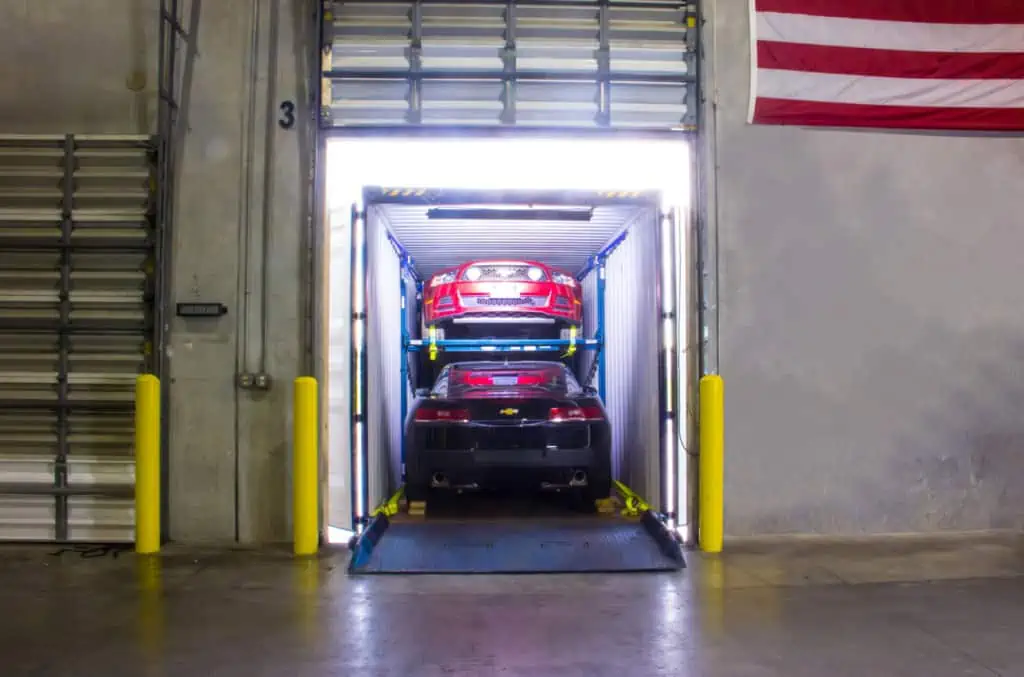
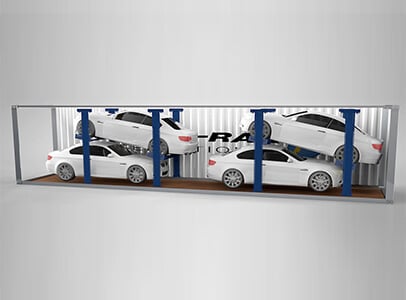
Double-deck loading adds a second level inside the container. A metal platform holds cars above the first layer. This method nearly doubles the number of cars in one container. It needs special racks and careful securing of vehicles. Smaller cars fit better on the top deck. This technique saves money by reducing the number of containers needed.
Maximizing Container Space
Maximizing the space inside a shipping container is key to fitting more cars safely. Efficient use of every inch can reduce shipping costs and improve logistics. Careful planning and smart techniques help pack vehicles tightly without damage.
Vehicle Arrangement Strategies
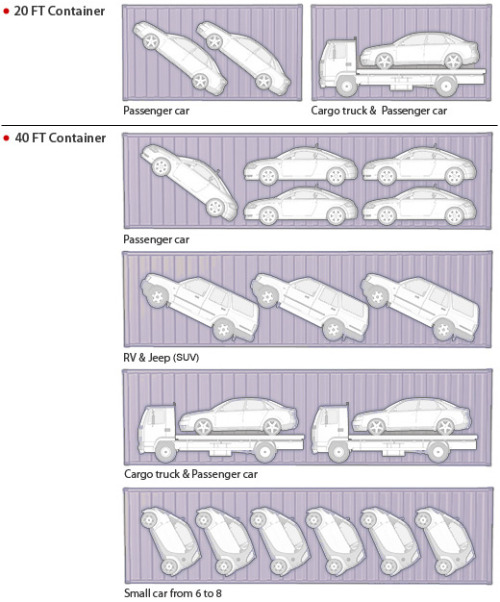
Arranging cars in the right order saves space. Smaller cars fit well between larger ones. Parking cars nose-to-tail uses length efficiently. Positioning vehicles diagonally can sometimes fit an extra car. Avoid wasted gaps by matching car sizes carefully.
Stacking cars is rare but possible with special containers. Usually, one layer of cars is shipped per container. Planning the order before loading speeds up the process and reduces errors.
Using Ramps And Platforms
Ramps and platforms help stack cars in two levels. This method doubles the container’s capacity. Platforms hold one row of cars above another safely. Ramps allow cars to drive onto the upper level easily.
These tools require precise installation to avoid damage. Proper securing of cars on platforms is crucial. Using ramps and platforms is common for shipping new vehicles in bulk.
Credit: www.searates.com
Common Shipping Practices
Shipping cars requires careful planning and specific methods. Common practices help protect vehicles and ensure smooth transport. These methods reduce damage risks and speed up customs clearance.
Below are key steps in shipping cars safely and legally inside containers.
Securing Vehicles
Cars must stay still during the journey. Workers use straps and blocks to fix each car in place. This prevents movement that can cause scratches or dents. Drivers often remove loose parts like antennas or spoilers. Tire pressure is checked to avoid damage from shocks. Proper securing is essential for safe delivery.
Customs And Regulations
Every country has rules for importing vehicles. Shipping companies prepare all paperwork before departure. This includes vehicle registration and proof of ownership. Customs officers inspect containers to verify details and check for illegal items. Following these rules avoids fines or delays. Understanding regulations helps cars reach their destination faster.
Cost Considerations
Cost plays a key role in shipping cars inside a container. Knowing the costs helps plan the budget well. Several factors affect the total cost of shipping cars. These costs can vary based on container size, distance, and services chosen.
Shipping Fees
Shipping fees depend on the container size and distance traveled. A 20-foot container holds one or two cars, while a 40-foot container fits up to four cars. Larger containers cost more to rent. Ocean freight charges also vary by route. Fuel costs and port fees add to the price. Choosing a shared container can lower the cost. Express shipping raises fees significantly.
Insurance Costs
Insurance protects cars during transit from damage or loss. Basic coverage is usually included but may not cover full value. Extra insurance adds to the total cost but offers peace of mind. Costs depend on the car’s value and shipping method. Higher risks increase premiums. Declaring the correct value ensures proper coverage. Always check what your policy covers before shipping.
Alternative Shipping Options
Shipping cars can be done in many ways besides using containers. Alternative shipping options may suit different needs and budgets. These methods often allow more cars to be moved at once. They also offer different levels of protection and cost.
Roll-on/roll-off Shipping
Roll-on/Roll-off, or RoRo, is a popular car shipping method. Cars drive onto a ship and are parked inside. This method is fast and efficient for many vehicles. It costs less than container shipping. RoRo is best for running cars that can move on their own. The cars are exposed to the open air but stay safe inside the ship.
Open Deck Transport
Open deck transport is another way to ship cars. Cars are loaded onto a large open trailer or ship deck. This method carries many vehicles at once. It is cheaper than container shipping but offers less protection. Cars may face weather and road dust during transport. Open deck transport is common for short distances and domestic shipping.
Credit: blog.trans-rak.com
Frequently Asked Questions
How Many Cars Fit In A Standard Shipping Container?
A standard 20-foot container fits 1 to 2 compact cars. A 40-foot container can hold 2 to 4 cars, depending on size and packing method.
Can Suvs Fit In A Shipping Container?
Yes, SUVs can fit, but fewer than smaller cars. Usually, one large SUV fits in a 20-foot container.
What Factors Affect Car Capacity In Containers?
Car size, container type, and loading method affect capacity. Efficient packing can increase the number of cars shipped.
Is It Cheaper To Ship Multiple Cars Together?
Yes, shipping multiple cars in one container reduces cost per car. Shared space optimizes shipping expenses.
Conclusion
A standard shipping container fits about two to three cars. Size and car type affect the exact number. Smaller cars fit more easily than large SUVs. Proper packing helps use space well and prevents damage. Knowing this helps plan car transport safely and cheaply.
Always check container size and car dimensions before shipping. This way, you avoid surprises and extra costs. Understanding car shipping makes the process smoother and clearer. It saves time and money in the long run.
