

Is your car’s air conditioner not blowing cold air like it used to? You might be dealing with a bad AC compressor.
Knowing how to tell if your car AC compressor is bad can save you time, money, and discomfort—especially on those hot days. You’ll discover clear signs to watch for and simple checks you can do yourself. By the end, you’ll feel confident about what’s going on with your car’s cooling system and what steps to take next.
Keep reading to protect your comfort and avoid costly repairs.

Credit: www.youtube.com
Symptoms Of A Failing Ac Compressor
The air conditioning compressor is a key part of your car’s cooling system. When it starts to fail, your AC won’t work as well. Recognizing the signs early helps avoid bigger problems and costly repairs. Here are common symptoms that show your AC compressor might be failing.
Unusual Noises
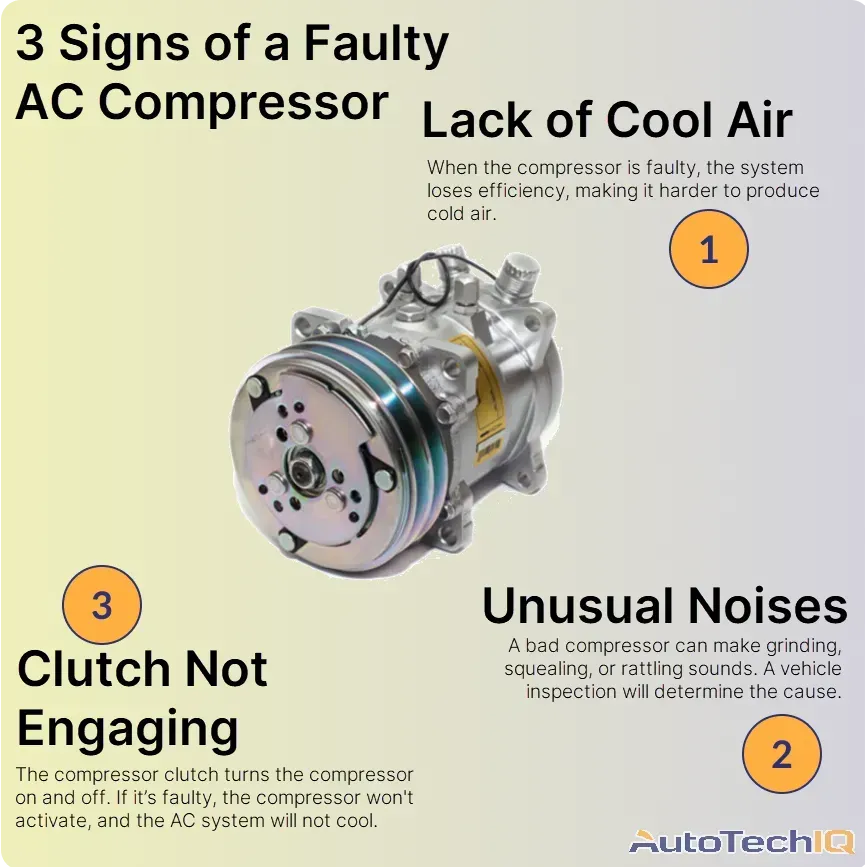
Strange sounds from the AC can signal compressor trouble. Listen for rattling, grinding, or squealing noises. These sounds often mean internal parts are wearing out or damaged. Noises usually get worse as the compressor struggles to work.
Weak Cooling Performance
The AC cools less than before or stops cooling completely. A failing compressor cannot circulate refrigerant properly. You may feel warm air or weak airflow from the vents. This is a clear sign the compressor needs attention.
Compressor Clutch Issues
The compressor clutch helps the compressor turn on and off. If it does not engage or keeps slipping, the compressor won’t work right. You might see the clutch spinning unevenly or hear clicking sounds. This problem affects the whole AC system.
Leaking Refrigerant
Refrigerant leaks reduce the cooling power of your AC. Look for oily spots or stains near the compressor or hoses. Leaks can come from worn seals or cracks in the compressor. Low refrigerant levels often mean the compressor is failing.
Credit: www.youtube.com
Common Causes Of Compressor Failure
The car AC compressor is a key part of your vehicle’s air conditioning system. It keeps the air cool inside your car. Sometimes, the compressor stops working well. This can make the AC less effective or stop it completely. Understanding what causes compressor failure helps you spot problems early. It also guides you on what to check or fix.
Electrical Problems
The compressor relies on electrical parts to work. A blown fuse or bad wiring can stop it. The clutch coil may also fail. This coil helps the compressor turn on and off. If the coil breaks, the compressor won’t start. Electrical issues often cause sudden compressor failure.
Refrigerant Leaks
Refrigerant is the fluid that cools the air in your car. Leaks lower the refrigerant level. Without enough refrigerant, the compressor struggles. It may overheat or become damaged. Small leaks can go unnoticed for a long time. This slow loss often leads to compressor failure.
Wear And Tear
Like all car parts, compressors wear out over time. Constant use causes metal parts to break down. Bearings and seals can fail, leading to leaks and noise. Older compressors may lose their strength. Regular use without maintenance speeds this process up.
Contamination In The System
Dirt, metal bits, or moisture can enter the AC system. These contaminants clog the compressor and block refrigerant flow. Contamination causes parts to wear faster. It also leads to poor cooling performance. Keeping the system clean helps avoid this issue.
Diagnostic Steps To Check The Compressor
Checking your car’s AC compressor helps find problems early. A bad compressor can stop your AC from cooling properly. Follow these simple steps to diagnose if your compressor is failing. These checks do not need special tools and can save you time and money.
Visual Inspection
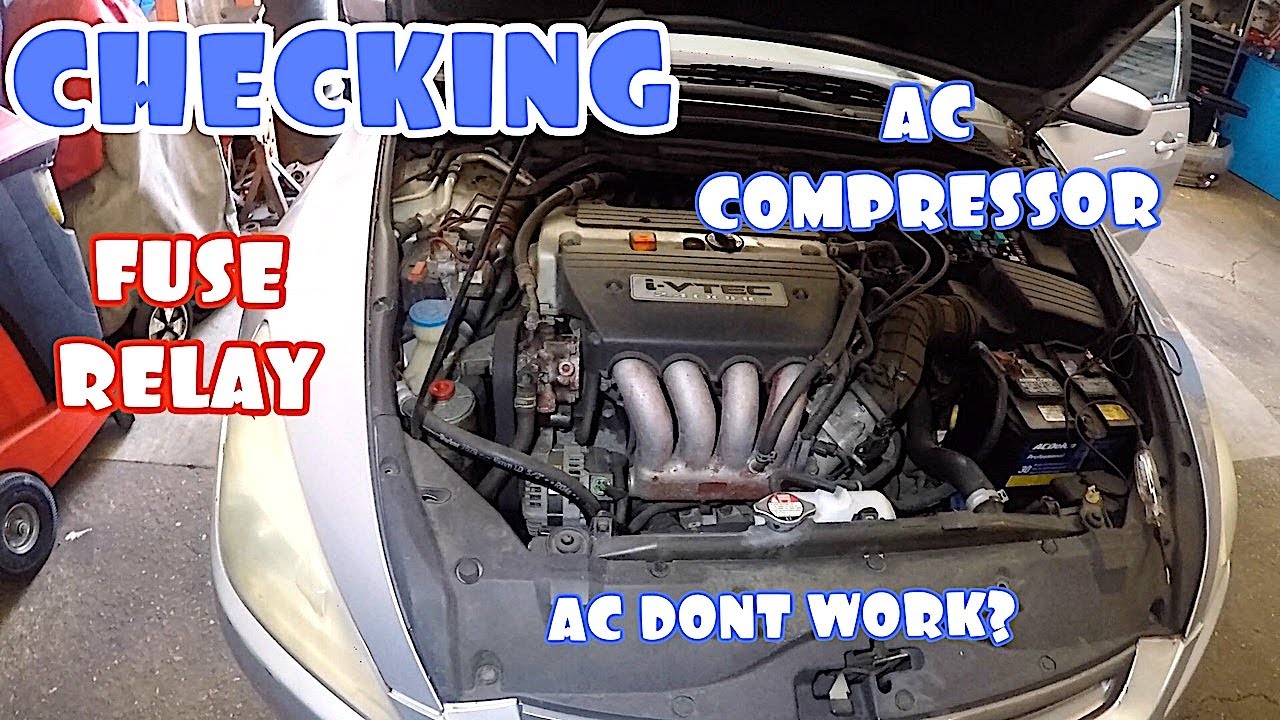
Start by opening the hood and looking at the AC compressor. Check for oil leaks around the compressor body. Look for cracks or broken parts on the compressor and belts. A damaged belt can prevent the compressor from working. Dirt or debris on the compressor can also cause issues.
Listening For Compressor Sounds
Turn on the car and switch on the AC. Listen closely near the compressor for unusual noises. A healthy compressor runs quietly with a smooth hum. Grinding, squealing, or rattling sounds may mean the compressor is bad. Strange noises often show internal damage or worn parts.
Testing The Clutch
The compressor clutch connects and disconnects power to the compressor. Watch the clutch while the AC is on. It should engage and spin smoothly. If the clutch does not move or slips, the compressor may be faulty. A stuck or noisy clutch signals a problem that needs repair.
Checking Refrigerant Levels
Low refrigerant can affect compressor performance. Use a pressure gauge to check refrigerant levels in the AC system. Too little refrigerant can cause the compressor to overheat or stop working. If levels are low, find and fix leaks before adding more refrigerant. Proper levels help the compressor run well.
When To Replace The Ac Compressor
Knowing when to replace your car’s AC compressor can save you time and money. The compressor is key to cooling your car. It pumps refrigerant through the AC system. Over time, it wears out or breaks. Recognizing the signs helps avoid bigger problems. Acting early keeps your car comfortable and safe.
Signs Replacement Is Necessary
Your AC may not cool well. Strange noises like grinding or squealing can appear. The compressor clutch might stop moving. Leaks around the compressor area are a warning. Sometimes, the AC blows warm air instead of cold. Frequent trips to the mechanic for AC fixes also signal trouble.
Cost Considerations
Replacing an AC compressor costs between $400 and $1,200. Labor charges vary by location and car model. Additional parts like refrigerant or filters add to the price. Ignoring a bad compressor can cause more damage and higher costs. Budget for both parts and labor when planning the repair.
Choosing A Replacement Compressor
Select a compressor that fits your car’s make and model. New compressors offer the best reliability and warranty. Remanufactured units are cheaper but may have shorter life. Quality matters to avoid repeat repairs. Consult a trusted mechanic to find the right option for your vehicle.
Preventing Future Compressor Problems
Preventing future problems with your car AC compressor saves time and money. Taking care of the compressor helps keep your AC system running smoothly. Simple steps can stop small issues from becoming big repairs. Here are some easy ways to protect your car’s AC compressor.
Regular Maintenance Tips
Check your AC system regularly. Change the cabin air filter often to keep air clean. Inspect belts and hoses for cracks or wear. Listen for strange noises from the compressor. Schedule professional AC check-ups yearly. Early detection helps fix problems fast.
Proper Refrigerant Handling
Use the correct type of refrigerant for your car. Avoid overfilling or underfilling the system. Too much refrigerant stresses the compressor. Too little refrigerant makes it work harder. Let a trained technician handle refrigerant refills. Safe handling extends the life of your compressor.
System Cleanliness
Keep the AC system clean inside and out. Dirt and debris can block airflow and damage parts. Clean condenser and evaporator coils regularly. Check the compressor clutch and pulleys for dirt. A clean system cools better and lasts longer.
Credit: www.autotechiq.com
Frequently Asked Questions
How Do I Know If My Ac Compressor Is Failing?
Signs include weak airflow, strange noises, and warm air from vents. Also, check for AC clutch issues or frequent cycling.
What Causes An Ac Compressor To Go Bad?
Common causes are refrigerant leaks, electrical problems, or worn-out bearings. Lack of maintenance can also lead to compressor failure.
Can A Bad Ac Compressor Damage My Car?
Yes, a failing compressor can strain the engine and damage other AC components if not repaired promptly.
How Much Does It Cost To Replace An Ac Compressor?
Replacement costs vary but generally range from $500 to $1,200 depending on the car model and labor charges.
Conclusion
A bad car AC compressor can cause many problems. Listen for strange noises or weak airflow. Notice if your AC takes too long to cool. Watch for leaks or high engine temperatures. Early checks can save you money and stress.
Fixing issues quickly keeps your car comfortable. Don’t ignore signs that your compressor is failing. Regular maintenance helps your AC work well longer. Stay alert to changes in your car’s cooling system. Keep your ride cool and enjoyable all year.


