

Wondering how many miles your brakes and rotors will last before they need replacing? You’re not alone.
Knowing when to change these parts can save you money and keep you safe on the road. But the truth is, the lifespan of brakes and rotors isn’t the same for every driver. It depends on how you drive, the type of car you have, and even the roads you travel.
You’ll discover clear answers and simple tips to help you understand when it’s time to act—so you never get caught off guard. Keep reading to learn how to protect your car and yourself with the right brake care.

Credit: www.clarksgarage.com.au
Brake Lifespan Factors
Brake lifespan varies widely due to several key factors. Understanding these factors helps predict when brakes and rotors need replacement. Different conditions and uses affect how long braking parts last. Below are the main reasons brake life changes.
Driving Habits Impact
Hard braking wears brakes faster. Smooth, gentle braking extends brake life. Frequent stop-and-go traffic causes more wear. Long downhill drives with constant braking reduce lifespan. Aggressive driving means quicker brake replacement.
Vehicle Type Influence
Heavy vehicles wear brakes more quickly. Trucks and SUVs carry more weight. Smaller cars have lighter braking needs. High-performance cars use brakes harder. Vehicle weight and power affect brake wear.
Brake Material Differences
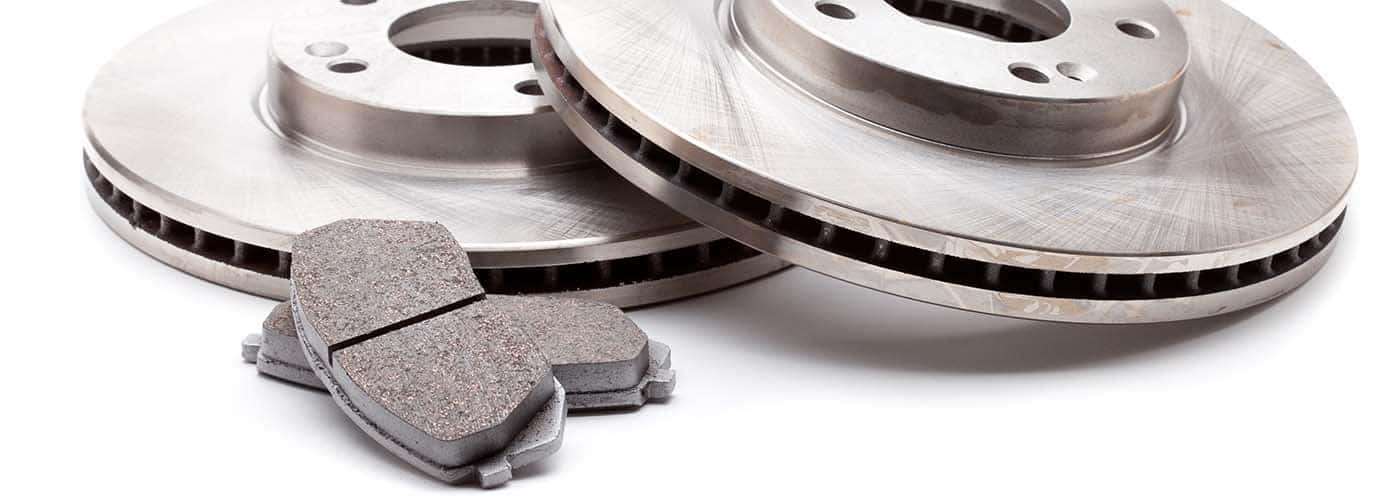
Brake pads come in various materials. Organic pads wear faster but are quieter. Semi-metallic pads last longer but are noisier. Ceramic pads offer long life and low dust. Rotor material also changes lifespan.
Environmental Conditions
Wet or salty roads cause corrosion. Dust and dirt increase brake wear. Mountainous areas require more braking. Hot climates can cause overheating. Weather and location influence brake durability.
Credit: www.marinechevy.com
Typical Brake Pad Mileage
Brake pads play a vital role in vehicle safety. Knowing their typical mileage helps you plan replacements. Brake pad life depends on driving style, vehicle type, and road conditions. Most brake pads last between 30,000 and 70,000 miles. This range can vary widely, so regular checks are important.
Standard Range
Most brake pads wear out after 30,000 to 70,000 miles. City driving with frequent stops reduces lifespan. Highway driving usually causes less wear. Hard braking shortens pad life. Quality brake pads also affect how long they last.
Signs Of Wear
Squealing or grinding noises signal worn brake pads. Longer stopping distances also indicate wear. Vibration or pulsation in the brake pedal is another sign. Visual checks can reveal thin or cracked pads. Ignoring these signs risks brake failure.
When To Replace
Replace brake pads when thickness is below 3 millimeters. Follow manufacturer recommendations for replacement intervals. Get pads checked at every oil change. Replace immediately if you hear grinding sounds. Timely replacement keeps braking effective and safe.
Rotor Longevity
Rotors are key parts of the braking system. They work with brake pads to stop your car safely. Knowing how long rotors last helps you plan maintenance. It also keeps your driving safe and smooth.
Many factors affect how long rotors stay good. These include driving habits, road conditions, and the quality of brake parts. Proper care can extend rotor life and save money.
Average Lifespan
Rotors usually last between 30,000 and 70,000 miles. Some last longer with gentle driving and good maintenance. Rough driving or heavy loads can shorten rotor life. Check rotors regularly to catch wear early.
Rotor Thickness And Wear
Rotors wear down as brake pads press on them. Thicker rotors handle heat and stress better. Mechanics measure rotor thickness to decide if replacement is needed. Thin rotors can cause poor braking and safety risks.
Effects Of Brake Pads On Rotors
Brake pads and rotors work closely together. Hard or low-quality pads can wear rotors faster. Soft pads may wear out quickly but protect rotors more. Matching pads and rotors improves brake performance and life.
Extending Brake And Rotor Life
Extending the life of your brakes and rotors saves money and keeps your car safe. Taking care of these parts helps avoid early replacements. Simple habits and smart choices make a big difference. Here are some tips to help you get the most from your brake system.
Regular Maintenance Tips
Check your brake pads and rotors often. Look for signs of wear, like thinning pads or grooves on rotors. Keep brake fluid clean and at the right level. Replace parts before they fail. Clean dust and dirt from brake parts regularly. A little care prevents big problems.
Driving Techniques For Longevity
Drive smoothly and avoid hard braking. Slow down early instead of stopping fast. Use engine braking by downshifting on hills. Avoid riding the brakes on long descents. These habits reduce heat and wear on brakes. Gentle driving keeps brakes healthy for longer.
Quality Parts And Upgrades
Choose brake pads and rotors made from good materials. Cheaper parts may wear out quickly. Consider upgraded parts for better heat resistance. Some brands offer longer-lasting brake components. Investing in quality parts improves safety and lifespan.
Costs Of Brake And Rotor Replacement
Replacing brakes and rotors is a key maintenance task for vehicle safety. Understanding the costs helps you plan your budget better. Prices vary based on parts, labor, and service type. Knowing these details can save money and avoid surprises.
Parts And Labor Estimates
Brake pads usually cost between $30 and $80 per set. Rotors can range from $40 to $150 each. Labor charges depend on the shop and location. Expect to pay $100 to $200 for labor. Total replacement can cost from $150 to $400 per axle.
Diy Vs Professional Service
Doing the job yourself cuts labor costs. You only pay for parts and tools. But it needs time and skill. Mistakes can lead to unsafe brakes. Professional service guarantees proper installation. It also saves time and gives a warranty.
Long-term Savings
Regular brake checks prevent costly damage. Quality parts last longer and perform better. Proper installation reduces wear and tear. This lowers future repair costs. Investing in good brakes protects your safety and wallet.

Credit: www.hondaofmentor.com
Frequently Asked Questions
How Many Miles Do Brake Pads Usually Last?
Brake pads typically last between 30,000 and 70,000 miles. Factors like driving habits and vehicle type affect their lifespan. Regular inspections help ensure timely replacement and safe braking performance.
When Should Rotors Be Replaced Or Resurfaced?
Rotors usually last 50,000 to 70,000 miles but may need resurfacing earlier. Replace rotors if they are warped, cracked, or below minimum thickness for safety.
Do Driving Habits Affect Brake And Rotor Lifespan?
Yes, aggressive braking and frequent stop-and-go driving reduce brake and rotor life. Gentle driving and highway use help extend their longevity significantly.
Can Worn Rotors Damage New Brake Pads?
Yes, installing new pads on worn rotors can cause uneven wear and reduce braking efficiency. Always inspect rotors before pad replacement for optimal performance.
Conclusion
Brake pads usually last between 30,000 and 70,000 miles. Rotors often need replacement around 50,000 to 70,000 miles. Driving habits and road conditions affect their lifespan. Regular checks help spot wear early. Replacing parts on time keeps your car safe.
Don’t wait for squeaking or grinding sounds. Good brake maintenance protects you and others. Stay alert and maintain your brakes well. Safe driving starts with reliable brakes.

