

Have you ever wondered how many miles your fuel filter can last before it needs replacing? Knowing this can save you from unexpected car troubles and costly repairs.
Your fuel filter plays a crucial role in keeping your engine running smoothly by trapping dirt and debris. But how do you know when it’s time to change it? You’ll discover the key signs to watch for and how mileage affects your fuel filter’s lifespan.
Keep reading to protect your vehicle and avoid breakdowns on the road.
Fuel Filter Basics
A fuel filter is a small but important part of your vehicle. It cleans the fuel before it reaches the engine. Clean fuel helps the engine run smoothly and last longer. Dirt, rust, and other particles can clog the fuel system. This can cause poor engine performance or even damage.
Knowing the basics of fuel filters helps in keeping your car healthy. It also explains why regular changes are necessary. Below, learn about the role of a fuel filter and the different types available.
Role In Vehicle Performance
The fuel filter removes dirt and debris from the fuel. This keeps the fuel clean and protects the engine parts. A clean filter allows fuel to flow easily to the engine. When the filter clogs, fuel flow slows down. This can cause the engine to run rough or lose power. A good fuel filter also helps save fuel by improving engine efficiency.
Types Of Fuel Filters
There are several types of fuel filters for different vehicles. The most common type is the inline fuel filter. It sits along the fuel line and filters fuel before it reaches the engine. Another type is the cartridge fuel filter. It is often found inside the fuel pump or fuel tank. Some vehicles use a fuel filter inside the fuel tank itself. Each type works to keep fuel clean but may need changing at different times.
Factors Affecting Fuel Filter Life
The life of a fuel filter depends on several important factors. These factors influence how long the filter can clean the fuel effectively. Understanding them helps in maintaining your vehicle better. It also prevents engine problems caused by dirty fuel.
Fuel Quality
The quality of fuel you use affects the filter’s lifespan. Low-quality fuel contains more dirt and impurities. These particles clog the filter faster. Clean, high-quality fuel helps the filter last longer. Regularly filling up at trusted stations reduces the risk of bad fuel.
Driving Conditions
Driving in dusty or dirty environments wears out the fuel filter quicker. Rough roads stir up more dust and debris. Stop-and-go traffic can also stress the fuel system. Long highway drives usually cause less strain. The filter needs more frequent checks in tough conditions.
Vehicle Make And Model
Different vehicles use different types of fuel filters. Some filters have larger capacity and last longer. Others are smaller and need frequent replacement. The engine design and fuel system also play a role. Always follow the vehicle manufacturer’s guidelines for filter changes.
Typical Fuel Filter Lifespan
The typical fuel filter lifespan varies depending on the vehicle and fuel quality. Most fuel filters work well for a certain mileage before they start clogging. A clogged filter reduces fuel flow and engine performance. Changing the fuel filter on time keeps your engine running smoothly. Regular checks help avoid costly repairs and breakdowns.
Standard Mileage Ranges
Fuel filters usually last between 20,000 and 40,000 miles. Some car makers suggest changing the filter every 30,000 miles. Diesel engines often need more frequent changes than gasoline engines. Driving in dusty or dirty areas can shorten the filter’s life. Always check your owner’s manual for the exact mileage range.
Signs Of A Failing Fuel Filter
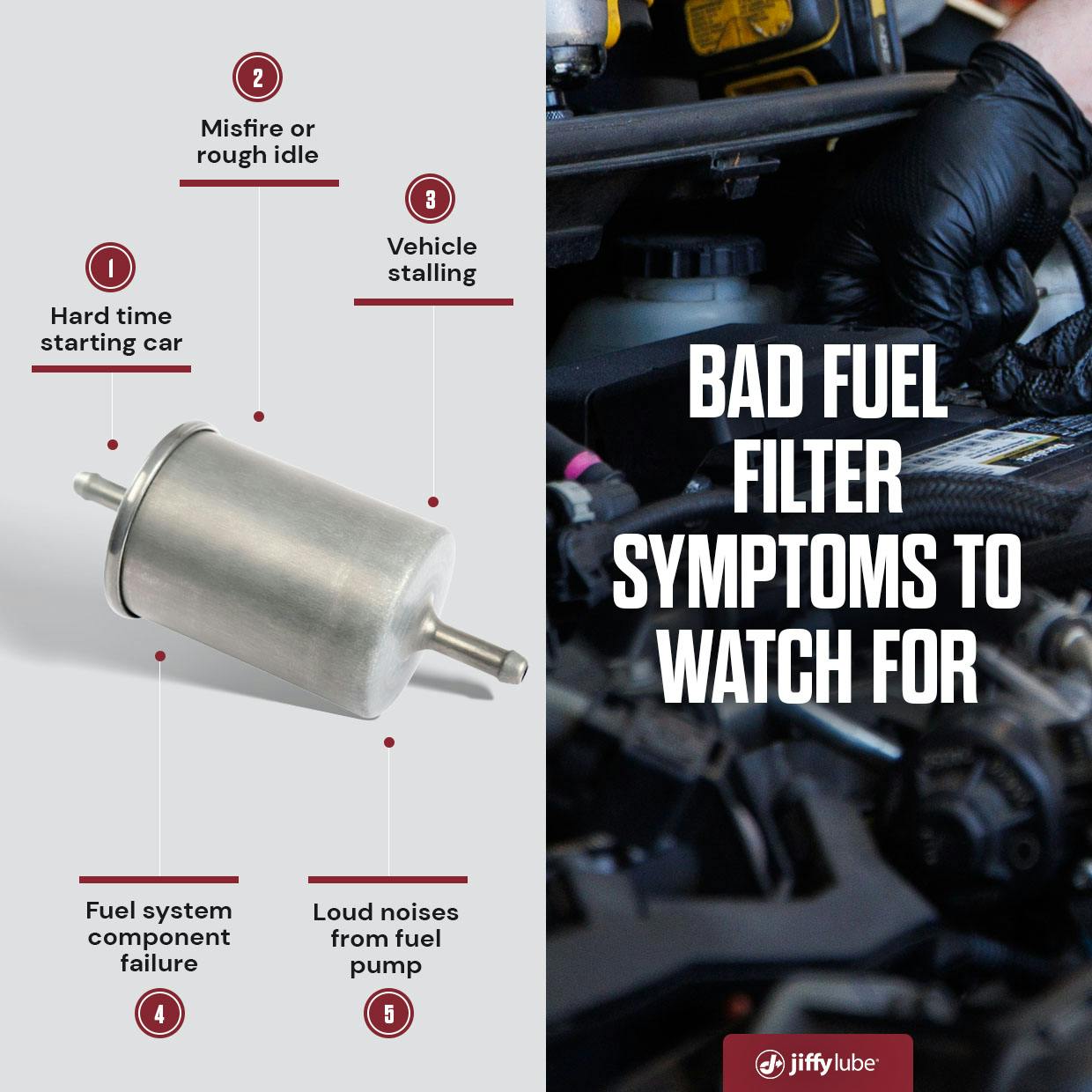
A failing fuel filter causes slow engine start and poor acceleration. You may notice engine misfires or stalling during driving. The engine might run roughly or lose power on hills. Fuel pressure drops, affecting the fuel injection system. Strange noises from the fuel pump can also signal filter problems.
Credit: www.jiffylube.com
When To Replace Your Fuel Filter
Knowing when to replace your fuel filter is key to keeping your car running smoothly. A clogged filter can cause poor engine performance and reduce fuel efficiency. Regular checks help avoid costly repairs and maintain your vehicle’s health. Here are some important points to help you decide the right time to replace your fuel filter.
Manufacturer Recommendations
Car makers usually suggest a fuel filter replacement every 20,000 to 40,000 miles. This range varies by car model and fuel type. Check your owner’s manual for the exact mileage. Following these guidelines helps protect the engine from dirt and debris. Some newer cars have lifetime filters that need less frequent changes.
Symptoms To Watch For
Watch for engine hesitation or stalling during acceleration. These signs often mean a blocked fuel filter. A drop in fuel efficiency can also signal filter issues. Notice if your car has trouble starting or idles roughly. Strange noises from the fuel pump can be another warning. Early detection prevents damage and ensures smooth driving.
Replacing Fuel Filters
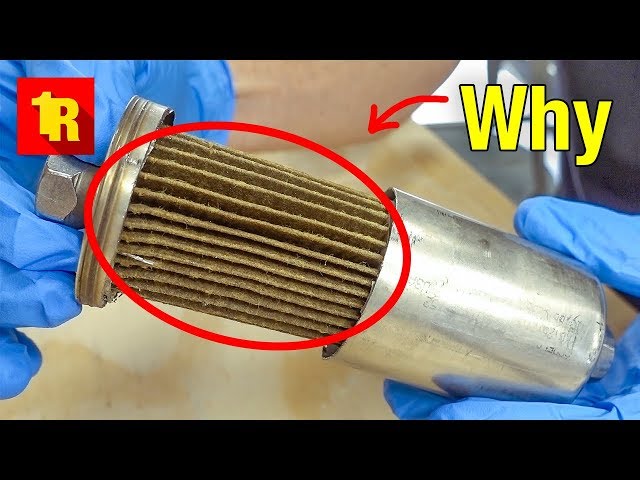
Replacing fuel filters is an important part of car maintenance. Fuel filters keep dirt and debris out of the engine. Over time, they get clogged and need changing. Changing the filter helps the engine run smoothly and saves money on repairs.
Diy Vs Professional Service
Some car owners choose to replace fuel filters themselves. This can save money and take less time. Basic tools and a guide are enough for many cars. But not all filters are easy to reach or replace. Some cars need special tools or skills.
Professional service means a mechanic does the job. They have the right tools and experience. They can spot other problems during the change. This option costs more but offers peace of mind. Choose the method that fits your skills and car type.
Cost Considerations
Fuel filter prices vary by car model and filter type. A filter can cost from $10 to $50. Labor costs at a shop add $50 to $100. DIY saves labor but needs time and care. Mistakes can lead to engine damage and higher costs.
Regular replacement prevents costly repairs later. Check your car’s manual for the recommended schedule. Budget for fuel filter changes as part of regular car care.
Credit: www.youtube.com
Maintaining Fuel Filter Health
Maintaining fuel filter health is important for a smooth-running engine. A clean fuel filter stops dirt and rust from reaching the engine. This keeps your car running well and saves money on repairs. Simple steps can help you keep the fuel filter in good shape for a long time.
Regular attention to your fuel system prevents bigger problems. You will enjoy better fuel efficiency and fewer breakdowns. Proper care also extends the life of your vehicle’s engine parts.
Regular Maintenance Tips
Check the fuel filter according to your vehicle’s manual. Replace the filter at the recommended mileage or sooner if needed. Listen for rough idling or difficulty starting the engine—these can signal a clogged filter. Use quality fuel to reduce dirt buildup. Keep your fuel tank clean and avoid running on empty. These simple habits keep the fuel filter working well and protect your engine.
Fuel System Cleaning
Cleaning the fuel system helps keep the filter clear of deposits. Use fuel system cleaner additives regularly as a preventive step. These additives dissolve small clogs and improve fuel flow. Professional fuel system cleaning can be done during service visits. This process removes tough dirt and buildup in the fuel lines and injectors. Clean fuel systems support better engine performance and longer filter life.
Credit: www.yourmechanic.com
Frequently Asked Questions
How Often Should I Replace My Fuel Filter?
Most fuel filters should be replaced every 20,000 to 40,000 miles. Check your vehicle’s manual for exact intervals. Regular replacement ensures optimal engine performance and fuel efficiency.
What Happens If A Fuel Filter Clogs?
A clogged fuel filter restricts fuel flow, causing engine hesitation, stalling, or poor acceleration. It can also damage the fuel pump. Timely replacement prevents these issues.
Can I Clean And Reuse A Fuel Filter?
Most modern fuel filters are not designed to be cleaned or reused. It’s best to replace the filter to maintain proper fuel flow and engine health.
Does Driving Conditions Affect Fuel Filter Lifespan?
Yes, dusty or harsh driving conditions can clog the fuel filter faster. In such cases, more frequent replacements are necessary to protect the engine.
Conclusion
A fuel filter usually lasts between 20,000 and 40,000 miles. Changing it on time keeps your engine clean and running well. A clogged filter can cause poor fuel flow and engine trouble. Check your car manual for exact replacement times.
Regular maintenance saves money and avoids breakdowns. Keep an eye on fuel filter health for smooth driving. Simple steps help your vehicle stay strong and efficient. Don’t wait until problems start. Stay ahead with timely fuel filter care.


