

Are you wondering how many miles are good on a car before it starts to lose value or need expensive repairs? Knowing this can save you a lot of money and stress when buying or selling a vehicle.
You want a car that lasts long and runs smoothly without surprises. You’ll discover the key mileage milestones that matter, what to watch out for, and how to make the smartest choice for your next ride. Keep reading to learn exactly what miles on a car mean for you and your budget.

Credit: www.reddit.com
Mileage And Car Value
Mileage plays a big role in determining a car’s value. It shows how much the car has been used. Buyers often check mileage first to guess how long the car will last. Lower mileage usually means less wear and tear. This makes the car more appealing and often more expensive.
Impact Of Mileage On Price
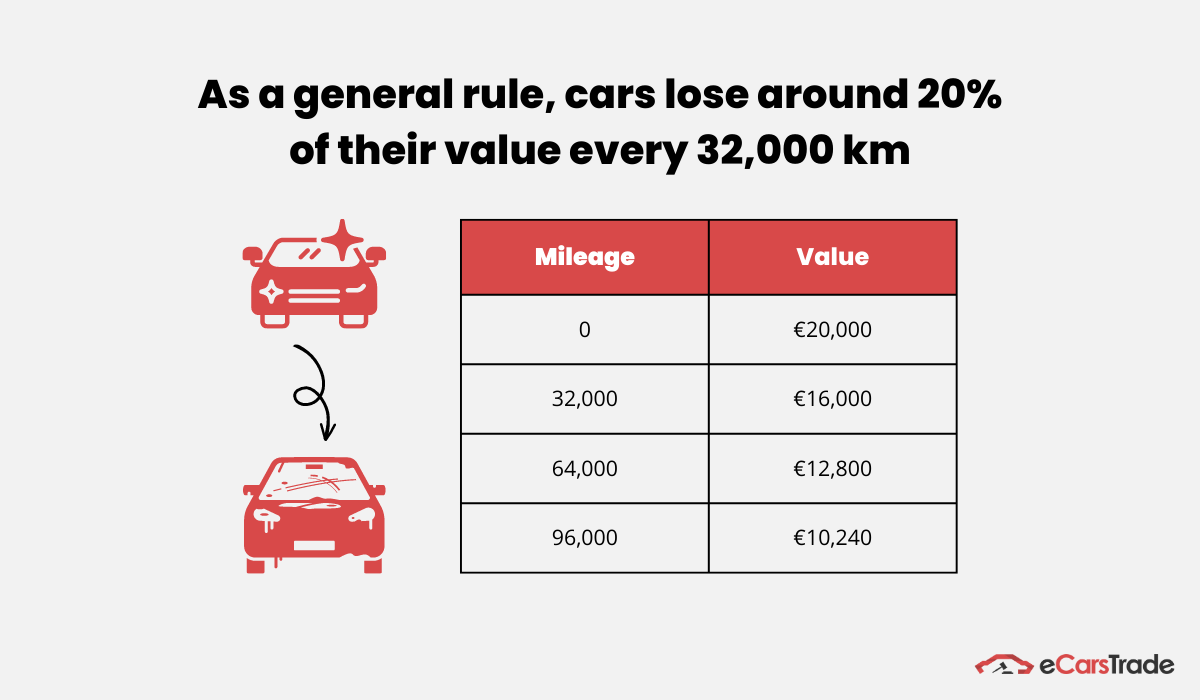
Cars with low mileage tend to cost more. Fewer miles mean the engine and parts may last longer. High mileage cars often sell for less. They might need repairs soon. Buyers pay less to balance the risk of future costs. Mileage helps set a fair price.
Depreciation Trends
Cars lose value fast in the first few years. Mileage speeds up this loss. More miles mean faster depreciation. After some time, the value drops slowly. Older cars with many miles are cheaper. Depreciation depends on how much the car is driven.
Comparing Low Vs High Mileage Cars
Low mileage cars usually look newer and feel better. They may have fewer problems. High mileage cars can be good deals if well maintained. They often cost less but might need fixes soon. Choose based on budget and how long you want to keep the car.

Credit: ciriloehansen.com.br
Mileage Benchmarks To Consider
Mileage is a key factor when judging a car’s value and condition. Knowing common mileage benchmarks helps buyers and sellers make smart decisions. It shows how much a car has been used and hints at future maintenance needs.
This section breaks down important mileage points. These help you understand what is normal and when mileage might be a concern.
Average Annual Mileage
Most drivers cover about 12,000 to 15,000 miles yearly. This range is a good rule of thumb to judge a car’s age and use. Cars driven less than this often have less wear. Those with higher mileage may have more mechanical issues.
Mileage Milestones To Watch
Certain mileage points often mean a car needs more care. Around 60,000 miles, many parts might need inspection or replacement. At 100,000 miles, cars may require major service like timing belt changes. These milestones do not mean a car is bad. They are reminders to check important systems carefully.
When Mileage Becomes A Concern
Mileage over 150,000 can be a warning sign for some buyers. High mileage cars may have more repairs and lower resale value. Still, good maintenance can keep a car running well past this point. Always look at service records and overall condition, not just the numbers.
Factors Affecting Mileage Quality
Understanding how many miles are good on a car depends on several important factors. These factors affect the car’s condition and how well it runs. Not all miles are equal. Some miles cause more wear and tear than others. Knowing these factors helps you judge the quality of a car’s mileage better.
Type Of Driving: City Vs Highway
City driving often means stop-and-go traffic. This can wear out brakes and the engine faster. Highway driving is smoother with less stopping. Cars driven mostly on highways usually last longer. Highway miles are easier on the car’s parts. This makes those miles more valuable.
Maintenance History
A well-maintained car stays healthy longer. Regular oil changes, tire rotations, and brake checks protect the car. Cars with a full service record show good care. Poor maintenance can hide problems. Always check if the car has been serviced on time.
Driving Habits And Their Effects
Aggressive driving causes quick wear. Hard braking and rapid acceleration stress the engine. Calm and steady driving saves the car’s parts. Gentle driving helps keep the mileage quality high. How a car was driven affects its value more than miles alone.
Mileage And Car Longevity
Mileage plays a big role in how long a car lasts. Cars with higher miles can still run well. The key is how the car was cared for. Good maintenance can extend a car’s life far beyond average. Knowing what to expect from different makes and models helps in choosing a reliable car.
Typical Lifespan By Make And Model
Some car brands last longer than others. Toyota and Honda often reach 200,000 miles easily. Luxury brands like Lexus also have strong durability. Older models from well-known makers can surprise with their longevity. Checking the specific model’s history gives a clearer picture.
Signs Of A Well-maintained High Mileage Car
A smooth ride shows good care. Regular oil changes prevent engine wear. Clean service records prove consistent maintenance. Tires and brakes in good shape indicate attention. No strange noises or warning lights help identify a reliable car.
Common Issues In High Mileage Vehicles
Worn-out suspension parts cause rough rides. Engine oil leaks may develop over time. Transmission problems can appear after many miles. Rust and corrosion damage the body and frame. Electrical faults may increase as the car ages.
Smart Buying Tips Based On Mileage
Smart buying means understanding how mileage affects a car’s value and condition. High mileage can lower price but may also mean more wear. Low mileage cars often cost more but might need fewer repairs. Knowing how to balance these factors helps you pick the best car.
Checking the car’s history is important. It shows past accidents, repairs, and maintenance. This info helps you avoid hidden problems that mileage alone cannot reveal.
Inspecting the car carefully can uncover issues linked to its miles. Some signs point to heavy use or poor care. A thorough check saves money and trouble later.
Balancing Mileage And Price
Cars with low mileage usually cost more. They may last longer with less repair. High mileage cars are cheaper but might need more work soon. Aim for a balance. Choose a car with mileage that fits your budget and plans. Consider the brand and model. Some cars handle high mileage better.
Checking Vehicle History Reports
Vehicle history reports provide key details. They show accidents, service records, and ownership changes. These reports reveal if the odometer was rolled back. Look for regular maintenance records. A well-maintained car with high mileage can be a good buy. Avoid cars with major damage or skipped repairs.
Inspection Checklist For Mileage Concerns
Check the engine for leaks or strange noises. Test brakes and suspension for wear. Inspect tires for uneven wear patterns. Look at the interior for excessive wear on pedals and seats. Verify electronics and lights work properly. A trusted mechanic can spot hidden problems related to mileage.
When To Prioritize Mileage Over Other Factors
Knowing when to focus on mileage can help you choose the right car. Mileage shows how much a car has been used. Sometimes, it is more important than other features. This section explains when mileage should be your top priority.
Budget Constraints
Low mileage cars often cost more. A limited budget means choosing higher mileage cars can save money. Cars with more miles can still run well if maintained. Prioritizing mileage helps buy a reliable car at a lower price.
Usage Plans For The Car
The way you plan to use the car matters. For short trips or occasional use, mileage may be less important. For daily long drives, low mileage is better. More miles can mean more wear, affecting long-term use.
Resale Value Considerations
Cars with lower mileage often keep value better. If you want to sell the car soon, mileage matters more. Buyers usually prefer cars with fewer miles. Choosing low mileage helps protect your investment later.
Credit: helloastrologer.com
Frequently Asked Questions
How Many Miles Is Considered Good For A Used Car?
A good mileage for a used car is typically under 60,000 miles. Cars with lower miles often have less wear and tear. However, maintenance history is also important to consider when evaluating a used car’s condition.
Does Mileage Affect A Car’s Resale Value?
Yes, mileage significantly affects a car’s resale value. Lower mileage usually means higher value. Buyers often prefer cars with fewer miles as they tend to last longer and require fewer repairs.
What Is Average Annual Mileage For A Car?
The average annual mileage for a car is about 12,000 to 15,000 miles. This range is considered normal and helps maintain good vehicle condition over time.
Can A Car With High Mileage Still Be Reliable?
Yes, a car with high mileage can be reliable if well-maintained. Regular servicing, timely repairs, and quality parts can extend a car’s life beyond typical expectations.
Conclusion
A good number of miles on a car depends on many factors. Regular care keeps a car running well for longer. Older cars with fewer miles may need more repairs. Newer cars with higher miles can still be reliable. Always check the car’s history and condition before buying.
Mileage is just one part of the car’s story. Think about how you will use the car every day. A well-maintained car with reasonable miles often offers the best value. Choose wisely and enjoy your driving experience.


