Are you wondering how many PSI you really need for your car pressure washer? Getting the right pressure is key to cleaning your car effectively without causing any damage.
Too little pressure means a dull, dirty finish, while too much can harm your paint or trim. You’ll discover exactly what PSI works best for different car surfaces and how to choose the perfect pressure washer settings for a sparkling clean ride every time.
Keep reading to unlock simple tips that save your car and time!
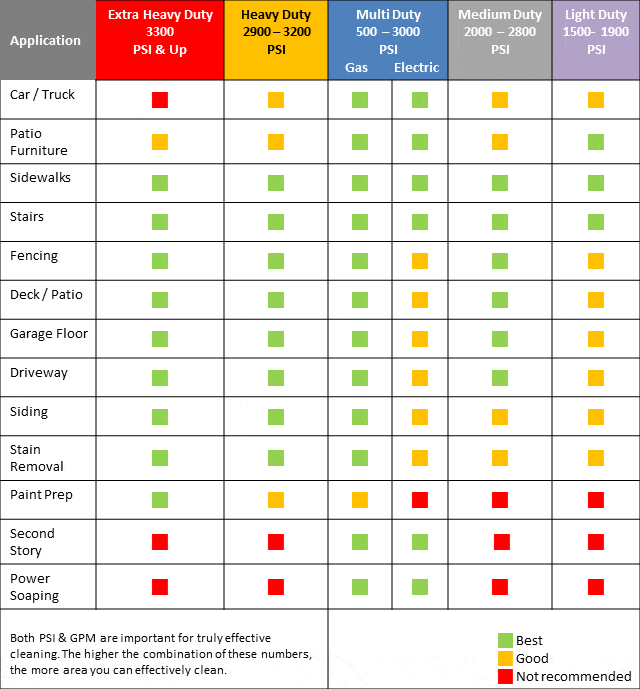
Credit: pressurewashr.com
Car Pressure Washer Basics
Using a pressure washer for your car can save time and effort. It helps remove dirt, grime, and mud quickly. But not all pressure washers are the same. Choosing the right pressure is key to protect your car’s paint and finish.
This section explains the basics of pressure levels. It covers what PSI means and why it matters for cars. Understanding these points helps you pick the right washer for safe cleaning.
What Psi Means
PSI stands for pounds per square inch. It measures the force of water coming out of the washer. Higher PSI means more pressure and stronger water flow.
Pressure washers have different PSI levels. Some are gentle, while others are very strong. Knowing PSI helps you choose a washer that cleans well without damage.
Why Psi Matters For Cars
Cars have delicate paint and surfaces. Too much pressure can cause scratches or chips. Too little pressure might not clean properly.
The right PSI cleans dirt without harming your car. It removes grime in hard-to-reach places. A balanced PSI keeps your car looking new and shiny.
Ideal Psi Range For Cars
Choosing the right PSI for a car pressure washer is important. The ideal pressure cleans effectively without damaging the paint or parts. Too much pressure can harm the vehicle’s surface. Too little pressure may not remove dirt properly. Finding the right balance ensures a clean car and safe washing.
Recommended Psi For Different Surfaces
Car surfaces need different pressure levels. For regular car paint, 1200 to 1900 PSI works well. This range removes dirt and grime without causing damage. Wheels and tires can handle higher pressure, around 2000 to 2500 PSI. Use caution around decals, windows, and lights, where pressure should stay below 1200 PSI. Soft surfaces like convertible tops require even lower pressure to avoid wear.
Low Psi Vs High Psi Effects
Low PSI cleans gently but may need more scrubbing. It prevents scratches and paint damage. High PSI cleans quickly and removes tough dirt. It can cause paint chips, swirl marks, or broken seals. High PSI may force water inside electrical parts. Choose lower PSI for delicate areas and higher for sturdy parts. Proper PSI use extends your car’s life and shine.
Choosing The Right Pressure Washer
Choosing the right pressure washer is essential for cleaning your car safely and effectively. The right pressure washer provides enough power to remove dirt without damaging the paint. It also makes the cleaning process faster and easier. Understanding different types and key features will help you select the best option.
Types Of Pressure Washers
Pressure washers come in electric and gas models. Electric washers are lighter and quieter. They work well for small to medium jobs like car cleaning. Gas washers are more powerful and suitable for heavy-duty cleaning. They offer higher PSI but can be harder to control on delicate surfaces.
Another type is cordless pressure washers. These offer portability and ease of use but have lower power. Choose the type based on your cleaning needs and where you will use it.
Key Features To Look For
PSI (pounds per square inch) shows the pressure power. For car cleaning, 1200 to 1900 PSI is ideal. Too much pressure can harm your car’s paint. GPM (gallons per minute) indicates water flow. Higher GPM means faster cleaning.
Look for adjustable nozzles. They let you control the spray angle and pressure. A long hose helps reach all parts of the car easily. Lightweight models reduce fatigue during use. Safety features like automatic shut-off protect the machine and user.

Credit: www.youtube.com
Tips For Safe Cleaning
Cleaning with a car pressure washer needs care and attention. Unsafe use can damage your car or cause injury. Follow these tips to keep cleaning safe and effective. Small steps make a big difference.
Proper Distance And Angle
Hold the nozzle about 12 to 18 inches from the car surface. Too close can harm paint or parts. Too far reduces cleaning power. Keep the spray at a 45-degree angle. This helps remove dirt without damage. Move the nozzle steadily and do not stay in one spot.
Using The Correct Nozzle
Choose the right nozzle for car cleaning. A 25-degree or 40-degree nozzle works well for gentle cleaning. Avoid narrow, high-pressure nozzles like 0-degree ones. They can scratch or chip paint. Use a soap nozzle to apply cleaning solution. Always test the nozzle on a small area first.
Common Mistakes To Avoid
Using the right pressure for your car pressure washer is important. Many people make mistakes that can damage their car or the washer. Avoiding these errors helps keep your car safe and your washer working well.
Overusing High Pressure
Too much pressure can harm your car’s paint and windows. High pressure strips away wax and can cause scratches. Use the lowest pressure that cleans well. This keeps your car looking good longer. High pressure also wears out the washer faster. Save strong pressure for tough dirt only.
Ignoring Manufacturer Guidelines
Every pressure washer has rules from the maker. These rules explain the best pressure for use. Ignoring these can cause machine damage or poor cleaning. Follow the guidelines closely for safety and good results. Check the manual before every use. This helps avoid costly repairs or accidents.
Maintenance For Pressure Washers
Proper maintenance keeps your pressure washer running well and lasts longer. It prevents damage and saves repair costs. Simple care routines improve its performance every time you use it.
Regular Cleaning And Storage
Clean the pressure washer after each use. Remove dirt from the nozzle and hose. Flush the system with clean water to clear any debris. Dry all parts completely before storing.
Store the machine in a dry, cool place. Avoid freezing temperatures to protect the pump. Keep it covered to prevent dust build-up. Proper storage stops rust and extends machine life.
Troubleshooting Common Issues
Check for leaks in hoses and connections. Replace any cracked or worn parts. If pressure drops, clean or replace the nozzle. Ensure water supply is steady and filters are clean.
Listen for strange noises from the motor. This may signal a clog or worn pump. Tighten loose fittings and check oil levels. Routine checks catch problems before they grow.

Credit: pbcpressurecleaning.com
Frequently Asked Questions
What Is The Ideal Psi For Car Pressure Washers?
The ideal PSI for car pressure washers ranges between 1200 and 1900. This range cleans effectively without damaging the paint or surface of the car.
Can High Psi Damage My Car’s Paint?
Yes, high PSI above 2000 can strip paint and cause damage. Always use moderate pressure for safe and efficient cleaning.
How Does Psi Affect Car Washing Efficiency?
Higher PSI improves cleaning power but risks damage. Lower PSI is safer but may need more time or detergent.
What Psi Do Professionals Use For Car Washing?
Professionals typically use pressure washers with 1200 to 1900 PSI. This balance ensures thorough cleaning without paint damage.
Conclusion
Choosing the right PSI for your car pressure washer matters a lot. Too high pressure can damage your car’s paint. Too low pressure might not clean well. Most cars do well with 1200 to 1900 PSI. Always check your car’s cleaning needs first.
Use the proper nozzle for best results. Regular cleaning keeps your car looking fresh. Safe pressure and careful use make washing easy. Keep these tips in mind to protect your car. Clean smart, clean safe, and enjoy a shiny ride.