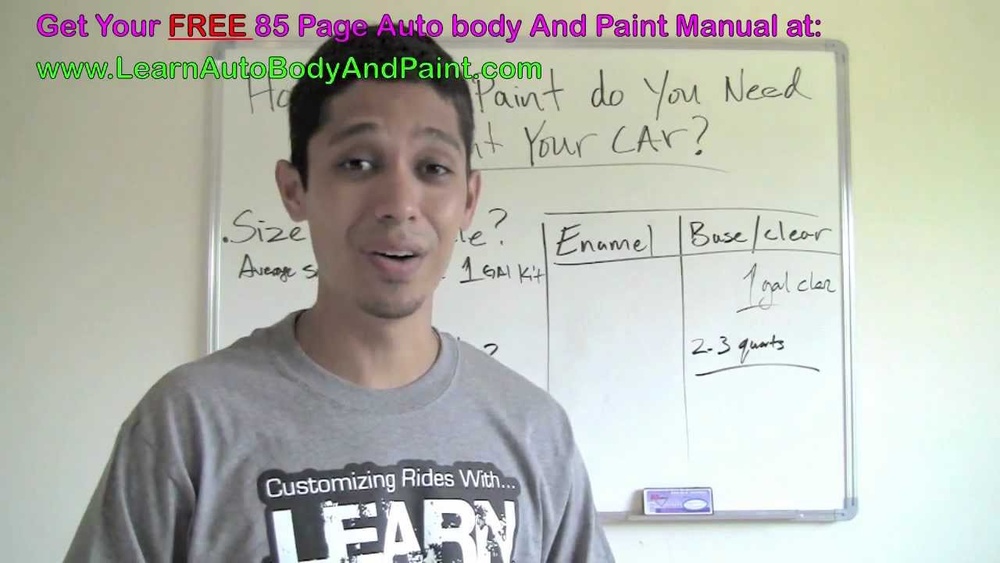
Thinking about giving your car a fresh new look? One of the first questions you might have is, “How many quarts of paint do I actually need to cover my car?” Getting the right amount is key—you don’t want to run out halfway through or end up with too much leftover paint.
In this guide, you’ll discover simple tips to calculate the exact amount, save money, and make your painting project smooth and stress-free. Keep reading, and you’ll be ready to transform your car with confidence.

Credit: www.eastwood.com
Factors Affecting Paint Quantity
Estimating how much paint you need for a car depends on several key factors. These factors help determine the total amount of paint required for a smooth and even finish. Understanding them can prevent buying too much or too little paint. Let’s explore the main elements that affect paint quantity.
Car Size And Type
The size of the car plays a big role in paint quantity. Larger vehicles like trucks or SUVs need more paint than small cars. The shape and design also affect how much paint covers the surface. Curved or detailed areas require extra paint for full coverage.
Number Of Coats Needed
The number of paint layers changes the total paint amount. Most cars need at least two coats for a good finish. Some colors or finishes may require additional coats. More coats mean more paint, so plan accordingly.
Paint Type And Coverage
Different paint types cover surfaces differently. Some paints spread well and cover more area with less paint. Others need more paint for full coverage. Check the paint label for coverage information to estimate the right amount.
Surface Condition And Preparation
The car’s surface condition affects paint absorption. Rough or damaged surfaces absorb more paint. Proper preparation like sanding and priming helps reduce paint use. Well-prepared surfaces need less paint for a smooth finish.

Credit: www.reddit.com
Calculating Paint Needed
Calculating the amount of paint needed for a car is key to a smooth painting job. Getting the right quantity helps avoid waste and saves money. The process starts with measuring the car’s surface. Then, estimate how much paint covers a certain area. Finally, adjust for extra layers like primer and clear coat.
Measuring Car Surface Area
Start by measuring the length and height of each car panel. Doors, hood, roof, and trunk all add to the total surface. Multiply length by height to find the area of each part. Add these areas together to get the total surface area. Write down the number in square feet or square meters.
Estimating Coverage Per Quart
Check the paint can label for coverage details. Most car paints cover about 100 to 150 square feet per quart. Use the total surface area and divide by coverage per quart. This gives an estimate of how many quarts to buy. Always round up to avoid running out of paint mid-job.
Adjusting For Primer And Clear Coat
Primer and clear coat add extra layers to the paint job. Each layer needs its own amount of paint. Usually, primer covers as much as the paint. Clear coat coverage is similar but depends on the product. Multiply your paint estimate by three to cover base, primer, and clear coat. This ensures enough paint for all layers.
Types Of Paint For Cars
Choosing the right paint for your car is important for a good finish and durability. Different paints offer different looks and protection. Understanding the types helps you pick the best option for your car project.
Acrylic Enamel
Acrylic enamel paint is one of the oldest types used on cars. It dries hard and shiny with a single coat. This paint is affordable and easy to apply. It is less flexible and may crack over time. Acrylic enamel works well for simple paint jobs and small repairs.
Urethane Paint
Urethane paint is strong and long-lasting. It resists chips and fading better than acrylic enamel. This paint needs a clear coat to protect its shine. Urethane paint is common in professional auto shops. It requires careful mixing and safety gear during application.
Basecoat And Clearcoat Systems
The basecoat and clearcoat system offers a high-quality finish. The basecoat gives the car its color. The clearcoat adds shine and protects the basecoat from damage. This system creates a deep, glossy look. It is the most popular choice for new cars and restorations.
Tools And Supplies Required
Painting a car needs specific tools and supplies. These help you get a smooth, even finish. The right gear also keeps you safe during the job. Below, we cover the main items you need.
Spray Gun And Equipment
A spray gun is the key tool for painting a car. It sprays paint in a fine mist for smooth coverage. Choose a gun that fits your paint type and size of the car. You will also need an air compressor to power the spray gun. Hoses and connectors link the compressor to the gun. Proper spray equipment makes painting faster and cleaner.
Protective Gear
Safety is important during car painting. Wear a mask or respirator to avoid breathing paint fumes. Gloves protect your hands from chemicals and paint. Safety goggles shield your eyes from splashes. Coveralls or old clothes keep your body clean. Proper gear keeps you safe and comfortable.
Mixing And Thinning Supplies
Paint often needs mixing before use. Use a clean container and stir sticks to mix paint well. Thinners or reducers adjust paint consistency for the spray gun. Measure thinners carefully according to paint instructions. Proper mixing and thinning ensure smooth paint flow and a better finish.
Tips To Avoid Paint Waste
Paint waste can cost extra money and create a mess. Saving paint helps keep the project clean and affordable. Small changes make a big difference in how much paint you use.
Focus on careful steps to avoid wasting paint. This ensures every drop counts and your car looks great.
Proper Mixing Techniques
Mix paint slowly and evenly for the best results. Stir gently to avoid bubbles and clumps. Use a clean stick or tool to blend the paint well. Proper mixing stops uneven color and reduces waste from bad paint.
Accurate Measurement
Measure paint before you start painting. Use a measuring cup or container for exact amounts. Avoid guessing the paint needed for your car. Correct measurement means no extra paint sits unused.
Efficient Application Methods
Apply paint in thin, even layers for better coverage. Use the right spray gun or brush size to control paint flow. Paint only the areas that need it to save paint. Slow and steady strokes help prevent runs and drips.

Credit: www.eastwood.com
Common Mistakes To Avoid
Painting a car requires careful planning, especially about how much paint to buy. Many people make common mistakes that lead to wasted paint or poor results. Avoiding these errors can save money and time. It also helps ensure a smooth, even finish on your car.
Underestimating Paint Amount
Many assume less paint is enough for the job. This often causes the paint to run out mid-project. Car surfaces need more paint than flat walls. Always buy extra paint to cover all areas well. Running short means stopping and buying more later. That can cause color mismatch and uneven coats.
Ignoring Surface Prep
Some skip or rush the prep work before painting. Dirt, rust, or grease on the car surface prevents paint from sticking. Paint peels off or looks rough if the surface is not clean. Sanding and cleaning the surface first improves paint adhesion. Proper prep takes time but creates a smooth base for paint.
Skipping Test Sprays
Test sprays help check paint color and spray pattern. Skipping this step risks uneven or wrong color coverage. Test sprays show if the paint needs thinning or adjusting. Spray on a small panel or cardboard before painting the car. This saves paint and ensures better final results.
Frequently Asked Questions
How Many Quarts Of Paint For A Full Car Paint Job?
Typically, a full car paint job requires about 4 to 6 quarts of paint. This amount covers the entire exterior, including multiple coats for proper coverage and finishing.
Does Car Size Affect Paint Quantity Needed?
Yes, larger cars need more paint. Compact cars may need around 4 quarts, while SUVs and trucks can require 6 or more quarts for complete coverage.
How Many Coats Of Paint Are Recommended For Cars?
Usually, 2 to 3 coats of paint are recommended. This ensures even color coverage, durability, and a smooth finish on the car’s surface.
Is Primer Included In The Paint Quart Estimate?
No, primer is separate. You typically need 1 to 2 quarts of primer, applied before painting, to help paint adhere and prevent rust.
Conclusion
Painting a car needs careful planning and the right amount of paint. Most cars require about 4 to 6 quarts of paint for full coverage. Keep extra paint for touch-ups and mistakes. Always check the car size and paint type before buying.
This helps avoid running out or wasting paint. Now, you can buy the correct paint amount with confidence. Ready to give your car a fresh, new look?