

Have you ever wondered how many sway bar links your car actually has? Understanding this simple part can make a big difference in how your vehicle handles on the road.
If you’re curious about your car’s stability and safety, knowing about sway bar links is a great place to start. Keep reading, and you’ll discover exactly what these links do, how many your car needs, and why they matter to you every time you drive.
Don’t miss out on this key piece of car knowledge that could improve your ride and give you peace of mind.
Sway Bar Link Basics
Sway bar links are small but vital parts of a car’s suspension system. They connect the sway bar to the vehicle’s suspension components. These links help keep the car stable during turns and reduce body roll. Knowing the basics about sway bar links helps understand their role and importance.
Each car usually has two or four sway bar links. The exact number depends on the car’s design and type of suspension. These links need to be strong and flexible to handle road bumps and sharp turns.
Purpose Of Sway Bar Links
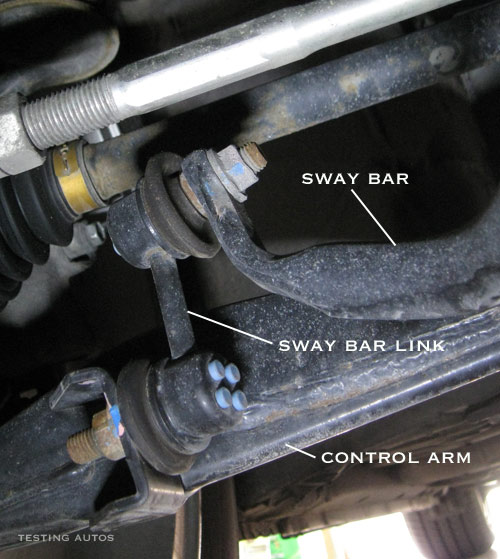
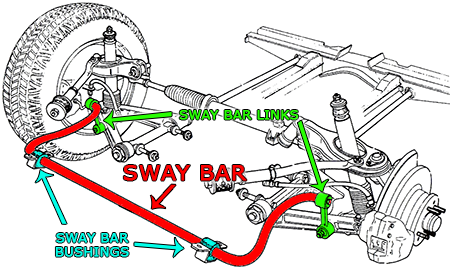
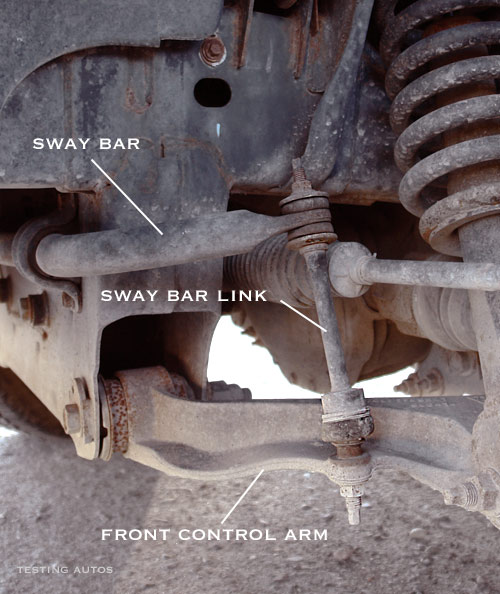
Sway bar links connect the sway bar to the suspension arms. They transfer force from one side of the car to the other. This action helps balance the car during cornering. Sway bar links reduce body lean and improve control. Without them, the car would feel unstable and unsafe on curves.
Types Of Sway Bar Links
There are several types of sway bar links. The most common are metal links with rubber bushings. These provide durability and some flexibility. Another type uses ball joints for smoother movement. Some links are adjustable to fine-tune the suspension. Choosing the right type depends on the car and driving style.
Credit: www.testingautos.com
Typical Number Of Sway Bar Links
Sway bar links play a key role in a car’s suspension system. They connect the sway bar to the suspension. This helps reduce body roll during turns. Knowing how many sway bar links a car has is useful for maintenance and repairs.
The number of sway bar links depends on the car’s design and suspension type. Most cars have a simple setup, but some have more complex systems. The typical number ranges from two to four links. This varies by vehicle model and type.
Standard Configurations
Most cars have two sway bar links per axle. One link connects on the left side, and the other on the right. This means a standard car usually has four sway bar links total. Two links are at the front axle, and two are at the rear axle.
Smaller cars and sedans often follow this simple layout. It provides good stability and smooth handling. The links work together to keep the car balanced during cornering. Proper function prevents excessive body lean and improves safety.
Variations By Vehicle Type
Some vehicles have different numbers of sway bar links. Trucks and SUVs may have heavier or more complex suspension systems. They might use additional or stronger sway bar links. This helps manage larger weight and rough terrain.
Sports cars may also have unique setups. They often use stiffer sway bars with performance links. This improves handling and cornering at high speeds. Off-road vehicles sometimes add extra links for durability and stability.
Identifying Sway Bar Links On Your Car
Identifying sway bar links on your car helps you understand its suspension system better. Sway bar links connect the sway bar to the suspension parts. They reduce body roll during turns and improve vehicle stability.
These small parts play a big role in safe driving. Knowing where to find them makes inspections and repairs easier. Most cars have sway bar links both at the front and rear.
Locating Front Sway Bar Links
Front sway bar links connect the sway bar to the front suspension arms. Usually, they sit near the wheels, close to the shock absorbers. You can spot them by looking under the front of your car. They appear as short rods with rubber bushings at both ends.
Front sway bar links move when the car turns. They are easy to find because they connect the metal bar to the suspension. Sometimes, dirt or rust can cover them, so cleaning may help in identification.
Locating Rear Sway Bar Links
Rear sway bar links attach the sway bar to the rear suspension parts. These are often found near the back wheels. Checking under the rear of the car shows these links as similar rods with bushings.
Rear sway bar links work like the front ones to reduce body roll. They may be harder to see due to the car’s design. Using a flashlight helps to spot them clearly under the car.
Signs Of Worn Or Broken Sway Bar Links
Sway bar links connect the sway bar to the suspension. They help keep the car stable during turns. Over time, these links can wear out or break. Recognizing the signs early can prevent bigger problems. Worn or broken sway bar links affect driving safety and comfort.
Common Symptoms
You might hear clunking noises from the suspension area. The car may feel loose or sway more in corners. Steering response can become less sharp. Uneven tire wear might occur. These signs point to possible sway bar link issues.
Safety Implications
Faulty sway bar links reduce vehicle stability. The car can roll more during sharp turns. This increases the risk of losing control. Braking performance may also be affected. Addressing these issues keeps you and others safe on the road.
Replacing Sway Bar Links
Replacing sway bar links keeps your car stable on the road. These small parts connect the sway bar to the suspension. Over time, sway bar links wear out or break. This can cause noise and poor handling. Knowing when and how to replace them helps keep your car safe and smooth.
When To Replace
Listen for clunking sounds from the wheels during turns. Feel if the car sways more than usual on curves. Check for visible damage or rust on the links. Loose or broken links need quick replacement. Worn bushings or joints reduce control and safety. Replace sway bar links every 50,000 to 100,000 miles as a rule.
Diy Vs Professional Service
Replacing sway bar links is possible at home with basic tools. You need a jack, wrenches, and possibly a breaker bar. Follow safety steps to lift and support your car properly. Tighten new links to the correct torque. A professional mechanic can do the job faster and ensure proper installation. Choose professional help if unsure or if your car has complex suspension.
Credit: gdstauto.com
Upgrading Sway Bar Links
Upgrading sway bar links improves a car’s handling and stability. These small parts connect the sway bar to the suspension. Over time, stock sway bar links can wear out or feel weak. Upgrading them boosts the car’s cornering and reduces body roll. This upgrade suits drivers who want better control on roads or tracks. Choosing good sway bar links makes a clear difference in driving experience.
Performance Benefits
Upgraded sway bar links provide stiffer and stronger connections. This means less sway when turning corners. The car feels more stable and responsive. They help keep tires on the road during sharp turns. Drivers notice better grip and safer handling. Upgrades also reduce noise and wear in the suspension. This leads to a smoother and more controlled ride.
Choosing The Right Upgrades
Select sway bar links that match your car’s make and model. Look for durable materials like steel or aluminum. Check if the links come with bushings to reduce noise. Adjustable links offer tuning options for different driving styles. Avoid cheap parts that wear out quickly. Quality upgrades last longer and improve safety. Always follow manufacturer recommendations for best results.
Credit: www.testingautos.com
Frequently Asked Questions
How Many Sway Bar Links Does A Typical Car Have?
Most cars have two sway bar links, one on each side of the sway bar. These links connect the sway bar to the suspension. They help stabilize the vehicle during turns and reduce body roll.
What Is The Function Of Sway Bar Links In A Car?
Sway bar links connect the sway bar to the suspension components. They transfer forces to reduce body roll during cornering. This improves vehicle stability and handling.
Can A Car Run With A Broken Sway Bar Link?
A car can run with a broken sway bar link but handling will suffer. You may experience increased body roll and reduced stability. It’s best to repair or replace broken links promptly.
Are Sway Bar Links Easy To Replace On A Car?
Yes, sway bar links are generally easy to replace. They are accessible near the suspension and require basic hand tools. Replacement improves ride quality and vehicle safety.
Conclusion
A car usually has two sway bar links, one on each side. These links connect the sway bar to the suspension. They help keep the car stable during turns. Worn or broken links can cause noise and poor handling. Checking them regularly keeps your drive smooth and safe.
Knowing their number helps with maintenance and repairs. Simple but important parts of your car’s suspension system. Keep an eye on them for better control on the road.


