
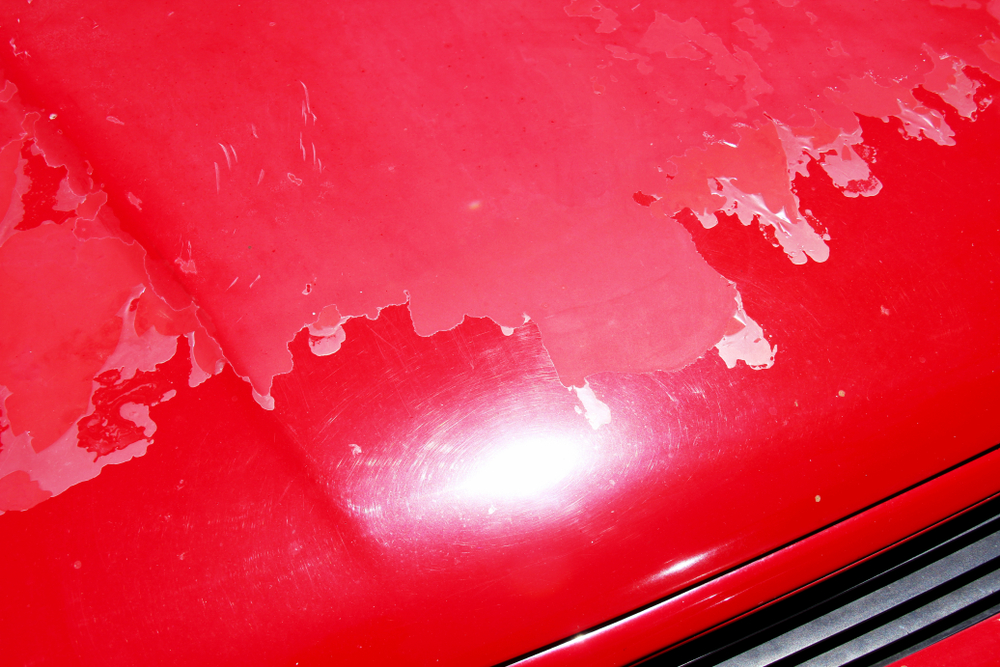
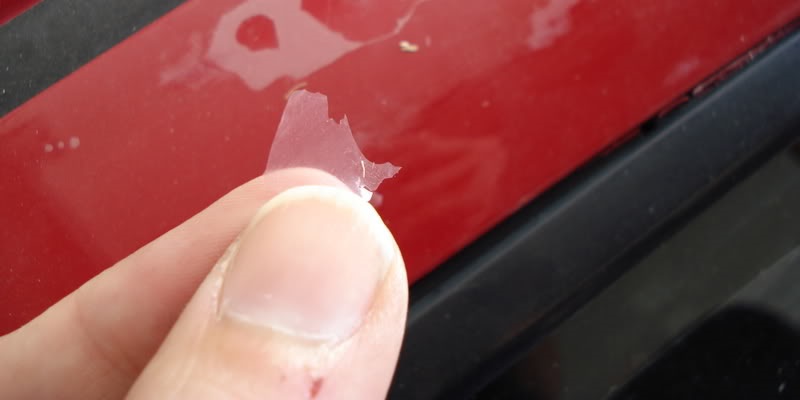
Is your car’s paint starting to flake and peel? It’s frustrating to see your vehicle lose its shine and look worn out.
You might be wondering how to stop car paint from flaking before it gets worse. The good news is, with the right steps, you can protect your car’s finish and keep it looking fresh for years. You’ll discover simple and effective ways to prevent paint damage, so you don’t have to worry about costly repairs or a faded appearance.
Keep reading to learn how to take control and restore your car’s beauty.

Credit: www.youtube.com
Causes Of Paint Flaking
Paint flaking on cars happens for many reasons. Understanding these causes helps protect your vehicle’s look. Paint does not flake without a cause. It usually starts with damage or poor care. Knowing what leads to flaking can help you stop it early.
Environmental Factors
Sunlight can break down paint over time. Heat makes paint dry and crack. Rain and snow add moisture that seeps under paint. Salt from roads or sea speeds up damage. Dirt and debris hit the car and wear paint away. These outside forces slowly cause paint to peel off.
Poor Surface Preparation
Paint needs a clean, smooth surface to stick well. Dirt, grease, or old paint left on the car causes weak bonds. Skipping sanding or priming makes paint peel fast. Paint on rusty or wet surfaces will flake soon. Proper cleaning and prep is key before painting.
Low-quality Paint
Cheap paint often lacks strong adhesives and protection. It fades quickly under sun and rain. Poor paint may not cover well or dry evenly. These paints chip and flake much faster than good quality ones. Using high-quality paint increases durability and shine.
Aging And Wear
All paint fades and weakens over years. Normal use causes small scratches that grow bigger. Washing and waxing too hard can wear paint thin. Exposure to chemicals and pollution also breaks paint down. Old paint loses its grip and starts to peel off.
Preventive Measures
Preventing car paint from flaking starts with good habits. Taking care of the paint job early avoids costly repairs later. Focus on strong preparation and smart choices. These steps keep the paint smooth and long-lasting.
Proper Surface Cleaning
Clean the car surface thoroughly before painting. Dirt, oil, and dust stop paint from sticking well. Use a gentle soap and water first. Then wipe with a cleaner that removes grease. Let the surface dry completely before painting.
Using Primer Correctly
Primer helps the paint stick to the car better. It also protects the metal from rust and damage. Apply a thin, even layer of primer on the clean surface. Wait for it to dry fully before adding paint. Avoid thick coats that can peel later.
Choosing Durable Paint
Pick paint made for cars and outdoor use. High-quality paint resists fading and cracking. Check for paints with good UV protection. These last longer in the sun and rain. Avoid cheap paints that wear out fast.
Applying Paint In Ideal Conditions
Paint your car in dry, mild weather. Avoid painting in very hot or cold temperatures. Humidity can cause paint to bubble or peel. Work in a well-ventilated, dust-free space. This helps the paint dry evenly and stick well.
Repairing Flaking Paint
Repairing flaking car paint can save your vehicle’s look and value. It stops damage from spreading. The process takes care and patience. Follow these steps to fix flaking paint properly.
Assessing Damage Extent
Check the flaking area carefully. Look for deep cracks or bare metal spots. Small flakes might only need light work. Large patches or rust require more effort. Decide if the damage is shallow or deep. This helps choose the right repair method.
Sanding And Surface Prep
Use fine sandpaper to smooth the flaking paint edges. Sand gently to avoid scratching the metal. Remove all loose paint flakes. Clean the area with a cloth and solvent. This removes dust and grease. Proper prep ensures paint sticks well.
Repainting Techniques
Apply a primer first to protect the metal. Let it dry fully before painting. Use thin, even paint coats. Avoid thick layers to prevent runs. Allow each coat to dry before adding another. Match your car’s paint color closely for best results.
Sealing And Protecting
Finish with a clear coat to seal the paint. This adds shine and extra protection. Let the clear coat dry completely. Wax your car regularly after repair. It helps keep paint smooth and strong for longer.
Maintaining Car Paint Shine
Maintaining your car’s paint shine is key to preventing flaking. A bright, smooth surface resists damage better. It also keeps your car looking fresh and new for longer. Simple care steps can make a big difference in paint health.
Regular Washing Tips
Wash your car often to remove dirt and dust. Use a soft sponge or microfiber cloth. Avoid scrubbing hard, which can scratch the paint. Choose a gentle car shampoo made for vehicle paint. Rinse thoroughly to remove all soap. Dry the car with a clean, soft towel to avoid water spots.
Waxing And Polishing
Apply wax every few months to protect paint from sun and rain. Wax forms a shield that keeps moisture away. Polishing removes small scratches and evens out the paint surface. Use a polish that matches your car’s paint type. Follow product instructions carefully for best results.
Avoiding Harsh Chemicals
Do not use household cleaners on your car paint. Many contain chemicals that strip wax and damage the clear coat. Stick to products made specifically for cars. Avoid strong solvents, bleach, and ammonia-based cleaners. These can cause paint to fade or peel.
Parking In Shade
Park your car in shaded areas whenever possible. Sun exposure fades and weakens paint over time. Shade protects paint from UV rays and heat damage. If shade is not available, use a car cover. This helps keep your paint cool and safe.
Professional Help And Tools
Professional help can make a big difference in stopping car paint from flaking. Experts have the skills and tools needed to fix paint problems properly. Using the right tools also helps protect your car’s look and value. Sometimes, DIY methods are not enough. Knowing when to call a professional saves time and avoids more damage.
When To Consult Experts
Consult experts if the paint damage is wide or deep. Large flakes or cracks may need special repair techniques. Experts can check if rust has started under the paint. They use tests to find the real cause of flaking. If you notice paint peeling fast, get professional advice quickly. Small scratches are easy to fix but big flaking needs skill.
Recommended Tools And Products
Professionals use tools like sanding blocks, paint sprayers, and polishers. These tools help remove old paint and prepare surfaces well. High-quality primers and paints prevent future flaking. Clear coats add protection against sun and water damage. Using good products makes the paint last longer. Avoid cheap sprays or brushes that can worsen flaking.
Cost Considerations
Professional paint repair costs depend on damage size and car type. Small repairs may cost less, but full repainting can be expensive. Getting quotes from different shops helps find fair prices. Remember, good work saves money in the long run. Cheap fixes may need redoing soon, costing more later. Invest wisely to keep your car looking good.
Credit: www.mavenmotors.com
Credit: detailxperts.com
Frequently Asked Questions
What Causes Car Paint To Start Flaking?
Car paint flakes due to poor surface preparation, exposure to harsh weather, or low-quality paint. UV rays and moisture also weaken the paint, causing it to peel over time.
How Can I Prevent Car Paint From Flaking?
Regular washing, waxing, and using a paint sealant protect the surface. Avoid harsh chemicals and park in shaded areas to reduce paint damage from sunlight.
Is Diy Paint Repair Effective For Flaking Issues?
Minor flaking can be fixed with DIY kits, but severe damage requires professional repair for a lasting finish and to avoid further peeling.
How Often Should I Wax My Car To Protect Paint?
Wax your car every 3 to 4 months. This adds a protective layer that helps prevent paint flaking and maintains a glossy finish.
Conclusion
Protecting your car’s paint takes regular care and attention. Clean your car often to remove dirt and grime. Use quality wax to shield the paint from sun and rain. Fix small chips quickly to stop peeling. Park in shaded or covered areas whenever possible.
These simple steps keep your car looking fresh and prevent paint flaking. A little effort saves you money on costly repairs later. Keep your car’s finish smooth and shiny for years to come. Your car deserves the best care every day.


