

Wondering how often you need to wax your car to keep it looking shiny and new? You’re not alone.
Waxing isn’t just about making your car gleam—it protects the paint from dirt, sun, and harsh weather. But waxing too much or too little can waste your time and money. You’ll discover the perfect waxing schedule tailored to your car’s needs.
Keep reading to find out how to get the most out of every wax and keep your ride turning heads wherever you go.

Credit: stonercarcare.com
Benefits Of Car Waxing
Waxing a car does more than just make it look nice. It helps protect the paint and keeps the car clean longer. Regular waxing keeps your car safe from damage and looking fresh. It is a simple step that gives many benefits for your vehicle.
Here are some key benefits of waxing your car regularly.
Enhancing Paint Protection
Car wax forms a thin layer over the paint. This layer protects the paint from sunlight, rain, and dust. It stops harmful UV rays from fading the color. Wax also shields the paint from small scratches and bird droppings. This helps keep the paint smooth and strong.
Improving Shine And Appearance
Wax makes the car’s surface shiny and bright. It smooths out small imperfections on the paint. This smoothness helps light reflect better. The car looks newer and cleaner after waxing. A shiny car always looks well cared for and attractive.
Repelling Dirt And Water
Wax causes water to bead and roll off the car. This stops water from sitting on the surface and causing spots. Dirt and mud also have a harder time sticking to a waxed car. This makes washing the car easier and less frequent. A waxed car stays cleaner for longer.
Factors Influencing Wax Frequency
Knowing how often to wax your car depends on several key factors. These factors affect how long the wax lasts and how well it protects your car’s paint. Understanding them helps you set the right waxing schedule. Below are the main points to think about.
Climate And Weather Conditions
Hot sun can break down wax faster. Cars in sunny places may need waxing more often. Rain and snow also wash away wax quickly. Areas with salty air or pollution can wear off wax faster too. Cold climates might let wax last longer. Check your local weather to decide your waxing needs.
Type Of Wax Used
Different waxes last different times. Natural carnauba wax gives a deep shine but fades faster. Synthetic waxes last longer and protect better. Some waxes are made for easy application but wear off sooner. Read product labels to learn about each wax’s durability. Choose wax that fits your protection needs and budget.
Car Usage And Storage
Cars used daily face more dirt and wear. This means more frequent waxing is needed. Cars stored in garages or covered last longer between waxes. Driving on rough or salty roads can strip wax faster. Washing your car often can also reduce wax life. Consider how you use and store your car for waxing frequency.
Recommended Waxing Intervals
Knowing how often to wax your car keeps its paint fresh and shiny. Wax protects your car’s surface from dirt, sun, and water. The right waxing schedule depends on your car’s use and environment. Here are common waxing intervals to consider.
Monthly Waxing
Waxing your car every month offers the best protection. It helps keep the paint glossy and clean. Frequent waxing is good for cars exposed to harsh weather. This schedule suits those who want to keep their car looking new.
Quarterly Waxing
Waxing every three months works well for many drivers. It balances protection and effort. This timing guards your car against moderate sun and rain. It also helps remove light dirt and grime from the paint.
Biannual Waxing
Waxing twice a year fits cars kept mostly indoors. This schedule still protects paint from dust and occasional rain. It suits drivers who do not use their cars daily. Biannual waxing keeps the car looking good with less work.

Credit: auto.howstuffworks.com
Signs Your Car Needs Waxing
Knowing when to wax your car is key to keeping its shine. Wax protects paint from sun, dirt, and rain. You can tell if your car needs waxing by checking a few signs. These signs show your car’s paint needs extra care to stay bright and smooth.
Dull Or Faded Paint
Look closely at your car’s paint. Does it seem less shiny than before? Dull paint means the wax layer is worn off. Without wax, sunlight and dirt can fade your car’s color. Wax adds a protective shine that keeps paint looking fresh. If your car looks tired, it needs waxing soon.
Water Spots And Streaks
Check your car after rain or washing. Do water spots or streaks stay on the surface? Wax helps water slide off easily. Without wax, water can leave marks that damage paint over time. Many spots or streaks show your wax has worn away. Wax your car to stop these marks.
Surface Roughness
Run your hand over your car’s paint. Does it feel rough instead of smooth? Wax fills small scratches and protects the surface. Roughness means the wax is gone and the paint is exposed. A smooth finish means wax is still working. Feel rough? Time for a new wax coat.
Choosing The Right Wax
Choosing the right wax for your car is important for the best protection and shine. Different waxes suit different needs and paint types. Knowing the options helps you keep your car looking great for longer.
Natural Vs Synthetic Waxes
Natural waxes come from plants, mainly carnauba. They give a deep shine and a warm glow. They last a few weeks and need more frequent application. Synthetic waxes are made in labs. They last longer, sometimes months. Synthetic waxes protect better against weather and dirt. Choose natural for a classic shine. Pick synthetic for longer protection.
Paste, Liquid, And Spray Options
Paste wax is thick and takes time to apply. It gives a strong, lasting layer of protection. Liquid wax spreads easily and dries faster. It works well for quick waxing jobs. Spray wax is the fastest and easiest to use. It gives a light shine and is good for touch-ups. Select paste for durability, liquid for ease, and spray for speed.
Wax For Different Paint Types
Cars have different paint finishes, like clear coat or single-stage paint. Clear coat paint needs gentle wax to avoid damage. Use wax made for clear coats to keep shine and protection. Single-stage paint can handle stronger waxes. Some waxes are designed for older or matte finishes. Read product labels to match your car’s paint type. Proper wax keeps paint healthy and bright.
Waxing Tips For Best Results
Waxing your car protects its paint and keeps it shiny longer. To get the best results, follow a few simple tips. These steps help the wax stick well and look smooth. Proper care before and after waxing makes a big difference.
Focus on preparing the surface, applying wax the right way, and polishing it well. Each step adds to the car’s glow and protection. Let’s explore these tips in detail.
Preparing Your Car Surface
Start with a clean car. Wash it thoroughly to remove dirt and dust. Dry the car completely with a soft cloth. Check for any spots with tar, bugs, or stains. Use a special cleaner if needed. Smooth surfaces help wax stick better and last longer.
Applying Wax Correctly
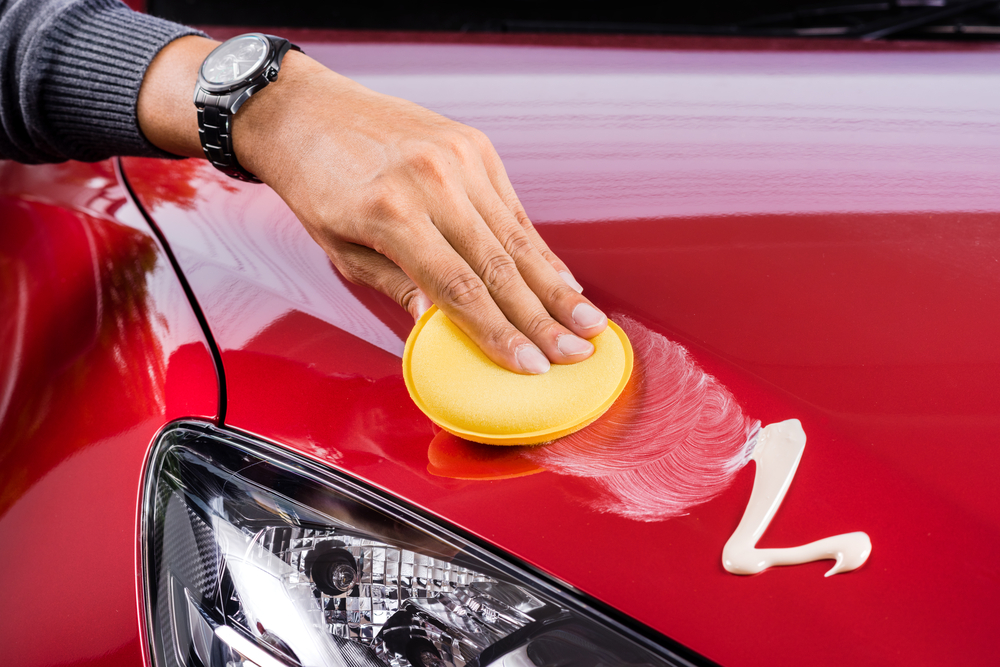
Use a small amount of wax on a soft applicator pad. Work in small sections to avoid drying out. Apply wax in circular motions for even coverage. Keep the wax layer thin to prevent streaks. Let the wax dry until it looks hazy before buffing.
Buffing And Polishing Techniques
Use a clean, soft microfiber cloth to buff the wax. Buff in gentle, circular motions to bring out the shine. Avoid pressing too hard to protect the paint. Change cloth sides often to avoid smearing. Polishing after waxing enhances the smooth, glossy finish.
Common Waxing Mistakes To Avoid
Waxing your car protects its paint and keeps it shiny. Avoid common mistakes to get the best results. Proper waxing saves time and effort. It also extends the life of your car’s finish.
Applying Wax In Direct Sunlight
Waxing under the hot sun causes the wax to dry too fast. This makes it hard to spread evenly. It can leave streaks and spots on your car. Always choose a shaded area or a cool time of day.
Using Too Much Or Too Little Wax
Using too much wax creates a thick layer that won’t dry well. It becomes difficult to buff off and wastes product. Too little wax won’t protect your car enough. Apply a thin, even coat for the best finish.
Neglecting Regular Maintenance
Skipping regular waxing reduces the protection on your car’s paint. Dirt and grime build up faster without a wax layer. Wax your car every few months to keep it safe. Regular care keeps the shine fresh and strong.
Alternative Paint Protection Methods
Waxing is a popular way to protect your car’s paint. But it is not the only choice. Alternative paint protection methods offer different benefits. Some last longer. Others cost less over time. Let’s explore some common options.
Sealants And Ceramic Coatings
Sealants are synthetic products that create a protective layer on your car’s paint. They last longer than wax and resist dirt and water. Ceramic coatings bond to the paint at a molecular level. This creates a strong shield against scratches and chemicals. Ceramic coatings can last for years with proper care.
Paint Protection Films
Paint protection films are clear layers applied to the car’s surface. They protect against chips, scratches, and stains. These films are almost invisible and do not change the car’s look. Professional installation is needed to ensure a smooth finish. Films can be replaced if damaged.
Comparing Longevity And Cost
Wax needs reapplying every few months. Sealants last about six months to a year. Ceramic coatings can protect for several years. Paint protection films last the longest but cost the most upfront. Consider how long you want the protection to last. Also think about your budget for maintenance and installation.
Credit: www.peoriavw.com
Frequently Asked Questions
How Often Should I Wax My Car For Best Protection?
You should wax your car every 3 to 4 months. This frequency maintains a strong protective layer. It shields paint from UV rays, dirt, and moisture. Regular waxing keeps your car looking shiny and new.
Does Climate Affect How Frequently To Wax A Car?
Yes, climate impacts waxing frequency. In harsh sun or heavy rain areas, wax every 2 to 3 months. In mild climates, waxing every 4 months is sufficient. Adjust waxing based on local weather for optimal paint protection.
Can I Wax My Car Too Often?
Waxing too often can cause buildup and dullness. Stick to every 3 to 4 months for best results. Over-waxing wastes product and time without extra benefits. Proper intervals keep paint healthy and glossy.
What Signs Show My Car Needs Waxing Again?
Fading shine, water not beading, or dull paint indicate waxing is needed. If dirt sticks easily, it’s time to reapply wax. These signs mean the protective layer has worn off.
Conclusion
Waxing your car regularly keeps its paint shiny and protected. Most people wax their car every three months. This helps stop dirt and sun damage. Some may wax more often in harsh weather. Others wax less if they use special paint protectors.
Watch your car’s surface for dullness or water spots. These signs mean it’s time to wax again. Keep a simple schedule that fits your car and climate. A well-waxed car looks nice and lasts longer. Take care of your car with regular waxing.


