
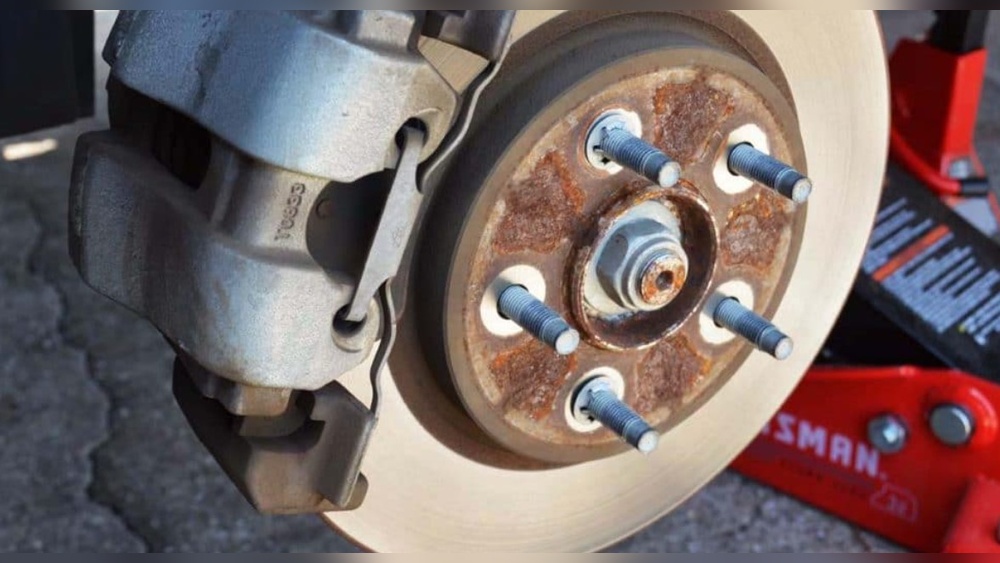
Are your brakes making strange noises or feeling less responsive? You might be wondering, “How much are brake rotors and pads going to cost me?” Knowing the price before you visit a mechanic can save you from surprises and help you make smarter decisions.
You’ll discover clear, straightforward answers about brake rotor and pad costs, so you can protect your car and your wallet. Keep reading to find out what affects the price and how to get the best value for your money.

Credit: shop.advanceautoparts.com
Brake Rotors Price Range
Brake rotors play a key role in vehicle safety and performance. Their price range varies widely due to several factors. Understanding these factors helps you choose the right rotors for your car and budget. Prices usually start from budget-friendly options and can go up to premium models. Knowing what affects costs can save money and ensure quality.
Factors Affecting Rotor Costs
Rotor costs depend on material, size, and design. Larger or thicker rotors cost more due to extra metal. Some rotors have special coatings to resist rust. These coatings add to the price but extend rotor life. Performance rotors with drilled or slotted designs usually cost more. Labor costs for installation may increase overall expenses too.
Types Of Brake Rotors
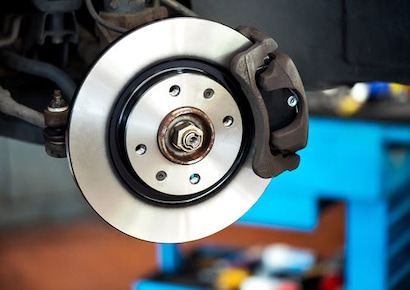
There are three main types of brake rotors: solid, vented, and drilled/slotted. Solid rotors are simple and cheapest. Vented rotors have air channels to cool faster, costing more. Drilled or slotted rotors improve grip and heat dissipation. They usually come with a higher price tag. Choosing the right type depends on driving style and car model.
Brand And Quality Impact
Well-known brands often charge more for reliability and warranty. Cheaper brands might save money but risk shorter lifespan. High-quality rotors offer better performance and durability. Investing in good brands can lower replacement frequency. Quality rotors also provide smoother braking and safety.
Credit: www.richmondfordlincoln.com
Brake Pads Price Range
The price of brake pads varies widely. Many factors influence the cost. Knowing these helps you choose the right pads for your vehicle and budget.
Material Differences
Brake pads come in several materials. Organic pads are the cheapest and quietest. They last shorter and wear faster. Semi-metallic pads cost more but offer better performance. Ceramic pads are the most expensive. They last long and create less dust. Each material suits different driving needs and budgets.
Cost Variations By Vehicle Type
Small cars usually need less expensive brake pads. Large cars and trucks require stronger, pricier pads. Luxury and performance vehicles often use high-end pads. These cost more due to quality and design. Vehicle size and type greatly affect brake pad prices.
Popular Brake Pad Brands
Well-known brands often charge more for quality assurance. Brands like Bosch, Brembo, and Akebono are popular. They offer reliable and durable brake pads. Budget brands exist but may wear faster. Choosing a trusted brand can save money over time.
Labor And Installation Fees
Labor and installation fees form a big part of the total cost for brake rotors and pads. These fees cover the work done by mechanics to remove old parts and fit new ones. Labor costs vary depending on the shop, vehicle type, and job difficulty. Understanding these fees helps you plan your budget better and avoid surprises at the repair shop.
Typical Labor Costs
Most shops charge between $80 and $150 per axle for brake rotor and pad installation. Some vehicles need more time and skill, which raises the cost. Luxury or performance cars often cost more to service. The job usually takes one to two hours for both rotors and pads. Labor prices differ by location and shop reputation as well.
Diy Vs Professional Installation
Installing brake rotors and pads yourself saves labor fees. You only pay for parts and tools. But the job needs some mechanical skill and safety knowledge. Mistakes could lead to poor braking or damage. Professionals have tools and experience to do the job right and fast. If unsure, paying for professional help is safer and more reliable.
Additional Charges To Expect
Extra fees may appear during brake replacement. These include shop supplies, disposal fees, and taxes. Some cars need brake fluid replacement or rotor resurfacing, adding to the cost. If other brake parts are worn, repairs increase too. Always ask for a detailed quote before work begins.
Signs You Need New Rotors Or Pads
Brake rotors and pads wear out over time. Knowing the signs can help avoid costly repairs. Early detection keeps your car safe and running smoothly. Watch for these clear signals your brakes need attention.
Common Brake Problems
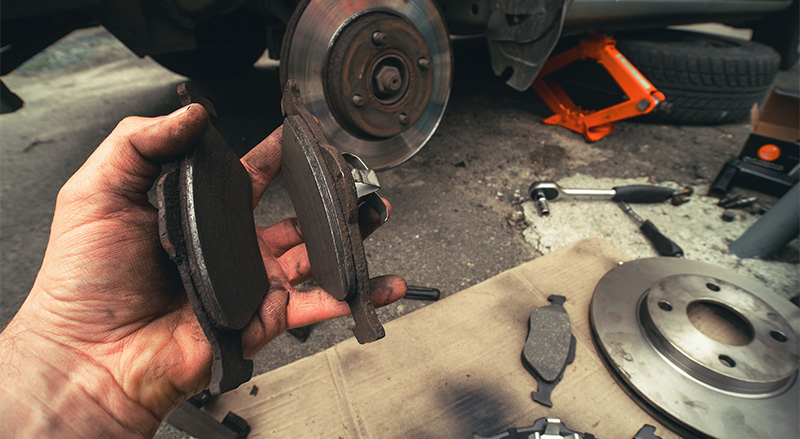
Squeaking or grinding noises mean worn pads. Vibrations when braking show rotor issues. Longer stopping distances warn of brake wear. A soft brake pedal can signal air or fluid problems. These signs need quick checks and possible replacement.
Performance Indicators
Reduced braking power means pads or rotors are failing. Uneven brake wear causes pulling to one side. Brake pulsation feels like a pulsing pedal. Heat damage can cause discoloration or warping. These affect how well your brakes work every day.
Safety Considerations
Failing brakes increase accident risk. Worn rotors and pads reduce control during stops. Proper brakes protect you and others on the road. Regular checks ensure your braking system stays reliable. Don’t ignore brake problems for your safety.
Saving Tips On Brake Repairs
Brake repairs can be costly, but smart choices can save money. Knowing where and when to buy parts helps reduce expenses. Taking advantage of warranties and discounts lowers repair bills further. These simple tips make brake maintenance more affordable.
Where To Buy Affordable Parts
Buying brake rotors and pads from trusted online stores cuts prices. Auto parts chains offer deals and variety. Local junkyards or salvage yards sometimes have quality used parts. Compare prices before buying. Cheaper parts can still work well.
Timing Your Replacement
Replacing brake parts early prevents damage to other components. Avoid waiting until brakes fail completely. Plan replacements during regular maintenance checks. Seasonal sales can offer lower prices. Early action saves costly repairs later.
Warranty And Discounts
Many brake parts come with warranties that cover defects. Use these warranties to avoid extra costs. Ask mechanics about discounts on labor or parts. Some stores offer loyalty programs for savings. Always check for coupons before purchase.
Comparing Oem And Aftermarket Parts
Comparing OEM and aftermarket brake rotors and pads helps you choose the right parts. Both types serve the same basic function but differ in cost, quality, and performance. Understanding these differences saves money and ensures safety.
Cost Differences
OEM parts usually cost more than aftermarket options. They come straight from the vehicle manufacturer. Aftermarket parts are made by other companies and can be cheaper. Price varies depending on brand and quality. Budget can guide your choice.
Performance And Durability
OEM parts often match original vehicle specs. They provide reliable performance and last longer. Aftermarket parts vary widely in quality. Some may match OEM standards, but others wear out faster. Check reviews and warranty for better options.
Which Option Suits Your Needs
Choose OEM for guaranteed fit and trusted quality. It suits those who want peace of mind. Aftermarket parts suit people on a tight budget or with older cars. Assess your driving habits and vehicle condition before deciding.
Regional Price Variations
Brake rotor and pad prices differ by region. Several factors cause these variations. Understanding regional price changes helps plan your budget better. It also guides you on where to find fair prices.
Urban Vs Rural Costs
Urban areas often have higher prices for brake parts. More demand and higher rent raise shop costs. Rural areas usually offer lower prices. Less competition and cheaper overhead affect costs. Travel expenses can increase rural repair prices too.
Impact Of Local Regulations
Local laws affect brake rotor and pad costs. Some places require eco-friendly or specific parts. These parts may cost more than standard ones. Safety inspections also influence repair expenses. Areas with strict rules often have higher service fees.
How To Find Best Local Deals
Compare prices at different shops nearby. Call or visit multiple stores for quotes. Check online reviews to find trusted mechanics. Look for seasonal discounts or promotions. Ask about warranty and service guarantees too.
Credit: blog.napacanada.com
Frequently Asked Questions
How Much Do Brake Rotors Cost On Average?
Brake rotors typically cost between $30 and $75 each. Prices vary based on vehicle type, rotor quality, and brand. High-performance or specialty rotors can cost more. Labor charges for installation are extra and vary by location and service center.
What Is The Average Price For Brake Pads Replacement?
Brake pads replacement generally costs between $50 and $150 for parts. Labor fees usually add $80 to $120, depending on the mechanic and vehicle. Premium pads or ceramic types tend to be more expensive than standard ones.
Are Oem Or Aftermarket Brake Parts More Expensive?
OEM brake parts usually cost more than aftermarket alternatives. OEM parts guarantee exact fit and quality. Aftermarket parts vary widely in price and quality but often provide cost savings. The choice depends on budget and vehicle requirements.
How Often Should Brake Rotors And Pads Be Replaced?
Brake pads typically need replacement every 30,000 to 70,000 miles. Rotors last longer but may require replacement every 50,000 to 70,000 miles. Regular inspections help prevent costly damage and ensure vehicle safety.
Conclusion
Brake rotors and pads prices vary by car type and quality. Choosing the right parts helps your car stop safely and last longer. Regular checks can prevent costly repairs later on. Budget wisely for both parts and labor costs. Staying informed keeps your vehicle in good shape.
Simple care makes a big difference on the road.
