

Are your brakes making noise or not stopping as smoothly as before? If you’ve been wondering, “How much are front brake pads and rotors?” you’re not alone.
Knowing the cost ahead of time can save you from surprise bills and help you decide the best time to replace them. You’ll discover clear, straightforward answers about pricing, what affects the cost, and how to get the best value for your money.
Keep reading to protect your safety and your wallet.
Front Brake Pads Cost
Front brake pads are a key part of your car’s safety system. Knowing their cost helps you plan for maintenance. Prices vary based on many things. Understanding these can save money and avoid surprises.
Factors Influencing Pad Prices
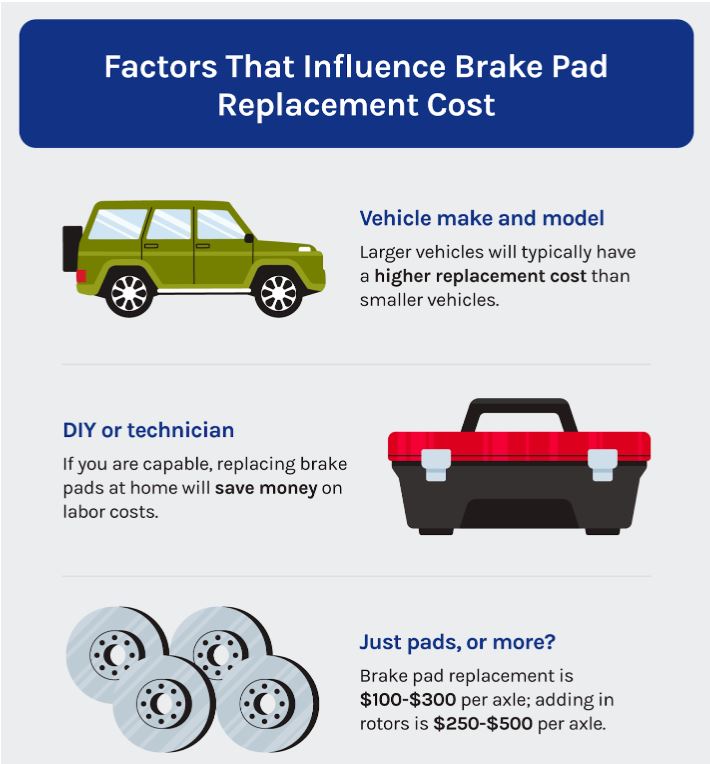
Brand name affects price. Some brands cost more due to quality or reputation. The material of the pad also changes the cost. Performance pads usually cost more than standard ones. Vehicle type matters too. Larger or luxury cars often need pricier pads. Where you buy the pads plays a role. Online stores might offer better deals than local shops. Installation fees add to the total cost if you don’t replace them yourself.
Types Of Brake Pads
There are three main types: organic, semi-metallic, and ceramic. Organic pads are soft and quiet but wear out faster. Semi-metallic pads last longer and cool better but can be noisy. Ceramic pads offer the best performance and low dust but cost the most. Choose based on driving style, car type, and budget.
Average Price Range
Basic front brake pads usually cost between $30 and $70. Mid-range pads fall between $70 and $120. High-performance or ceramic pads can cost $120 or more. Remember, prices vary by car and region. Factor in installation costs if not doing it yourself. Regular checks help avoid costly repairs later.
Front Brake Rotors Cost
Front brake rotors are key for safe driving and smooth stops. Their cost can vary based on several factors. Knowing these factors helps you plan your car maintenance budget.
Rotor Material Options
Rotors come in different materials. The most common are cast iron, which is affordable and durable. Some rotors are made from steel or carbon composites. These materials can improve performance but cost more.
Price Variations By Vehicle Type
Prices change with the type of vehicle. Small cars usually have cheaper rotors. Larger vehicles, like trucks and SUVs, need bigger, stronger rotors. These cost more due to size and material strength.
Average Rotor Costs
The average cost for front brake rotors ranges from $30 to $150 each. Basic models fall on the lower end. Premium or specialty rotors can reach higher prices. Labor costs for installation add to the total expense.
Labor And Installation Fees
Labor and installation fees play a key role in the total cost of front brake pads and rotors. These fees cover the work mechanics do to replace your brake parts safely. Understanding these costs helps you budget better for car maintenance.
Typical Service Charges
Most shops charge between $80 and $150 for labor. The exact price depends on your car model and shop location. Some cars need more time, raising labor costs. Labor usually includes removing old parts and installing new ones.
Diy Vs Professional Installation
Doing the job yourself saves labor fees but needs tools and skills. Mistakes can cause safety problems or more damage. Professionals have experience and equipment for quick, safe installation. Choose DIY only if confident in your skills.
Impact On Total Cost
Labor fees often equal or exceed parts cost. Ignoring labor can lead to surprise expenses. A full quote includes parts and labor, giving a clear budget picture. Balancing cost and safety matters most for brake repairs.
Signs You Need Replacement
Knowing the signs of worn brake pads and damaged rotors helps keep your car safe. Ignoring these signs can lead to costly repairs or accidents. Watch for clear signals that show it is time to replace these parts.
Brake Pad Wear Indicators
Brake pads have special indicators that make noise when pads are thin. A high-pitched squealing sound means the pads need replacing soon. If the noise lasts longer, the pads may wear out completely. You might also feel the brakes grabbing or pulsing. This means uneven pad wear or damage. Checking the thickness of brake pads regularly keeps you ahead of problems.
Rotor Damage Symptoms
Rotors show damage through visible signs and driving feel. Deep grooves or cracks on the rotor surface mean it needs replacement. If you feel vibration or shaking when braking, rotors might be warped. A burning smell after heavy braking suggests overheated rotors. Thin or uneven rotors reduce braking power and safety. Regular inspection helps catch rotor damage early.
Cost-saving Tips
Saving money on front brake pads and rotors does not mean cutting corners. Careful choices and smart planning help keep costs low. Small steps add up to big savings. Know what to do before spending a dime.
Choosing Quality Parts
Cheap parts may wear out fast and cause more damage. Quality brake pads and rotors last longer and work better. They protect your car and your wallet. Always check product reviews and ratings. Pick parts that fit your car’s model exactly.
Timing Your Replacement
Replace brake pads and rotors before they cause damage. Ignoring worn parts can lead to expensive repairs. Regular checks help you spot wear early. Plan replacements during routine service visits. Avoid emergency repairs that cost more.
Finding Reliable Mechanics
Not all mechanics charge the same. Find honest and skilled mechanics with fair prices. Ask friends or read local reviews. Avoid shops that rush repairs or add unnecessary work. A good mechanic saves money and keeps your car safe.
Credit: www.aaa.com
Comparing Brands And Warranty
Choosing the right brake pads and rotors affects your car’s safety and cost. Brands offer different prices, quality, and warranty terms. Understanding these differences helps you pick the best option for your needs.
Popular Brake Pad Brands
Many brands make brake pads for various cars. Some well-known names include Bosch, Akebono, and Wagner. Bosch pads often focus on quiet braking and long life. Akebono pads are known for smooth stopping and low dust. Wagner provides budget-friendly options with solid performance. Each brand uses different materials, such as ceramic or semi-metallic. Material choice impacts noise, wear, and price. Choose a brand that fits your driving style and budget.
Rotor Brand Options
Rotors vary in design and quality across brands. Brembo is a popular brand for high-performance rotors. They offer vented and drilled styles for better cooling. ACDelco rotors are common for everyday use and provide good value. Power Stop makes rotors that suit off-road and heavy-duty driving. Rotors come in coated or plain finishes to resist rust. Price depends on rotor size, type, and brand reputation. Pick rotors that match your brake pads and car model.
Warranty Coverage Differences
Warranty terms differ widely between brands. Some brands offer limited lifetime warranties on brake pads. Others provide coverage for a set number of miles or months. Rotors usually have shorter warranty periods than pads. Check if warranty covers wear, defects, or both. Some warranties require professional installation to stay valid. Keep receipts and follow maintenance rules to use warranty claims. A strong warranty offers peace of mind and protects your investment.
Additional Brake System Costs
Replacing front brake pads and rotors is just part of the total cost. Brake systems have other parts that might need attention. These extra costs can affect your budget. Knowing about them helps you plan better.
Brake Fluid Replacement
Brake fluid helps your brakes work smoothly. Over time, it gets dirty or low. Changing brake fluid costs less than pads or rotors. It keeps your brakes safe and responsive. Shops often recommend changing it every two years.
Caliper Repairs
Calipers press the brake pads against rotors. They can wear out or get stuck. Repairing or replacing calipers costs more than pads. Bad calipers cause uneven braking or noise. Watch for signs like pulling to one side or squealing.
Other Potential Expenses
Brake sensors and hoses can fail too. Sensors tell your car when pads are low. Broken sensors may need replacing. Brake hoses carry fluid to calipers. Old hoses can leak and must be fixed. These repairs add to your brake maintenance bill.
Credit: blog.napacanada.com

Credit: www.youtube.com
Frequently Asked Questions
How Much Do Front Brake Pads Cost On Average?
Front brake pads typically cost between $50 and $150. The price varies by vehicle type and brand. Labor charges can add $70 to $120, depending on the mechanic. Always consider quality over the lowest price for safety and durability.
What Is The Price Range For Front Brake Rotors?
Front brake rotors generally cost between $30 and $75 each. High-performance or specialty rotors can cost more. Labor fees for rotor replacement may range from $100 to $200. Prices depend on vehicle make, model, and rotor material.
Are Front Brake Pads And Rotors Replaced Together?
Yes, it is recommended to replace brake pads and rotors together. This ensures even wear and optimal braking performance. Replacing both parts at once can save on labor costs and extend the lifespan of your braking system.
How Often Should Front Brake Pads And Rotors Be Replaced?
Typically, brake pads need replacement every 30,000 to 70,000 miles. Rotors can last between 50,000 and 70,000 miles. Signs like squeaking or vibration indicate replacement is needed sooner. Regular inspections help maintain safe braking conditions.
Conclusion
Front brake pads and rotors cost depends on many factors. Brand, car model, and quality affect the price. Basic pads and rotors are cheaper but wear out fast. Premium parts last longer but cost more. Labor charges also add to the total bill.
Regular maintenance can save money and keep brakes safe. Don’t ignore brake problems or wait too long. Timely replacement helps avoid bigger repairs later. Choose parts that fit your budget and needs. Safe brakes mean safer driving for you and others.

