When it’s time to replace your brake rotors and pads, you might wonder what to do with the old ones. Simply tossing them in the trash isn’t the best choice—for you or the environment.
Knowing how to properly dispose of brake rotors and pads can save you from potential fines, keep harmful materials out of landfills, and even help you recycle valuable metals. You’ll discover easy, effective ways to get rid of your worn brake parts safely and responsibly.
Keep reading to learn the best steps you can take right now.
Credit: www.mandmrecycling.com
Why Proper Disposal Matters
Proper disposal of brake rotors and pads is important for many reasons. These parts contain materials that can harm the environment and people. Throwing them away carelessly can cause damage that lasts a long time. Understanding why proper disposal matters helps us protect our health and nature.
Environmental Impact Of Brake Components
Brake rotors and pads have metals and chemicals. These can leak into soil and water. This pollution harms plants and animals. It can also affect the food chain. Recycling these parts reduces waste and saves resources. It helps keep the environment clean and safe.
Health Risks From Improper Disposal
Brake parts can release dust and toxins. These substances can cause breathing problems. They may also irritate skin and eyes. People near trash dumps face higher health risks. Proper disposal prevents harmful exposure and protects communities.
Types Of Brake Rotors And Pads
Brake rotors and pads come in various types. Each type has different materials and uses. Knowing these types helps in proper disposal and recycling.
Materials Used
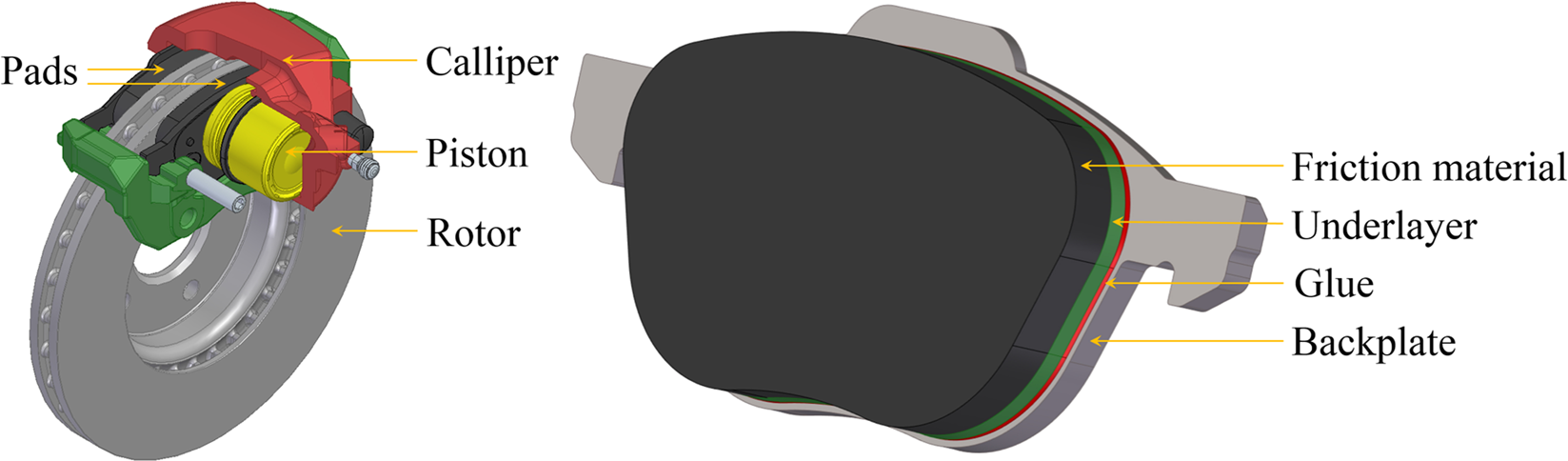
Brake rotors are usually made from cast iron. Some high-performance rotors use carbon or ceramic materials. Pads often contain metal, ceramic, or organic fibers. The material affects how the parts wear out. It also impacts how to recycle or dispose of them safely.
Recyclable Vs Non-recyclable Parts
Most brake rotors are recyclable because of their metal content. Metal recycling reduces waste and saves resources. Brake pads can be tricky. Some contain hazardous materials and cannot be recycled easily. Organic and ceramic pads are harder to recycle. Metal-based pads have a better recycling option. Proper sorting helps avoid contamination and environmental harm.
Preparing Brake Parts For Disposal
Preparing brake rotors and pads for disposal makes the process safer and cleaner. Proper preparation helps protect the environment and people handling the parts. It also ensures materials can be recycled properly.
Cleaning and separating the parts is important before throwing them away. This section explains how to prepare brake parts for disposal in simple steps.
Cleaning And Handling Tips
Remove dirt and brake dust from the rotors and pads carefully. Use a brush or cloth to wipe off loose dust. Avoid using compressed air as it can spread harmful particles.
Wear gloves to protect your hands from sharp edges and chemicals. Work in a well-ventilated area to avoid inhaling dust. Handle the parts gently to prevent injury or damage.
Separating Components For Recycling
Brake rotors and pads contain metals that can be recycled. Separate metal parts from any non-metal materials like rubber or plastic. This makes recycling easier and more effective.
Check local recycling rules to see how to sort brake parts. Some places accept whole rotors, while others want metals separated. Following these rules helps recycle brake parts properly.

Credit: king-racing.com
Recycling Options For Brake Rotors And Pads
Recycling brake rotors and pads helps protect the environment. These parts contain valuable metals that can be reused. Proper recycling reduces waste and pollution. Many places accept brake rotors and pads for recycling. Here are some common options to consider.
Local Scrap Yards And Metal Recyclers
Local scrap yards often take brake rotors and pads. They separate metals like steel and iron for reuse. Scrap yards pay for scrap metal by weight. Bring your used rotors and pads to get cash or recycling credit. Ensure parts are clean and free of oil or grease. Contact your nearby scrap yard to confirm their policies.
Automotive Stores And Service Centers
Some automotive stores accept old brake parts for recycling. They may offer recycling programs or discounts on new parts. Service centers often handle recycling as part of vehicle maintenance. Ask your mechanic if they recycle brake rotors and pads. Dropping off parts at these locations keeps waste out of landfills. It also supports responsible disposal efforts in the auto industry.
Eco-friendly Disposal Alternatives
Disposing of brake rotors and pads in an eco-friendly way helps protect the environment. These parts contain metals and materials that can harm nature if thrown away carelessly. Choosing green disposal methods reduces waste and saves resources. This section explores practical options to recycle and reuse brake components safely.
Brake Part Reuse And Repurposing Ideas
Brake rotors and pads can have a second life through reuse or repurposing. Some rotors can be resurfaced and used again in vehicles. This saves metal and lowers pollution from new manufacturing. Old brake pads can sometimes be used in art or craft projects. Creative reuse reduces landfill waste and supports sustainability.
Donation And Trade-in Programs
Many auto shops offer donation or trade-in programs for old brake parts. Donated rotors and pads may be cleaned, tested, and resold. Trade-in programs give discounts on new parts in exchange for old ones. These programs ensure proper recycling and keep hazardous materials out of dumps. Participating helps you save money and the planet.
Credit: www.nature.com
Avoiding Common Disposal Mistakes
Disposing of brake rotors and pads needs care to avoid common mistakes. Wrong disposal harms the environment and wastes materials. It also may cause legal trouble. Proper steps keep your community safe and clean. This section explains what to avoid and the rules to follow.
What Not To Do With Old Brake Parts
Do not throw brake parts in regular trash bins. These parts contain metals and chemicals. They can pollute soil and water. Avoid leaving them in open spaces or dumping in nature. Do not burn brake pads or rotors. Burning releases harmful fumes. Do not mix brake parts with household waste. This makes recycling harder or impossible. Always keep old parts separate and clean.
Legal Regulations To Keep In Mind
Many places have strict rules about auto part disposal. Some require taking brake parts to special recycling centers. Failing to follow these rules may cause fines. Check local laws before disposing of brake parts. Some areas offer free collection days for car parts. Use approved disposal services only. This helps protect the environment and avoid penalties. Keep receipts or proof of proper disposal for records.
Tools And Resources For Disposal
Proper disposal of brake rotors and pads is important for the environment. Using the right tools and resources makes this process easier. Many options help you find local recycling centers and programs. These tools guide you to dispose of parts safely and responsibly.
Apps And Websites For Recycling Centers
Several apps and websites list nearby recycling centers. These platforms show locations that accept brake rotors and pads. Some popular sites include Earth911 and RecycleNation. They provide details on materials accepted and hours of operation. Using these tools saves time and effort. Just enter your zip code and find the closest drop-off points.
Community Programs And Events
Many communities hold special recycling events for auto parts. These events accept brake rotors and pads for free or low cost. Check local government websites or community boards for dates. Some auto shops also partner with programs to collect old parts. Participating in these events helps reduce waste in landfills. It is a simple way to support local recycling efforts.
Frequently Asked Questions
How Should I Dispose Of Old Brake Rotors Safely?
Old brake rotors should be taken to a metal recycling center. They contain valuable metals that can be reused. Avoid throwing them in regular trash to prevent environmental harm. Always check local recycling guidelines for proper disposal methods.
Can Brake Pads Be Recycled Or Reused?
Brake pads are generally not recyclable due to mixed materials. However, some specialized facilities accept them for safe disposal. Reusing brake pads is unsafe and not recommended. Dispose of worn pads at designated hazardous waste centers to protect the environment.
Where Can I Recycle Brake Rotors And Pads Near Me?
Check local auto repair shops or recycling centers for brake part disposal. Many facilities accept brake rotors and pads for recycling or hazardous waste processing. You can also contact your city’s waste management service for specific locations and guidelines.
Is It Harmful To Throw Brake Parts In The Trash?
Yes, brake parts contain metals and chemicals harmful to the environment. Disposing of them in regular trash can contaminate soil and water. Always use authorized recycling or hazardous waste facilities to ensure safe and eco-friendly disposal.
Conclusion
Proper disposal of brake rotors and pads protects the environment. Recycling helps reduce waste and saves resources. Many auto shops accept used parts for recycling. Always check local rules for disposal options. Avoid throwing parts in regular trash bins. Simple steps make a big difference for our planet.
Keep safety in mind when handling old brake parts. Take action today to dispose of them responsibly. Small efforts lead to cleaner, healthier communities.