

Are your brakes making strange noises or feeling less responsive? It might be time to replace your brake rotors.
But before you head to the shop, you’re probably wondering: how much are new brake rotors going to cost you? Knowing the price upfront can help you avoid surprises and make smart choices for your car and budget. You’ll discover what affects the price of brake rotors, how to spot when they need replacing, and tips to get the best value.
Keep reading to take control of your car maintenance and save money on your next brake job.
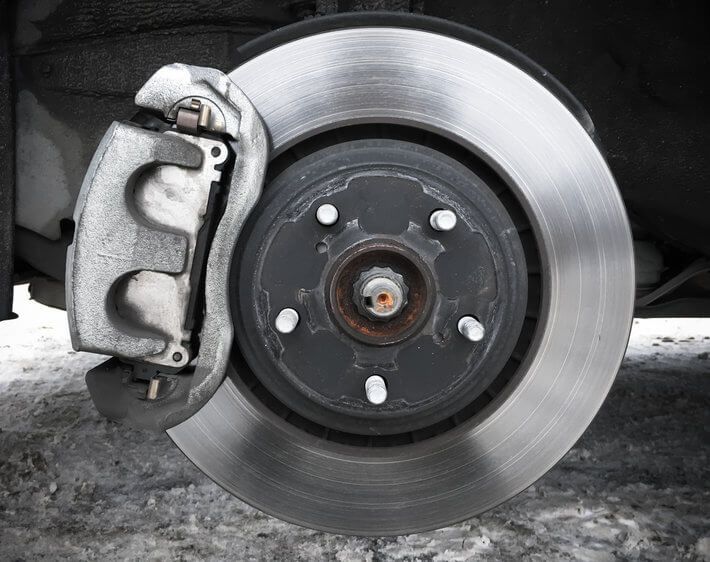
Credit: www.tiresplus.com
Brake Rotor Basics
Brake rotors are a vital part of your vehicle’s braking system. They work with brake pads to stop the car safely. Knowing the basics helps you understand costs and maintenance. This section covers the main types, materials, and lifespan factors of brake rotors.
Types Of Brake Rotors
There are mainly two types: solid and vented rotors. Solid rotors are a single piece of metal. They suit smaller cars and lighter use. Vented rotors have air channels between layers. These channels help cool the rotor faster. Vented rotors work well for bigger vehicles and heavy braking.
Material Differences
Most brake rotors are made of cast iron. Cast iron is strong and handles heat well. Some rotors use carbon or ceramic materials. These materials offer better performance but cost more. Steel rotors are rare but found in some trucks. The choice affects price and braking quality.
Rotor Lifespan Factors
Rotor life depends on driving habits and conditions. Hard braking and heavy loads wear rotors faster. Road conditions and weather also affect lifespan. Regular inspections help catch wear early. Usually, rotors last between 30,000 to 70,000 miles. Replacing worn rotors keeps braking safe and smooth.
Cost Breakdown
Understanding the cost of new brake rotors helps you plan your car maintenance budget. Prices vary depending on several key factors. This section breaks down the costs clearly.
Average Price Range
New brake rotors usually cost between $30 and $75 each. High-performance or specialty rotors can cost more. Labor fees for installation add to the total expense. Expect to pay $150 to $300 for a full brake job, including parts and labor.
Factors Influencing Cost
Material quality is a major factor in price differences. Steel rotors are cheaper but wear faster. Cast iron rotors last longer but cost more. Rotor size and vehicle type also affect price. Some cars need larger or thicker rotors, which cost more. Brand reputation and retailer pricing influence costs too.
Oem Vs Aftermarket Prices
OEM rotors come from the car’s original manufacturer. They tend to cost more but fit perfectly. Aftermarket rotors are made by other companies. They offer more price options and sometimes better performance. Choose based on your budget and driving needs. Both types meet safety standards if purchased from trusted sellers.
Labor And Installation Fees
Labor and installation fees can add a significant cost to new brake rotors. These fees cover the work done by mechanics to remove old rotors and install new ones safely. Knowing these costs helps you plan your budget better.
Typical Labor Costs
Labor fees vary by location and shop. On average, expect to pay between $80 and $150 per axle. Complex vehicles or luxury cars may cost more. The price depends on the time needed for the job.
Some shops charge a flat rate, while others charge hourly. Most brake rotor replacements take about one to two hours. This includes removing wheels, old rotors, and installing new parts.
Diy Installation Considerations
Installing brake rotors yourself can save money on labor fees. You need basic tools like a jack, wrench, and screwdriver. Safety is important. Make sure to lift the car correctly and use proper tools.
Experience helps. If this is your first time, expect the job to take longer. Following a step-by-step guide or video can assist you. Mistakes can be costly or dangerous, so double-check your work.
When To Seek Professional Help
Some situations require expert mechanics. If your brakes show unusual wear or noise, a pro can diagnose issues. Cars with advanced braking systems need special tools and knowledge.
Trust professionals for safety-critical repairs. They have training and equipment to do the job right. Avoid risking your safety or causing damage to your vehicle.
Cost By Vehicle Type
Brake rotor prices differ based on the type of vehicle you own. Each vehicle has unique parts that affect the cost. Knowing the cost by vehicle type helps you plan your budget better.
Sedans And Compact Cars
Sedans and compact cars usually have smaller brake rotors. These rotors cost less because they are lighter and use less material. On average, new brake rotors for these cars cost between $30 and $70 each. This price suits daily drivers and those with standard braking needs.
Suvs And Trucks
SUVs and trucks carry heavier loads and need larger rotors. Their brake rotors are thicker and stronger to handle the extra weight. Prices for these rotors range from $70 to $150 each. This higher cost reflects the size and durability requirements of bigger vehicles.
Luxury And Performance Vehicles
Luxury and performance vehicles use advanced materials for brake rotors. These rotors provide better stopping power and last longer. Prices are higher, usually from $150 to $400 or more per rotor. These costs reflect the quality and technology in these high-end vehicles.
Additional Expenses
When you buy new brake rotors, the price on the tag is not the only cost. There are other expenses that can add up quickly. Knowing these extra costs helps you plan your budget better. These additional expenses can affect the total cost of your brake repair or replacement.
Brake Pads Replacement
Brake pads often wear out along with rotors. Many mechanics suggest replacing pads at the same time as rotors. New brake pads improve stopping power and prevent rotor damage. The cost of brake pads varies by type and brand. Expect to pay extra for high-quality or performance pads.
Rotor Resurfacing Costs
Some shops offer rotor resurfacing instead of replacement. This process smooths the rotor surface to fix minor damage. Resurfacing costs less than buying new rotors. But it only works if the rotor is not too worn or thin. Resurfacing might extend rotor life by a few thousand miles.
Hidden Fees To Watch For
Some shops charge extra fees you may not see upfront. These can include shop supplies, disposal fees, or environmental charges. Labor costs also vary widely depending on the shop and location. Always ask for a full price breakdown before work begins. This helps avoid surprises on your final bill.
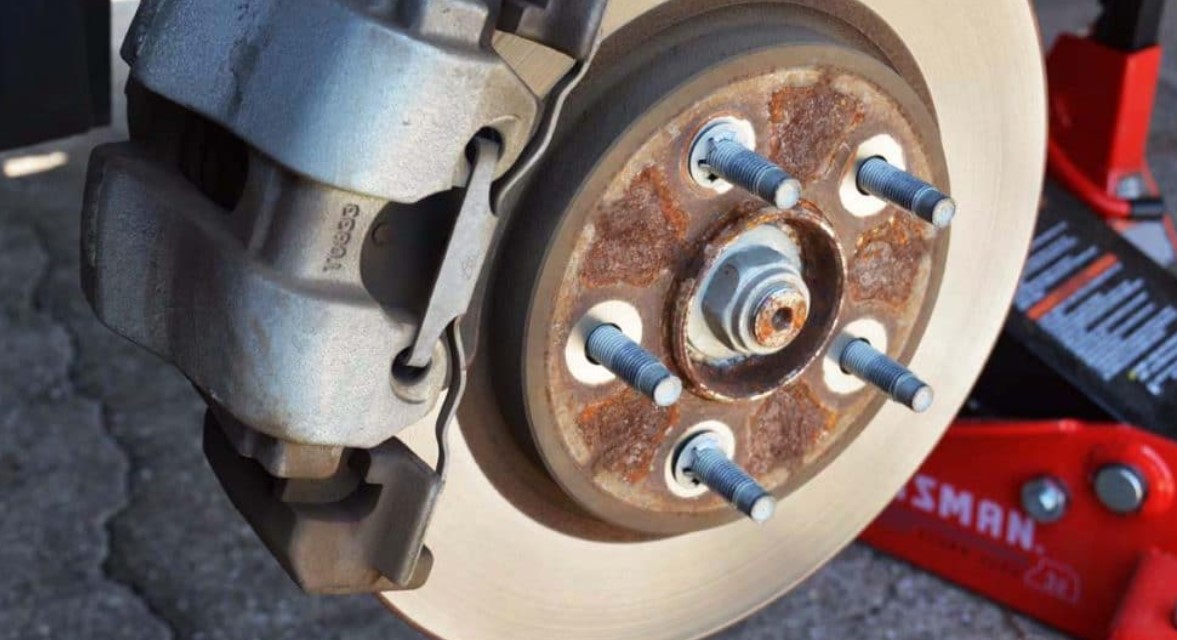
Credit: omegaautocare.com
Saving Tips
Saving money on new brake rotors is possible with smart choices. Small actions can lead to big savings. Understanding different ways to cut costs helps manage your budget well. Here are some useful saving tips.
Buying In Bulk Or Sets
Buying brake rotors in sets can reduce the price per rotor. Many shops offer discounts on pairs or full sets. This option saves money and ensures matching parts. Bulk buying also cuts shipping costs if ordered online.
Seasonal Discounts
Brake rotors often go on sale during certain times of the year. Holidays and special events bring lower prices. Watch for deals around Black Friday, end of year, or spring sales. Planning your purchase during these times helps save cash.
Choosing Quality Over Price
Cheap rotors may seem like a good deal but can cost more later. High-quality rotors last longer and perform better. Spending a bit more upfront prevents frequent replacements. Quality parts keep your car safe and save money over time.
Future Trends In Brake Rotor Pricing
The price of new brake rotors is not fixed. It changes over time due to many factors. Understanding future trends helps car owners prepare for costs. It also guides mechanics and manufacturers in their decisions. Several key elements will shape how much brake rotors cost soon.
Technological Advances
New technology affects brake rotor prices. Lightweight materials and better designs improve performance. These changes often increase production costs at first. Over time, mass production lowers prices. Smart rotors with sensors might add extra costs. Yet, technology can also reduce wear and tear. This means less frequent replacements and potential savings.
Impact Of Raw Material Prices
Brake rotors depend on metals like steel and iron. Prices of these materials vary due to mining and supply issues. When metal costs rise, rotor prices usually increase too. Global demand and trade policies also affect raw material costs. Manufacturers may pass these costs to customers. Keeping an eye on metal markets helps predict rotor price changes.
Environmental Regulations
Governments enforce rules to reduce pollution and waste. Brake rotor production must meet these standards. Using eco-friendly materials can increase costs. Factories might need new equipment to reduce emissions. These changes add to the price of rotors. Over time, stricter rules may push prices higher. But cleaner production benefits the planet and health.
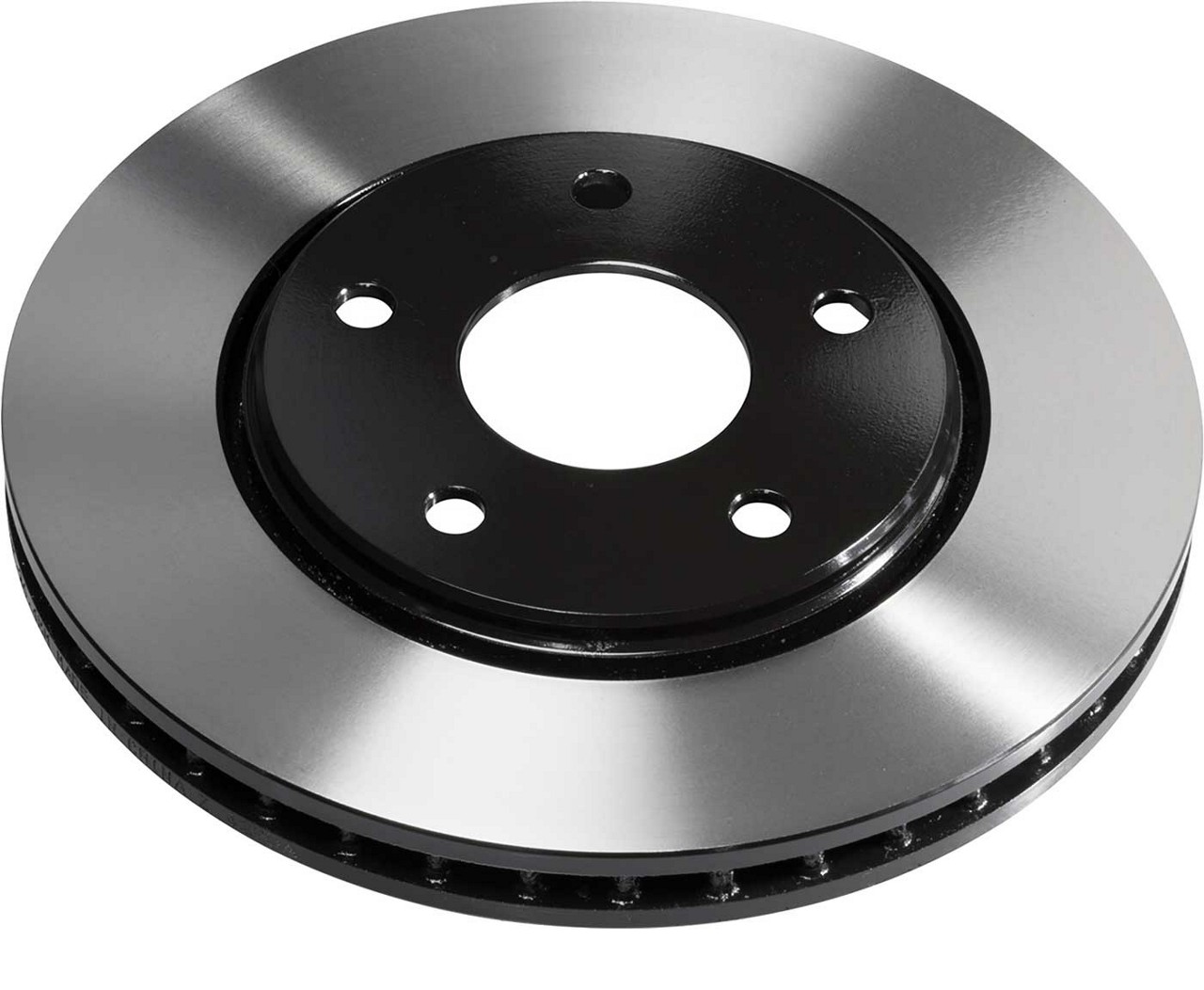
Credit: www.wagnerbrake.com
Frequently Asked Questions
How Much Do New Brake Rotors Typically Cost?
New brake rotors usually cost between $30 and $75 each. Prices vary by vehicle type and rotor quality. Premium or specialty rotors may cost more. Labor fees for installation are additional, often ranging from $100 to $200.
What Factors Affect The Price Of Brake Rotors?
Rotor material, vehicle make, and rotor size impact prices. Standard steel rotors are cheaper than performance or ceramic types. Luxury or heavy-duty vehicles require more expensive rotors. Brand reputation and rotor design also influence cost.
Can I Replace Brake Rotors Myself To Save Money?
Yes, if you have mechanical skills and proper tools. Replacing rotors requires safety precautions and brake system knowledge. DIY replacement saves labor costs but may risk improper installation. Consult vehicle manuals or professionals before attempting replacement.
How Often Should Brake Rotors Be Replaced?
Brake rotors typically last 30,000 to 70,000 miles depending on driving habits. Signs of wear include vibrations, squealing, or visible damage. Regular inspections during brake service help determine replacement timing. Replacing rotors timely ensures optimal braking performance.
Conclusion
New brake rotors cost depends on car type and quality. Basic rotors are cheaper but may wear out fast. Premium rotors last longer but cost more upfront. Labor charges add to the total price. Regular checks help avoid sudden brake problems.
Choose rotors that fit your budget and driving needs. Good brakes keep you safe on the road. Investing in quality parts saves money over time. Stay informed to make the best choice for your car.


