

Want your car to shine like new without spending a fortune on expensive products? You’re in the right place.
Making your own liquid car wax is easier than you think, and it gives you full control over what goes on your vehicle. Imagine having a glossy, protective finish that repels dirt and water, all made with simple ingredients you can trust.
Keep reading, and you’ll discover step-by-step how to create your own liquid car wax that saves you money and keeps your car looking stunning. Ready to give your ride that showroom shine? Let’s get started!
Choosing Ingredients
Choosing the right ingredients is key to making good liquid car wax. The quality of each component affects how well the wax protects and shines your car. Simple, natural ingredients work best for a smooth finish. Avoid harsh chemicals that can harm your car’s paint or the environment.
Focus on ingredients that clean, protect, and add shine. Each part plays a special role in the final product. Knowing where to get these supplies helps save time and money. Use common stores or online shops to find what you need easily.
Essential Components
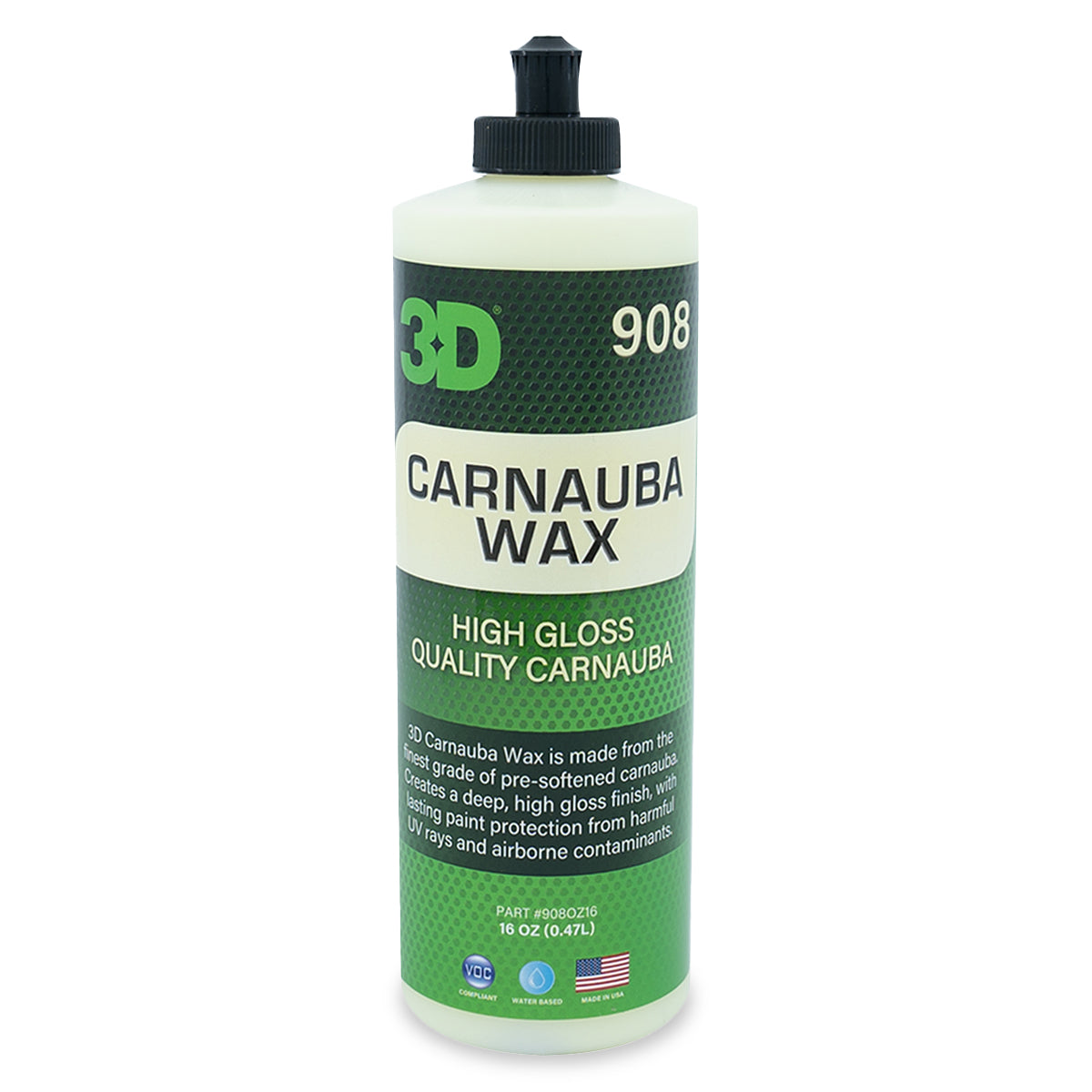
The main ingredients in liquid car wax include carnauba wax, liquid solvents, and oils. Carnauba wax gives a glossy, durable shine. Liquid solvents help dissolve the wax for easy spreading. Oils add smoothness and help the wax stick to surfaces.
Some recipes add small amounts of polish or cleaning agents. These remove dirt and minor scratches. Choose natural or mild cleaning agents to protect the paint. Avoid abrasive materials that can damage your car.
Where To Buy Supplies
Carnauba wax and liquid solvents are available in automotive stores. Hardware stores also carry some supplies like oils and cleaning agents. Online retailers provide a wide range of ingredients with delivery options.
Check product labels to ensure quality and safety. Buy from trusted sellers to avoid low-quality materials. Bulk buying can reduce costs if you plan to make wax often. Store ingredients in a cool, dry place to keep them fresh.
Credit: 3dproducts.com
Preparing The Mixture
Preparing the mixture is a key step in making liquid car wax. It ensures the wax works well and protects the car’s surface. Careful preparation helps you get the best results.
Follow the steps carefully. Measuring ingredients and mixing techniques are important for a smooth, effective wax.
Measuring Ingredients
Use a clean measuring cup or spoon for accuracy. Measure each ingredient exactly as the recipe says. Too much or too little can change the wax’s quality.
Start with the base, such as carnauba wax or beeswax. Add liquid parts like oils or solvents next. Keep your workspace clean to avoid contamination.
Mixing Techniques
Combine ingredients slowly to prevent lumps. Stir the mixture using a wooden stick or a plastic spatula. Avoid metal tools that can react with wax.
Mix in a circular motion until the wax fully dissolves. This can take several minutes. A smooth, even texture means your wax is ready.
Let the mixture cool if heated. Stir occasionally to keep it consistent. Proper mixing ensures the wax applies easily and shines brightly.
Adding Fragrance And Color
Adding fragrance and color to liquid car wax makes the product more pleasant and appealing. Fragrance can mask chemical smells. Color can give the wax a fresh, clean look. Both elements help create a better user experience. This section explains how to choose scents and color options.
Selecting Scents
Choose scents that are light and fresh. Citrus, lavender, and pine are popular choices. These scents give a clean and natural aroma. Avoid strong or overpowering fragrances. They can be unpleasant during application. Use fragrance oils made for cosmetic or cleaning products. Add a few drops to your wax mixture. Test the scent on a small area first. This ensures the smell is not too strong or weak.
Color Options
Color makes the wax look attractive and unique. Choose colors that do not stain the car surface. Light colors like pale yellow or soft green work well. Avoid dark or bright colors that may leave marks. Use liquid dyes or pigment powders made for waxes. Add a small amount and mix well. Check the color in natural light to see the true shade. Adjust the amount to get the perfect color.
Testing The Wax
Testing your homemade liquid car wax is a crucial step. It helps you see how well your wax works on your car’s surface. Proper testing ensures the wax provides good protection and shine. Follow simple steps to test and improve your wax formula.
Application Tips
Start with a clean, dry car surface. Use a soft cloth or foam applicator. Apply a thin, even layer of wax. Work in small sections to avoid streaks. Let the wax dry until it turns hazy. Use a clean microfiber towel to buff the wax. Buff in circular motions for the best finish.
Evaluating Shine And Durability
Check the shine under natural light. The surface should look smooth and glossy. Test the wax’s water resistance by sprinkling water. Water should bead and roll off easily. Watch for any spots or dull areas. Test durability by washing the car after a few days. Good wax keeps the shine and protection intact. Note any areas that lose shine quickly.
Storing The Wax
Storing liquid car wax properly keeps it fresh and effective. Proper storage stops the wax from drying out or getting contaminated. It also helps maintain its smooth texture for easy use next time. Knowing the right containers and shelf life makes a big difference.
Best Containers
Use airtight containers to keep air and moisture out. Glass jars work well because they do not react with the wax. Plastic containers are fine if they are sturdy and seal tightly. Avoid metal containers as they can rust and spoil the wax. Label the container with the date you made the wax.
Shelf Life
Liquid car wax usually lasts 6 to 12 months when stored properly. Keep it in a cool, dark place away from sunlight. Heat or direct light can break down the wax ingredients. Check the wax before each use. If it smells strange or changes texture, it is time to make a new batch.
Credit: abro.com
Applying Liquid Wax To Your Car
Applying liquid wax to your car protects the paint and makes it shine. This process is simple and helps keep your car looking new. Follow clear steps for the best results. Proper application ensures even coverage and lasting protection.
Preparation Before Application
Start with a clean car. Wash it thoroughly to remove dirt and grime. Dry the surface well using a soft towel. Avoid applying wax in direct sunlight or on a hot surface. This prevents streaks and uneven drying. Gather all materials: liquid wax, applicator pad, microfiber cloths.
Step-by-step Application Process
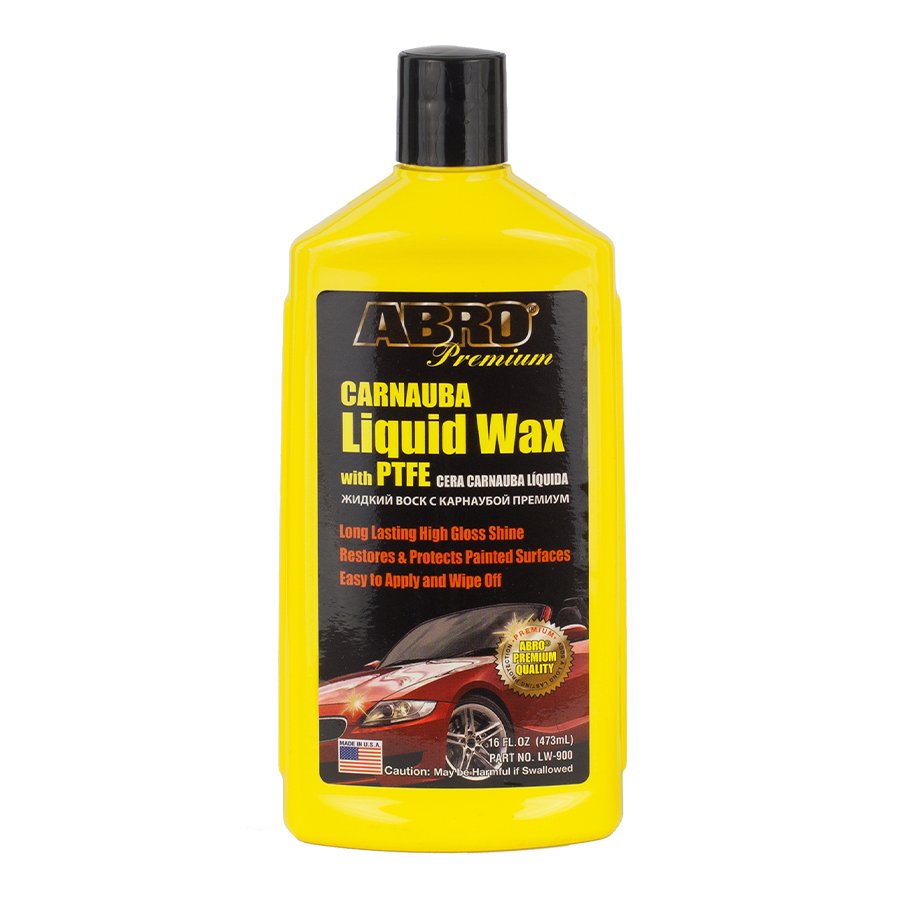
Pour a small amount of liquid wax onto the applicator pad. Work on one section at a time, about 2 feet by 2 feet. Spread the wax evenly in a circular motion. Apply a thin, light layer to avoid buildup. Let the wax dry to a haze, usually 5-10 minutes. Use a clean microfiber cloth to buff the wax off. Buff in gentle, circular motions for a smooth shine. Repeat on the entire car for full protection.
Maintaining The Shine
Maintaining the shine of your car after applying liquid car wax is essential. A bright, glossy surface not only looks great but also protects your vehicle from dirt and damage. Keeping the wax layer intact requires some care and regular attention. Follow these simple steps to ensure your car stays shiny and well-protected for a long time.
Regular Cleaning
Clean your car often to keep the wax fresh. Use a gentle car shampoo and soft cloth or sponge. Avoid harsh detergents that can strip the wax away. Rinse thoroughly to remove all soap and dirt. Dry the car with a clean towel to prevent water spots. Regular cleaning removes dust and grime that dull the shine.
Reapplication Schedule
Apply liquid car wax again every few months. The exact time depends on weather and driving conditions. Hot sun or heavy rain can wear off wax faster. Check your car’s surface for dull spots or water beading. If water stops beading, it’s time to reapply wax. Follow the product instructions for the best results.

Credit: www.youtube.com
Frequently Asked Questions
What Ingredients Are Needed For Liquid Car Wax?
Liquid car wax requires carnauba wax, solvents like mineral spirits, and oils such as coconut or linseed oil. These create a smooth, protective shine on your car’s surface when mixed properly.
How Long Does Homemade Liquid Car Wax Last?
Homemade liquid car wax typically lasts 6 to 12 months if stored in a cool, dry place. Always keep it sealed tightly to maintain its effectiveness and prevent drying out.
Can I Use Liquid Car Wax On All Car Paints?
Yes, liquid car wax is generally safe for all types of car paint, including clear coats. It enhances shine and provides protection without damaging the paint surface.
How Often Should I Apply Liquid Car Wax?
Apply liquid car wax every 6 to 8 weeks for optimal protection and shine. Frequent waxing helps maintain your car’s paint and prevents dirt buildup effectively.
Conclusion
Making your own liquid car wax is simple and rewarding. It saves money and lets you control the ingredients. You can keep your car shiny and protected with ease. Just follow the steps carefully and use the right materials. Regular waxing helps your car look new for longer.
Try this easy DIY project and enjoy the results. Your car will thank you with a smooth, glossy finish. Give it a try today!

