

Are you wondering how much it will cost to fix or replace your car’s suspension? Whether your ride feels bumpy, shaky, or just not smooth anymore, your suspension plays a big role in your driving comfort and safety.
But before you get overwhelmed by repair options, knowing the typical costs can help you make smarter decisions. You’ll discover clear, straightforward answers about new car suspension prices and what factors affect the final bill. Keep reading—you’ll gain the confidence to handle your suspension issues without surprises.
Factors Affecting Suspension Costs
Several factors influence the cost of a new car suspension. Understanding these can help you prepare your budget better. Prices vary widely based on different elements. Some are related to the car itself, while others depend on external factors.
Type Of Suspension System
The type of suspension system affects the overall cost significantly. Basic systems like coil springs are cheaper to replace. Advanced systems, such as air or adaptive suspensions, cost more. These complex systems require special parts and expertise.
Vehicle Make And Model
Luxury cars or sports models often have higher suspension costs. Parts for these vehicles are usually more expensive. Common cars have more affordable parts and easier repairs. Brand reputation also plays a role in pricing.
Parts Quality And Brand
High-quality parts cost more but last longer. Aftermarket parts may be cheaper but can reduce performance. OEM parts ensure better fit and durability. Choose parts based on your budget and needs.
Labor Charges
Labor costs vary depending on the mechanic’s skill and time required. Complex systems take longer to fix, increasing labor fees. Independent shops may offer lower rates than dealerships. Always consider labor in your total cost.
Geographic Location
Suspension repair costs differ by location. Big cities tend to have higher prices due to living costs. Rural areas may offer cheaper services but fewer options. Regional demand and supply also impact prices.
Credit: www.cartalk.com
Common Suspension Components And Their Prices
The suspension system keeps your car smooth and safe on the road. It includes many parts that work together. Each part has a different price. Knowing these prices helps you plan your budget well.
Some parts wear out faster and need replacing. Others last longer but cost more. Here are the common suspension parts and their typical prices.
Shock Absorbers And Struts
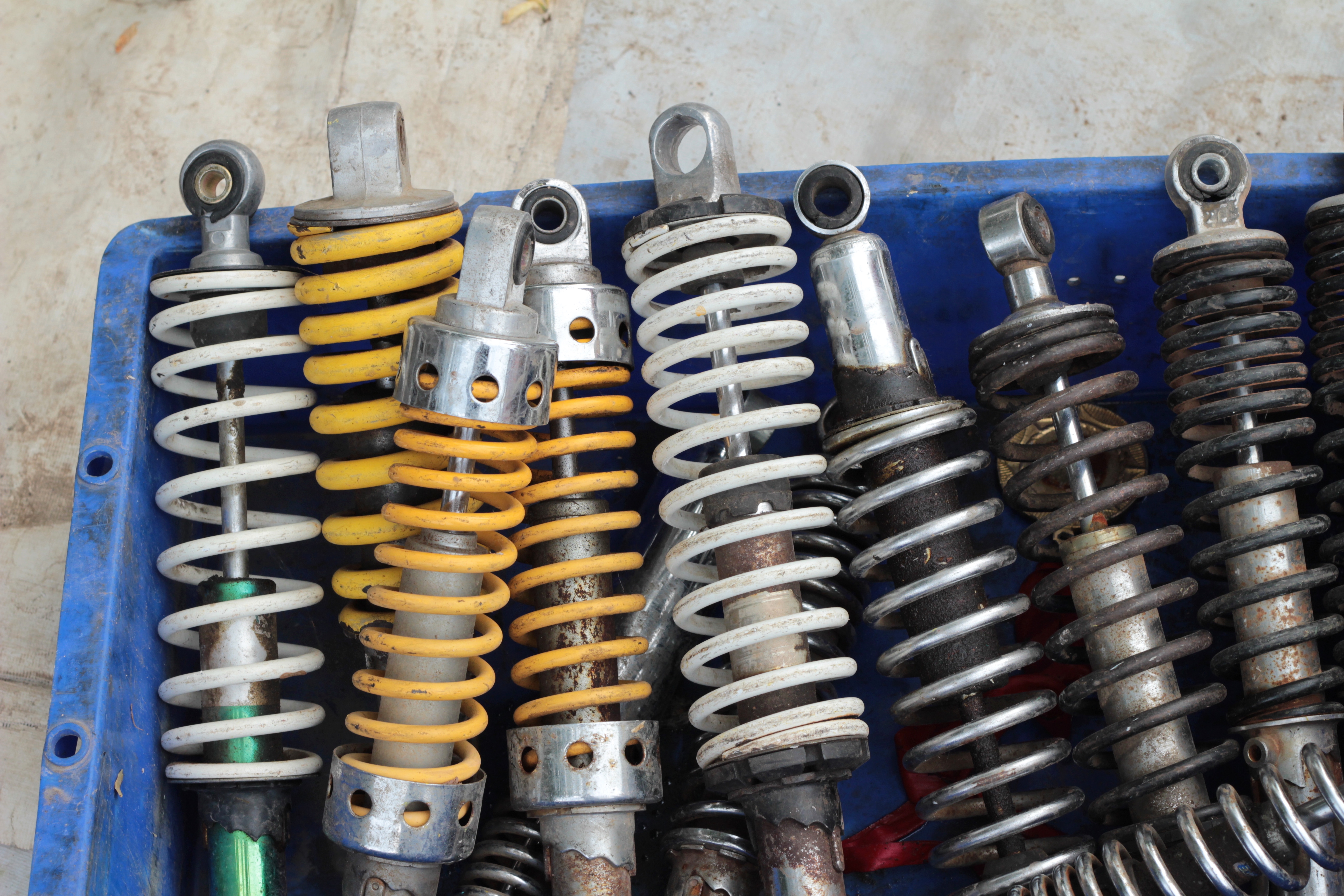
Shock absorbers control bumps and dips. Struts support the car’s weight and absorb shocks. A single shock absorber or strut can cost between $50 and $200. High-quality or performance parts may cost more.
Springs And Coilovers
Springs hold the car up and help with ride comfort. Coilovers combine springs and shocks for better control. Springs usually cost $100 to $300 per set. Coilovers can range from $400 to $1,200 depending on quality.
Control Arms And Bushings
Control arms connect wheels to the car frame. Bushings cushion the control arms and reduce noise. Control arms cost about $100 to $250 each. Bushings are cheaper, around $20 to $50 each, but you may need several.
Ball Joints And Tie Rods
Ball joints allow wheel movement and tie rods help steer the car. Both are important for handling. Ball joints cost between $50 and $150 each. Tie rods usually cost $30 to $100 each.
Sway Bars And Links
Sway bars reduce body roll during turns. Links connect sway bars to suspension parts. Sway bars can cost $100 to $300. Links are smaller and cost $20 to $70 each.
Cost Breakdown For Suspension Repairs Vs Replacement
The cost of fixing a car suspension varies widely. It depends on the damage and the parts involved. Repairing just a few parts costs less than replacing the whole system. Understanding the cost difference helps in making smart decisions. Here is a clear breakdown of the expenses.
Partial Repairs
Partial repairs fix specific problems like worn shocks or broken springs. This type of repair can cost between $150 and $600. Labor charges depend on the workshop and the car model. Partial repairs are quicker and cheaper. They extend the life of your suspension without a full replacement.
Full Suspension Replacement
Replacing the entire suspension system costs more than repairs. Prices range from $800 to $3,500 or higher. The price depends on vehicle type and quality of parts. A full replacement includes shocks, springs, control arms, and more. It ensures all components work well together and last longer.
Upgrading Suspension Systems
Upgrading means installing better suspension parts than the original. Costs often start around $1,000 and can go up to $5,000. Upgrades improve ride comfort and handling performance. They may involve using higher-quality or adjustable parts. This option suits drivers wanting enhanced driving experience and durability.
Credit: repairpal.com
Diy Suspension Replacement: Cost And Considerations
Replacing your car suspension on your own can save money. It also gives you control over the repair process. Knowing the costs and what to expect helps you plan better. This section breaks down what tools you need, safety tips, and how much you can save.
Tools Required
You need basic tools for suspension work. A jack and jack stands are must-haves. Wrenches, sockets, and a spring compressor help with parts removal. Some cars need special tools for shocks or struts. Having the right tools makes the job easier and safer.
Safety Precautions
Suspension parts store a lot of tension. Springs can release force suddenly and cause injury. Always use a spring compressor correctly. Work on a flat surface and secure the car well. Wear safety glasses and gloves to protect yourself. Take your time and do not rush.
Potential Savings
DIY suspension replacement cuts labor costs. Parts usually cost less than full service prices. Savings depend on the car model and parts quality. You may spend $200 to $600 on parts. Professional labor can add $300 to $1,000. Doing it yourself can save hundreds of dollars.
Signs Your Suspension Needs Repair Or Replacement
Your car’s suspension system keeps your ride smooth and safe. Over time, parts wear out or get damaged. Knowing the signs of suspension issues helps you avoid bigger problems. Spotting these signs early means you can repair or replace parts before costs rise.
Watch for changes in how your car feels and sounds. Pay attention to tire wear and vehicle height. These clues tell you when your suspension needs attention.
Unusual Noises
Listen for knocking, clunking, or squeaking sounds. These noises often come from worn or broken suspension parts. They may get louder when you drive over bumps or turn corners. Ignoring these sounds can lead to more damage and costly repairs.
Poor Handling
Your car should drive steady and respond well to steering. If it feels loose, bouncy, or sways more than usual, the suspension may be failing. Poor handling reduces safety and comfort. Fixing it improves control and driving experience.
Uneven Tire Wear
Check your tires for uneven or rapid wear. Bad suspension causes tires to touch the road unevenly. This wears out tires faster and can cause alignment problems. Replacing suspension parts helps protect your tires and saves money.
Vehicle Sagging
Look at your car from the side. If one corner or side sits lower than the others, the suspension may be damaged. Sagging means springs or shocks need repair or replacement. Fixing sagging restores balance and ride quality.
Tips To Reduce Suspension Maintenance Costs
Reducing suspension maintenance costs helps save money and keeps your car safe. Proper care extends the life of suspension parts. It also prevents expensive repairs later. Follow these simple tips to lower your suspension costs.
Regular Inspections
Check your suspension regularly for wear and damage. Small problems catch early are easier and cheaper to fix. Look for leaks, worn bushings, or broken springs. Inspect tires for uneven wear, which signals suspension issues. Schedule professional checks at least twice a year.
Driving Habits
Drive smoothly to protect your suspension. Avoid hard braking, fast turns, and rough roads. Slow down on bumps and potholes. Gentle driving reduces stress on shocks and struts. Good habits help your suspension last longer and cost less to fix.
Choosing Quality Parts
Use quality suspension parts for repairs and replacements. Cheap parts may fail quickly and cause more damage. Choose parts that fit your car’s make and model. Investing in good parts saves money over time. Ask your mechanic for trusted brands and warranties.
Finding Reliable Mechanics
Pick a trustworthy mechanic for suspension work. Experienced mechanics spot issues fast and fix them right. Avoid shops that recommend unnecessary repairs. Read reviews and ask for recommendations. A good mechanic keeps costs down and ensures safety.
Latest Trends In Suspension Technology For 2025
Suspension systems are evolving fast in 2025. New technologies aim to improve ride comfort, safety, and handling. These advances also impact the cost of new car suspensions. Understanding the latest trends helps buyers make smart choices.
Adaptive And Air Suspensions
Adaptive suspensions adjust automatically to road conditions. Sensors detect bumps and change stiffness instantly. Air suspensions use airbags instead of metal springs. They offer smoother rides and better load handling. Both types improve driving comfort and control.
Electronic Control Systems
Modern suspensions use electronic controls to manage shock absorbers. These systems react faster than traditional setups. They help keep the car stable during sharp turns or sudden stops. Electronic controls also reduce wear on suspension parts.
Lightweight Materials
Manufacturers use lighter materials like aluminum and carbon fiber. These materials reduce the car’s overall weight. Lighter suspensions improve fuel efficiency and handling. They also resist corrosion better than steel parts.

Credit: www.shocksurplus.com
Frequently Asked Questions
How Much Does A New Car Suspension Typically Cost?
A new car suspension usually costs between $300 and $1,200. Prices vary by car model and type of suspension system. Labor charges and parts quality also affect the total cost. Luxury cars or advanced systems can be more expensive.
What Factors Influence New Suspension Installation Costs?
Costs depend on parts quality, labor rates, and suspension type. Vehicle make and model also play a big role. Additional repairs or upgrades can increase the price. Geographic location may impact labor and parts prices too.
How Long Does New Car Suspension Installation Take?
Installing a new suspension typically takes 2 to 4 hours. Complex systems or additional repairs may extend the time. Professional mechanics ensure proper alignment and safety checks during installation.
Can I Replace Car Suspension Myself To Save Money?
DIY replacement is possible but requires mechanical skills and tools. Mistakes can lead to safety risks and costly repairs. Professional installation is recommended for most car owners to ensure quality and safety.
Conclusion
Replacing a car suspension can vary in cost widely. Parts and labor both affect the final price. Choosing quality parts helps ensure lasting performance. Regular checks can prevent costly suspension problems later. Understanding costs helps you plan your budget better.
Keep your car safe and comfortable on the road. Stay informed to make smart repair decisions. A good suspension is key to a smooth drive.

