
Have you ever wondered how long a diagnostic test on your car actually takes? When your vehicle acts up, getting answers quickly is key.
You want to know what’s wrong without spending hours waiting in the shop. Understanding the time it takes can help you plan better and ease your worries. You’ll discover what influences the length of a diagnostic test and what to expect during the process.
Keep reading to get the clarity you need before your next visit to the mechanic.
Credit: www.jdpower.com
Factors Affecting Test Duration
Several factors affect how long a car diagnostic test takes. Each factor can change the test duration significantly. Understanding these elements helps set clear expectations at the mechanic shop.
Type Of Diagnostic Test
Simple tests like reading error codes often take less than 30 minutes. Complex tests, such as detailed engine analysis, can last one hour or more. The test type depends on the car issue and symptoms reported.
Car Make And Model
Different car brands use various systems and technology. Some cars have advanced electronics needing more time to diagnose. Older or rare models may require extra effort and tools.
Condition Of The Vehicle
Well-maintained cars usually show issues faster during diagnosis. Cars with many problems need more time to find root causes. Dirt, rust, or damage can slow down the testing process.
Technician Experience
Experienced technicians work faster and more accurately. They recognize problems quickly and know the right tests to run. Less experienced mechanics may take longer to analyze the same issues.
Common Diagnostic Tests And Their Timelines
Car diagnostic tests help find problems quickly. Each test takes a different time. Some are fast, others need more work. Understanding these tests can ease your wait. Here are common diagnostic tests and how long they usually take.
Obd-ii Scan
The OBD-II scan reads your car’s computer. It shows error codes that point to issues. This test usually takes 10 to 20 minutes. It is quick and helps find many problems fast.
Visual Inspection
Visual inspection checks parts like belts, hoses, and fluids. A mechanic looks for leaks, cracks, or wear. This test takes about 15 to 30 minutes. It helps catch visible problems early.
Road Test
The road test lets the mechanic drive the car. They check how it handles and sounds. This test can take 20 to 40 minutes. It helps spot issues that show up only while driving.
Advanced Diagnostics
Advanced diagnostics use special tools for deep checks. It may include engine compression or sensor tests. This process takes 30 minutes to over an hour. It is useful for hard-to-find or complex problems.
Tools And Technology Used
Car diagnostic tests rely on various tools and technology. These tools help mechanics find problems quickly. They also make repairs more accurate and save time. Understanding these tools shows why diagnostics do not take too long.
Scan Tools
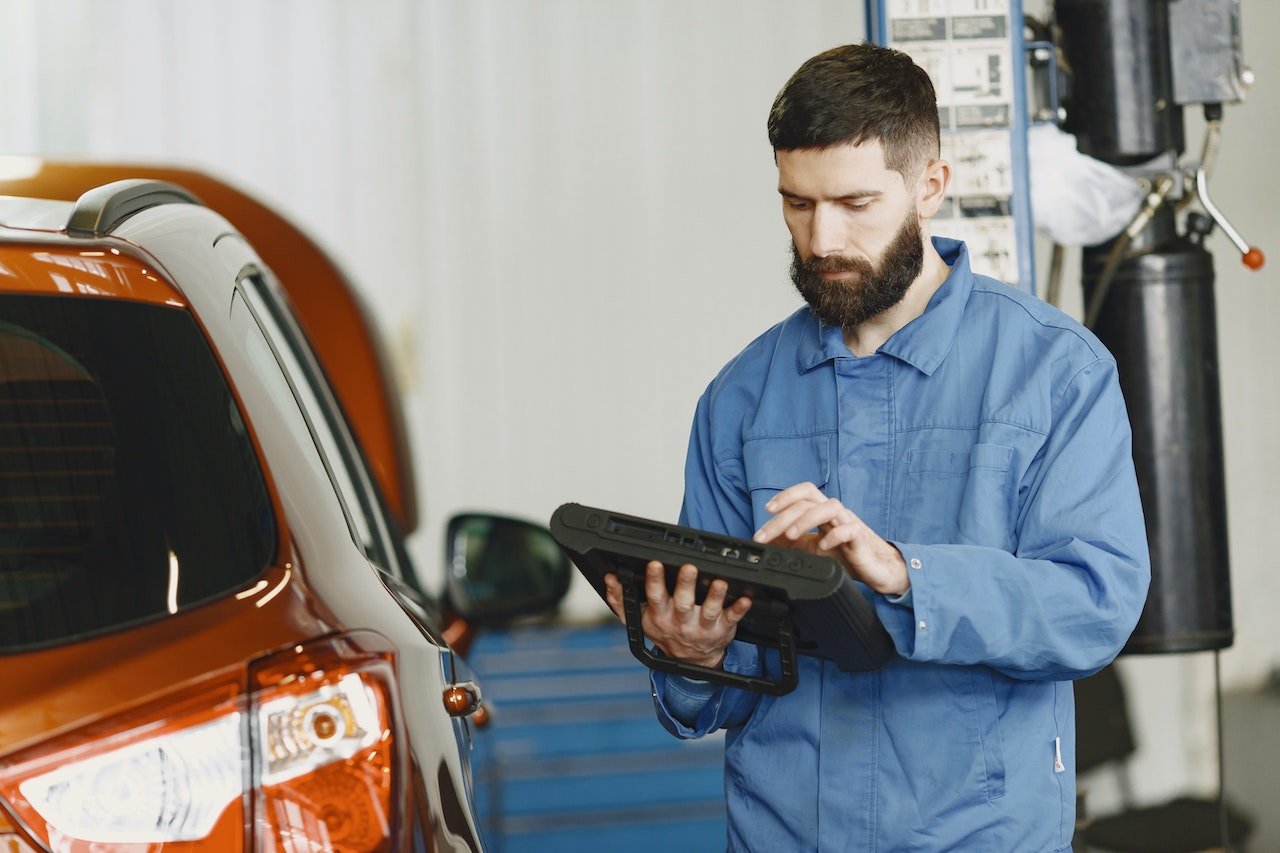
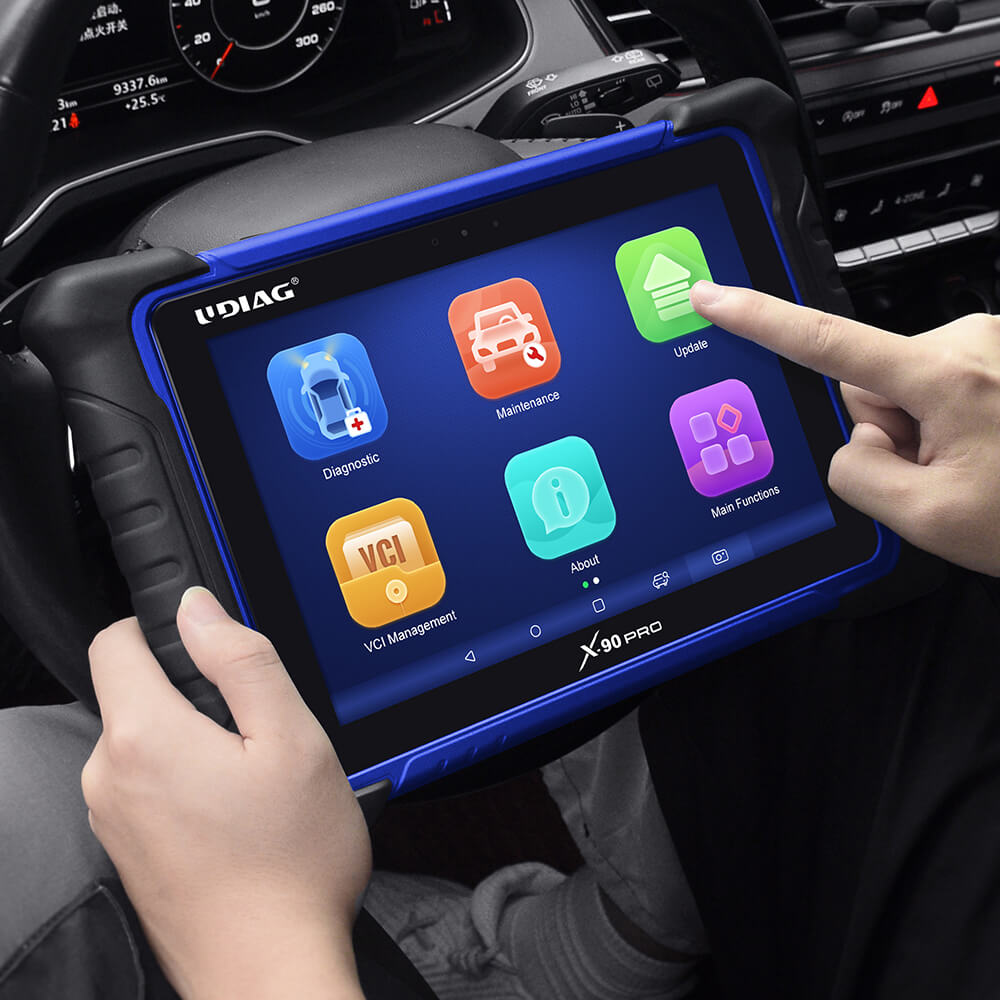
Scan tools connect to the car’s computer system. They read error codes stored in the vehicle. These codes point to specific issues. Mechanics use handheld devices or tablet-like tools. These scan tools work with many car models. They provide instant data about engine and sensor problems.
Computer Software
Special software analyzes data from scan tools. It translates codes into easy-to-understand information. Software often updates to match new car models. This helps mechanics stay current with technology. It can display graphs and reports for better diagnosis. Software speeds up problem identification and decision-making.
Specialized Equipment
Some car problems need special equipment. Examples include fuel pressure testers and smoke machines. These devices test parts that scan tools cannot check. They help find leaks or mechanical faults. Specialized equipment ensures thorough inspections. Using the right tools leads to faster repairs.
Tips To Speed Up The Diagnostic Process
Speeding up a car diagnostic test saves time and reduces stress. Simple steps can make the process faster and smoother. Preparing your vehicle and choosing the right service center helps a lot. Clear communication with technicians also plays a key role. These tips will help you get results quickly.
Preparing Your Vehicle
Clean the car’s interior and engine area before the test. Remove personal items to avoid distractions. Note any strange sounds or issues you noticed. Write down when the problem started. This information helps technicians diagnose faster.
Choosing The Right Service Center
Select a service center with good reviews and experienced staff. Check if they use updated diagnostic tools. A reliable center can identify problems quickly. Avoid places that are too busy or understaffed. This reduces waiting time for the test.
Clear Communication With Technicians
Explain the car’s issues clearly and simply. Share your notes about the problem. Ask questions if you do not understand something. Confirm the estimated time for the diagnosis. Good communication helps avoid delays and mistakes.
What To Expect After The Test
After the diagnostic test on your car finishes, the next steps are important. The mechanic will explain the findings clearly. You will learn what the test results mean for your car’s health. Understanding these details helps you decide the best way forward.
Reading The Results
The mechanic will show the error codes found during the test. Each code points to a specific problem in the car. They will explain these codes in simple terms. This helps you understand the issue without confusion. Sometimes, the results may need further checks for accuracy.
Repair Time Estimates
Once the problem is clear, the mechanic gives a repair time estimate. This tells you how long the fix will take. Some repairs may only need a few hours. Others, like engine or transmission fixes, can take days. Knowing the time helps you plan your schedule.
Follow-up Checks
After repairs, the mechanic may recommend follow-up checks. These ensure the problem is fully fixed. Follow-ups can catch any new or hidden issues early. They keep your car running safely and smoothly. Regular checks improve your car’s lifespan and performance.
Credit: www.udiagtech.com

Credit: www.autolastgh.com
Frequently Asked Questions
How Long Does A Basic Car Diagnostic Test Take?
A basic car diagnostic test usually takes 15 to 30 minutes. It involves scanning the vehicle’s computer for error codes. The process is quick and helps identify common issues efficiently.
Can Complex Diagnostics Extend The Test Duration?
Yes, complex diagnostics can take 1 to 2 hours or more. These tests involve detailed inspections and multiple system checks. More time is needed to accurately diagnose intricate problems.
Does The Type Of Vehicle Affect Diagnostic Time?
Yes, vehicle type affects diagnostic time. Modern cars with advanced electronics may require longer testing. Older models often have simpler systems, leading to quicker diagnostics.
How Does The Diagnostic Tool Impact Test Speed?
Diagnostic tool quality and technology impact test speed. Advanced scanners provide faster, more accurate results. Older or basic tools might take longer and deliver less detail.
Conclusion
A car diagnostic test usually takes between 30 minutes and an hour. This depends on the car’s issue and the tools used. Quick checks find simple problems fast. Complex issues need more time to diagnose. Knowing this helps you plan your visit better.
Always ask the mechanic about expected time before starting. This way, you avoid surprises and stay informed. Regular diagnostics keep your car running smoothly. Simple steps lead to safer driving and fewer breakdowns. Trust the process and stay patient during testing.


