

Are you thinking about importing a car but unsure how much it will cost you? Knowing the real price behind bringing a vehicle from another country can save you from unexpected expenses and headaches.
From shipping fees to taxes and customs charges, many costs add up quickly. This guide will break down every expense you need to consider, so you can plan your budget with confidence. Keep reading to discover exactly what importing a car will cost you and how to avoid common money traps along the way.

Credit: www.zervtek.com
Importing Basics
Importing a car involves several steps. Understanding the basics helps avoid surprises. Costs depend on many factors. Knowing what to expect saves time and money.
Types Of Import Vehicles
Vehicles come in many types for import. New cars often have strict rules. Used cars may have age limits or conditions. Classic cars sometimes have exemptions from some rules. Motorcycles and trucks also have special import rules. Each type affects the cost and process.
Eligibility Criteria
Not all vehicles can be imported easily. Rules vary by country and vehicle type. Some cars must meet safety and emissions standards. Age limits often apply to used vehicles. Paperwork must prove ownership and compliance. Following these rules avoids delays and extra fees.
Key Import Fees
Importing a car involves several fees that buyers must know. These costs affect the total price of bringing a vehicle into a country. Understanding key import fees helps plan your budget better. The main fees include customs duty, import tax, shipping costs, and port handling charges.
Customs Duty
Customs duty is a tax on the car’s value. It is charged by the government to allow the vehicle into the country. The rate depends on the car type and its origin. This fee can be a fixed amount or a percentage of the car’s price.
Import Tax
Import tax adds to the cost after customs duty. It is often based on the car’s value plus the customs duty. Different countries use different tax rates. This tax covers the government’s revenue from imported goods.
Shipping Costs
Shipping costs include the price to move the car overseas. They vary by distance and shipping method. Options include container shipping or roll-on/roll-off services. These costs cover loading, transport, and unloading of the vehicle.
Port And Handling Charges
Port and handling charges cover fees at the arrival port. They include unloading the car and storing it. These fees also pay for inspection and paperwork processing. Port charges vary by location and port rules.
Additional Expenses
Importing a car involves more than just the purchase price and shipping fees. Buyers must plan for additional expenses that can affect the total cost. These extra costs vary depending on the vehicle and destination country.
Inspection And Compliance Costs
Cars must pass inspections to meet local safety and emission rules. These checks often require fees that vary by location. Sometimes, testing or paperwork is needed to prove compliance. Ignoring this step can lead to fines or delays.
Registration And Licensing Fees
After import, the vehicle needs registration with local authorities. Registration fees depend on the car type and region. Licensing may also include taxes or road use charges. These costs are essential to legally drive the car.
Modifications And Repairs
Imported cars may need changes to meet local standards. This could include fixing lights, seat belts, or emissions systems. Some repairs improve safety or performance before the car hits the road. Budgeting for these updates is important.
Cost Variations
Importing a car involves various costs that change based on several factors. These cost variations affect the total price significantly. Understanding these factors helps plan your budget better. Key elements include the car’s origin, type, and shipping method.
Country Of Origin Impact
The country where the car comes from affects import costs a lot. Different countries have different taxes and duties. Cars from nearby countries usually cost less to ship. Some countries have stricter regulations, increasing fees. Currency exchange rates also change the final price.
Vehicle Type Influence
The type of vehicle changes the import cost too. Larger vehicles cost more to ship. Luxury or classic cars often need special handling, raising costs. Electric cars might have extra fees due to batteries. Trucks and SUVs usually cost more than small cars.
Shipping Method Differences
Shipping methods vary in price and speed. Container shipping is safe but can be expensive. Roll-on/roll-off shipping is cheaper but less secure. Air freight is fastest but costs the most. Choosing the right method affects total import expenses.
Saving Tips
Importing a car can be costly, but smart choices can save money. Small decisions add up to big savings. Knowing where to save helps lower overall costs.
Focus on practical steps to cut expenses without stress. Save on shipping, fees, and timing. These tips make importing more affordable.
Choosing The Right Shipping Option
Shipping costs vary by method. Container shipping is secure but expensive. Roll-on/roll-off (RoRo) is cheaper and faster. Air shipping costs the most and suits urgent needs. Pick a method that fits your budget and car type.
Negotiating Fees
Some fees are flexible. Customs brokers and shipping agents may offer discounts. Ask for clear quotes before agreeing. Compare prices from different companies. Small fee differences can save hundreds of dollars.
Timing Your Import
Import costs change with seasons and demand. Avoid peak seasons to get lower rates. Plan shipping during off-peak months. Early booking often secures better prices. Timing your import can reduce expenses significantly.
Common Pitfalls
Importing a car can save money but comes with risks. Many face common pitfalls that raise costs or cause delays. Knowing these traps helps avoid extra expenses and stress.
Hidden Charges
Import costs include more than just the car price. Customs fees, shipping, and insurance add up quickly. Some fees appear only after the car arrives. These hidden charges surprise many buyers. Always ask for a full cost breakdown before buying.
Documentation Errors
Correct paperwork is crucial for smooth import. Missing or wrong documents cause delays or fines. Common mistakes include incorrect vehicle details or missing signatures. Double-check every form before submission. Use a checklist to avoid errors.
Non-compliance Risks
Cars must meet local laws and safety standards. Non-compliance can lead to fines or the car being denied entry. Check emission rules and safety requirements early. Importing non-compliant vehicles wastes time and money. Confirm your car meets all local regulations.
Step-by-step Import Process
Importing a car involves several key steps. Each step is important to avoid delays or extra costs. Knowing the process helps you plan better and save money.
Preparing Documents
Gather all necessary papers before starting. This includes the car’s title, bill of sale, and export documents. Some countries need special forms or certificates. Make sure all documents are clear and correct. Missing papers can stop your import at customs.
Shipping And Tracking
Choose a reliable shipping method. Most use sea freight for large cars. Air freight is faster but costs more. After shipping, track your car’s journey online. Tracking helps you know the arrival date and prepare for the next steps.
Clearing Customs
Customs checks your car and documents. You must pay import duties and taxes. These fees vary by country and car type. Customs may inspect the vehicle for safety and emissions. Clearing customs can take days to weeks.
Final Registration
After customs clearance, register your car locally. You need proof of ownership and customs clearance papers. Some places require inspections or modifications. Once registered, your car is legal to drive.
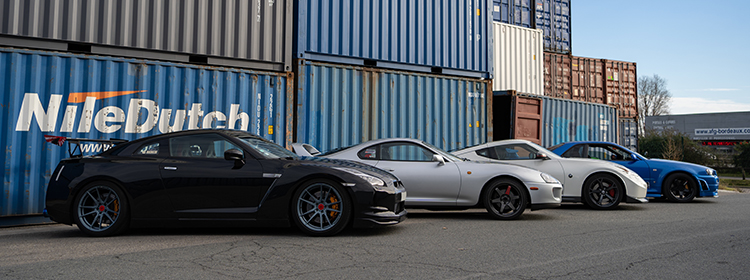
Credit: www.jdmbuysell.com
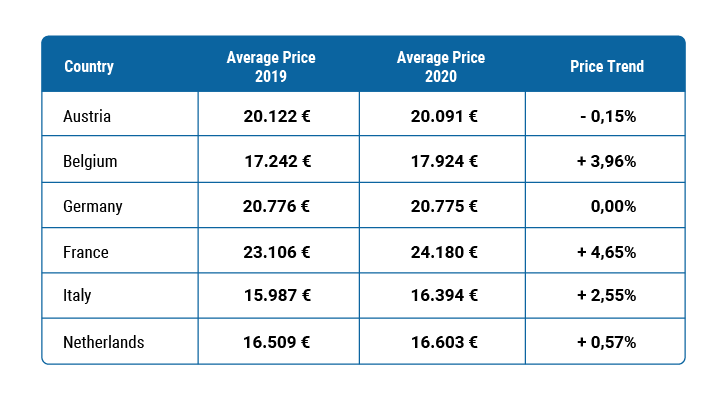
Credit: www.carfax.eu
Frequently Asked Questions
How Much Does It Cost To Import A Car?
Importing a car typically costs between $2,000 and $5,000. This includes shipping, customs fees, taxes, and inspection charges. Costs vary based on the car’s origin, size, and import regulations of the destination country.
What Taxes And Fees Apply When Importing A Car?
Import taxes include customs duty, VAT or sales tax, and sometimes environmental fees. Rates depend on the car’s value, age, and country-specific rules. Always check local regulations before importing to avoid unexpected costs.
How Long Does Car Import Shipping Take?
Shipping usually takes 2 to 8 weeks, depending on the distance and shipping method. Sea freight is common but slower, while air freight is faster but more expensive. Delays can occur due to customs clearance or paperwork issues.
Can I Import Any Car Without Restrictions?
No, some cars face import restrictions based on age, emissions standards, or safety regulations. Check your country’s import rules carefully. Certain vehicles may require modifications or may be completely prohibited from import.
Conclusion
Importing a car costs vary based on many factors. Shipping fees, taxes, and customs duties add up quickly. Paperwork and inspections also affect the total price. Planning ahead helps avoid unexpected expenses. Knowing all costs makes importing easier and less stressful.
Take your time to research and compare options. This way, you get the best deal without surprises. Importing a car can be rewarding with careful preparation.


