

Are you thinking about tinting your car windows but wondering how much it will cost? Knowing the price upfront can help you decide if window tinting is worth it for your ride.
Whether you want to keep your car cooler, protect your interior, or add a sleek look, understanding the costs involved is key. You’ll discover the real price range for window tinting and what factors can affect the final bill. Keep reading to find out how to get the best value for your money and make the right choice for your car.
Factors Affecting Tinting Cost
Several factors influence the cost of window tinting for a car. Understanding these elements helps estimate the price more accurately. Each factor plays a part in the final cost you pay.
Type Of Tint Film
The quality and type of tint film affect the price significantly. Basic dyed films cost less but offer less heat protection. Ceramic and metalized films cost more but block more heat and UV rays. Higher-quality films last longer and look better.
Vehicle Size And Type
Large vehicles like SUVs or trucks require more tint film. This increases the cost compared to smaller cars. Curved or complex windows also need more work, raising the price. The shape and size of the vehicle matter.
Number Of Windows
The total number of windows you want tinted impacts the cost. Tinting only the front windows costs less than tinting all windows. Rear windows and the windshield need special films, which can be pricier. More windows mean higher costs.
Labor And Installation Fees
Skilled labor affects the final price. Experienced installers charge more for quality work. Installation time varies by vehicle and tint type, impacting labor costs. Poor installation can cause bubbles or peeling, so choose wisely.
Geographic Location
Prices vary by location due to local market rates. Urban areas often have higher costs than rural ones. State laws on tint darkness can affect the type of film used. Local demand and competition also influence pricing.

Credit: www.acutintpro.com
Common Tint Film Options
Choosing the right window tint film affects both cost and performance. Different films offer unique benefits and price points. Understanding common tint film options helps pick the best fit for your car and budget.
Dyed Window Tint
Dyed tint is the most affordable choice. It uses a layer of dye to block sunlight and reduce glare. This tint darkens windows but does not block heat well. It may fade over time due to sun exposure. Many drivers pick dyed tint for a simple, budget option.
Metalized Window Tint
Metalized tint contains tiny metal particles. These particles reflect heat and strengthen the film. This tint offers better heat reduction than dyed tint. It can interfere with phone signals and GPS. Metalized tint lasts longer and is more durable.
Carbon Window Tint
Carbon tint uses carbon particles to block heat and UV rays. It does not fade or change color over time. This tint provides a matte finish and reduces glare well. Carbon tint is stronger than dyed and metalized options. It costs a bit more but offers great value.
Ceramic Window Tint
Ceramic tint uses advanced ceramic particles. It blocks heat and UV rays without metal. This tint does not affect radio or phone signals. Ceramic tint offers the best heat rejection and clarity. It is the most expensive option but highly effective.
Hybrid Window Tint
Hybrid tint blends dyed and metalized layers. It balances cost, heat rejection, and signal clarity. This tint reduces fading better than dyed alone. Hybrid tint offers moderate heat control and durability. It suits drivers who want middle-ground performance and price.
Average Price Ranges
Knowing the average price ranges for car window tinting helps you plan your budget. Prices differ based on the type of tint and the quality of work. This guide breaks down the common costs into three categories.
Budget Tinting Costs
Budget tinting usually costs between $50 and $150. This option uses basic films that block some sunlight. It offers limited heat reduction and may fade faster. Ideal for small cars or simple jobs.
Mid-range Tinting Prices
Mid-range tinting ranges from $150 to $300. These films have better heat and UV protection. They last longer and look nicer. Many car owners choose this option for good value.
Premium Tinting Options
Premium tinting can cost $300 or more. It uses advanced films with strong heat rejection. These films protect your car’s interior and improve privacy. Often includes a warranty for peace of mind.
Additional Costs To Consider
When planning to tint your car windows, the initial price is not the only cost. Several extra expenses can add up quickly. Knowing these costs helps you prepare your budget better. Here are some common additional costs to consider.
Removal Of Old Tint
Removing old tint is often necessary before applying new film. This process takes time and care to avoid window damage. Shops may charge an extra fee for removal. The cost depends on the tint’s condition and size of the windows. Expect to pay more if the old tint is peeling or damaged.
Custom Tint Designs
Custom tint designs add style and uniqueness to your car. Patterns, logos, or colors make your vehicle stand out. These customizations require special materials and extra work. This raises the price beyond basic tinting. Custom designs usually cost more, depending on complexity and size.
Warranty And Maintenance
Some shops offer warranties on tint films. Warranties protect against bubbling, fading, or peeling. They provide peace of mind for your investment. Maintenance services like cleaning or repairs may also cost extra. Check what warranty covers and for how long before deciding.
Diy Vs Professional Tinting
Deciding between DIY and professional window tinting can affect your car and budget. Both options have pros and cons. Understanding these helps you choose the best method for your needs.
Cost Comparison
DIY tint kits cost between $20 and $100. Professional tinting ranges from $100 to $400 or more. DIY is cheaper upfront but may lead to extra costs if mistakes happen. Professionals charge more but include tools and expertise in the price.
Quality And Durability
Professional tinting offers higher quality films and better installation. The tint lasts longer and looks smoother. DIY results depend on skill and patience. Poor application can cause bubbles and peeling. Professionals use precise cutting and heat tools for a perfect fit.
Risks And Challenges
DIY tinting requires patience and steady hands. Dust, air bubbles, and wrinkles are common problems. Mistakes can ruin the film and waste money. Professionals reduce risks by using experience and special equipment. They also handle legal tint limits to avoid fines.

Credit: www.raynofilm.com
Legal Restrictions On Tinting
Window tinting can improve your car’s look and comfort. But laws control how dark your tint can be. These rules protect drivers and police officers. Understanding legal limits helps you avoid fines and safety issues.
State And Local Laws
Each state has its own rules for car window tinting. Some cities or counties may add extra laws. Rules can differ a lot from place to place. Always check the laws in your area before tinting.
Permissible Tint Levels
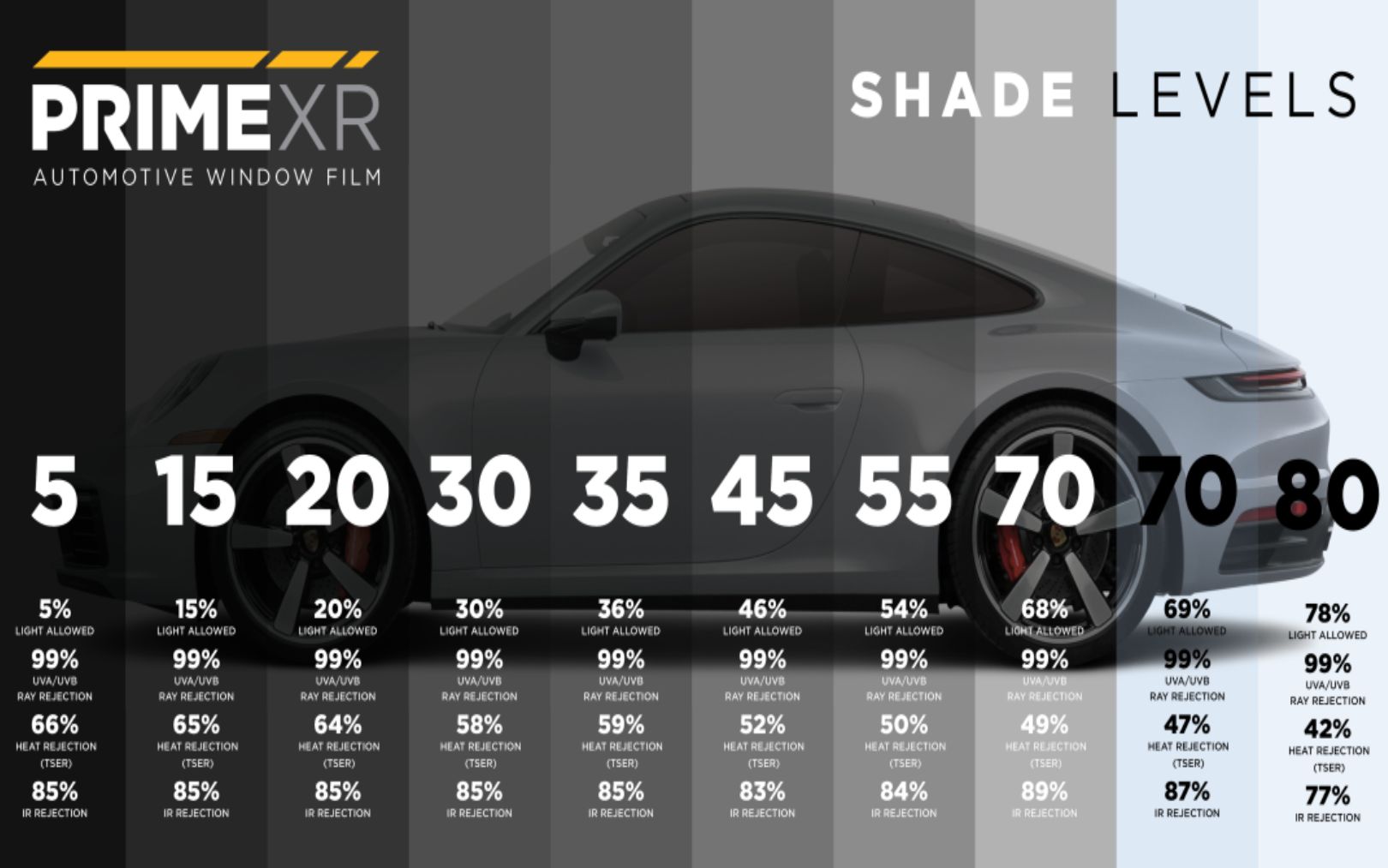
States set limits on how dark the tint can be. This limit is called Visible Light Transmission (VLT). VLT shows how much light passes through the glass. A lower VLT means darker tint. Front windows usually must allow more light than back windows.
Penalties For Non-compliance
Breaking tint laws can lead to fines or tickets. Police may require you to remove illegal tint. Some states add points to your driving record. Repeated offenses might cause higher penalties or car inspections.
Tips To Save On Tinting Costs
Saving money on car window tinting is possible with smart choices. Small steps can reduce your costs without lowering quality. Focus on the right film, search for deals, and consider service bundles.
Choosing The Right Film
Pick a tint film that fits your budget and needs. Basic films cost less and still offer good heat reduction. Avoid high-end films unless you need extra features. Simple films often last long and protect well.
Finding Promotions And Discounts
Check local shops for special offers or seasonal sales. Some places run discounts on holidays or weekends. Sign up for newsletters to get alerts about deals. Ask if they have coupons or group discounts available.
Bundling Services
Combine tinting with other car services to save money. Many shops offer packages for tinting and window cleaning or repairs. Bundles can lower the total price compared to separate services. Always ask about bundle options before deciding.
Credit: www.tintingchicago.com
Frequently Asked Questions
How Much Does Basic Car Window Tinting Cost?
Basic car window tinting typically costs between $100 and $200. Prices depend on car size and tint quality. Standard films offer UV protection and heat reduction. Installation fees may vary by location and service provider.
What Factors Affect Car Window Tinting Prices?
Prices vary based on tint quality, car size, and film type. Professional installation costs and local regulations also impact pricing. Darker or specialty films usually cost more. Additional features like ceramic or carbon tints increase expenses.
Is Professional Or Diy Tinting More Cost-effective?
DIY tinting is cheaper but risks poor results and legal issues. Professional tinting ensures quality, warranty, and compliance with laws. Though pricier, professionals save time and avoid mistakes. Choosing professional service is often more cost-effective long-term.
How Long Does Car Window Tinting Last?
Quality window tints last 5 to 10 years with proper care. Longevity depends on film type, installation quality, and maintenance. Avoid harsh cleaning agents and direct abrasion to extend life. Warranties often cover fading or bubbling issues.
Conclusion
Car window tinting costs vary by type and quality. Basic tints are cheaper but offer less protection. Premium films cost more but last longer and block more heat. Installation fees also affect the total price. Remember, investing in good tinting improves comfort and privacy.
Choose a tint that fits your budget and needs. Always check local laws before tinting your windows. This helps avoid fines or problems later. Window tinting is a smart choice for many drivers. It adds value and protection to your vehicle.


