

Are your brakes starting to feel less responsive or making strange noises? If so, you might be wondering, “How much for new rotors and brake pads?” Knowing the cost upfront can save you from surprises and help you make smart decisions for your car’s safety.
You’ll discover clear, straightforward answers about pricing, what affects the cost, and how to get the best value. Keep reading to protect your ride and your wallet with confidence.
Factors Affecting Rotor And Brake Pad Costs
Several factors influence the cost of new rotors and brake pads. These parts vary in price based on different aspects. Understanding these factors helps to estimate repair expenses better. Costs depend on the vehicle, parts quality, labor, and location.
Type Of Vehicle
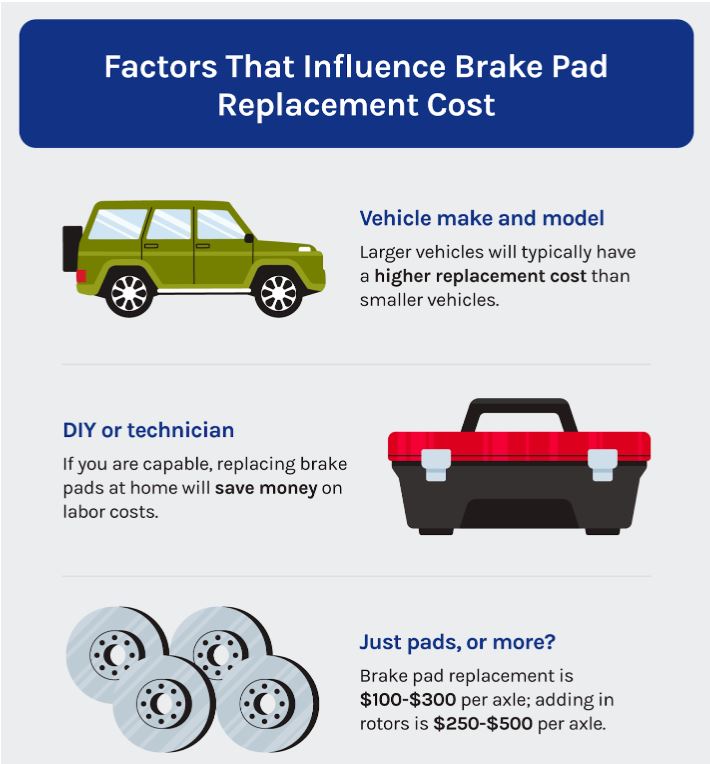
The make and model affect rotor and brake pad costs. Luxury and sports cars usually need pricier parts. Standard sedans and compact cars have more affordable options. Larger vehicles like trucks may require bigger, more expensive rotors.
Quality Of Parts
Brake parts come in various quality levels. OEM (Original Equipment Manufacturer) parts often cost more. Aftermarket parts vary from budget to premium quality. Higher-quality parts last longer and perform better but increase the price.
Labor Charges
Labor costs differ by mechanic and shop. Dealerships charge more than independent garages. The job’s complexity also affects labor time. Brake jobs are usually straightforward but vary by vehicle type.
Geographical Location
Costs change based on where you live. Urban areas tend to have higher labor rates. Rural areas may offer cheaper service but fewer options. Regional price differences affect the total repair cost.
Credit: www.hollenshades.com
Average Prices For Rotors
Replacing rotors is a key part of brake maintenance. Knowing average prices helps plan your budget. Rotor costs vary by type, material, and brand. Understanding these factors ensures the right choice for your vehicle.
Standard Vs Performance Rotors
Standard rotors suit everyday driving and cost less. Prices usually range from $30 to $70 per rotor. Performance rotors are designed for sports or heavy-duty use. They often cost between $70 and $150 each. Performance rotors offer better heat resistance and durability.
Material Differences
Most rotors are made from cast iron. Cast iron rotors are affordable and reliable. Prices for cast iron usually fall between $30 and $80. Some rotors use carbon or ceramic materials. These cost much more, sometimes over $200 per rotor. They provide superior performance but at a higher price.
Brand Impact On Price
Well-known brands charge more for rotors. Premium brands offer better quality and longer life. Cheaper brands may save money but wear out faster. Brand reputation affects warranty and customer support. Choose a trusted brand to avoid frequent replacements.
Average Prices For Brake Pads
Brake pads wear out over time and need regular replacement. Knowing the average cost helps plan your budget. Prices vary by the type of brake pad you choose. Each type offers different benefits and price points.
Organic
Organic brake pads are usually the cheapest option. They cost about $30 to $50 per set. Made from natural materials, they are softer and quieter. These pads wear faster and produce more dust. Good for light, everyday driving.
Semi-metallic
Semi-metallic pads cost around $40 to $70 per set. They contain metal fibers that improve braking power. These pads last longer than organic ones. They can be a bit noisier and cause more rotor wear. Suitable for most cars and driving styles.
Ceramic Pads
Ceramic brake pads are the most expensive. Prices range from $70 to $120 per set. They offer quiet braking and low dust production. These pads last long and perform well in heat. Ideal for drivers wanting better performance and comfort.
Brand And Quality Variations
Brand names affect brake pad prices. Top brands charge more for quality and reliability. Cheaper brands may save money but wear out faster. Quality pads improve safety and driving experience. Always balance cost with trusted brand reputation.
Labor Costs For Replacement
Labor costs for replacing rotors and brake pads make up a large part of the total repair bill. This cost depends on the shop’s hourly rate and the time needed for the job. Understanding labor costs helps you plan your budget for brake repairs. You can choose between doing the work yourself or hiring a professional. Each choice affects the overall price and quality of the repair.
Diy Vs Professional Installation
Doing the brake job yourself saves labor costs. You only pay for parts. But you need tools and some skills. Mistakes can cause safety problems.
Professional mechanics charge for labor but ensure the job is done right. They have experience and the right tools. Professional work often comes with a warranty for peace of mind.
Hourly Rates And Time Estimates
Labor rates vary from $75 to $150 per hour. This depends on location and the shop’s reputation. Brake pad and rotor replacement usually takes 1 to 2 hours.
Simple jobs might cost less. Complex vehicles or rusted parts can take longer. Expect labor costs between $100 and $300 in most cases.
Cost Breakdown By Vehicle Type
Brake repairs vary widely in price. The cost depends a lot on the type of vehicle you drive. Different vehicles require different rotors and brake pads. This section breaks down the cost by vehicle type. It helps you understand what to expect for your car.
Knowing the cost differences can help you plan your budget better. It also guides you in choosing the right parts and service. Here is a clear cost breakdown for common vehicle types.
Sedans And Compact Cars
Sedans and compact cars usually have lower brake part costs. Rotors and brake pads for these cars are smaller and lighter. Parts often cost between $100 and $250 for both rotors and pads. Labor can add another $100 to $150. Total repair costs often range from $200 to $400. These vehicles are common, so parts are easy to find.
Suvs And Trucks
SUVs and trucks need bigger, stronger brake parts. Rotors and pads are larger and built for heavier loads. This raises the price. Parts can cost from $200 to $400 or more. Labor is usually higher too, around $150 to $250. Total costs often fall between $350 and $650. These vehicles require durable brakes for safety.
Luxury And Performance Vehicles
Luxury and performance cars have the highest brake repair costs. Their parts are made for high performance and precision. Rotors and pads can cost $400 to $800 or more. Labor charges are also higher, about $200 to $400. Total repair bills can reach $600 to $1,200. These vehicles often need specialty parts and expert service.
Credit: omegaautocare.com
Signs You Need New Rotors And Pads
Knowing when to replace your rotors and brake pads is key to safe driving. Worn parts can affect your car’s stopping power. Early signs can save you from costly repairs and dangerous situations. Watch for sounds, feelings, and dashboard signals. These clues help you spot problems early.
Squeaking And Grinding Noises
Squeaking sounds often mean brake pads are wearing thin. The noise is a warning from metal wear indicators. Grinding noises are louder and worse. They happen when pads wear completely down. Metal parts rub against the rotor. This can damage the rotor and reduce braking power.
Vibrations And Pulling
Vibrations in the brake pedal or steering wheel indicate rotor issues. Warped rotors cause these shakes during braking. Pulling happens when the car drifts to one side. Uneven pad wear or rotor damage can cause this. Both problems reduce control and increase stopping distance.
Warning Lights
Brake system warning lights on the dashboard need attention. They may signal low brake fluid or worn components. Some cars have sensors for brake pad thickness. A light means it’s time for inspection. Ignoring these warnings can lead to brake failure.
Tips To Save On Brake Maintenance
Brake maintenance can be costly, but smart choices help reduce expenses. Saving money on new rotors and brake pads starts with simple habits. These tips keep your brakes safe and your wallet happy.
Choosing The Right Parts
Select brake parts that fit your vehicle. Avoid very cheap parts; they wear out fast and cost more in the long run. Quality parts last longer and work better. Check for parts that meet safety standards. Sometimes mid-range parts offer the best value. Don’t buy more than you need.
Regular Inspections
Check your brakes often. Early signs of wear prevent big repairs. Inspect pads and rotors every few months. Catching problems early saves money. Clean brake parts to avoid damage. Regular checks keep your car safe and reduce costs.
Finding Trusted Mechanics
Choose mechanics who are honest and experienced. Ask for recommendations from friends or family. A trusted mechanic gives fair prices and good service. Avoid places that push extra repairs. A reliable mechanic helps you save money over time.
Credit: www.aaa.com
Frequently Asked Questions
How Much Do New Brake Pads Typically Cost?
New brake pads generally cost between $50 and $150 per axle. Prices vary based on vehicle type and pad quality. Labor charges add to the total cost when installed by a mechanic.
What Is The Average Price For New Brake Rotors?
Brake rotors usually cost between $30 and $75 each. High-performance or specialty rotors can cost more. Installation fees are additional if you choose professional service.
Are Labor Costs Included In Rotor And Pad Prices?
Labor costs are often separate from part prices. Expect to pay $80 to $150 for professional installation. Labor fees depend on the vehicle and service location.
Can I Save Money By Replacing Rotors And Pads Myself?
DIY replacement can save labor costs but requires tools and skill. Incorrect installation risks safety and may cause damage. Only attempt if confident in your mechanical abilities.
Conclusion
New rotors and brake pads cost varies by car and quality. Choose parts that fit your budget and safety needs. Regular brake checks help avoid bigger repair bills later. Good brakes keep you safe on the road every day. Don’t wait until brakes fail; act early to save money.
Simple care extends the life of your brake system. Remember, safe brakes mean safer driving for you and others.


