

Have you ever wondered how much fuel should be in your fuel filter? It’s a simple question, but the answer can make a big difference in how well your vehicle runs.
Too little fuel, and your engine might struggle; too much, and you could face leaks or damage. Understanding the right amount helps you keep your engine healthy and avoid costly repairs. You’ll discover exactly what to look for and why it matters—so you can take control of your vehicle’s performance with confidence.
Keep reading to find out the key facts every driver needs to know.
Credit: www.opelgt.com
Role Of Fuel Filter
The fuel filter plays a key role in keeping an engine clean and healthy. It removes dirt, rust, and other particles from the fuel. Clean fuel helps the engine run smoothly and last longer. Without a good filter, these particles can damage engine parts.
The fuel filter also protects fuel injectors and carburetors. These parts need pure fuel to work well. A clogged or dirty filter can block fuel flow. This causes poor engine performance and higher fuel use.
Fuel Filtration Basics
Fuel filtration means cleaning the fuel before it reaches the engine. The filter traps tiny dirt and particles. It stops them from entering the engine’s fuel system. Most filters use paper or mesh material to catch impurities.
Fuel flows through the filter under pressure. The filter holds back harmful debris. Clean fuel then moves to the engine parts. Good filtration helps prevent engine wear and tear.
Importance In Engine Performance
Clean fuel is vital for good engine performance. The fuel filter ensures fuel is free from dirt. This helps the engine burn fuel efficiently. It improves power and reduces emissions.
A dirty or clogged filter reduces fuel flow. The engine may run rough or stall. Fuel economy drops and starting gets harder. Regular filter checks keep engines running well.
Fuel Level In Fuel Filter
The fuel level in the fuel filter plays a key role in engine performance. It ensures the engine gets clean and steady fuel flow. The right amount of fuel keeps the filter working well and protects the engine from damage. Too little or too much fuel in the filter can cause problems. Understanding the correct fuel quantity is important for vehicle care and smooth driving.
Recommended Fuel Quantity
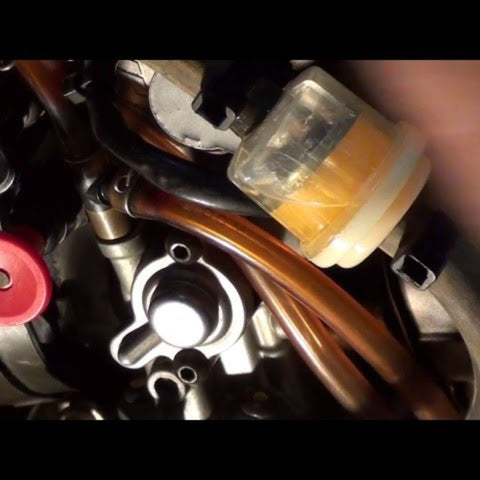
The fuel filter should have enough fuel to stay wet and clean. Usually, the filter holds just enough to cover the filter element. This amount varies by vehicle but is often less than half full. Keeping the filter properly filled helps it trap dirt and water effectively. Check your vehicle manual for the exact fuel quantity recommended.
Effects Of Low Fuel In Filter
Low fuel in the filter causes air to enter the fuel line. This can make the engine stall or run rough. The filter may dry out and fail to remove impurities. Fuel starvation leads to poor engine performance and higher fuel consumption. Repeated low fuel levels can damage fuel pumps and injectors.
Risks Of Overfilled Filter
Overfilling the fuel filter causes fuel to leak or overflow. It can flood the engine and make starting difficult. Excess fuel may reduce the filter’s ability to trap dirt. This increases wear on engine parts and lowers fuel efficiency. Overfilled filters can also cause fuel spillage, creating fire hazards.
Fuel Filter Types And Designs
Fuel filters play a key role in keeping engines clean and running well. Their design and type affect how much fuel they hold and how well they filter out dirt. Different vehicles use different fuel filters, each made for specific needs. Understanding these types helps in choosing the right filter and knowing how much fuel should be inside it.
Common Filter Variations
Fuel filters come in several styles. The most common are cartridge, spin-on, and in-line filters. Cartridge filters sit inside a housing and are easy to replace. Spin-on filters look like small cans and screw directly onto the fuel line or engine. In-line filters are small, simple devices placed right in the fuel hose. Each type varies in size and capacity.
Impact On Fuel Capacity
The design of a fuel filter affects its fuel capacity. Larger filters usually hold more fuel and can trap more dirt. Smaller filters hold less fuel and clean less, but they fit compact spaces. The amount of fuel inside the filter should be enough to keep the engine running smoothly. Too little fuel can cause engine problems. Too much fuel inside the filter may cause leaks or pressure issues.

Credit: www.youtube.com
Maintaining Fuel Filter Efficiency
Maintaining fuel filter efficiency is key to your vehicle’s health. A clean fuel filter keeps dirt, rust, and debris out of the engine. This helps the engine run smoothly and saves fuel. Fuel filters need regular care to work well and last longer.
Checking the fuel filter often stops problems before they start. Knowing the signs of trouble helps you act fast. Proper care ensures your engine gets clean fuel every time you drive.
Regular Inspection Tips
Check the fuel filter every 10,000 miles or as your vehicle manual says. Look for dirt, rust, or clogging on the filter’s surface. Use a flashlight to see inside the filter housing. Replace the filter if it looks dirty or old. Keep fuel clean by using good quality gas. Store fuel in clean containers to avoid contamination.
Signs Of Fuel Filter Issues
Engine starts slow or stalls often. Car feels weak or loses power during driving. Notice strange noises from the engine area. Fuel smells stronger than usual inside the car. Check engine light comes on without other issues. These signs mean the fuel filter might be dirty or blocked. Act fast to avoid bigger engine problems.
Fuel Quality And Filter Performance
Fuel quality directly affects how well a fuel filter works. Clean fuel helps the filter trap dirt and water. Dirty fuel clogs the filter quickly. This can stop the engine from running smoothly. Understanding fuel quality is key to keeping the filter effective.
Influence Of Contaminants
Contaminants in fuel include dirt, rust, and water. These particles damage the engine parts. The fuel filter blocks these harmful substances. If the fuel has too many contaminants, the filter fills up fast. This reduces fuel flow and engine power. Keeping fuel clean protects both the filter and engine.
Choosing The Right Fuel
Select fuel from trusted sources. Good fuel has fewer impurities and less water. Using poor-quality fuel means the filter works harder. This shortens the filter’s life and harms engine performance. Always check fuel for clarity and smell before use. Clean fuel helps the filter last longer and keeps the engine healthy.
Credit: riiroo.com
Replacing And Servicing Fuel Filters
Replacing and servicing fuel filters keeps your engine running smoothly. Fuel filters catch dirt and debris from the fuel. Over time, these particles clog the filter. This reduces fuel flow and harms engine performance. Regular maintenance helps avoid costly repairs. Knowing when and how to replace a fuel filter is important.
When To Replace
Check your vehicle’s manual for replacement intervals. Usually, fuel filters need changing every 20,000 to 40,000 miles. Signs of a clogged filter include engine misfires, stalling, or poor acceleration. Fuel smells or difficulty starting the engine can also signal a bad filter. Replace the filter sooner if you use low-quality fuel often. Regular checks prevent engine damage and improve fuel efficiency.
Proper Installation Practices
Use the right fuel filter model for your vehicle. Always relieve fuel system pressure before removal. Wear gloves and eye protection during the process. Install the new filter in the correct fuel flow direction. Tighten fittings securely but avoid over-tightening. Check for leaks after installation. Dispose of old filters according to local rules. Proper installation ensures the filter works well and lasts longer.
Frequently Asked Questions
How Much Fuel Should Be In A Fuel Filter?
A fuel filter should contain enough fuel to stay wet and prevent air entry. Typically, it holds just enough to cover the filter element. Avoid overfilling, as it can cause leaks or damage. Always refer to your vehicle’s manual for exact fuel filter specifications.
Why Is Fuel Level Important In A Fuel Filter?
Maintaining the correct fuel level in the filter ensures smooth fuel flow. It prevents air bubbles and engine misfires. Proper fuel levels also protect the fuel pump and engine from damage. This helps improve overall engine performance and fuel efficiency.
Can Too Much Fuel Damage The Fuel Filter?
Yes, excess fuel can cause leaks and pressure problems. Overfilled filters may lead to fuel spillage and increased engine wear. It’s crucial to keep the fuel level within the recommended range to avoid such issues and maintain vehicle safety.
How Often Should I Check Fuel Filter Fuel Level?
Check your fuel filter’s fuel level during regular vehicle maintenance or oil changes. This helps detect clogs or fuel contamination early. Following the manufacturer’s recommended service intervals ensures optimal fuel system performance and prevents costly repairs.
Conclusion
Keeping the right amount of fuel in your fuel filter matters a lot. Too little fuel can cause problems with engine performance. Too much fuel might lead to leaks or damage. Regular checks help keep your vehicle running smoothly. Clean and filled fuel filters improve fuel flow and engine life.
Remember, a well-maintained fuel filter saves you time and money. Simple care makes a big difference in your vehicle’s health. Stay attentive and keep your fuel filter in good shape.


