
Your vehicle’s fuel filter plays a small but crucial role in keeping your engine running smoothly. If it’s clogged or dirty, you might notice your car struggling to perform the way it should.
But how can you tell if your fuel filter really needs replacing before it causes bigger problems? You’ll discover clear signs to watch for and simple steps to check your fuel filter’s health. By knowing what to look for, you can save yourself time, money, and stress on the road.
Keep reading to learn exactly when and why your fuel filter needs attention.
Common Fuel Filter Functions
The fuel filter plays a key role in your vehicle’s engine. It cleans the fuel before it reaches the engine parts. This helps the engine run smoothly and last longer.
The filter removes dirt, rust, and other tiny particles. These particles can harm the engine if they pass through. The fuel filter also helps keep fuel injectors clean. Clean injectors improve fuel efficiency and reduce emissions.
Filtering Out Contaminants
The fuel filter stops harmful particles from entering the engine. Dirt and rust can come from old fuel tanks or gas stations. The filter traps these particles to protect engine parts.
Protecting Fuel Injectors
Fuel injectors spray fuel into the engine. They need clean fuel to work well. The filter stops debris from clogging or damaging injectors. This keeps the engine running smooth and strong.
Maintaining Engine Performance
Clean fuel helps the engine burn fuel efficiently. The filter prevents blockages that can reduce power. A good fuel filter keeps the engine responsive and saves fuel.

Credit: www.autonationmobileservice.com
Key Signs Of A Clogged Fuel Filter
A clogged fuel filter can cause several problems in your vehicle. It stops fuel from flowing properly. This affects engine performance and overall driving experience. Recognizing the signs early helps avoid costly repairs.
Engine Performance Issues
The engine may run rough or stall suddenly. You might feel a lack of power during acceleration. Hesitation or jerking can occur while driving. These happen because the engine is not getting enough fuel.
Starting Problems
Your car may take longer to start or fail to start at all. This happens when the fuel filter blocks fuel flow. The engine struggles to get the fuel it needs. Starting issues often mean the fuel filter needs attention.
Unusual Engine Sounds
You might hear sputtering or coughing sounds from the engine. These noises show the engine is struggling. A clogged fuel filter can cause these strange sounds. It is a sign to check the fuel system.
Reduced Fuel Efficiency
Your car may use more fuel than usual. A blocked fuel filter makes the engine work harder. This leads to poor fuel economy. Noticing a drop in mileage can indicate a clogged fuel filter.
Visual Inspection Tips
Visual inspection helps spot early signs of a fuel filter problem. You do not need special tools for this check. Just a careful look can reveal a lot about the filter’s condition. Detecting issues early keeps your engine running smoothly and saves costly repairs.
Checking For Fuel Contaminants
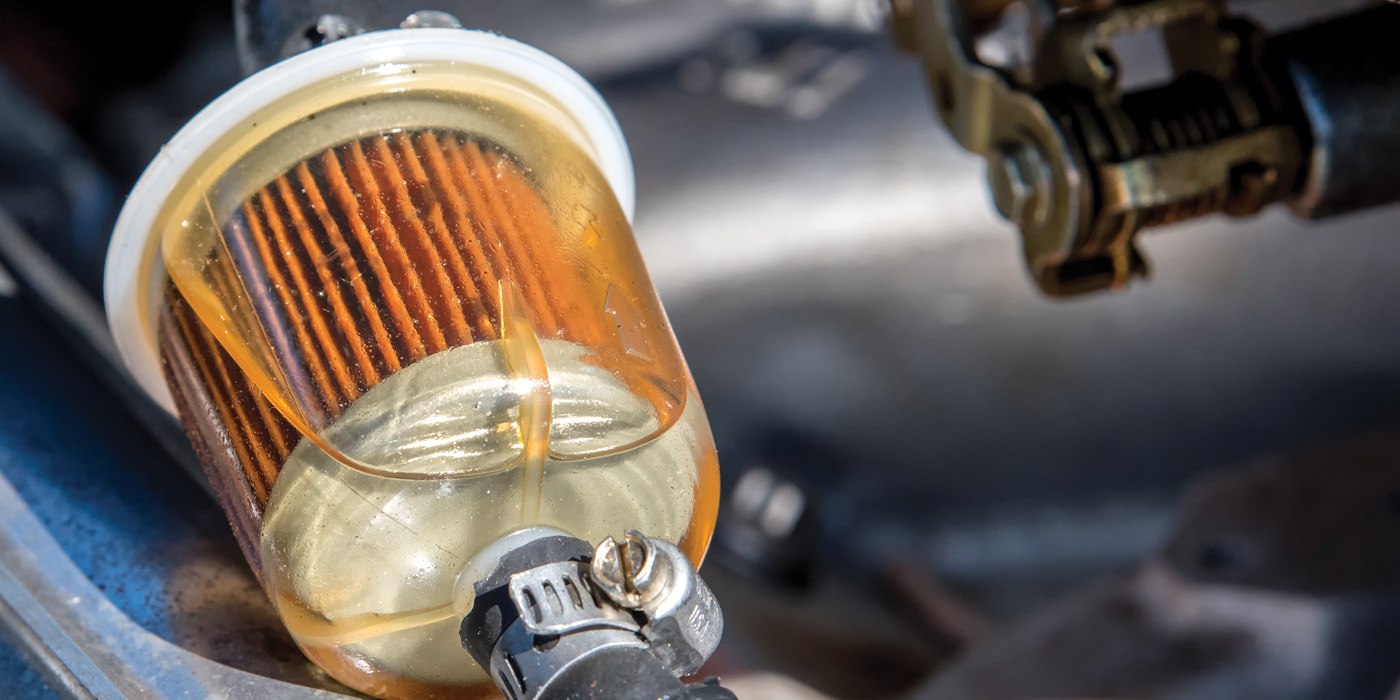
Look closely at the fuel filter for dirt or debris. Contaminants can block the filter and reduce fuel flow. Check for any dark particles or sludge inside or around the filter. These signs mean the filter is trapping harmful materials. Clean fuel is vital for engine health.
Filter Condition And Damage
Examine the filter’s outer surface for cracks or dents. Damage lets dirt pass through and harms the engine. Check for rust or corrosion on metal parts. Rust weakens the filter’s strength and causes leaks. A damaged filter needs quick replacement to avoid engine trouble.
Fuel Filter Replacement Frequency
Knowing how often to replace your fuel filter helps keep your engine healthy. A clean fuel filter ensures fuel flows smoothly and your car runs well. Replacement frequency varies by car model and driving habits. Checking this often saves money and prevents engine problems.
Manufacturer Recommendations
Car makers suggest specific intervals for fuel filter replacement. Usually, it ranges from 20,000 to 40,000 miles. Your vehicle’s manual shows the best schedule. Following these guidelines keeps your warranty valid. Stick to the recommended timeline for best results.
Driving Conditions Impact
Harsh driving conditions can shorten fuel filter life. Dusty roads and stop-and-go traffic cause faster clogging. Frequent short trips also affect filter performance. Drivers in these conditions may need earlier replacements. Watch for signs like rough idling or poor acceleration.
Tools Needed For Replacement
Replacing a fuel filter requires the right tools. Using proper tools makes the job easier and safer. You avoid damage to your vehicle and save time. Here are the basic tools needed for a fuel filter replacement.
Wrenches And Socket Set
Wrenches and sockets help loosen and tighten bolts. Choose sizes that fit your fuel filter connections. A ratchet wrench speeds up removal and installation.
Fuel Line Disconnect Tool
This tool releases fuel lines from the filter. It fits various fuel line types. Using it prevents damage to fuel lines and fittings.
Screwdrivers
Screwdrivers remove clamps or covers around the fuel filter. Flathead and Phillips types cover most screws. Keep them handy for quick access.
Drain Pan
A drain pan catches fuel that spills during replacement. It keeps your workspace clean and safe. Choose a pan large enough to hold fuel volume.
Safety Gloves And Glasses
Safety gear protects your hands and eyes. Gloves stop fuel from irritating your skin. Glasses shield your eyes from splashes.
Rags Or Shop Towels
Rags clean up spilled fuel and dirt. They help wipe tools and hands during the job. Use absorbent towels for better cleanup.
Credit: www.import-car.com
Step-by-step Replacement Guide
Replacing a fuel filter is important for your vehicle’s health. A clean filter keeps fuel flowing smoothly. This step-by-step guide helps you change the fuel filter safely and easily. Follow each step carefully for best results.
Prepare Your Tools And Workspace
Gather all needed tools before starting. Common tools include wrenches, screwdrivers, and gloves. Find a clean, flat area to work on your vehicle. Make sure the engine is cool to avoid burns. Turn off the ignition and disconnect the battery for safety.
Locate The Fuel Filter
Check your vehicle’s manual to find the fuel filter location. It is often near the fuel tank or engine. Look for a small cylinder connected to fuel lines. Clean the area around the filter to prevent dirt entering the system.
Release Fuel System Pressure
Fuel is under pressure and can spray out. To avoid spills, release the pressure first. Find the fuel pump fuse and remove it. Start the engine and let it run until it stops. This step reduces fuel pressure safely.
Remove The Old Fuel Filter
Wear gloves to protect your hands from fuel. Loosen the clamps or bolts holding the filter. Carefully disconnect the fuel lines from both ends. Keep a rag nearby to catch any fuel drips. Remove the old filter and dispose of it properly.
Install The New Fuel Filter
Check the new filter for correct direction. It usually has an arrow showing fuel flow. Attach the fuel lines to the new filter. Tighten clamps or bolts securely to prevent leaks. Ensure no parts are loose before moving on.
Test The New Filter
Reconnect the fuel pump fuse and battery. Turn the ignition on but do not start the engine. Listen for the fuel pump to pressurize the system. Check for any fuel leaks around the filter. Start the engine and observe its performance for a few minutes.
Preventing Future Fuel Filter Issues
Preventing future fuel filter issues helps keep your car running smoothly. A clean fuel filter stops dirt and debris from reaching the engine. This saves you from costly repairs and poor engine performance. Taking steps to avoid filter problems can extend your vehicle’s life.
Simple habits can protect your fuel filter. These habits help avoid blockages and maintain fuel flow. Follow easy tips to keep your fuel system healthy.
Regular Maintenance Tips
Check your fuel filter regularly as part of routine car care. Replace it according to the manufacturer’s schedule. This usually means every 20,000 to 30,000 miles. Keep an eye out for signs like slow acceleration or engine misfires. Clean fuel injectors also help maintain good fuel flow. Use a fuel system cleaner occasionally to reduce buildup. Keep your fuel tank clean by avoiding filling up from dirty sources.
Using Quality Fuel
Choose high-quality fuel from trusted gas stations. Good fuel contains fewer impurities that clog the filter. Avoid cheap or suspicious fuel sources. Clean fuel reduces dirt and water in the system. Water can cause rust inside the fuel filter. This shortens the filter’s life and harms the engine. Use fuel additives designed to keep the fuel system clean. Better fuel means better engine performance and fewer filter problems.

Credit: www.familyhandyman.com
Frequently Asked Questions
How Often Should I Replace My Fuel Filter?
Replace your fuel filter every 20,000 to 30,000 miles. Check your vehicle’s manual for specific intervals. Regular replacement prevents engine issues and maintains fuel efficiency.
What Are Common Signs Of A Clogged Fuel Filter?
Symptoms include engine misfires, stalling, poor acceleration, and difficulty starting. A clogged filter restricts fuel flow, causing these performance problems.
Can A Dirty Fuel Filter Damage The Engine?
Yes, a dirty fuel filter can cause engine damage. It reduces fuel flow, leading to poor combustion and potential engine wear over time.
How Do I Check If My Fuel Filter Needs Replacing?
Look for reduced engine power, rough idling, or unusual noises. A mechanic can also test fuel pressure to confirm if replacement is needed.
Conclusion
A clean fuel filter helps your engine run smoothly. Watch for signs like rough idling or poor acceleration. Regular checks prevent costly repairs down the road. Changing the filter keeps fuel flowing well. Pay attention to your car’s performance and fuel efficiency.
Simple steps can save time and money. Stay ahead by replacing the fuel filter when needed. Your engine will thank you with better power and less trouble.


