If your car’s brakes are making noise or not working as well as before, you might be wondering: how much is a brake rotor and pad replacement going to cost you? Knowing the price ahead of time can save you stress and help you plan your budget.
You’ll discover the factors that affect the cost, what to expect from different types of replacements, and tips to get the best value without compromising safety. Keep reading to find out exactly what you need to know before you book that brake repair.
Brake Rotor And Pad Replacement Costs
Brake rotor and pad replacement costs vary widely. These parts wear out over time and need regular changes. Knowing the typical costs helps you plan your car maintenance budget. Prices depend on many factors, including car type and labor rates.
Average Price Range
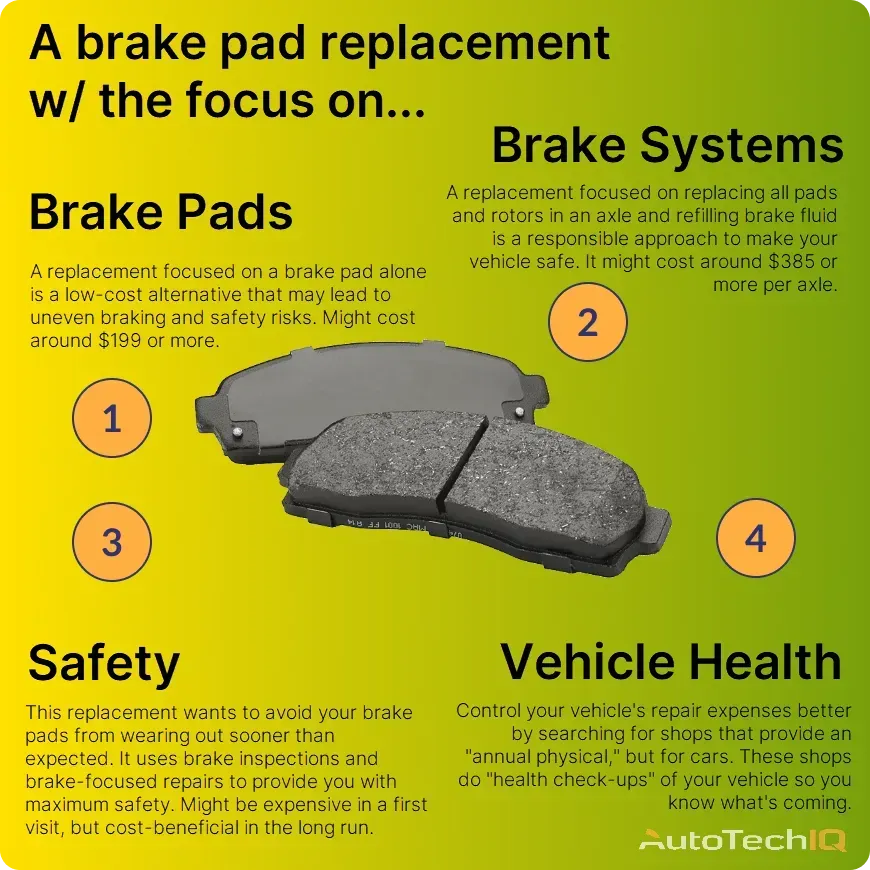
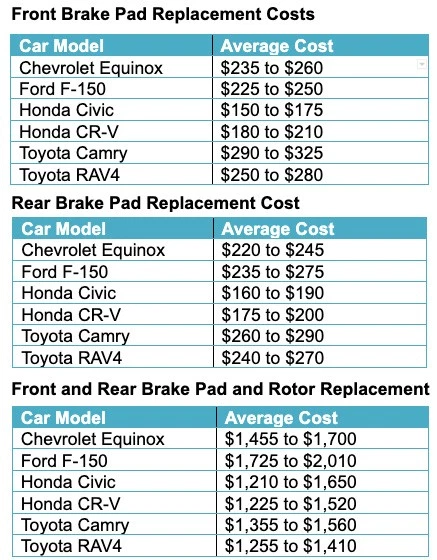
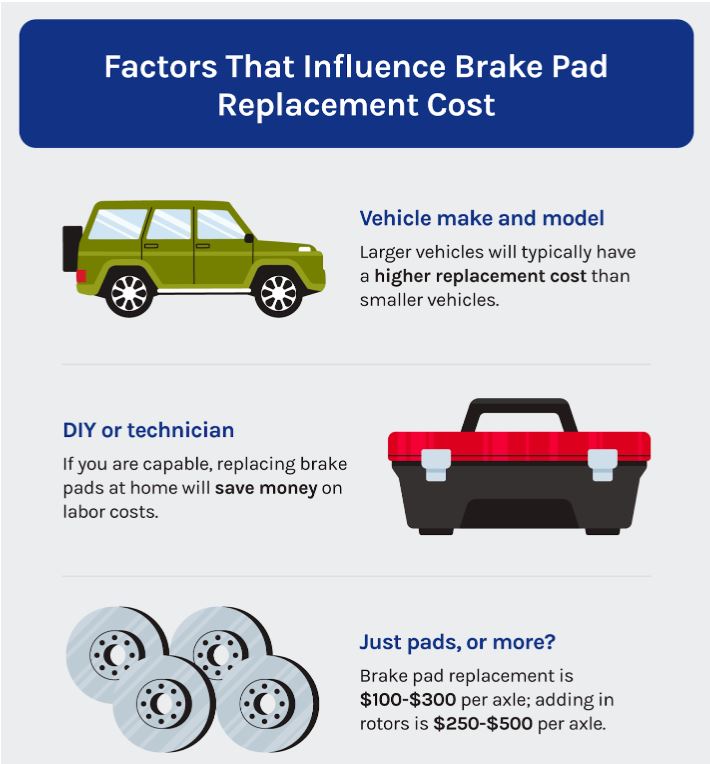
Brake pads usually cost between $50 and $150 per axle. Rotors can range from $30 to $75 each. Labor charges add about $100 to $200. Total replacement can cost $150 to $300 per axle on average. Luxury or performance cars may have higher prices.
Factors Affecting Costs
Car make and model influence part prices. Some cars need special rotors or pads, raising costs. Labor rates vary by location and shop. The quality of parts also matters. High-end or ceramic pads cost more. Damage to other brake parts can increase repair bills.
Types Of Brake Rotors
Brake rotors play a key role in vehicle safety. They work with brake pads to stop your car. Different types of rotors fit different driving needs. Choosing the right rotor affects performance and cost. Below are the main types of brake rotors you might find.
Standard Rotors
Standard rotors are the most common type. They have a smooth, flat surface. These rotors work well for daily driving and city roads. They offer reliable stopping power and last a long time. Standard rotors are usually the cheapest option. They fit most cars and trucks easily.
Performance Rotors
Performance rotors are designed for better braking. They often use stronger materials and special designs. These rotors handle heat better during fast stops. Drivers who want quick, sharp braking choose performance rotors. They cost more but improve control and safety on the road.
Drilled And Slotted Rotors
Drilled and slotted rotors have holes or grooves on the surface. The holes help cool the rotor and reduce brake fade. Slots clear away dirt and water for better grip. These rotors improve braking in wet or tough conditions. They often look sportier and cost more than standard rotors.
Brake Pad Options
Brake pads wear out over time and need replacement with rotors. Choosing the right brake pads affects your car’s safety and performance. Different types suit different driving styles and budgets. Understanding each type helps you make a smart choice.
Brake pads vary in material, cost, and durability. Each type has pros and cons. Here are the main brake pad options available.
Organic Pads
Organic pads use natural materials like rubber, glass, and resin. They are softer and quieter than other types. These pads cause less wear on rotors. They work well for city driving and light use. Organic pads usually cost less but wear out faster. They produce more dust during braking.
Semi-metallic Pads
Semi-metallic pads contain metal fibers mixed with other materials. They offer strong braking power and last longer than organic pads. These pads handle heat better, making them good for heavy use. Semi-metallic pads can be noisier and cause more rotor wear. They cost more than organic pads but less than ceramic ones.
Ceramic Pads
Ceramic pads use ceramic fibers and small amounts of metal. They provide smooth, quiet braking with less dust. Ceramic pads last longer and keep rotors cleaner. These pads perform well in many temperatures. They cost more upfront but save money over time. Ceramic pads suit daily driving and long trips.
Labor Costs Explained
Labor costs make up a large part of brake rotor and pad replacement. These costs vary based on many factors. Understanding these costs helps you plan your budget better. The labor cost depends on the time and skill needed for the job. Brake replacement requires care and experience to ensure safety. The total cost is not just parts but also the mechanic’s work.
Diy Vs Professional Service
Doing the brake replacement yourself can save labor costs. You only pay for parts and tools. But this requires skill and the right tools. Mistakes can be costly and dangerous. Professional service means a trained mechanic handles the job. They have experience and proper equipment. It usually costs more but offers safety and quality. Consider your skill level before choosing DIY or professional help.
Regional Price Differences
Labor costs vary by location. Big cities often charge more for brake work. Rural areas may have lower prices. Local demand and cost of living affect rates. Some shops charge by the hour, others a flat fee. Always check prices in your area for a clear estimate. This helps avoid surprises at the repair shop.
Signs You Need Replacement
Brake rotors and pads wear out over time. Knowing the signs of wear helps keep your car safe. Early detection avoids costly repairs and ensures smooth driving. Watch for these clear signs that show it’s time for replacement.
Squeaking Or Grinding Noises
A high-pitched squeak or grinding sound means brake parts are worn. Squeaking often occurs when pads get thin. Grinding indicates metal rubbing on metal, which can damage rotors. These noises need quick attention to prevent further damage.
Reduced Braking Performance
Brakes that feel weak or slow to respond are unsafe. You may notice the car takes longer to stop. A soft or spongy brake pedal also signals problems. These issues mean the pads or rotors are not working properly.
Visible Wear And Damage
Look at the brake pads and rotors through the wheel. Pads should have at least a quarter inch of material left. Rotors with deep grooves, cracks, or rust need replacing. Damaged parts reduce braking efficiency and safety.
Credit: www.autotechiq.com
Saving Tips On Replacement
Replacing brake rotors and pads can be costly. Saving money helps keep your car safe without breaking your budget. Small choices add up to big savings. Follow these tips to lower your costs and extend the life of your brakes.
Buying Parts Online
Online stores often offer lower prices than local shops. You can compare many brands and prices quickly. Check reviews to ensure the parts are good quality. Look for free shipping deals or discounts. Buying online saves money and time.
Choosing Quality Over Price
Cheap parts may wear out fast. Poor quality can cause more damage and cost more later. Good parts last longer and work better. Spend a little more now to avoid frequent replacements. Quality parts keep your brakes safe and reliable.
Regular Maintenance Benefits
Check your brakes regularly to catch problems early. Clean parts last longer and work better. Replacing pads before rotors wear out saves money. Regular checks avoid costly repairs and keep driving safe. Small care goes a long way.
Additional Repair Costs
Brake rotor and pad replacement costs cover the main parts and labor. Sometimes, extra repairs become necessary. These additional costs can raise the total bill. Understanding these helps prepare for unexpected expenses.
Caliper Replacement
The brake caliper pushes the pads against the rotor. A damaged caliper may leak or stick. Replacing it adds to the repair cost. Caliper replacement can cost $100 to $200 per wheel.
Brake Fluid Flush
Brake fluid wears out over time. Flushing removes old fluid and adds new. This keeps brakes working well and safe. A brake fluid flush usually costs between $70 and $120.
Rotor Resurfacing
Rotors can sometimes be resurfaced instead of replaced. This means smoothing the rotor surface. It costs less than buying a new rotor. Resurfacing usually adds $15 to $40 per rotor.
Credit: www.ebay.com
Credit: www.aaa.com
Frequently Asked Questions
How Much Does Brake Rotor And Pad Replacement Cost?
Brake rotor and pad replacement typically costs between $250 and $400. Prices vary by vehicle type and labor rates. Parts quality also affects the total price. Always get a detailed quote before service.
What Factors Influence Brake Rotor And Pad Replacement Prices?
Prices depend on vehicle make, model, and part quality. Labor costs vary by location and shop. Additional repairs, like caliper replacement, increase the total expense. Regular maintenance can help reduce overall costs.
How Often Should Brake Rotors And Pads Be Replaced?
Brake pads usually need replacement every 30,000 to 70,000 miles. Rotors last longer but may require replacement every 50,000 to 70,000 miles. Driving habits and road conditions also affect wear and replacement frequency.
Can I Replace Brake Rotors And Pads Myself?
Yes, if you have mechanical skills and proper tools. However, professional service ensures safety and correct installation. DIY replacement may save money but carries risks if done incorrectly.
Conclusion
Brake rotor and pad replacement costs vary by car and location. Parts and labor make up the total price. Regular brake checks help avoid big expenses later. Choosing quality parts ensures safety and longer use. Timely replacements keep your vehicle running smoothly.
Understanding these costs helps you plan your budget well. Don’t delay fixing worn brakes for your safety. A well-maintained brake system gives peace of mind on the road. Simple steps save money and protect your car’s health.