

Are you hearing strange noises when you brake or feeling your steering wheel vibrate? Your brake rotors might need some attention.
But before you rush to the mechanic, you probably want to know one thing: how much is brake rotor resurfacing going to cost you? Understanding the price can help you make the best decision for your car and your budget.
Keep reading to discover what affects the cost, whether resurfacing is worth it, and how to save money without compromising your safety.

Credit: www.youtube.com
Brake Rotor Resurfacing Basics
Brake rotor resurfacing is a common service in car maintenance. It helps keep brakes working well and extends rotor life. Understanding the basics can save money and improve safety.
This section explains what brake rotor resurfacing means and when it is needed. Knowing this helps you make smarter choices for your vehicle’s care.
What Is Brake Rotor Resurfacing
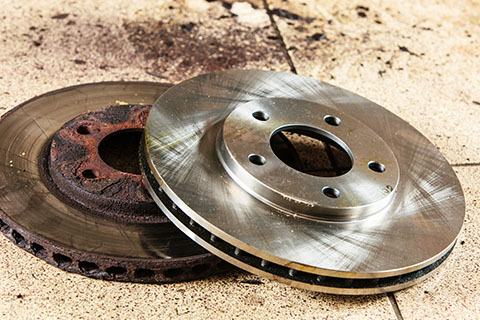
Brake rotor resurfacing is the process of smoothing the rotor’s surface. The rotor is the round metal part that the brake pads press against.
Over time, rotors can get grooves, rust, or uneven spots. Resurfacing removes these imperfections by shaving a thin layer off the rotor.
This makes the surface even again. It helps brakes stop the car smoothly and quietly. Resurfacing is cheaper than buying new rotors.
When Resurfacing Is Needed
Resurfacing is needed if the rotors show signs of wear. Common signs include vibrations when braking or a rough feeling under the brake pedal.
Rotors may also have visible grooves or rust spots. A mechanic can measure rotor thickness to see if resurfacing is safe.
If the rotor is too thin, resurfacing is not an option. But if there is enough thickness and damage is minor, resurfacing can restore its surface.
Factors Influencing Resurfacing Costs
Several factors impact the cost of brake rotor resurfacing. Understanding these helps you estimate the price better. The costs vary based on the rotor’s state, your vehicle, and the service location. Each part plays a role in the final bill.
Rotor Condition And Damage
The rotor’s condition directly affects resurfacing costs. Minor surface wear costs less to fix. Deep grooves or warping require more work and raise prices. Severely damaged rotors might need replacement instead of resurfacing. The more damage, the higher the cost.
Vehicle Make And Model
Different vehicles have different rotor sizes and types. Luxury or sports cars often have pricier parts. Common cars usually have affordable rotor resurfacing. The make and model affect the complexity of the job. This changes the total resurfacing cost.
Labor Charges
Labor fees vary between shops and mechanics. Experienced technicians may charge more but work faster. Some shops include labor in a flat fee. Others charge hourly rates. Labor time depends on rotor condition and vehicle type.
Location And Service Provider
Service costs differ by region and provider. Urban areas often have higher prices than rural ones. Dealerships usually cost more than independent garages. Local competition can lower prices. Always compare nearby service providers for the best deal.
Average Cost Range In 2025
The average cost range for brake rotor resurfacing in 2025 varies by vehicle type and service location. This process involves smoothing the rotor surface to improve braking performance. Costs depend on the rotor condition and labor charges at the shop. Understanding these costs helps plan your car maintenance budget effectively.
Typical Price For Standard Vehicles
For most standard cars, brake rotor resurfacing costs between $30 and $75 per rotor. This price includes labor and materials. Standard vehicles usually have simpler rotor designs, making resurfacing quicker and less costly. This range suits everyday cars like sedans and compact SUVs.
Costs For Luxury And Specialty Cars
Luxury and specialty cars face higher resurfacing costs, typically $80 to $150 per rotor. These vehicles have complex rotor designs and require skilled technicians. The materials used can also be more expensive. Expect higher prices at dealerships or specialty shops for these cars.
Comparing Resurfacing Vs. Replacement
Resurfacing costs less than replacing brake rotors. Replacement usually ranges from $150 to $300 per rotor. Resurfacing extends rotor life if damage is minor. Deep grooves or cracks need replacement instead. Choosing resurfacing saves money but depends on rotor condition and safety.
Saving Money On Resurfacing
Saving money on brake rotor resurfacing can make a big difference in your car maintenance budget. Resurfacing is cheaper than replacing rotors, but costs can still add up. Smart choices help reduce expenses without risking safety or quality. Explore simple ways to cut costs on this service.
Diy Resurfacing Risks And Tips
Doing rotor resurfacing yourself can save money on labor fees. But it requires special tools and skills. Mistakes may cause uneven rotors or damage. This can lead to costly repairs later. Only try DIY if you understand the process well. Always follow safety steps and use proper equipment.
Finding Affordable Service Centers
Not all repair shops charge the same for resurfacing. Local shops often offer lower prices than dealerships. Call a few places to compare costs. Some centers give free quotes or price matches. Check reviews to ensure quality service at a fair price. Affordable does not mean poor work.
Using Coupons And Discounts
Coupons and discounts can lower resurfacing costs. Many shops offer seasonal deals or first-time customer discounts. Look for online coupons on their websites or social media pages. Some credit cards also provide discounts for car repairs. Saving a few dollars adds up over time.
Signs You Need Rotor Resurfacing
Brake rotor resurfacing is necessary when rotors wear unevenly or get damaged. Recognizing the signs early helps avoid costly repairs and keeps driving safe. Knowing these signs lets you act before the problem worsens.
Brake Noise And Vibration
Squealing, grinding, or thumping sounds during braking often signal rotor issues. Vibration felt in the brake pedal or steering wheel also indicates uneven rotor surfaces. These noises and shakes mean the rotors may need resurfacing to restore smooth braking.
Visual Inspection Tips
Check the rotor surface for grooves, cracks, or rust patches. Deep grooves or rough spots reduce braking power. Thin rotors or visible damage show the need for resurfacing or replacement. A clean, smooth rotor surface is ideal for good brake function.
Performance Issues
Longer stopping distances or a spongy brake pedal feel suggest rotor problems. The brake system may respond slower or unevenly if rotors are worn. These performance drops highlight the need to resurface rotors to regain proper braking strength.
Credit: www.oceanworksberkeley.com
Alternatives To Resurfacing
Brake rotor resurfacing is not the only choice to fix worn rotors. Some drivers choose different ways to maintain safe and smooth braking. These alternatives may suit your needs better depending on rotor condition and budget. Understanding options helps you decide the best path for your vehicle.
Rotor Replacement Options
Replacing brake rotors is a common alternative to resurfacing. New rotors provide a fresh surface that improves braking performance. This option removes any deep grooves or warping that resurfacing cannot fix. It also lasts longer than resurfaced rotors.
Choosing between original equipment manufacturer (OEM) or aftermarket rotors depends on your preference. OEM rotors match your car’s original parts. Aftermarket rotors may offer better price or performance. Installation costs vary but replacing rotors often takes less time than resurfacing.
Upgrading Brake Components
Upgrading your brake system can improve safety and driving feel. Performance brake kits include rotors, pads, and sometimes calipers. These parts work together for stronger stopping power. Many kits use better materials that resist heat and wear.
Upgrades suit drivers who want more than just a repair. They add value for spirited driving or heavy loads. Keep in mind, upgraded parts usually cost more and may require professional installation. Still, they offer longer-lasting and more reliable braking than resurfacing alone.

Credit: knowhow.napaonline.com
Frequently Asked Questions
How Much Does Brake Rotor Resurfacing Cost?
Brake rotor resurfacing typically costs between $10 and $50 per rotor. Prices vary by location, vehicle type, and service center. It is often cheaper than replacing rotors. Always compare quotes to ensure you get the best price for quality work.
Is Brake Rotor Resurfacing Worth The Price?
Resurfacing is worth it if rotors have minor wear or warping. It extends rotor life and improves braking. However, severely damaged rotors should be replaced for safety. Consult a mechanic to decide if resurfacing suits your rotor condition.
How Long Does Brake Rotor Resurfacing Take?
Brake rotor resurfacing usually takes 30 to 60 minutes per axle. Time depends on the vehicle and shop workload. It is a quick service that can often be completed during a regular brake inspection or tune-up appointment.
Can All Brake Rotors Be Resurfaced?
Not all rotors can be resurfaced. Thin, cracked, or heavily damaged rotors are unsafe to resurface. Rotors must meet minimum thickness after resurfacing. Always have a professional inspect your rotors before deciding on resurfacing.
Conclusion
Brake rotor resurfacing costs vary based on several factors. Generally, it is cheaper than buying new rotors. Resurfacing extends the life of your brake parts. It keeps your vehicle safe and working well. Always compare prices and check mechanic reviews.
This helps you find the best service for your money. Regular brake maintenance saves you from bigger repair bills. Choose resurfacing if your rotors are in good condition. Otherwise, replacing them might be a better choice. Keep your brakes smooth and reliable with timely care.


