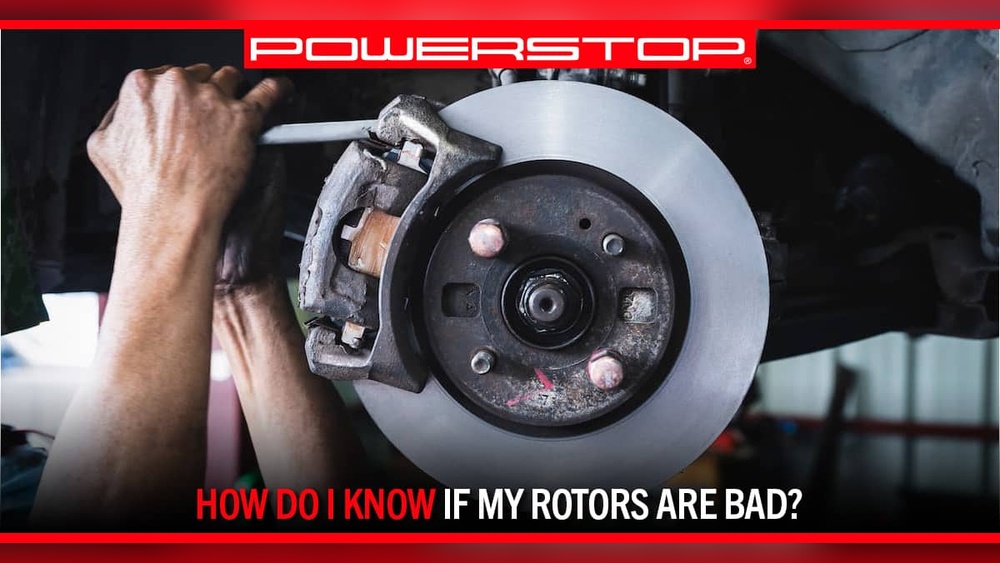
Are you feeling a strange vibration when you brake? Or maybe you hear a squealing noise that just won’t go away?
These could be signs that your brake rotors are in trouble. Knowing how to spot bad brake rotors is crucial for your safety and your car’s performance. You’ll discover simple ways to tell if your brake rotors need attention before a small problem turns into a costly repair.
Keep reading to protect yourself and keep your brakes working smoothly.
Credit: mechanics.stackexchange.com
Common Brake Rotor Issues
Brake rotors play a key role in your vehicle’s safety. They work with brake pads to stop your car. Over time, rotors face wear and damage. Recognizing common brake rotor issues helps keep your car safe. These problems affect braking and may lead to bigger repairs. Understanding signs of trouble can save money and stress.
Warping And Its Effects
Warping happens when rotors get too hot and cool unevenly. It causes the rotor surface to become uneven or bent. You may feel a shaking or vibration in the brake pedal. This makes stopping less smooth and less safe. Warped rotors also wear out brake pads faster.
Cracks And Damage
Cracks appear due to extreme heat or physical damage. Small cracks can grow and weaken the rotor. This damage can cause loud noises when braking. Cracked rotors may fail, leading to brake loss. Always check for visible cracks during inspections.
Excessive Wear Patterns
Rotors wear down with regular use. Deep grooves, scoring, or uneven surfaces show excessive wear. This affects how well your brakes grip. Uneven wear can cause pulling to one side when braking. Worn rotors often need resurfacing or replacement.
Visual Signs Of Bad Rotors
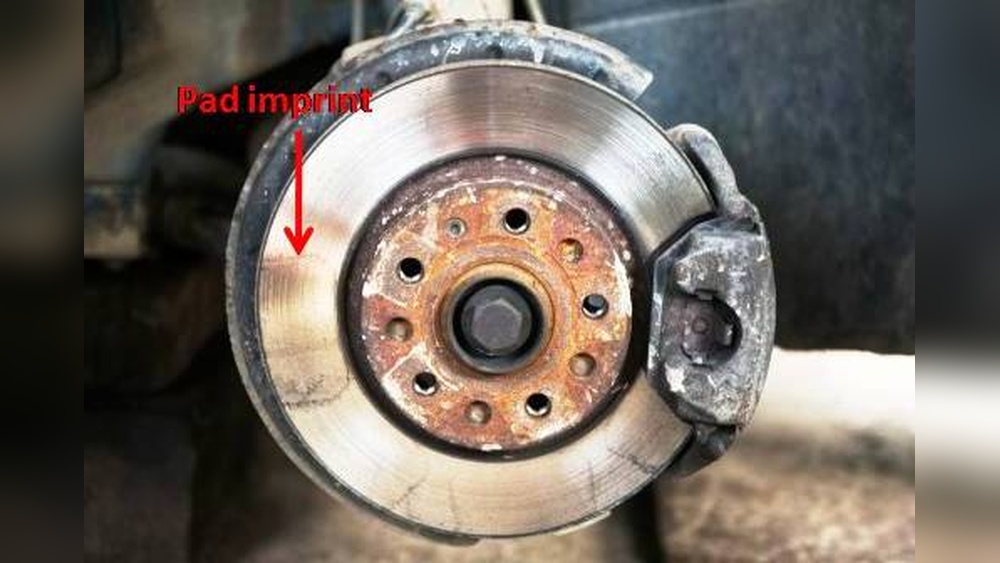
Visual signs can help you spot bad brake rotors early. Checking your rotors regularly keeps your car safe. These signs are easy to see without special tools. Knowing what to watch for saves time and money. Here are key visual clues that show rotor problems.
Scoring And Grooves
Scoring means deep lines or scratches on the rotor surface. These grooves happen when the brake pads wear down unevenly. They reduce braking power and cause noise. If you see deep grooves, the rotor needs attention. Light scratches are normal but deep ones are not.
Rust And Corrosion
Rust can form on rotors after exposure to moisture. A little surface rust is common if the car sits unused. But heavy rust weakens the rotor and affects braking. Corrosion looks like rough, flaky patches on the metal. Severe rust means the rotor should be replaced soon.
Uneven Surface Appearance
Rotors should be smooth and flat. Warped or uneven surfaces cause vibrations when braking. You might notice this as shaking in the steering wheel. Uneven wear shows as high or low spots on the rotor. These spots reduce contact with the brake pads and lower braking efficiency.
Symptoms While Driving
Driving with bad brake rotors is risky. Your car may show clear signs during driving. Recognizing these signs early can keep you safe and save repair costs. Here are common symptoms to watch for while on the road.
Vibrations When Braking
Feeling a shaking or vibrating pedal is a warning sign. This happens because the rotors have uneven surfaces or warping. The vibrations often grow stronger as you press the brake harder. It can also make the steering wheel shake during braking. This is not normal and should be checked quickly.
Squealing Or Grinding Noises
Hearing high-pitched squeals when braking is a common symptom. This noise means the brake pads are worn or the rotors are damaged. Grinding sounds are worse and mean metal is rubbing against metal. Both noises show that the brake rotors might be bad and need attention.
Reduced Braking Performance
Notice your car takes longer to stop? Or the brakes feel weak? This means the brake rotors may be worn down. Bad rotors reduce the braking power, making it unsafe. It also can cause the brake pedal to feel soft or spongy. Always take this symptom seriously to avoid accidents.
Credit: www.powerstop.com
Measuring Rotor Thickness
Measuring rotor thickness is a key step to check brake health. Thin rotors can cause poor braking and safety issues. Knowing how to measure thickness helps you decide if replacement is needed.
Using A Micrometer
A micrometer is a tool that measures rotor thickness accurately. Place the rotor between the micrometer’s jaws. Tighten gently until it touches the rotor surface. Read the measurement on the scale. Measure at several points around the rotor for best results.
Comparing To Manufacturer Specs
Every car maker lists a minimum rotor thickness. Find this number in your vehicle’s manual or online. Compare your measurements to these specs. If your rotor is thinner, it may not work well. Safety depends on keeping above the minimum thickness.
When To Replace Based On Thickness
Replace rotors if they are below the minimum thickness. Thin rotors can warp or crack under heat. This causes vibrations and noisy braking. Always choose new rotors that match your car’s specifications. This keeps brakes strong and safe for driving.
Diy Rotor Inspection Tips
Checking brake rotors at home saves time and money. You can spot problems early. This keeps your car safe on the road. Follow these simple tips to inspect your rotors yourself. No special skills needed.
Tools Needed For Inspection
Gather a few basic tools before starting. You will need a jack to lift your car. Use a lug wrench to remove the wheels. A flashlight helps to see clearly. A ruler or caliper measures rotor thickness. Gloves protect your hands from dirt and heat.
Step-by-step Visual Check
First, park your car on a flat surface. Loosen the wheel nuts slightly. Use the jack to lift the car. Remove the wheel carefully. Look at the rotor surface closely. Check for deep grooves or cracks. Look for rust spots or discoloration. Measure the rotor thickness with a ruler or caliper. Compare the thickness to the car’s manual. Thin rotors need replacement. Spin the rotor by hand. Listen for rough sounds or sticking. Repeat for all wheels.
Safety Precautions
Work on a level surface to prevent accidents. Use wheel chocks to stop the car from rolling. Wear gloves and eye protection. Never work under a car supported only by a jack. Use jack stands for extra safety. Keep tools organized and away from children. Take your time and avoid rushing.
Professional Assessment And Repair
Professional assessment and repair are key to keeping your brake rotors in good shape. Experts can spot problems early and fix them properly. They use special tools to measure rotor thickness and check for damage. This ensures your brakes work safely and smoothly.
When To Seek Expert Help
Strange noises or vibrations while braking signal a need for expert help. If your brake pedal feels soft or your car pulls to one side, see a professional. They can diagnose rotor issues accurately. Early checks prevent costly damage and keep you safe on the road.
Rotor Resurfacing Vs Replacement
Professionals decide between resurfacing and replacing rotors based on damage. Resurfacing smooths the rotor surface if wear is minor. Replacement is needed for deep grooves or cracks. Experts measure thickness to ensure safety before choosing the best option.
Cost Considerations
Repair costs vary depending on rotor condition and vehicle type. Resurfacing usually costs less than replacement. But replacing old rotors can prevent future problems and save money. Professionals provide clear estimates before starting any work.
Preventing Rotor Damage
Preventing rotor damage helps keep brakes working well and extends their life. Rotors face a lot of stress every time you stop your car. Taking care of brake parts and driving carefully can reduce wear and avoid costly repairs. Small steps make a big difference in rotor health.
Proper Brake Pad Maintenance
Brake pads protect rotors by creating friction to stop the car. Worn brake pads can damage rotors quickly. Replace pads before they wear too thin. Use pads that fit your vehicle. Clean brake parts regularly to avoid dust buildup. Good pad care keeps rotors smooth and safe.
Driving Habits To Protect Rotors
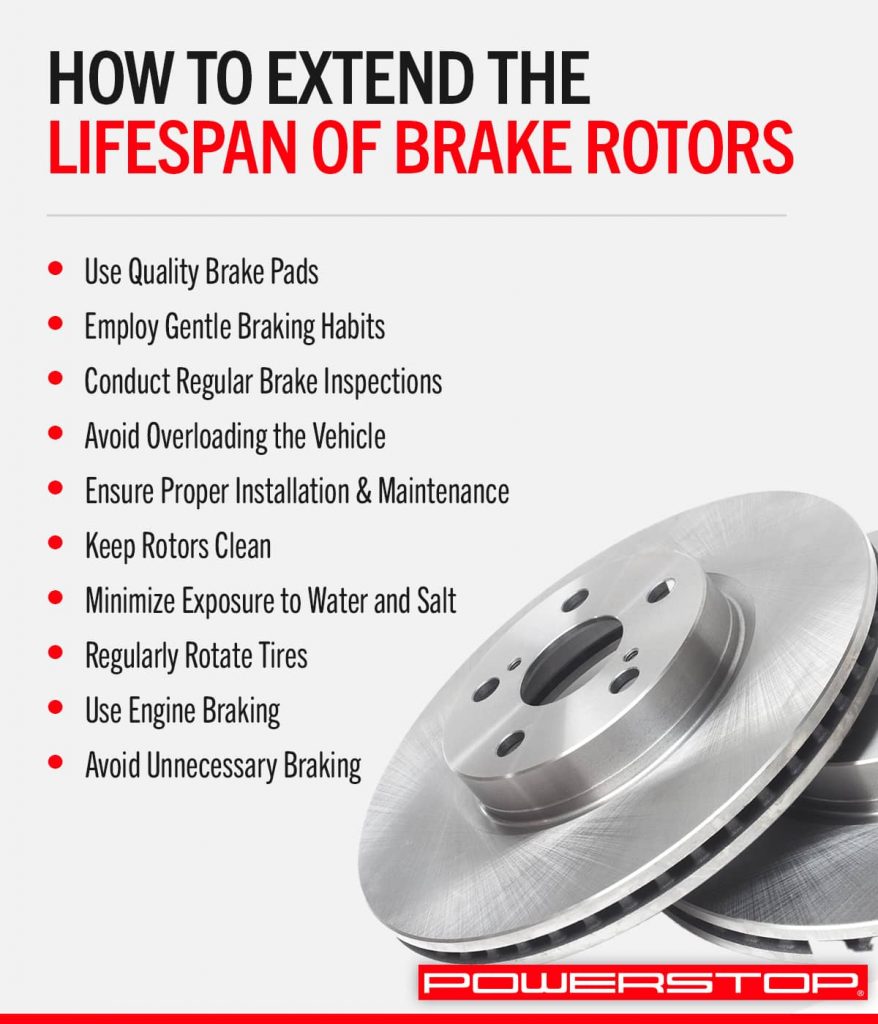
Hard braking heats rotors and causes warping. Brake gently to lower heat and stress. Avoid riding the brakes on slopes. Use engine braking by shifting down when going downhill. Smooth driving reduces rotor wear and keeps stopping power strong.
Regular Inspection Intervals
Check rotors every 10,000 miles or during brake service. Look for grooves, cracks, or rust on rotors. Listen for squealing or grinding sounds while braking. Inspect brake pads and fluid too. Early checks spot problems before they grow costly and unsafe.

Credit: www.reddit.com
Frequently Asked Questions
How Do I Know If My Brake Rotors Are Warped?
Warped rotors cause a pulsating brake pedal or vibration while braking. You may also hear a squealing noise when stopping.
What Are Common Signs Of Bad Brake Rotors?
Signs include uneven brake wear, squealing sounds, vibrations, and increased stopping distance. Visual cracks or grooves also indicate rotor damage.
Can Worn Brake Rotors Affect Car Safety?
Yes, bad rotors reduce braking efficiency, increasing stopping distance and risking accidents. Prompt replacement ensures safe braking performance.
How Often Should Brake Rotors Be Inspected?
Inspect rotors every 12,000 miles or during brake pad changes. Regular checks help spot issues before they worsen.
Conclusion
Bad brake rotors can cause noise, vibration, and poor braking. Watch for uneven wear or deep grooves on the rotor surface. Feeling a pulsation when braking is a clear sign something is wrong. Regular checks help keep your brakes safe and reliable.
Don’t ignore warning signs to avoid costly repairs later. Staying alert to rotor problems protects you and others on the road. Take action soon to maintain smooth, effective braking performance.