Have you ever wondered what really happens when you press your car’s brake pedal? Understanding how brakes and rotors work can give you a clearer picture of your vehicle’s safety system—and help you spot problems before they become serious.
You’ll discover the simple but powerful way these parts work together to stop your car smoothly and safely. By the end, you’ll feel more confident about your brakes and know exactly what to listen and look for to keep your rides safe.
Ready to learn what makes your brakes tick? Let’s dive in.

Credit: www.wagnerbrake.com
Brake System Basics
The brake system is one of the most important parts of a vehicle. It helps the car stop safely and quickly. Understanding the basics of how brakes and rotors work can help you keep your vehicle in good condition. This knowledge also helps you notice problems early before they become serious.
Brakes use friction to slow down or stop the wheels from turning. This process turns the car’s movement energy into heat. The system must work smoothly every time you press the brake pedal.
Types Of Brakes
There are two main types of brakes used in most vehicles: disc brakes and drum brakes. Disc brakes have a flat rotor that spins with the wheel. Brake pads press against the rotor to stop the car. Drum brakes use a drum that spins with the wheel. Brake shoes push outward to touch the drum and slow the vehicle. Disc brakes are common in modern cars. Drum brakes are often found in older or smaller vehicles.
Key Components
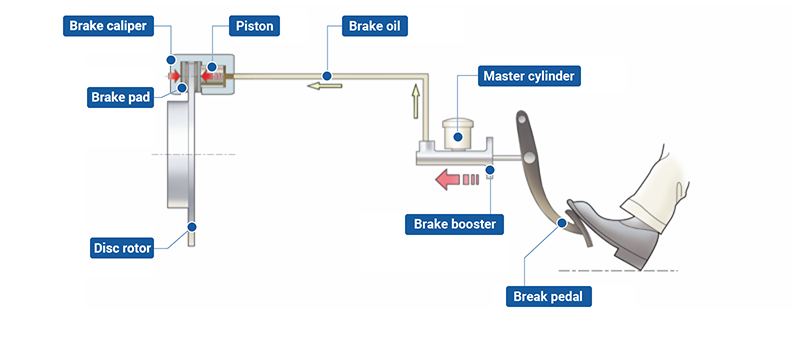
The brake system has several key parts. The brake pedal is where the driver applies force. When pressed, it pushes brake fluid through lines. This fluid moves to the brake calipers or wheel cylinders. Brake pads or shoes then press against the rotors or drums. The rotors or drums are attached to the wheels. They create friction to slow the wheel’s movement. A master cylinder controls the brake fluid pressure. Brake lines carry the fluid to each wheel. All these parts work together to stop the car safely.
How Brakes Create Friction
Brakes stop your car by creating friction. Friction slows down the wheels. This happens when brake parts press against each other. The key parts in this process are the brake pads and rotors. They work together to turn motion into heat, which reduces speed.
Role Of Brake Pads
Brake pads are made of tough materials. They press against the rotors to create friction. The harder the pads press, the more friction they create. This friction helps to slow the wheel down. Brake pads must be strong to handle heat and pressure. They wear down over time and need replacing.
Interaction With Rotors
Rotors are metal discs attached to the wheels. When brake pads press on rotors, friction forms between the two. This friction turns the wheel’s motion into heat. The heat slows the wheel’s spin and stops the car. Rotors must be smooth and strong to work well. Worn or damaged rotors reduce braking power and safety.
Function Of Rotors
Rotors play a key role in a vehicle’s braking system. They work with the brake pads to stop the car safely. The rotor is a round metal disc attached to the wheel hub. When the brake pads press against the rotor, friction slows down the wheel. This stops the car or helps it slow down smoothly.
The rotor must handle a lot of heat and pressure during braking. Its design and material affect how well it performs. Understanding the function of rotors helps you see why they are important for safe driving.
Material And Design
Rotors are usually made from cast iron. This material is strong and resists wear well. Some rotors use composites or carbon for high-performance cars. These materials are lighter and handle heat better.
Rotors come in solid or vented designs. Solid rotors are simple discs. Vented rotors have air channels between two surfaces. These channels help cool the rotor faster. The design affects how well the rotor works and lasts.
Heat Dissipation
Braking creates a lot of heat due to friction. Rotors must release this heat quickly. If the rotor gets too hot, braking becomes less effective. It can also cause warping or damage.
Vented rotors improve heat dissipation by letting air flow through them. Some rotors have drilled holes or slots. These features help cool the rotor and remove brake dust. Good heat dissipation keeps braking smooth and safe.
Hydraulic Mechanism In Braking
The hydraulic mechanism is the heart of modern braking systems. It uses liquid pressure to move parts and stop the vehicle. This system makes braking smooth and powerful with little effort.
When the driver presses the brake pedal, the hydraulic system activates. It sends force through brake fluid to the brake parts at each wheel. This force pushes the brake pads against the rotors, slowing the car down safely.
Brake Fluid Dynamics
Brake fluid is a special liquid that does not compress. It moves pressure quickly from the pedal to the brakes. This fluid flows through small tubes called brake lines.
The fluid’s job is to carry force without losing strength. It works well even in hot conditions caused by braking. If there is air in the brake lines, the brakes feel soft and less effective.
Master Cylinder Role
The master cylinder is the main part that controls the brake fluid. It changes the pedal push into hydraulic pressure. Inside, a piston moves when the pedal is pressed.
This piston pushes brake fluid into the brake lines. The master cylinder also keeps the fluid sealed and clean. It helps maintain steady pressure for safe braking.
Factors Affecting Braking Efficiency
Braking efficiency depends on many factors that affect how well brakes and rotors perform. These factors influence stopping power and safety. Understanding them helps maintain your vehicle better and avoid accidents.
Wear And Tear
Brakes and rotors wear out over time due to friction. Brake pads thin down, reducing grip on rotors. Rotors can become warped or grooved, causing uneven braking. Regular inspection is essential to spot wear early. Replacing worn parts keeps braking strong and reliable.
Environmental Impact
Weather and road conditions affect braking efficiency. Wet or icy roads reduce friction between tires and road. Dust, dirt, and salt can build up on brakes and rotors. This buildup lowers braking power and can cause damage. Cleaning brakes and avoiding harsh conditions helps maintain good braking.
Signs Of Brake And Rotor Issues
Brakes and rotors are essential for safe driving. They work together to stop your car quickly and smoothly. Knowing the signs of problems helps prevent accidents and costly repairs. Early detection keeps your vehicle in good shape.
Watch for unusual sounds, vibrations, or changes in brake performance. These often signal brake or rotor issues. Acting fast can protect you and your passengers on the road.
Common Symptoms
Squealing or grinding noises when braking often mean worn brake pads. Vibrations or shaking in the steering wheel may indicate warped rotors. A longer stopping distance can show brake system failure. Soft or spongy brake pedals suggest air or fluid leaks. Burning smell after braking points to overheated brakes.
When To Seek Repairs
Visit a mechanic immediately if you hear grinding or feel vibration. Do not ignore brake warning lights on the dashboard. Seek help if the brake pedal feels soft or goes to the floor. Address any burning smell after driving or braking hard. Regular brake inspections can catch problems early.
Maintaining Brakes And Rotors
Maintaining brakes and rotors is key for safe driving. Regular care keeps your car stopping well. It also helps avoid costly repairs later. Simple checks and timely replacements protect you on the road.
Routine Inspections
Check brakes and rotors every few months. Look for worn brake pads or deep grooves on rotors. Listen for squealing or grinding noises. These can signal brake issues. Inspect brake fluid levels too. Low fluid may mean leaks or worn parts. Routine inspections catch problems early.
Replacement Guidelines
Replace brake pads before they wear too thin. Thin pads reduce stopping power and can damage rotors. Rotors should be replaced if they are warped or too thin. Warped rotors cause vibration when braking. Follow your vehicle’s manual for specific replacement times. Timely swaps keep brakes strong and safe.

Credit: shop.advanceautoparts.com
Credit: www.akebono-brake.com
Frequently Asked Questions
How Do Brakes And Rotors Work Together?
Brakes press the pads against rotors, creating friction. This friction slows down the wheel’s rotation, stopping the vehicle efficiently and safely.
What Materials Are Rotors Made From?
Rotors are commonly made from cast iron, steel, or composites. These materials offer durability and effective heat dissipation during braking.
When Should I Replace My Brake Rotors?
Replace rotors if they are warped, cracked, or below minimum thickness. Worn rotors reduce braking performance and safety.
Why Do Brakes And Rotors Sometimes Make Noise?
Noise can come from worn pads, glazed rotors, or debris. Proper maintenance and cleaning help prevent squealing and grinding sounds.
Conclusion
Brakes and rotors work together to stop your vehicle safely. The brake pads press on the rotors to slow the wheels. This process turns motion into heat, stopping the car. Regular checks keep brakes working well and prevent accidents. Understanding this helps you care for your car better.
Safe driving depends on good brakes and rotors. Keep them in good shape for your safety and others on the road. Simple maintenance makes a big difference. Now you know how brakes and rotors do their job.