
If you’ve noticed your car struggling to start or losing power, your fuel filter might be the culprit. But how much is it to replace a fuel filter?
Knowing the cost upfront can save you from unexpected expenses and help you make the best decision for your vehicle. You’ll discover the typical price range, what affects the cost, and whether it’s something you can handle yourself. Keep reading to get the full picture and keep your car running smoothly without breaking the bank.
Credit: www.autozone.com
Fuel Filter Replacement Basics
Fuel filter replacement is an important part of car maintenance. It keeps your engine running smoothly and protects vital parts. Knowing the basics helps you understand why it matters and when to replace it.
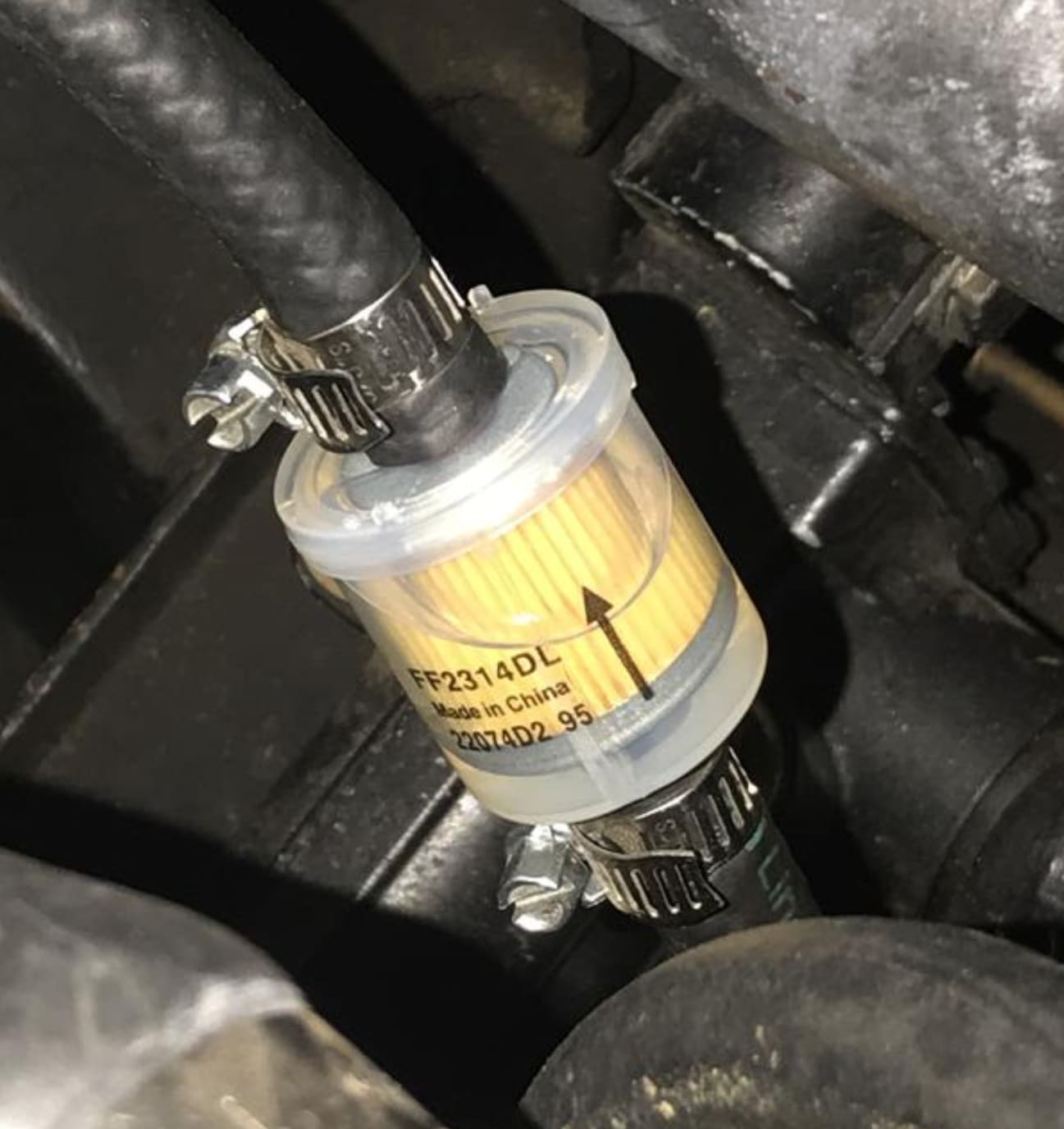
The fuel filter cleans dirt and debris from the fuel before it reaches the engine. Over time, the filter gets clogged and needs changing. This prevents engine problems and saves money on repairs.
Role Of A Fuel Filter
The fuel filter catches dirt, rust, and particles in the fuel. Clean fuel helps the engine work better and last longer. A good filter protects fuel injectors and the engine from damage. It keeps the fuel flow steady, which improves car performance.
Signs Of A Clogged Fuel Filter
A clogged fuel filter causes poor engine performance. The car may hesitate or stall when you drive. You might notice a rough idle or difficulty starting the engine. Reduced fuel efficiency and power loss are common signs. These symptoms show the filter needs replacement soon.
Cost Factors For Replacement
Replacing a fuel filter involves several cost factors. These factors influence the total price you pay. Understanding them helps you prepare your budget better.
The cost varies widely based on the vehicle type, the filter quality, and labor charges. Each plays a key role in the final expense.
Type Of Vehicle
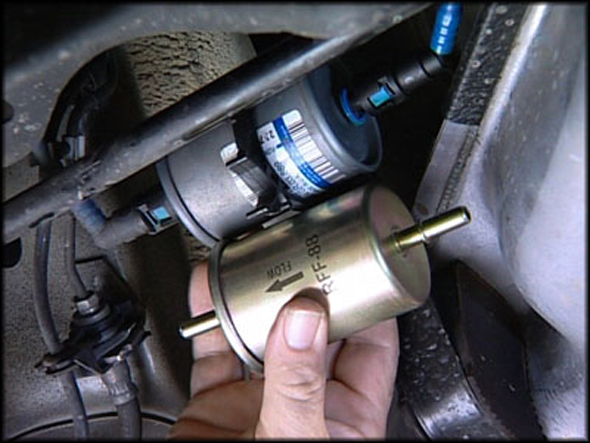
The vehicle type affects the fuel filter price. Cars, trucks, and SUVs need different filters. Some filters fit only specific models. Luxury and imported cars usually have higher costs. Older vehicles might need harder-to-find parts. These factors increase the price of the replacement.
Fuel Filter Quality
Fuel filters come in various qualities. Standard filters cost less but may wear out faster. Premium filters offer better protection and last longer. Choosing a high-quality filter can save money over time. Cheap filters might cause engine problems later. Quality affects both price and vehicle performance.
Labor Charges
Labor costs depend on the mechanic and location. Some vehicles have filters easy to reach, lowering labor fees. Others require more work, raising the cost. Repair shops charge different hourly rates. Dealerships tend to be more expensive than independent garages. Labor charges can be a large part of the total cost.
Average Price Range
Replacing a fuel filter is important to keep your car running smoothly. The cost to replace it can vary based on how you choose to do the job. Knowing the average price range helps you plan your budget better.
Diy Replacement Costs
Doing the replacement yourself can save money. The fuel filter part usually costs between $10 and $50. Tools you already have can help with the job. The task takes about 30 minutes to an hour. This option is cheaper but needs some basic skills.
Professional Service Costs
Hiring a mechanic is more expensive. Labor fees add to the price of the fuel filter. Expect to pay between $70 and $150 total. The service is faster and more reliable. Professionals ensure the filter is replaced correctly and safely.
When To Replace Your Fuel Filter
Knowing when to replace your fuel filter helps keep your car running well. A clean fuel filter stops dirt and rust from reaching the engine. Over time, the filter gets clogged and reduces fuel flow. This can cause engine problems and lower fuel efficiency. Watch for signs and follow advice to know the right time for a change.
Manufacturer Recommendations
Car makers give guidelines on fuel filter changes. These vary by model and year. Usually, they suggest replacement every 20,000 to 40,000 miles. Check your owner’s manual for exact numbers. Following these helps avoid fuel system issues. Sticking to the schedule keeps your engine healthy.
Performance Issues
A clogged fuel filter causes slow engine start and rough running. You might notice a drop in power or poor acceleration. The engine may sputter or stall during driving. Fuel efficiency can also decrease. These signs mean your fuel filter may need replacement soon. Don’t wait until the problem gets worse.
Diy Vs Professional Replacement
Replacing a fuel filter can save money if done by yourself. Yet, many choose a professional mechanic for safety and skill. Knowing the difference helps decide the best option. Consider tools, skill level, and safety before starting.
Tools Required
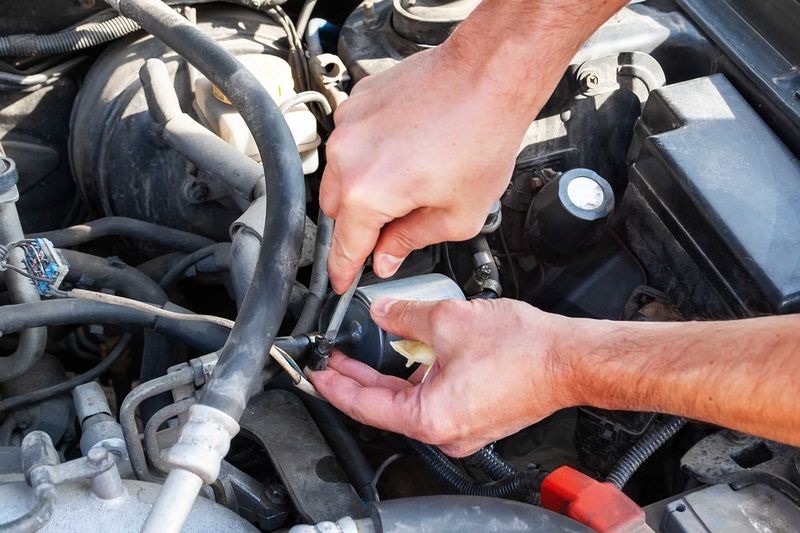
DIY fuel filter replacement needs basic tools. Common tools include wrenches, screwdrivers, and pliers. Some cars need special fuel line disconnect tools. Professionals have all tools ready for any car model. Buying tools only for one job may cost more.
Skill Level Needed
Replacing a fuel filter needs some mechanical knowledge. Understanding your car’s fuel system helps avoid mistakes. Professionals have training and experience to work fast. DIY might take longer but teaches valuable skills. Wrong installation can cause engine problems.
Safety Considerations
Fuel is flammable and dangerous. Work in a well-ventilated area away from flames. Wear gloves and eye protection to avoid injuries. Professionals follow strict safety rules to prevent accidents. DIYers must be extra careful to avoid fuel leaks and fire risks.
Tips To Save On Replacement
Replacing a fuel filter can be costly, but there are ways to cut expenses. Small choices make a big difference. Saving money does not mean lowering quality. Smart shopping and good habits help keep costs low.
Buying Parts Online
Online stores often sell fuel filters cheaper than local shops. Prices vary, so compare different sellers. Look for parts that match your car model exactly. Read customer reviews to avoid poor quality items. Check shipping costs before buying to avoid surprises.
Package Deals And Discounts
Many auto shops offer package deals for parts and labor. These bundles can reduce the total price. Watch for seasonal sales and promotions. Some stores give discounts for first-time customers. Use coupons or discount codes when available.
Regular Maintenance Benefits
Keeping your car in good shape lowers future repair costs. Regular checks help spot issues early. Changing filters on time prevents engine damage. Clean filters improve fuel efficiency, saving gas money. Follow the manufacturer’s maintenance schedule closely.
Potential Risks Of Delaying Replacement
Delaying the replacement of a fuel filter can cause serious problems for your vehicle. The fuel filter removes dirt and debris from the fuel before it reaches the engine. Over time, the filter clogs and stops working properly. This can lead to many risks that affect your car’s performance and lifespan.
Engine Performance Problems
A clogged fuel filter can reduce fuel flow to the engine. This causes the engine to run poorly or stall. You may notice rough idling or difficulty starting the car. Power loss during acceleration is common as well. Poor engine performance can also increase fuel consumption. Ignoring these signs can lead to costly repairs later.
Fuel System Damage
A blocked fuel filter forces the fuel pump to work harder. This extra strain can cause the pump to fail prematurely. Dirt and debris may bypass the filter and enter the fuel injectors. This can clog the injectors and damage the engine. Repairing the fuel system is expensive and time-consuming. Replacing the fuel filter on time helps avoid these costly problems.
Credit: driving.ca
Credit: germanformula.com
Frequently Asked Questions
How Much Does Fuel Filter Replacement Cost?
Fuel filter replacement typically costs between $50 and $150. Price varies by vehicle type, filter quality, and labor charges. DIY replacement can save labor costs but requires proper tools. Regular replacement ensures engine efficiency and prevents fuel system damage.
How Often Should A Fuel Filter Be Replaced?
Most manufacturers recommend replacing the fuel filter every 20,000 to 40,000 miles. Check your vehicle’s manual for exact intervals. Replacing it on time prevents clogging and maintains smooth fuel flow, improving engine performance and longevity.
Can I Replace The Fuel Filter Myself?
Yes, if you have basic mechanical skills and proper tools, you can replace the fuel filter. Always relieve fuel system pressure and follow safety precautions. Consult your vehicle manual for specific instructions to avoid damage or injury.
What Signs Indicate A Clogged Fuel Filter?
Common signs include engine misfires, poor acceleration, stalling, and difficulty starting. Reduced fuel efficiency and unusual engine noises may also occur. If you notice these symptoms, inspect or replace the fuel filter promptly to avoid engine damage.
Conclusion
Replacing a fuel filter usually costs between $50 and $150. Prices depend on your car model and labor fees. Clean fuel filters keep your engine running smooth and save money on repairs. Regular checks help spot problems early and avoid breakdowns.
Choose quality parts for better performance and longer life. Don’t delay when you notice signs like poor engine power or stalling. Taking care of your fuel filter protects your car and your wallet. Simple steps can prevent costly fixes later.
Stay safe and keep your vehicle in good shape.

