

Have you ever wondered how much fuel should be in your fuel filter? It might seem like a small detail, but getting it right can make a big difference in how well your engine runs.
Too little fuel, and your engine might struggle. Too much, and you could face other problems. You’ll discover exactly what you need to know about fuel levels in your fuel filter. By the end, you’ll feel confident about keeping your vehicle running smoothly and avoiding costly repairs.
Keep reading to learn the simple steps that can save you time and money.
Credit: riiroo.com
Purpose Of Fuel Filters
Fuel filters play a key role in keeping an engine healthy. They clean the fuel before it reaches the engine. Clean fuel means better engine performance and longer engine life. Without a fuel filter, dirt and debris can damage engine parts quickly.
Role In Engine Protection
Fuel filters catch dirt, rust, and other particles in the fuel. This stops these particles from entering the engine. Dirty fuel can clog fuel injectors and damage engine parts. The filter helps maintain smooth fuel flow. It protects the engine from wear and tear. A clean filter helps the engine run efficiently and saves repair costs.
Types Of Fuel Filters
Fuel filters come in different types to fit various engines. The main types are inline, cartridge, and spin-on filters. Inline filters are placed along the fuel line. Cartridge filters have replaceable elements inside a housing. Spin-on filters screw on like oil filters. Each type works to trap contaminants and keep fuel clean. Choosing the right filter depends on the vehicle and engine design.

Credit: www.autonationmobileservice.com
Fuel Amount In Filters
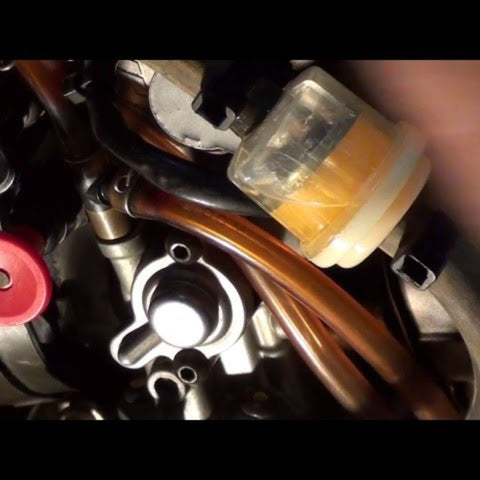
Knowing the right fuel amount in a fuel filter helps the engine run smoothly. The fuel filter cleans dirt and debris from the fuel. Too much or too little fuel in the filter can cause problems. Finding the right balance keeps the engine healthy and efficient.
Recommended Fuel Levels
Most fuel filters need to be filled just enough to cover the filter element. This amount varies by the filter type and vehicle. Usually, the fuel should reach about half to three-quarters of the filter’s capacity. This level ensures proper filtration and good fuel flow.
Consequences Of Overfilling
Overfilling a fuel filter can cause fuel to spill or leak. Excess fuel may put pressure on seals and cause damage. It can also flood the engine, making it hard to start. Overfilled filters may lead to poor engine performance.
Risks Of Underfilling
Underfilling the fuel filter can let air enter the fuel system. Air pockets reduce fuel flow and cause engine sputtering. It may also lead to incomplete fuel filtration. This increases the chance of dirt reaching the engine and causing wear.
Factors Affecting Fuel Quantity
The amount of fuel in a fuel filter depends on many factors. Each factor changes how much fuel the filter holds. Knowing these factors helps keep your vehicle running well. It also protects the engine from dirt and damage.
Vehicle Make And Model
Different vehicles need different fuel amounts in their filters. Some cars have small filters with less fuel. Larger vehicles use bigger filters with more fuel. The engine size and design decide the fuel filter size. Always check your vehicle’s manual for the right fuel filter.
Fuel System Design
Fuel systems vary from one vehicle to another. Some use fuel pumps that push fuel under high pressure. Others use gravity or low-pressure pumps. High-pressure systems need filters that hold more fuel. This keeps the fuel steady and clean. Low-pressure systems require smaller filters with less fuel.
Operating Conditions
Driving conditions affect fuel filter fuel levels. Rough roads or dusty areas need filters to work harder. Filters in these places may hold more fuel to avoid clogs. Cold weather can also change fuel flow. Filters may need more fuel to keep the engine warm and running smoothly.
Signs Of Improper Fuel Levels
Proper fuel levels in a fuel filter are essential for smooth engine operation. Incorrect fuel amounts can cause several problems. These issues often show clear signs. Recognizing them early helps avoid serious damage and costly repairs.
Engine Performance Issues
Low or excessive fuel in the filter can disrupt engine flow. The engine may run roughly or stall unexpectedly. Power loss and hesitation during acceleration are common. The vehicle might also struggle to start or idle unevenly.
Fuel Leakage
Too much fuel in the filter can cause leaks. Fuel may drip or spray around the filter area. This leakage creates a fire risk and wastes fuel. It also leads to unpleasant odors and potential damage to nearby parts.
Filter Damage
Improper fuel levels put stress on the filter components. The filter can crack, warp, or clog faster. This damage reduces its ability to clean fuel properly. Ultimately, the engine may suffer from dirt and debris buildup.
Fuel Filter Maintenance Tips
Fuel filter maintenance keeps your vehicle running smoothly. It stops dirt and debris from reaching the engine. Clean fuel filters improve fuel efficiency and engine life. Follow these tips to care for your fuel filter properly.
Regular Inspection
Check the fuel filter every few months. Look for signs of clogging or damage. A dirty filter reduces fuel flow and engine power. Inspect fuel lines for leaks or cracks around the filter. Early checks prevent costly repairs later.
Proper Fuel Filling Techniques
Use clean fuel to avoid contamination. Fill the tank slowly to reduce dirt entering the system. Avoid topping off the tank repeatedly. This can cause fuel to overflow into the filter. Keep the fuel cap tight to stop dirt and water.
When To Replace Filters
Replace the fuel filter as recommended in your vehicle manual. Signs include engine hesitation, poor acceleration, or strange noises. Changing filters on time prevents engine damage. Use quality filters for better protection and performance.
Expert Recommendations
Experts give clear advice about how much fuel should fill a fuel filter. Their recommendations help keep engines running well and avoid damage. Following expert advice ensures the fuel filter works properly and lasts longer.
Understanding expert tips can save you time and money. It also helps prevent common problems linked to incorrect fuel levels in the filter.
Manufacturer Guidelines
Always check the vehicle or filter maker’s instructions first. They provide exact details on fuel levels for each filter type. These guidelines are based on tests and real use cases. Using the right amount of fuel helps the filter clean fuel efficiently. Ignoring these rules can lead to engine issues or filter failure.
Professional Advice
Mechanics suggest filling the fuel filter just enough to avoid air pockets. Too much fuel can cause leaks or spills. Not enough fuel can lead to engine hesitation or stalling. Experts recommend careful filling during installation or replacement. They advise checking the filter for any signs of fuel leaks after fitting.
Common Mistakes To Avoid
Many people fill the filter too full or too empty. Overfilling may cause fuel to overflow or damage the filter seals. Underfilling can introduce air into the fuel system, causing poor engine performance. Another error is ignoring the manufacturer’s instructions. Avoid rushing the installation process to prevent mistakes.

Credit: www.youtube.com
Frequently Asked Questions
How Much Fuel Should A Fuel Filter Hold?
A fuel filter should not hold fuel but allow fuel to pass through. It traps contaminants to protect the engine. Proper filtration ensures clean fuel reaches the engine without fuel retention inside the filter.
Does The Fuel Filter Need To Be Full Of Fuel?
No, the fuel filter does not need to be full of fuel. It should allow fuel flow while filtering impurities. Fuel presence depends on the system design and fuel pressure.
Can A Partially Filled Fuel Filter Cause Issues?
Yes, a partially filled fuel filter can cause fuel flow problems. Air pockets or clogged filters reduce engine efficiency. Regular maintenance ensures optimal fuel filter performance.
How Often Should You Check Fuel Filter Fuel Level?
Fuel filters typically do not have a fuel level to check. Instead, inspect and replace filters as per manufacturer recommendations to maintain fuel system health.
Conclusion
Keeping the right amount of fuel in the fuel filter is essential. Too little fuel can cause engine problems and reduce performance. Too much fuel may lead to leaks or damage. Check your vehicle’s manual for the recommended fuel level.
Regular maintenance helps keep your engine running smoothly. Clean filters improve fuel flow and save money on repairs. Remember, simple care keeps your vehicle healthy and reliable. Stay attentive and avoid costly mistakes. Fuel filters work best when properly filled and maintained.


