
Is your vehicle struggling to run smoothly or suddenly losing power? A clogged fuel filter could be the hidden culprit behind these frustrating issues.
Knowing how to unclog your fuel filter can save you time, money, and the hassle of unexpected breakdowns. In this guide, you’ll discover simple, step-by-step tips to clear your fuel filter and get your engine running like new again. Keep reading—your car’s performance depends on it.
Signs Of A Clogged Fuel Filter
A clogged fuel filter can cause many problems in your vehicle. It blocks fuel flow and makes the engine work harder. Spotting signs early helps you fix it before serious damage occurs.
Watch for changes in how your car runs. These signs show the fuel filter might be dirty or blocked.
Engine Performance Issues
The engine may run rough or hesitate during acceleration. You might hear sputtering sounds. This happens because the fuel flow is limited. The engine does not get enough fuel to run smoothly.
Starting Problems
Your car may take longer to start or fail to start at all. A clogged fuel filter stops fuel from reaching the engine quickly. This causes delays and makes starting difficult.
Fuel Efficiency Drops
You may notice your car uses more fuel than usual. The engine works harder to get enough fuel. This extra effort lowers fuel efficiency and wastes gas.
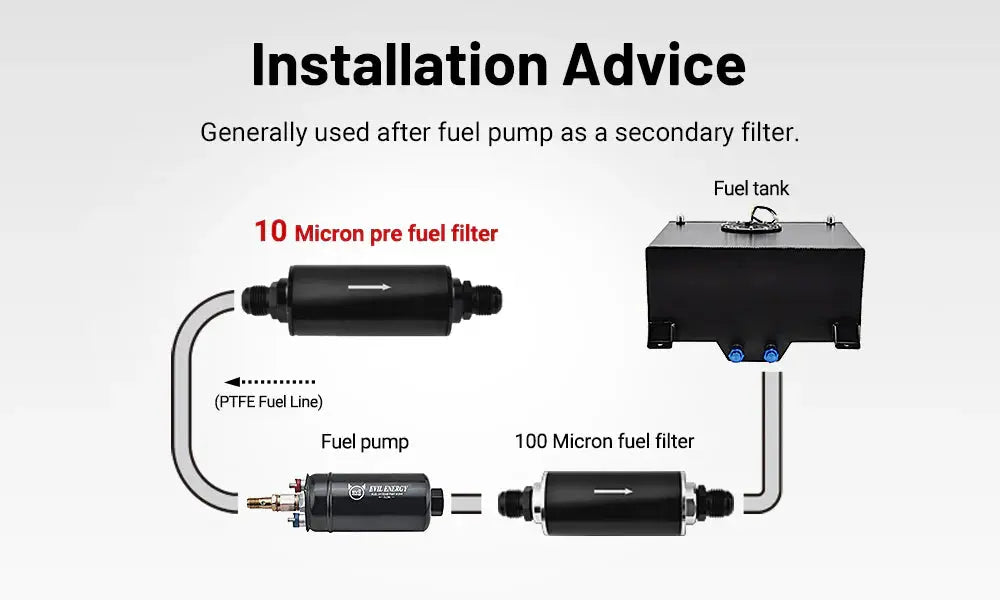
Credit: www.ievilenergy.com
Tools And Materials Needed
Before you start unclogging your fuel filter, gather all the tools and materials. Having everything ready makes the job easier and faster. This section covers the basic tools, safety gear, and replacement parts needed.
Basic Tools
You need a few simple tools to unclog your fuel filter. A wrench or socket set helps remove bolts and fittings. Screwdrivers come in handy for loosening clamps or screws. A clean container is useful to catch any fuel that spills. Also, have some clean rags to wipe up messes.
Safety Gear
Safety is important when working with fuel. Wear protective gloves to keep your hands safe from chemicals. Safety glasses protect your eyes from splashes. Work in a well-ventilated area to avoid breathing harmful fumes. Keep a fire extinguisher nearby in case of emergencies.
Replacement Parts
Sometimes cleaning is not enough, and you need new parts. Have a new fuel filter ready to install if needed. Check your vehicle’s manual for the exact type. Also, keep new clamps or seals on hand to replace old or worn ones.
Locating The Fuel Filter
Finding the fuel filter is the first step to unclog it. The fuel filter cleans dirt and rust from fuel before it reaches the engine. A clogged filter can cause engine problems. Knowing where to find the fuel filter helps in fixing issues fast. Fuel filter locations vary by vehicle make and model. Some are easy to see, others hide in tight spots.
Common Fuel Filter Locations
Fuel filters often sit along the fuel line. Many are near the fuel tank under the car. Some are inside the engine bay near the firewall. Older cars may have an inline filter on the fuel hose. Newer cars might use a filter inside the fuel pump assembly. Check under the car, near the fuel tank, and in the engine bay first. Sometimes, the filter is inside a metal canister with fuel lines attached. Look for a small part with two fuel lines going in and out.
Consulting Vehicle Manual
The vehicle manual is a helpful guide. It shows the exact location of the fuel filter. Manuals have diagrams and pictures. This helps to identify the filter quickly. Manuals also give safety tips for handling fuel parts. Keep the manual handy to avoid mistakes. Each car model may have a different setup. The manual is the most reliable source for locating the filter.

Credit: www.autonationmobileservice.com
Step-by-step Unclogging Process
Unclogging a fuel filter is a simple task that can improve your vehicle’s performance. Follow these clear steps to clean your fuel filter safely. Each step is important to avoid damage and ensure smooth fuel flow.
Relieving Fuel System Pressure
Start by relieving the fuel system pressure. This stops fuel from spraying out. Locate the fuel pump fuse or relay and remove it. Then, start the engine and let it run until it stops. This uses up the remaining fuel in the lines. Turn off the ignition and disconnect the battery for safety.
Removing The Fuel Filter
Find the fuel filter under the vehicle or near the engine. Use a wrench to loosen the fuel lines connected to the filter. Be careful to catch any fuel that leaks. Remove the filter from its bracket. Note the filter’s direction for reinstallation.
Cleaning The Filter
Inspect the filter for dirt and debris. Use a clean container and flush the filter with a safe cleaning solvent. Gently tap the filter to remove loose particles. Avoid damaging the filter’s internal parts. Let the filter dry completely before reinstalling.
Reinstalling The Filter
Place the clean filter back into its bracket. Attach the fuel lines in the correct direction. Tighten the connections securely but do not overtighten. Reinstall the fuel pump fuse or relay. Reconnect the battery and start the engine. Check for leaks and proper fuel flow.
When To Replace Instead Of Clean
Knowing when to replace your fuel filter is key to keeping your engine healthy. Cleaning can help if the filter has minor dirt. But some problems need a full replacement to avoid bigger issues.
Replacing the filter saves time and prevents damage. It keeps fuel flowing well and stops dirt from reaching the engine. Watch for clear signs that cleaning is not enough.
Signs Of Irreparable Damage
Check for cracks or holes in the filter housing. These cannot be fixed by cleaning. Persistent clogging after cleaning shows the filter is too dirty. Rust or corrosion means the filter is weak. Bad smells or fuel leaks signal the filter must be replaced. Poor engine performance even after cleaning is a warning.
Cost Comparison
Cleaning uses less money upfront but may cost more later. Replacing the filter costs more at once but saves on repairs. New filters improve fuel flow and engine life. Cleaning supplies add up if done many times. A new filter offers better protection for your engine. Consider long-term costs before deciding to clean or replace.

Credit: www.youtube.com
Preventing Future Clogs
Preventing future clogs in your fuel filter helps your engine run smoothly. Clean fuel filters improve performance and save money on repairs. Simple habits can keep the fuel system healthy for a long time.
Using Quality Fuel
Choose fuel from trusted stations only. Low-quality fuel often contains dirt and water. These impurities block the fuel filter quickly. Clean fuel means fewer clogs and better engine health. Avoid cheap fuel that might cause damage.
Regular Maintenance Tips
Check your fuel filter regularly according to the vehicle’s manual. Replace the filter before it gets too dirty. Clean fuel tanks during routine service to remove sludge. Keep an eye on engine performance for signs of clogging. Early action prevents bigger problems.
Frequently Asked Questions
How Do I Know If My Fuel Filter Is Clogged?
Signs of a clogged fuel filter include engine misfires, stalling, poor acceleration, and difficulty starting. Check for reduced fuel efficiency and unusual engine noises. If you notice these symptoms, inspect or replace the fuel filter to maintain proper engine performance.
What Tools Are Needed To Unclog A Fuel Filter?
Common tools include wrenches, screwdrivers, a fuel line disconnect tool, and a container to catch fuel. Safety gloves and eye protection are also essential. Always refer to your vehicle’s manual for specific tool requirements before starting the unclogging process.
Can I Clean A Fuel Filter Instead Of Replacing It?
In some cases, you can clean a reusable fuel filter with solvent or compressed air. However, most modern fuel filters are disposable and should be replaced to ensure optimal performance and avoid engine damage.
How Often Should I Check Or Replace My Fuel Filter?
Fuel filters typically need replacement every 20,000 to 40,000 miles. Check your vehicle’s manual for exact intervals. Regular inspection helps prevent clogging and maintains efficient fuel flow, ensuring your engine runs smoothly.
Conclusion
Keeping your fuel filter clean helps your engine run smoothly. Clogged filters reduce fuel flow and cause poor performance. Regular cleaning or replacement saves you time and money. You can do this at home with basic tools. Always follow safety steps to avoid accidents.
A clean fuel filter means better mileage and fewer repairs. Stay on top of this simple task to protect your vehicle. Your car will thank you with reliable starts and smooth rides. Small efforts now prevent bigger problems later.


