Are your brakes making noise or not feeling as smooth as before? You might be wondering, “How much is new brake pads and rotors going to cost me?” Knowing the price upfront can help you avoid surprises and plan your budget better.
You’ll discover the real costs behind replacing brake pads and rotors, what affects those prices, and how to choose the best option for your car without overspending. Keep reading to make sure your brakes stay safe and your wallet stays happy.

Credit: vatire.com
Brake Pads And Rotors Basics
Brake pads and rotors are key parts of your vehicle’s braking system. They work together to stop your car safely and smoothly. Understanding their basics helps you know why replacement costs vary. This knowledge also helps you maintain your car better and avoid accidents.
Role In Vehicle Safety
Brake pads press against the rotors to slow down your car. This friction creates the stopping force needed. Without good brake pads and rotors, your car won’t stop quickly. This can lead to dangerous situations on the road. Both parts must be in good shape for safe driving.
Types Of Brake Pads
There are three main types of brake pads: organic, semi-metallic, and ceramic. Organic pads are soft and quiet but wear out faster. Semi-metallic pads last longer and cool well but can be noisy. Ceramic pads last the longest and produce less dust but cost more. Each type fits different driving needs and budgets.
Types Of Rotors
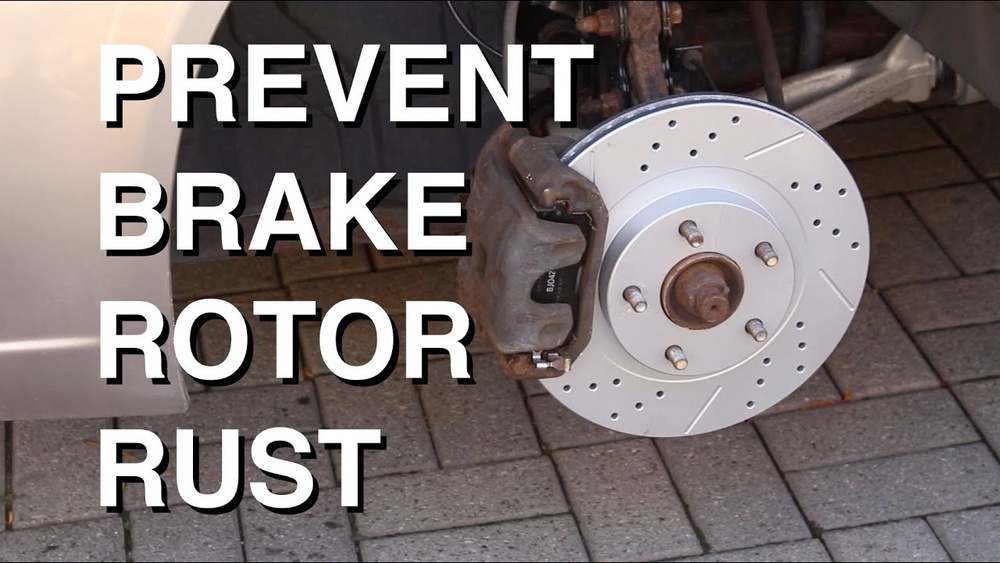
Rotors come in solid, vented, and drilled or slotted designs. Solid rotors are simple and good for light driving. Vented rotors have cooling channels to reduce heat. Drilled or slotted rotors help clear water and improve braking in tough conditions. Choosing the right rotor depends on your vehicle and driving style.
Factors Affecting Replacement Costs
Replacing brake pads and rotors involves several cost factors. Understanding these can help you plan your budget better. Costs can vary widely depending on different conditions. Knowing what affects the price helps you make smart choices.
Vehicle Make And Model
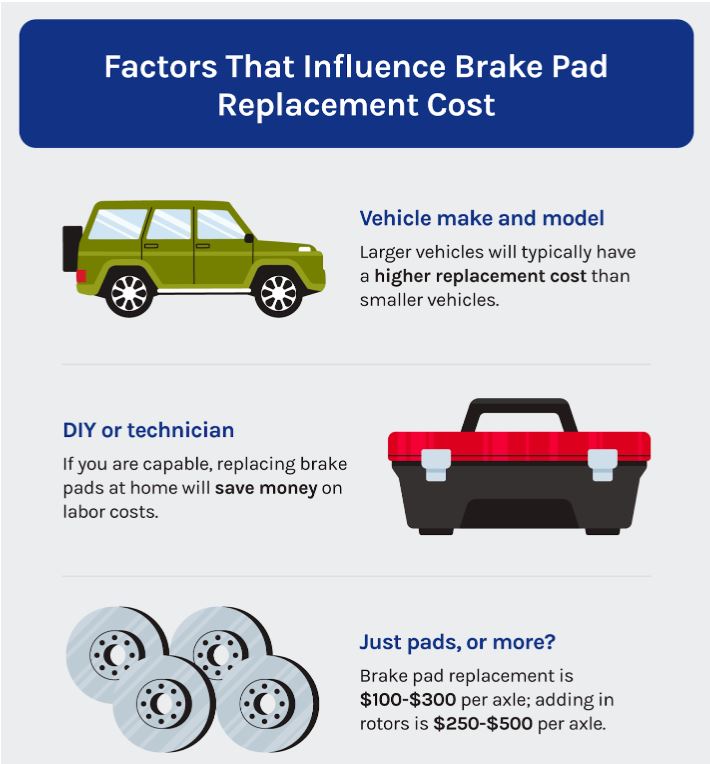
Different vehicles need different parts sizes and types. Luxury cars often require pricier brake components. Common models use standard parts that cost less. Some vehicles need special rotors or pads, raising costs.
Quality And Brand Options
Brake parts come in various quality levels. Economy brands offer cheaper options but may wear out faster. Premium brands provide longer-lasting parts at a higher price. Choosing quality parts affects safety and replacement frequency.
Labor Charges
Mechanic fees vary by shop and expertise. Some shops charge by the hour, others a flat rate. Labor costs depend on job complexity and time required. DIY can save money but needs skill and tools.
Location Variations
Brake replacement prices differ by region and city. Urban areas usually have higher labor and parts costs. Rural locations may offer cheaper services but fewer options. Local market demand impacts overall pricing.
Average Cost Breakdown
Replacing brake pads and rotors is a common car repair. Knowing the average costs helps you plan your budget. Prices vary by car type, brand, and quality of parts.
Choosing between economy and premium parts affects the price. Labor charges also add to the total cost. Below is a simple cost breakdown for brake pads and rotors.
Price Range For Brake Pads
Brake pads usually cost between $30 and $80 per set. Economy pads are cheaper but wear out faster. Premium pads offer better performance but cost more. Prices depend on the material, like ceramic or semi-metallic.
Price Range For Rotors
Rotors cost more than brake pads. You can expect to pay $40 to $120 each. Some high-end or specialty rotors may cost over $150. Rotor quality affects braking smoothness and durability.
Combined Replacement Costs
Replacing both brake pads and rotors usually costs between $150 and $300 per axle. Labor fees typically add $70 to $120 to the total. Full replacement of all four wheels may cost $300 to $600 or more.
Regular maintenance can extend the life of these parts. Budgeting for replacements avoids sudden expenses and keeps your car safe.
Diy Vs Professional Replacement
Choosing between DIY and professional replacement for brake pads and rotors depends on your skills, tools, and time. Both options have benefits and challenges. Understanding these can help you decide what fits your needs and budget.
Pros And Cons Of Diy
DIY brake replacement saves money on labor costs. It allows you to learn car maintenance skills. You can work on your schedule. Yet, it takes time and patience. Mistakes can cause safety risks or damage. You need a clean workspace and tools. Without experience, the job might take longer.
When To Seek Professional Help
Seek professional help if you lack tools or knowledge. Strange noises or vibrations after replacement need expert check. If your brakes feel weak or uneven, call a mechanic. Complex brake systems or ABS require trained hands. Professionals ensure safety and proper installation. It saves you from costly errors and stress.
Tools Needed For Diy
Basic tools include a jack, jack stands, and lug wrench. You need a C-clamp to compress brake calipers. Socket set and wrenches are essential. Brake cleaner and grease help with parts. A torque wrench ensures bolts tighten correctly. Safety glasses and gloves protect you during work.
Signs You Need New Pads And Rotors
Knowing the signs of worn brake pads and rotors helps avoid costly repairs. Brake parts wear down over time and need replacement to keep your car safe. Watch for clear signals that your brakes need attention. Catching these early keeps driving smooth and safe.
Common Warning Symptoms
Squeaking or screeching sounds during braking show pad wear. Vibration or pulsing in the brake pedal means rotors may be warped. Longer stopping distances signal reduced brake efficiency. A grinding noise means pads are worn to metal. These signs mean new pads or rotors are needed soon.
Impact On Driving Performance
Worn brake parts reduce stopping power, making driving unsafe. Brakes may feel soft or spongy, causing poor control. Uneven braking can pull the car to one side. This affects smoothness and increases accident risk. Proper brakes keep the vehicle steady and responsive.
Safety Risks Of Delaying Replacement
Ignoring brake wear can cause complete brake failure. This puts you and others in danger on the road. Damaged rotors and pads increase the risk of accidents. Repair costs rise if damage spreads to other parts. Timely replacement protects your safety and your wallet.
Credit: www.aaa.com
Tips To Extend Brake Component Life
Brake pads and rotors wear out with use and time. Extending their life saves money and keeps your car safe. Simple actions help your brakes last longer. Follow these tips to protect your brake components.
Driving Habits To Adopt
Drive smoothly and avoid hard stops. Gradual braking reduces stress on pads and rotors. Keep a safe distance from other cars. This helps avoid sudden stops. Slow down before corners to ease brake use. Avoid riding the brakes on hills. These habits lower wear and tear.
Regular Maintenance Checks
Check brake pads and rotors often. Look for signs of wear like squeaking or vibration. Replace parts before they fail completely. Have a mechanic inspect brakes at least once a year. Clean brake parts to remove dust and dirt. Regular checks keep brakes working well and last longer.
Choosing Quality Parts
Buy brake pads and rotors from trusted brands. Quality parts last longer and perform better. Avoid cheap, low-quality replacements that wear out fast. Look for parts made for your car model. Quality parts improve safety and reduce repair costs over time.
Where To Buy Brake Pads And Rotors
Finding the right place to buy brake pads and rotors matters. Quality and price vary by seller. Choose a trusted source to ensure safety and durability. Below are common options for purchasing brake parts.
Authorized Dealers
Authorized dealers sell parts approved by car makers. These parts fit well and meet safety rules. Prices may be higher but reliability is strong. Dealers often offer warranties and expert advice. Perfect for those who want peace of mind with their purchase.
Online Marketplaces
Online marketplaces offer a wide range of brake pads and rotors. Prices can be lower and selection is large. Check seller reviews and product ratings before buying. Shipping can take a few days or longer. Good choice for shoppers who want variety and deals.
Local Auto Shops
Local auto shops provide parts with quick service. You can see the product before buying. Staff can give advice and help with installation. Prices may be slightly higher than online. Ideal for people who need parts fast and prefer face-to-face help.

Credit: www.greatwater360autocare.com
Frequently Asked Questions
How Much Do New Brake Pads And Rotors Cost?
New brake pads and rotors typically cost between $150 and $300. Prices vary based on vehicle type and quality of parts. Labor fees may add $100 to $200. Always get a detailed quote to avoid surprises.
What Factors Affect Brake Pads And Rotors Price?
Prices depend on vehicle model, part quality, and labor rates. Premium brands cost more but offer better durability. Larger vehicles usually require bigger, more expensive parts. Local labor rates also influence total repair costs.
Can I Replace Brake Pads And Rotors Myself?
Yes, if you have mechanical skills and tools. However, improper installation risks safety and performance. Professional replacement ensures proper fitting and brake function. DIY saves money but may void warranties.
How Often Should Brake Pads And Rotors Be Replaced?
Brake pads usually last 30,000 to 70,000 miles; rotors last longer. Replacement depends on driving habits and road conditions. Regular inspections help spot wear early and avoid costly damage.
Conclusion
Replacing brake pads and rotors costs vary by car and part quality. Budget-friendly options exist, but higher-quality parts last longer. Labor fees also affect the total price. Regular brake checks keep your car safe and save money. Knowing the cost helps you plan repairs better.
Choose trusted mechanics for the best results. Safe brakes mean safer driving every day.