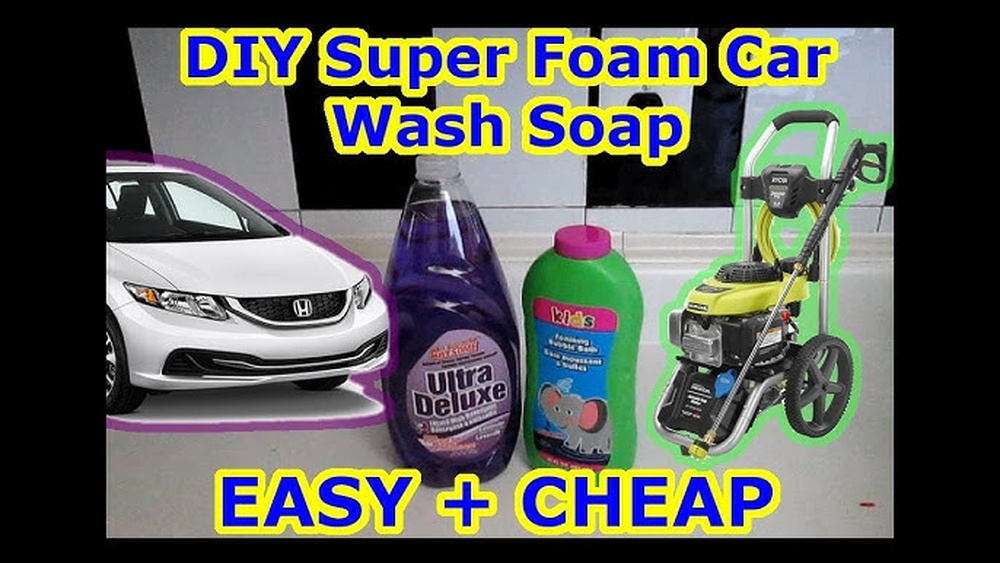
Are you wondering how much water pressure is safe to wash your car without causing damage? Using too much pressure can harm your paint and delicate parts, while too little might leave your car dirty.
Finding the right balance is key to getting your car spotless and protected. You’ll discover the ideal maximum water pressure to clean your car effectively and safely. Keep reading to learn how to make your car shine without risking costly repairs.
Ideal Water Pressure Range
The ideal water pressure range for washing a car is important to know. Using the right pressure cleans well without causing damage. Too much pressure can harm the paint and trim. Too little pressure might not remove dirt properly. Finding the balance helps keep your car safe and shiny.
Recommended Psi For Car Washing
The best water pressure for washing a car is between 1200 and 1900 PSI. This range is strong enough to remove dirt and grime. It is gentle enough to avoid paint damage. Pressures above 2000 PSI may risk scratching or peeling paint. Below 1200 PSI may need more scrubbing or time.
Differences Between Low And High Pressure
Low pressure means less force from the water. It is safer for delicate parts but may need more effort. High pressure cleans faster and removes tough dirt easily. It can damage paint, seals, or decals if too strong. Use moderate pressure for the best results on your car.
Credit: www.walmart.com
Effects Of High Water Pressure
High water pressure can harm your car during washing. It might seem like a quick way to clean, but too much pressure causes problems. Understanding the effects helps protect your vehicle from damage.
Potential Damage To Car Paint
Strong water pressure can chip or peel car paint. Paint is a thin layer and can crack under force. Over time, this leads to rust and stains. Small scratches may appear from the high-pressure water jet. These scratches reduce the shine and smoothness of the paint. Protecting paint means using the right pressure level during washing.
Risks To Car Components
High pressure can also damage parts around the car. Seals and rubber trims may tear or weaken. Water may enter places it should not, like electrical parts. This causes malfunctions or short circuits. Sensors and cameras can break from intense water force. Avoiding high pressure helps keep car components safe and working well.
Choosing The Right Pressure Washer
Picking the right pressure washer is key to cleaning your car safely. Using too much pressure can damage the paint. Too little pressure will not clean well. Knowing the right pressure level helps protect your car’s finish and removes dirt effectively.
Pressure washers come in different types and power levels. Each type has its own benefits and limits. Choosing the right features ensures you get the best cleaning without harm.
Types Of Pressure Washers
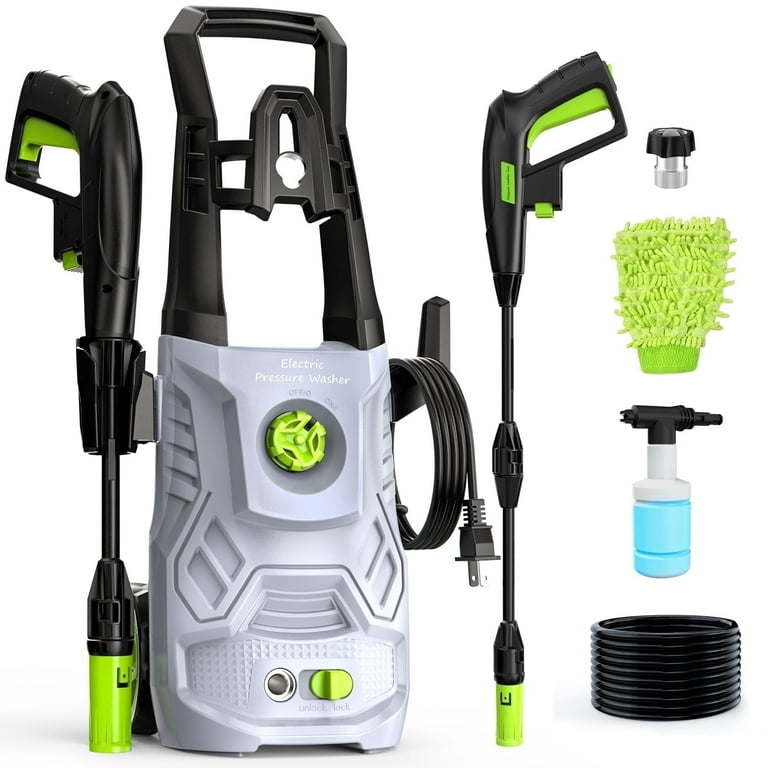
Electric pressure washers are lightweight and quiet. They work well for small jobs like washing cars. Gas pressure washers are more powerful. They suit bigger jobs but can be heavy and loud.
For cars, electric models with 1200 to 1900 PSI are enough. Higher pressure is not needed and may damage the car’s paint. Gas models often start at 2000 PSI or more, which is too high for delicate surfaces.
Features To Look For
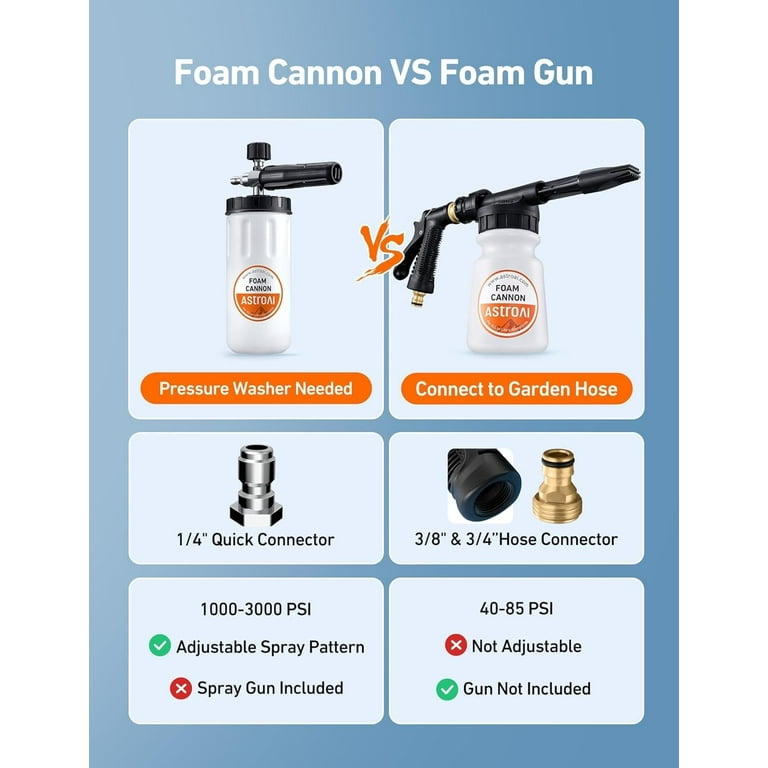
Look for adjustable pressure settings. This lets you control the strength for different tasks. A nozzle that sprays a wide fan pattern is safer for cars. It spreads the water and reduces pressure on one spot.
A good hose length gives you freedom to move around. Lightweight design makes it easier to use for longer times. A detergent tank helps apply soap quickly. These features save time and protect your car.

Credit: www.amazon.com
Safe Washing Techniques
Safe washing techniques protect your car’s paint and surface. Using the right water pressure is important, but how you use it matters too. Proper methods help avoid damage and keep your car looking new. Follow simple rules for better results.
Maintaining Proper Distance
Keep the pressure washer nozzle at least 12 inches from the car. Too close can cause paint damage or dents. Moving the nozzle back and forth helps avoid too much pressure in one spot. Adjust the distance based on the water pressure and nozzle type.
Using Appropriate Nozzles
Choose a nozzle with a wide spray angle for washing your car. A 25-degree or 40-degree nozzle spreads water gently over the surface. Avoid narrow or pinpoint nozzles; they create strong jets that can harm paint. Use the right nozzle to clean effectively and safely.
Additional Tips For Effective Car Cleaning
Cleaning your car well needs more than just the right water pressure. Small steps improve results and protect your car’s paint. Follow these tips to clean your car safely and effectively.
Pre-rinse And Soaking
Start by rinsing your car with water. This removes loose dirt and dust. Soak the car for a few minutes to soften tough grime. This step helps avoid scratches during washing. Use gentle water pressure for rinsing to protect the paint.
Using Detergents Safely
Choose car-specific detergents. They are gentle on paint and clear away dirt well. Mix detergent with water as the label says. Apply it with a soft cloth or sponge. Avoid harsh scrubbing to prevent damage. Rinse thoroughly to remove all soap residues.
Credit: yourpghlawyer.com
Frequently Asked Questions
What Is The Ideal Water Pressure To Wash A Car?
The ideal water pressure for car washing is between 1200 and 1900 PSI. This range cleans effectively without damaging paint or decals.
Can High Water Pressure Damage My Car Paint?
Yes, water pressure above 2000 PSI can strip paint and cause damage. Use moderate pressure to protect your car’s finish.
How Does Water Pressure Affect Car Washing Efficiency?
Higher pressure removes dirt faster but risks paint damage. Lower pressure is safer but may require more scrubbing.
Should I Use A Pressure Washer Or Garden Hose?
Pressure washers clean better with less effort, but use safe pressure settings. Garden hoses are gentler but less effective on tough dirt.
Conclusion
Maintaining the right water pressure keeps your car safe and clean. Too much pressure can damage paint and parts. Aim for a pressure under 2000 PSI for best results. Use gentle sprays for delicate areas. Regular washing with proper pressure helps your car look new longer.
Remember, balance is key for a shiny, damage-free finish. Take care, and your car will thank you.