Have you ever wondered how much pressure you really need to wash your car without causing damage? Using too little pressure might leave dirt behind, while too much can harm your paint or trim.
Finding the right balance is key to keeping your car spotless and safe. You’ll discover the ideal pressure levels to get your car clean and shining, so you can avoid costly mistakes and enjoy a flawless finish every time. Keep reading to learn the simple secrets that will transform your car washing routine.
Credit: www.turtlewax.com
Ideal Pressure Range
Choosing the right pressure is key to cleaning your car well. Too little pressure leaves dirt behind. Too much pressure may harm your car’s paint. The ideal pressure range cleans effectively without damage.
This range depends on your car’s surface and the type of dirt. Using the correct pressure saves time and keeps your car looking great. Let’s explore the safe PSI levels and how to avoid paint damage.
Safe Psi Levels For Car Wash
For most cars, a pressure between 1200 and 1900 PSI works best. This range removes dirt and grime without risking paint chips. Pressure washers with 1300 to 1600 PSI are ideal for regular car cleaning.
Higher pressure may be needed for tough dirt, but use caution. Start at a low PSI and increase if needed. Always test on a small area first.
Pressure Variations By Car Surface
Different surfaces need different pressure levels. Painted surfaces need less pressure, around 1200 to 1500 PSI. Wheels and tires can handle higher pressure, up to 2000 PSI.
Plastic trims and decals require gentle pressure to avoid damage. Use a wide spray nozzle to reduce pressure on delicate parts. Adjust pressure based on the surface material.
Avoiding Paint Damage
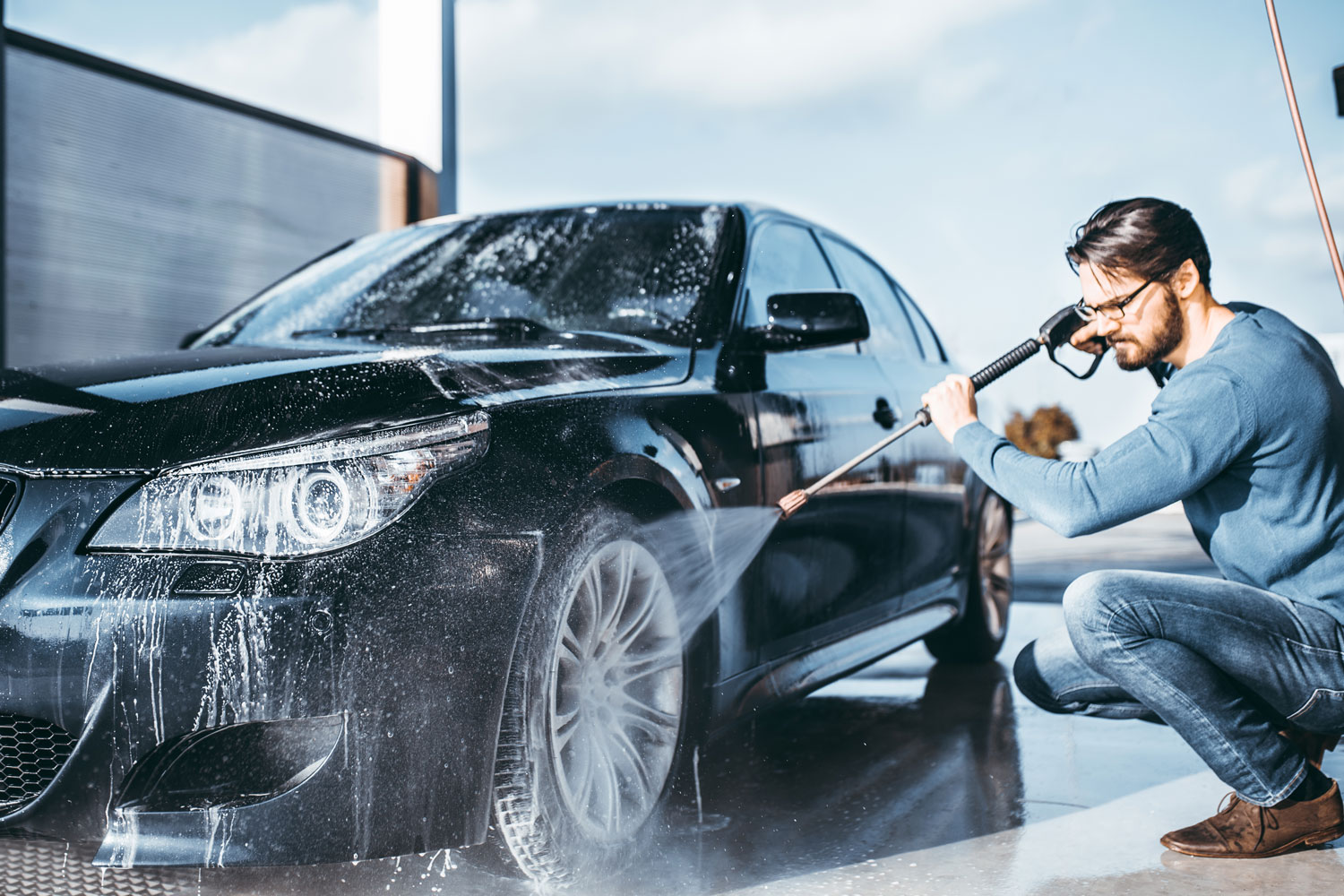
High pressure can chip or scratch paint quickly. Keep the nozzle at least 12 inches from the car’s surface. Use a fan spray pattern to spread out the water pressure.
Never hold the spray in one spot for too long. Move the nozzle steadily and keep the pressure moderate. Proper technique protects your car’s paint and finishes.
Credit: www.capitalone.com
Types Of Pressure Washers
Pressure washers come in different types, each made for specific cleaning tasks. Choosing the right one helps clean your car safely and effectively. Understanding the types can save time and avoid damage.
Pressure washers mainly differ by power source and pressure output. These factors affect how well they clean and how easy they are to use.
Electric Vs Gas Models
Electric pressure washers are quiet and easy to start. They work well for light to medium cleaning jobs. These models are smaller and lighter, making them easy to move around.
Gas pressure washers are louder but more powerful. They suit heavy-duty cleaning and larger jobs. These machines need more maintenance but provide higher pressure for tough dirt.
Pressure Output Differences
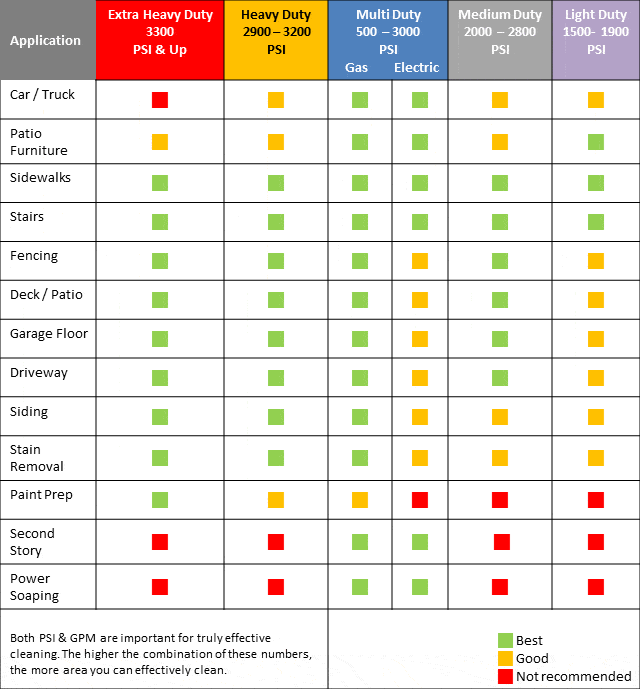
Pressure is measured in PSI (pounds per square inch). Low PSI washers (under 1500) are good for delicate surfaces like car paint. Medium PSI washers (1500-2500) handle regular car washing well.
High PSI washers (above 2500) clean stubborn grime but may damage paint if used carelessly. Choose pressure based on your car’s needs and surface type.
Choosing The Right Washer
Pick an electric washer for simple, small car cleaning tasks. Select a gas washer for larger jobs or heavy dirt. Check the PSI to match your car’s surface sensitivity.
Consider portability, noise, and maintenance. The right washer keeps your car clean without damage or extra effort.
Nozzle Types And Effects
Nozzles play a key role in car washing. They control how water sprays from the pressure washer. Different nozzle types change the pressure and coverage of the water. This affects how well dirt and grime are removed from your car. Choosing the right nozzle helps clean your car safely and effectively.
Common Nozzle Angles
Nozzles come in various angles. The most common are 0°, 15°, 25°, 40°, and soap nozzles. A 0° nozzle produces a very narrow, strong stream. It can damage your car’s paint. A 15° nozzle offers a strong spray but covers more area. The 25° nozzle is a good balance between pressure and coverage. The 40° nozzle produces a wide, gentle spray. Soap nozzles spray detergent with low pressure.
Pressure Concentration And Coverage
The smaller the nozzle angle, the higher the pressure. Narrow angles focus water on a small spot. This cleans tough dirt but can harm paint. Wider angles spread water over a larger area. This protects the paint but may need more time. Choosing the right balance prevents damage and cleans well.
Best Nozzle For Car Washing
The 25° nozzle works best for most car washing. It provides enough pressure to remove dirt safely. It covers a good area to speed up cleaning. Use the soap nozzle first to apply detergent. Then, rinse with the 25° nozzle. Avoid using 0° or 15° nozzles on your car’s paint.
Techniques For Effective Washing
Cleaning a car with the right pressure is not enough. Proper techniques make the wash effective and safe. Following simple steps protects your car’s paint and removes dirt well. Using the right distance, patterns, and rinsing methods ensures a clean finish without damage.
Optimal Distance From Car Surface
Keep the pressure washer nozzle 6 to 12 inches from the car. Too close can harm the paint. Too far reduces cleaning power. Hold the nozzle at a slight angle for better dirt removal. Move the spray in a steady motion to avoid spots.
Proper Washing Patterns
Wash the car in sections, top to bottom. Start from the roof, then windows, doors, and wheels last. Use horizontal strokes on flat surfaces and vertical on curves. This prevents missed spots and streaks. Overlap each pass slightly for full coverage.
Pre-rinse And Post-wash Tips
Rinse the car before washing to remove loose dirt. This stops scratches during scrubbing. After washing, rinse again to clear soap and grime. Dry the car with a soft towel or microfiber cloth. This avoids water spots and streaks.
Common Mistakes To Avoid
Washing a car with the right water pressure is important. Using too much or too little pressure can cause problems. Many people make simple mistakes that harm their car’s paint or parts. Avoiding these errors keeps your car safe and clean.
Using Excessive Pressure
High pressure can damage your car’s paint. It can also strip away wax or scratch the surface. Strong pressure may break mirrors or push water into seals. Use moderate pressure to clean without harm.
Ignoring Delicate Areas
Some parts need gentle care. Soft plastics, decals, and thin paint layers are fragile. Spraying directly with strong water can cause damage. Focus on these spots with lower pressure or by hand.
Skipping Protective Measures
Protect your car before washing. Close windows and sunroofs tightly. Cover sensitive parts like air vents and sensors. Use car-safe soap and avoid harsh chemicals. These steps prevent water damage and keep parts working well.
Additional Tips For Car Care
Taking care of your car goes beyond just washing it. Proper care keeps your car looking fresh and protects its surface. Small steps make a big difference in maintaining your car’s shine and condition. Below are useful tips to help you care for your car better.
Using Detergents Safely
Choose car-specific detergents for cleaning. Household soaps can damage the paint. Mix detergents with water as per instructions. Avoid using too much detergent; it can leave residue. Rinse the car well after washing to remove all soap. Use a soft sponge or cloth to prevent scratches.
Drying Techniques
Dry your car after washing to avoid water spots. Use a clean, soft microfiber towel for drying. Pat the surface gently instead of rubbing hard. Dry the car in shade to prevent fast drying. Check for any missed wet spots around mirrors and door handles.
Regular Maintenance Practices
Wash your car regularly to keep dirt away. Clean wheels and tires to prevent grime build-up. Wax your car every few months to protect the paint. Check for scratches and fix them early to avoid rust. Keep windows and mirrors clean for clear visibility.
Credit: pressurewashr.com
Frequently Asked Questions
What Pressure Is Ideal For Washing A Car Safely?
A pressure between 1200 and 1900 PSI is ideal for car washing. It effectively removes dirt without damaging paint or trim. Higher pressure risks paint chips, while lower pressure may not clean well.
Can High Pressure Damage My Car’s Paint?
Yes, pressure above 2000 PSI can damage your car’s paint. It may cause paint chipping or scratches. Always use moderate pressure settings and keep the nozzle at least 12 inches away from the surface.
What Nozzle Type Works Best For Car Washing?
A 25-degree nozzle is best for washing cars. It provides a good balance of pressure and coverage. Avoid narrow nozzles as they concentrate pressure and risk damage to paint.
How Far Should The Pressure Washer Be From The Car?
Maintain at least 12 to 18 inches distance from the car surface. This prevents paint damage while allowing effective cleaning. Adjust distance based on pressure and dirt level.
Conclusion
Choosing the right pressure helps clean your car safely. Too much pressure can damage paint and parts. Too little pressure may not remove dirt well. Aim for a balanced pressure around 1200 to 1900 PSI. Always test on a small area first.
Use a proper nozzle for better results. Clean your car gently but effectively. This keeps your car looking great longer. Simple steps lead to a cleaner, safer wash. Now, you know how much pressure to use.