

You want your car to look spotless without causing any damage during washing. But how much pressure is just right when washing your car?
Too little pressure might leave dirt behind, while too much can harm your paint or delicate parts. Finding the perfect balance is key to keeping your car clean and safe. You’ll discover exactly how much pressure to use, so you can wash your car like a pro every time.
Keep reading—you don’t want to miss these essential tips!

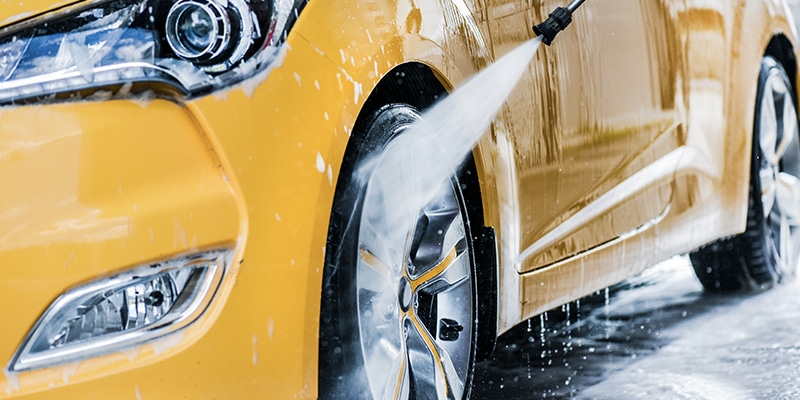
Credit: www.turtlewax.com
Ideal Pressure For Car Washing
Choosing the right pressure for washing a car is important. Too low pressure might not clean well. Too high pressure can damage the paint or parts. The ideal pressure cleans effectively without harm. It keeps the car looking great and safe.
Low Pressure Benefits
Low pressure uses less force. It is gentle on paint and decals. It reduces the risk of scratches. Good for delicate areas like mirrors and trim. Ideal for regular cleaning and light dirt.
Moderate Pressure Range
Moderate pressure balances cleaning and safety. Around 1200 to 1900 PSI works well. It removes dirt, mud, and grime easily. Safe for most car surfaces with care. Use a wide spray pattern for best results.
High Pressure Risks
High pressure above 2000 PSI can harm the car. It may strip paint or damage seals. Risk of water entering electrical parts increases. Not recommended for regular car washing. Use only for tough stains with caution.
Types Of Pressure Washers
Pressure washers come in different types. Each type suits different cleaning jobs. Choosing the right one helps protect your car’s paint and finish.
Understanding the main types of pressure washers makes washing safer and easier. Let’s explore key differences and options.
Electric Vs Gas Models
Electric pressure washers are light and easy to use. They run quietly and need less maintenance. Perfect for small car cleaning jobs.
Gas pressure washers are more powerful and mobile. They handle tough dirt and large areas well. Best for deep cleaning but can be noisy.
Pressure Levels Explained
Pressure is measured in PSI (pounds per square inch). Low PSI (1200-1900) is safe for cars. High PSI can damage paint and parts.
Choose a pressure washer with adjustable PSI. This helps protect your car while cleaning effectively.
Nozzle Options And Effects
Nozzles control the water spray angle and force. Wide angles spread water gently. Narrow angles focus water for tough dirt.
Use a 25-degree or 40-degree nozzle for car washing. Avoid 0-degree nozzles as they can harm paint.
Pressure Settings For Different Car Parts
Choosing the right pressure setting is key for washing different car parts safely. Each part needs a specific pressure to avoid damage. Too much pressure can hurt paint or parts. Too little pressure might not clean well. Here are the best pressure settings for wheels, car body, and undercarriage.
Wheels And Tires
Wheels and tires handle rough conditions daily. Use higher pressure here to remove dirt and brake dust. Around 2000 to 2500 PSI works well. This level cleans deep grime without harming the rubber or metal. Keep the nozzle at least 12 inches away from wheels.
Car Body
The car body needs gentle care to protect the paint. Use lower pressure, about 1200 to 1900 PSI. This pressure removes dirt and grime safely. Hold the spray nozzle 18 to 24 inches from the surface. Avoid staying too long in one spot to prevent paint damage.
Undercarriage
The undercarriage collects mud and salt that cause rust. Use medium to high pressure, between 2000 and 2500 PSI. This pressure clears tough dirt and salt effectively. Use a wide spray pattern and keep the nozzle moving. This protects parts while cleaning thoroughly.
Common Mistakes To Avoid
Washing your car with a pressure washer can save time and effort. Yet, many people make mistakes that harm their vehicle or reduce cleaning quality. Avoiding common errors helps protect your car’s paint and finish.
Below are some frequent mistakes to watch out for during pressure washing.
Using Too Much Pressure
High pressure might seem good for cleaning. Too much force can damage your car’s paint. It may also cause scratches or remove protective coatings. Use moderate pressure suited for car surfaces. Test on a small spot first to check safety.
Wrong Nozzle Choice
Nozzles control water spray angle and strength. A narrow spray can be very strong and risky. Choose a nozzle with a wider angle for gentle cleaning. A 25-degree or 40-degree nozzle works well for cars. Avoid zero-degree nozzles as they concentrate pressure too much.
Ignoring Manufacturer Guidelines
Pressure washer manuals offer vital information. They specify ideal pressure settings and nozzle types for cars. Ignoring these instructions risks damage and voids warranties. Follow the guidelines carefully to keep your car safe and clean.
Step-by-step Washing Process
Washing your car with the right pressure helps protect its paint and finish. A step-by-step process ensures a clean and safe wash. Follow these simple steps to get the best results.
Use the correct pressure to avoid damage. Too much pressure can harm the paint. Too little may not clean well. Let’s break down the washing process.
Pre-rinse Techniques
Start by rinsing the car with low pressure water. This removes loose dirt and dust. Hold the nozzle about 2 feet away from the surface. Avoid spraying directly on sensitive areas like mirrors and vents. Pre-rinsing helps stop scratches during washing.
Applying Soap Safely
Use a car-specific soap mixed with water. Apply the soap using a foam cannon or sponge. Keep the pressure moderate to avoid splashing. Work from top to bottom to cover the whole car. Let the soap sit for a few minutes, but don’t let it dry.
Final Rinse Tips
Rinse off the soap with low to medium pressure. Start from the top again and move downwards. Hold the nozzle at a safe distance to avoid paint damage. Make sure all soap is removed to prevent streaks. Dry the car with a soft cloth or microfiber towel.
Credit: washh.com
Maintaining Your Pressure Washer
Maintaining your pressure washer is key for a clean car and a long-lasting machine. Proper care keeps the washer working well and prevents damage. Simple steps can save money and time over months.
Regular Cleaning
Clean the pressure washer after each use. Remove dirt and debris from the nozzle and hose. Wipe the body with a damp cloth. This stops buildup that can block water flow. Clean parts help the washer spray evenly.
Checking For Damage
Inspect the hose and nozzle for cracks or leaks. Look at the power cord for frays or breaks. Replace broken parts quickly to avoid bigger problems. Check the water filter and clear any clogs. Fixing small issues keeps the washer safe to use.
Storage Best Practices
Store the pressure washer in a dry, cool place. Avoid direct sunlight and freezing temperatures. Drain all water from the hose and pump before storing. This prevents rust and damage. Cover the machine to keep dust away. Proper storage extends the life of your pressure washer.
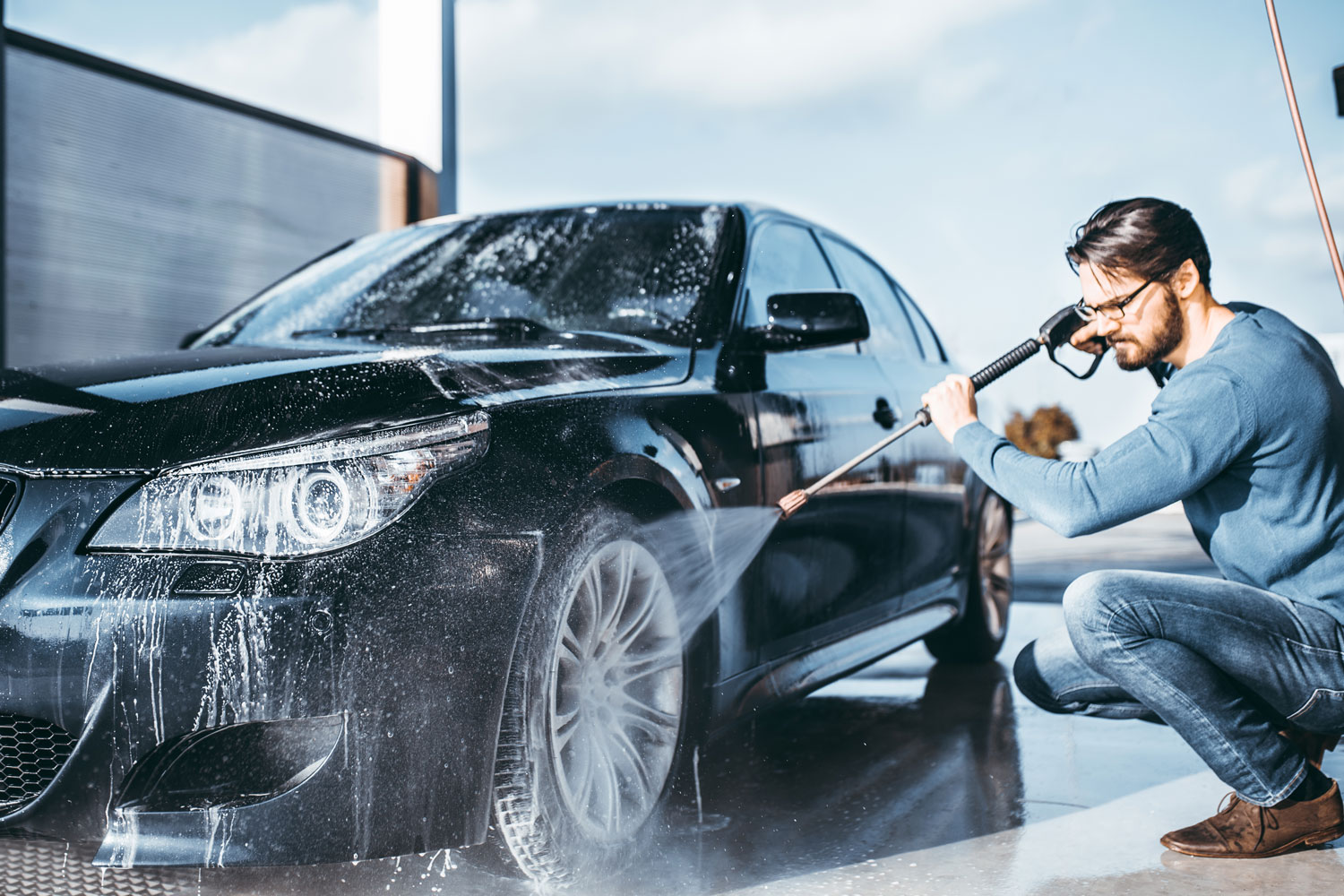
Credit: www.capitalone.com
Frequently Asked Questions
What Pressure Is Safe For Washing A Car?
A pressure between 1200 and 1900 PSI is safe for car washing. It effectively removes dirt without damaging paint. Using higher pressure can cause paint or trim damage, so always use a moderate PSI for best results.
Can High Pressure Damage My Car’s Paint?
Yes, high pressure above 2000 PSI can chip or scratch car paint. Always use a pressure washer with adjustable settings. Keep the nozzle at least 12 inches from the surface to avoid paint damage.
What Nozzle Angle Is Best For Car Washing?
A 25-degree or wider nozzle angle is best for washing cars. It distributes water evenly and reduces pressure impact. Narrower angles concentrate force and may harm paint or trim.
How Far Should The Nozzle Be From The Car?
Keep the nozzle 12 to 18 inches away from the car surface. This distance prevents paint damage and ensures effective cleaning. Adjust distance based on pressure and dirt level for optimal results.
Conclusion
Choosing the right pressure keeps your car safe and clean. Too much pressure can damage paint and parts. Too little pressure may not wash off dirt well. A balanced setting works best for most cars. Always test on a small area first.
Use a gentle spray for delicate spots. Regular washing helps keep your car looking good longer. Remember, care and caution make washing effective. Keep these tips in mind for a shiny, well-maintained vehicle.


