Have you ever wondered how much pressure is used in a car wash? Knowing this can help you understand how your car gets cleaned without getting damaged.
Whether you wash your car at home or use a professional service, the right pressure makes all the difference. You’ll discover exactly how much pressure is safe and effective for your vehicle. Keep reading to learn what protects your car’s paint while still getting it sparkling clean!
Car Wash Pressure Basics
Understanding car wash pressure is important for a clean and safe wash. The right pressure removes dirt without harming your car’s paint. Too much pressure can cause damage. Too little pressure may not clean well.
This section explains basic facts about car wash pressure. It covers pressure units and common pressure levels used in car washes.
Pressure Units Explained
Pressure measures force on a surface. The common unit is PSI, which means pounds per square inch. It shows how much force hits one square inch of your car.
Another unit is bar. One bar equals about 14.5 PSI. Both units help describe how strong the water spray is during a wash.
Understanding these units helps you know what pressure is safe and effective for cleaning your car.
Common Pressure Ranges
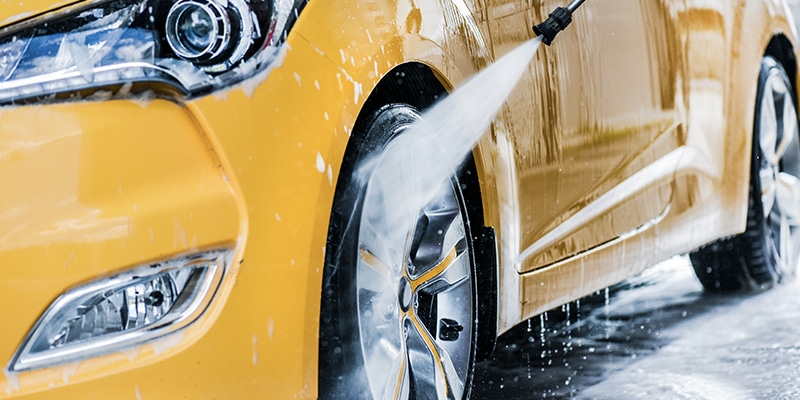
Car wash pressures vary by type. Self-service washers use 1000 to 2000 PSI. This range cleans dirt but is gentle on paint.
Automatic car washes usually use 1200 to 1800 PSI. They balance cleaning power and safety well. Handheld pressure washers for cars range from 1200 to 1900 PSI.
Pressure over 2000 PSI is often too strong for car paint. It may cause scratches or damage. Lower pressure keeps your car safe while cleaning effectively.
Credit: washh.com
Types Of Car Wash Equipment
Car wash equipment comes in many types. Each tool uses different pressure levels. This affects how well your car gets clean. Knowing these tools helps you choose the best wash for your car. Some equipment uses high pressure to remove dirt fast. Others use gentle pressure to protect your car’s paint.
Pressure Washer Categories
Pressure washers are common in car washes. They spray water at high speeds. Light pressure washers work well for regular cleaning. They use around 1200 to 1900 PSI (pounds per square inch). Medium pressure washers reach 2000 to 2800 PSI. They remove tough dirt and grime. Heavy-duty washers go beyond 3000 PSI. These are for very dirty cars or trucks. Too much pressure can damage paint. So, it is important to match washer type to car condition.
Foam Cannons And Brushes
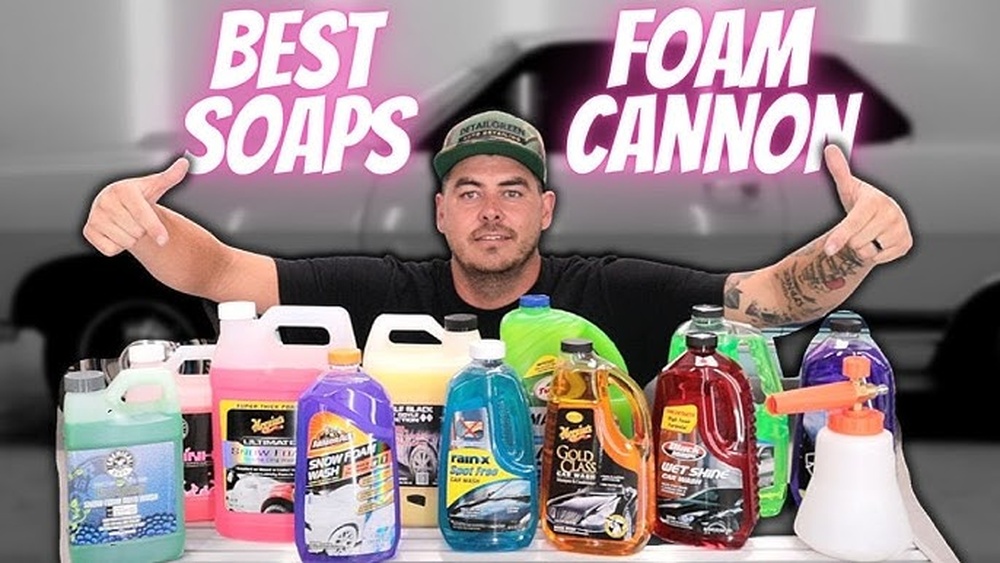
Foam cannons spray thick soap foam on cars. The foam helps lift dirt gently. This lowers the need for strong pressure. Brushes come in many shapes and sizes. Soft brushes clean without scratching paint. Hard brushes remove stubborn dirt but may harm paint. Many car washes use foam and brushes together. This combo cleans well and protects your vehicle.
Safe Pressure Levels For Cars
Knowing the safe pressure levels for washing cars is important. Too much pressure can hurt the paint or trim. Too little pressure may not clean well. Finding the right balance keeps your car looking good and safe.
This section explains the best pressure ranges. It helps protect the paint, trim, and seals on your car. Use these tips to avoid costly damage.
Recommended Psi For Paint Protection
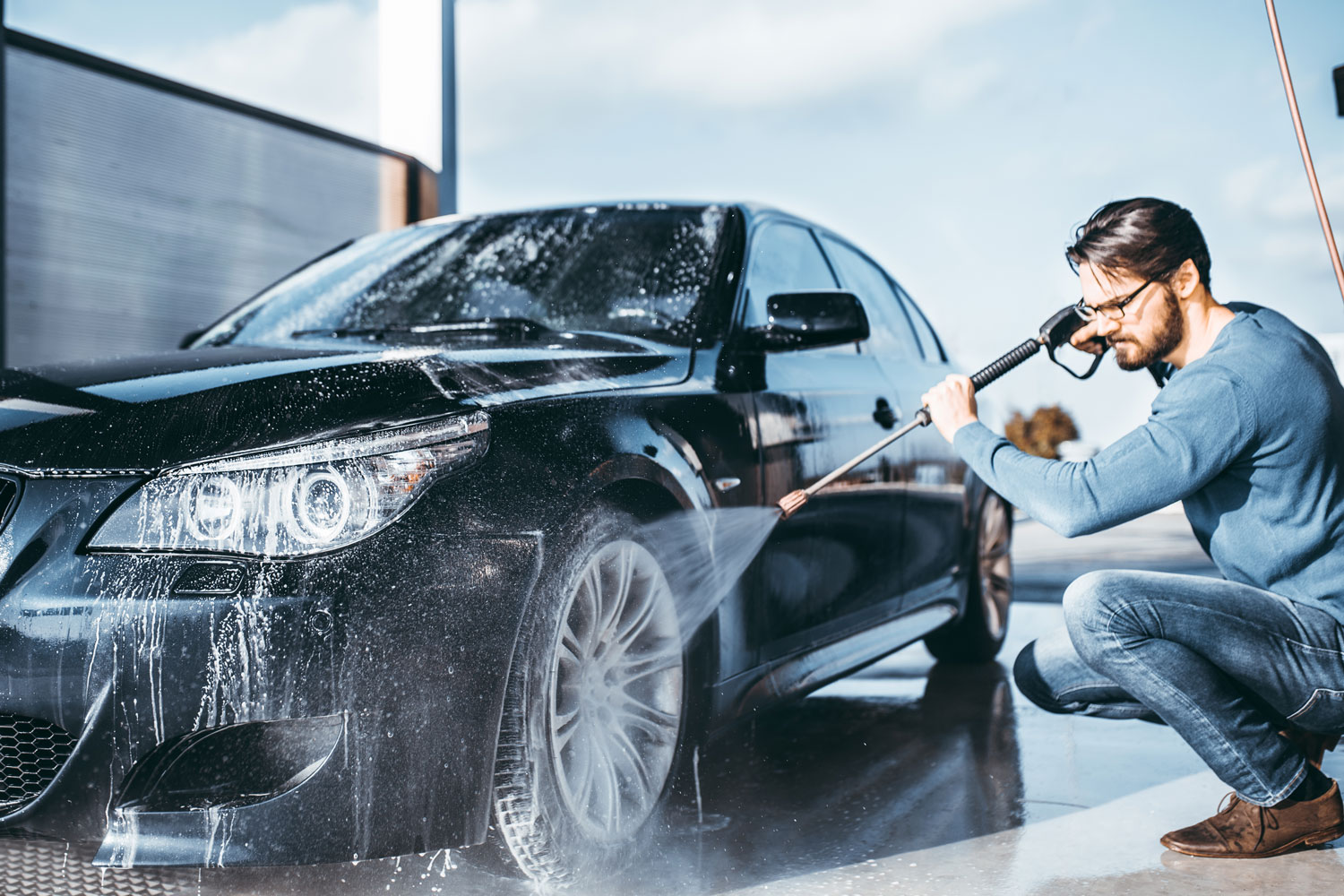
Car paint is delicate and can chip with high pressure. The best pressure for washing paint is between 1200 and 1900 PSI. This range cleans dirt without harming the surface. Use a wide spray nozzle to spread the water evenly. Stay at least 12 inches away from the car. Avoid holding the spray in one spot too long.
Avoiding Damage To Trim And Seals
Trim and seals are softer than paint. They can crack or peel under strong pressure. Keep pressure below 1200 PSI near these parts. Use a gentle spray and soft cloth to clean edges. Check seals for cracks before washing. Damaged seals let water inside, causing more problems.
Pressure Effects On Different Surfaces
Car wash pressure affects different parts of a vehicle in unique ways. Knowing how pressure impacts each surface helps protect your car. It also ensures a thorough clean without damage. Different materials need different pressure levels for safe washing.
Paint And Clear Coat
The paint and clear coat are delicate parts of your car. High pressure can chip or scratch these surfaces. Too much force removes wax and damages the finish. Use gentle pressure to keep the paint shiny and safe. Soft cloths or foam brushes work best with lower pressure.
Glass And Mirrors
Glass and mirrors need moderate pressure for a clear view. Strong pressure can crack or weaken glass over time. Use a steady, light spray to remove dirt and grime. Avoid harsh scrubbing to prevent scratches. Clean windows improve driving safety and look better.
Wheels And Tires
Wheels and tires handle higher pressure better than paint or glass. Strong pressure removes brake dust and mud effectively. Still, avoid directing high pressure at tire sidewalls. Sidewalls can weaken or crack under intense force. Clean wheels and tires help your car look fresh and new.
Adjusting Pressure For Optimal Cleaning
Adjusting pressure is key to cleaning cars effectively. Too much pressure can harm paint and trim. Too little pressure leaves dirt behind. The right pressure cleans well without damage. Small changes in pressure make a big difference. Understanding how to adjust pressure helps get the best results.
Pressure depends on the nozzle and how you spray water. Moving the spray at the correct distance and angle also matters. These factors work together for a clean car that looks great.
Nozzle Types And Spray Patterns
Nozzles control water flow and pressure. Different nozzles create different spray patterns. A wide spray covers more area with less force. A narrow spray hits with more pressure in one spot. Use wide sprays for gentle cleaning. Use narrow sprays for tough dirt spots.
Rotating nozzles change the spray angle. They help loosen dirt without scratching the paint. Pick nozzles based on the dirt level and car surface. Changing nozzles can protect the car and improve cleaning.
Distance And Angle Tips
Keep the spray nozzle at the right distance. Too close means too much pressure and possible damage. Too far means weak cleaning power. A distance of 6 to 12 inches works well for most cars. Adjust distance based on dirt and pressure.
Spray at a slight angle to avoid direct hits. Angled spray cleans better and reduces paint damage. Moving the nozzle in a steady motion helps remove dirt evenly. Avoid spraying the same spot for too long. This keeps the paint safe and clean.
Credit: www.capitalone.com
Diy Car Wash Pressure Tips
Washing your car at home saves money and gives control over the process. Using the right pressure is key. Too much pressure can damage paint and trim. Too little pressure leaves dirt behind. These DIY car wash pressure tips help you clean safely and well.
Selecting The Right Equipment
Pick a pressure washer with adjustable pressure settings. Look for models that range from 1200 to 1900 PSI. This range cleans dirt without harming your car’s surface. Choose a nozzle with a wide spray angle, like 25 degrees. Narrow nozzles create too strong a spray. Use a foam cannon for even soap coverage. Avoid metal nozzles that can scratch paint.
Step-by-step Washing Process
Start by rinsing the car with low pressure water. Remove loose dirt and dust first. Apply car wash soap through the foam cannon. Let the soap sit for a few minutes but not dry. Use a soft sponge or mitt to scrub gently. Rinse the car again with medium pressure water. Focus on removing all soap and grime. Dry the car with a microfiber towel to prevent spots.
Professional Car Wash Pressure Standards
Professional car washes use specific water pressures to clean vehicles safely and effectively. The pressure must be strong enough to remove dirt but gentle enough to avoid damage. Different types of car washes use different pressure levels.
Maintaining proper pressure standards protects your car’s paint and parts. Experts follow guidelines to balance cleaning power and safety. Understanding these standards helps you choose the right car wash.
Automatic Vs. Hand Wash Pressures
Automatic car washes use high-pressure water jets. These jets typically range from 1,200 to 2,000 PSI (pounds per square inch). This pressure removes tough dirt quickly. Machines control the pressure to protect the car’s surface.
Hand washes use lower pressure, usually under 1,000 PSI. Workers apply water carefully with hoses or buckets. Lower pressure reduces the risk of scratches and damage. Hand washing is gentler and allows detailed cleaning.
Industry Safety Guidelines
Car wash professionals follow strict safety rules. The International Carwash Association recommends pressures between 1,200 and 2,000 PSI for automatic washes. Pressures above 2,000 PSI can harm paint and trim.
Workers must avoid spraying water directly at sensitive areas. Tires, mirrors, and seals need special care. Regular equipment checks ensure pressure stays within safe limits. These steps keep cars safe and clean.
Common Mistakes To Avoid
Car washing seems simple but often involves mistakes that can damage your vehicle. Knowing common errors helps protect your car’s paint and finish. Avoiding these mistakes keeps your car looking fresh and clean for longer.
Using Excessive Pressure
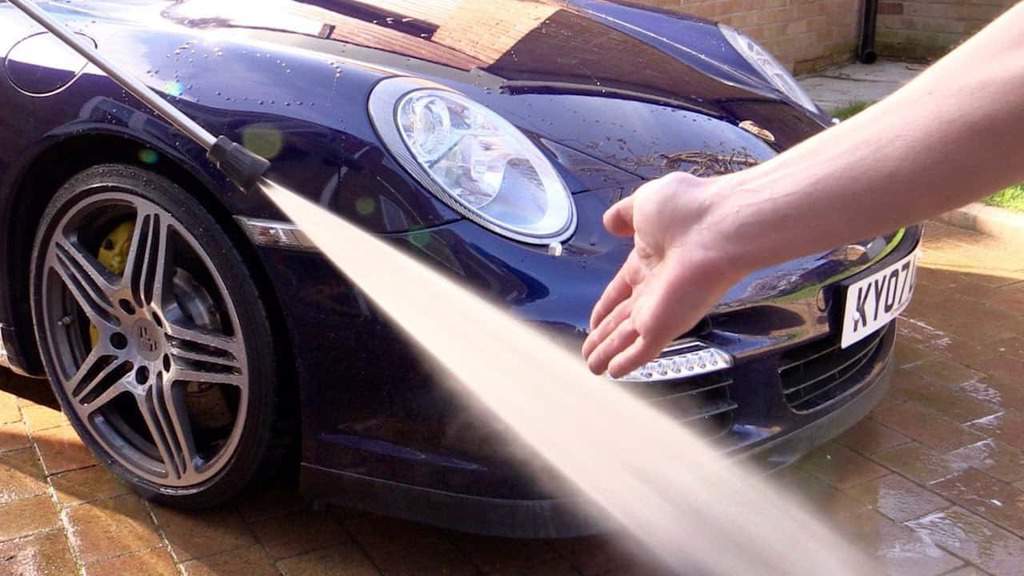
High water pressure can harm your car’s paint and surface. Strong jets might chip paint or cause scratches. Use a pressure level that cleans but does not damage. Most cars are safe with pressure below 2000 PSI. Check the pressure setting before starting to avoid problems.
Ignoring Manufacturer Instructions
Car makers provide cleaning guidelines for a reason. Ignoring these can void warranties or cause harm. Use recommended pressure and cleaning products only. Follow all instructions carefully for best results. This approach keeps your car safe and shiny.
Credit: avalonking.com
Frequently Asked Questions
What Pressure Is Used In A Typical Car Wash?
Most car washes use pressure between 1200 to 1900 PSI. This range effectively cleans without damaging the paint or surface.
Can High Pressure Damage My Car’s Paint?
Yes, pressure above 2000 PSI can harm your car’s paint. It may cause scratches or strip protective coatings.
How Does Pressure Affect Car Wash Effectiveness?
Higher pressure removes dirt faster but risks damage. Optimal pressure balances cleaning power and surface safety.
Is Low Pressure Better For Delicate Car Surfaces?
Low pressure around 1200 PSI is safer for sensitive surfaces. It gently cleans without causing harm or wear.
Conclusion
Car wash pressure matters for cleaning and car safety. Too much pressure can damage paint and parts. Too little pressure may leave dirt behind. Most car washes use 1200 to 1900 PSI for good results. Always choose pressure that cleans well without harm.
Knowing the right pressure helps keep your car looking great. Clean cars last longer and stay shiny. Keep this guide in mind next time you wash your car. Simple care makes a big difference.