You want your car to shine like new, but did you know that using the wrong pressure when washing it can cause damage? Too much pressure can scratch or even dent your paint, while too little might leave dirt and grime behind.
So, how much pressure should you really use to get the best clean without risking harm? Keep reading, because understanding the right pressure can save your car’s finish and make your wash more effective than ever. Let’s dive into what you need to know to protect your ride and keep it looking its best.
Choosing The Right Pressure
Choosing the right pressure is key to washing your car safely and well. Too much pressure can harm your paint. Too little may not clean properly. Finding the balance helps keep your car shiny and damage-free.
Understanding different pressure levels guides your washing method. It makes the process easier and more effective. Let’s explore how to pick the correct pressure for your car wash.
Low Vs High Pressure
Low pressure uses gentle water flow. It removes dirt without hurting the surface. High pressure sprays water forcefully. It cleans tough grime but may cause damage if too strong. Choose pressure based on your car’s condition and dirt level.
Impact On Car Paint
Strong pressure can chip or scratch paint. It may strip away protective coatings. Weak pressure keeps paint safe but might leave dirt behind. Always test pressure on a small spot. Protect your car’s finish for a long-lasting shine.
Recommended Psi Range
For most cars, 1200 to 1900 PSI works well. This range cleans dirt without harming paint. Avoid pressures above 2000 PSI on delicate surfaces. Use lower PSI for older or damaged paint. Adjust pressure to suit your car’s needs.
Credit: activeproducts.com
Types Of Pressure Washers
Choosing the right pressure washer is key to washing your car safely and effectively. Different types offer varied pressure levels and features. Understanding these options helps protect your car’s paint and finish.
Electric Vs Gas Models
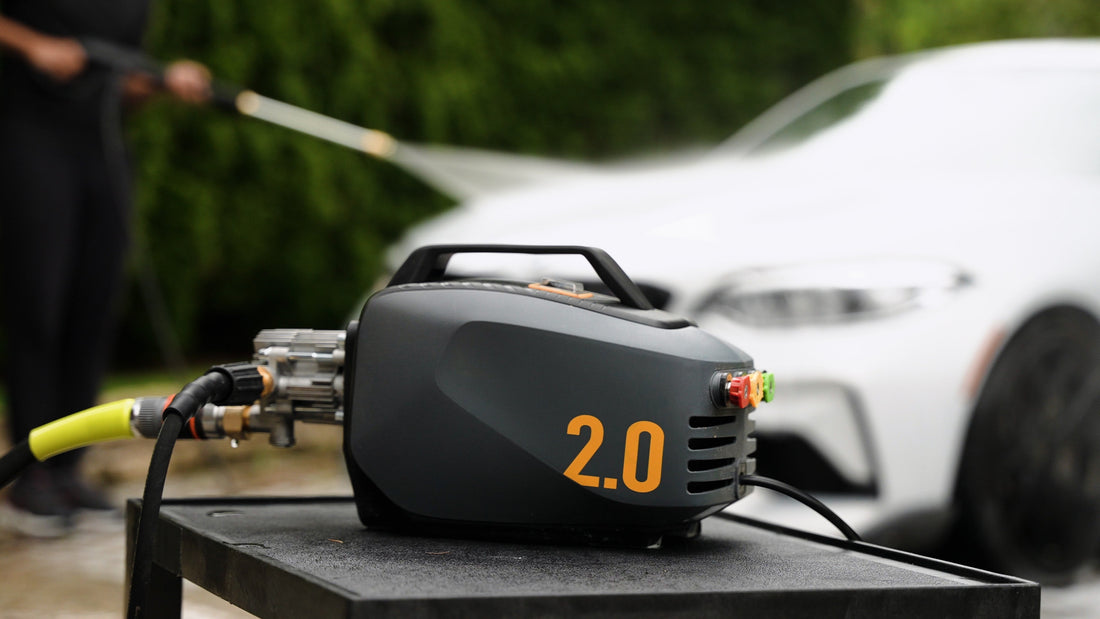
Electric pressure washers are light and easy to use. They work well for small cars and gentle cleaning jobs. These models produce less noise and no fumes. Gas pressure washers have more power. They suit bigger jobs and heavy dirt. Gas models are louder and need fuel to run. Both types have pros and cons for car washing.
Nozzle Types And Effects
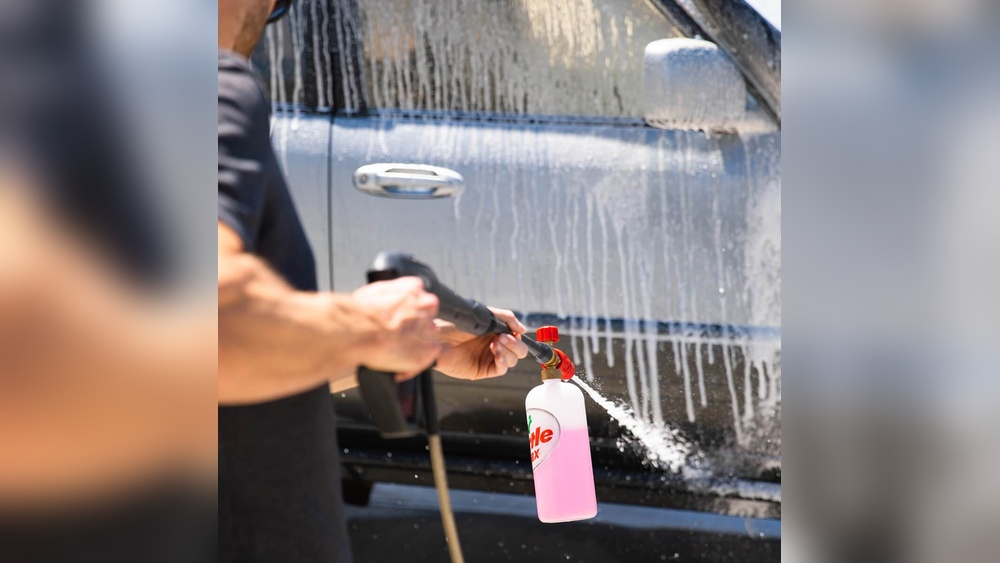
Nozzles control the spray shape and pressure. A wide-angle nozzle spreads water softly. It is safe for car paint. A narrow-angle nozzle focuses water strongly. Use it carefully to avoid damage. Some nozzles mix soap with water. They help remove tough dirt. Picking the right nozzle protects your car’s surface.
Adjustable Pressure Settings
Many pressure washers let you adjust pressure. Lower pressure is good for delicate areas. Higher pressure cleans stubborn grime faster. Adjustable settings give more control and safety. Always start with low pressure. Increase only if needed to avoid harm.
Preparing Your Car For Washing
Preparing your car for washing is an important first step. It helps avoid damage and makes cleaning easier. Taking a few minutes to prepare your car can save time and protect the paint.
Pre-rinse Steps
Start by rinsing your car with water. Use a gentle stream to remove loose dirt. This helps prevent scratches during washing. Rinse the whole car, including wheels and undercarriage.
Removing Loose Dirt
Use a soft brush or microfiber cloth to remove dirt. Focus on areas with heavy dust or mud. Avoid scrubbing hard to protect the paint. Removing dirt first stops scratches when washing.
Protecting Sensitive Areas
Cover parts like mirrors, windows, and electrical outlets. Use plastic or tape to protect these areas. This prevents water damage or electrical issues. Take care around seals and rubber trims too.

Credit: automaniacs.us
Techniques For Safe Washing
Washing a car needs care to avoid damage. Using the right pressure and techniques keeps the paint safe. Follow these tips to wash your car gently and well.
Ideal Distance From Surface
Keep the spray nozzle about 12 to 18 inches from the car. Too close can harm the paint or trim. Too far reduces cleaning power. This distance cleans dirt without causing scratches.
Proper Spray Angles
Spray at a slight angle, not straight on. This helps lift dirt off the surface. It also prevents water from pushing dirt into the paint. Angles reduce the chance of damage to the car.
Avoiding Damage Spots
Do not spray directly on fragile parts like mirrors or seals. Avoid areas with chipped paint or rust. Use a gentle touch on these spots. Careful washing prevents worsening damage and keeps your car looking good.
Common Mistakes To Avoid
Washing a car seems simple but mistakes can cause damage. Many people apply too much pressure or pick the wrong nozzle. Others ignore what the car maker says. These errors harm paint and parts. Avoiding these common mistakes keeps your car safe and clean.
Using Excessive Pressure
High pressure can chip paint and scratch surfaces. It might force water into seals and cause rust. Use gentle pressure to protect your car’s finish. Test spray on a small spot first. Keep the nozzle at a safe distance from the car.
Wrong Nozzle Selection
Nozzles control the spray pattern and force. A narrow spray can damage paint and trim. Wide-angle nozzles spread water softly. Choose nozzles that match your car’s needs. Avoid using turbo or pinpoint nozzles on delicate areas.
Ignoring Manufacturer Guidelines
Car makers provide cleaning tips for a reason. They know what pressure and products work best. Ignoring these rules risks voiding your warranty. Check the manual or official website before washing. Follow advice to keep your car in top shape.

Credit: contractorssupplyllc.com
Maintaining Your Pressure Washer
Maintaining your pressure washer is key for safe and effective car washing. A well-kept machine lasts longer and works better. Spend a little time on care to avoid costly repairs.
Regular Cleaning And Inspection
Clean the pressure washer after each use. Remove dirt, soap, and debris from all parts. Check hoses and nozzles for cracks or clogs. Look for leaks or worn-out seals. Fix small issues quickly to prevent bigger problems.
Storing Equipment Safely
Store the pressure washer in a dry place. Keep it away from freezing temperatures. Drain water from hoses and pump to avoid damage. Coil cords and hoses neatly to prevent kinks. Cover the machine to protect from dust and dirt.
Troubleshooting Common Issues
If the pressure drops, check for blocked nozzles. Inspect the water supply for clogs or low flow. Listen for strange sounds that may signal pump problems. Tighten loose connections to stop leaks. Replace worn parts to keep the washer running smoothly.
Frequently Asked Questions
What Is The Ideal Water Pressure For Washing A Car?
The ideal water pressure is between 1200 and 1900 PSI. This range effectively cleans dirt without damaging the paint. Higher pressure risks paint damage, while lower pressure may not clean well.
Can Too Much Pressure Damage My Car’s Paint?
Yes, excessive pressure can chip or strip paint. It may also cause scratches or dents. Always use moderate pressure to protect your car’s finish and maintain its appearance.
How To Adjust Pressure For Delicate Car Parts?
Use lower pressure settings around mirrors, emblems, and trim. These parts are fragile and can be easily damaged. Adjust the nozzle to a wider spray to reduce force.
Is A Pressure Washer Safe For All Car Surfaces?
Pressure washers are safe when used correctly. Avoid high pressure on soft surfaces like convertible tops. Always maintain a safe distance to prevent damage to sensitive areas.
Conclusion
Choosing the right pressure keeps your car clean and safe. Too much pressure can damage the paint. Too little pressure may not remove dirt well. Aim for a gentle, steady spray to protect your vehicle. Always test the pressure on a small spot first.
Clean your car carefully and enjoy a shiny finish. Simple steps make car washing easy and effective. Keep your car looking great with the right pressure every time.