

Want to make your car shine like new without spending hours scrubbing? Using a pressure washer can save you time and effort while giving your car a deep, thorough clean.
But if you’re not careful, it can also damage your paint or leave streaks. In this guide, you’ll learn exactly how to use a pressure washer safely and effectively to wash your car. Keep reading to discover simple tips that will protect your vehicle and get it sparkling every time.
Credit: www.mtmhydroparts.com
Choosing The Right Pressure Washer
Choosing the right pressure washer is key to safe and effective car washing. Not all pressure washers suit cars. Picking one with proper power and features protects your vehicle’s paint and finish. Understand different types and settings to find the best match for your car cleaning needs.
Electric Vs Gas Pressure Washers
Electric pressure washers are light and easy to use. They work well for small to medium jobs. These washers produce less noise and no fumes. Gas pressure washers offer more power and mobility. They suit larger vehicles or heavy dirt. However, gas models need more maintenance.
Ideal Pressure Settings For Cars
Keep pressure between 1200 and 1900 PSI for cars. Too high pressure can damage paint and trim. Use a low-pressure setting for delicate areas. Start with the lowest setting and increase if needed. Always test on a small area first.
Essential Accessories And Nozzles
Choose nozzles with wide spray angles like 25 or 40 degrees. These cover more area and reduce pressure impact. Use a foam cannon to apply soap evenly. A surface cleaner attachment helps clean flat areas fast. Accessories improve cleaning and protect your car.
Preparing Your Car For Washing
Preparing your car before washing with a pressure washer helps protect its surface. It also makes the cleaning process easier and safer. Taking time to prepare ensures better results and prevents damage.
Remove Loose Dirt And Debris
Start by brushing off dust and loose dirt from your car. Use a soft broom or cloth to avoid scratches. This step stops dirt from scratching the paint during washing.
Check the wheels and under the car for leaves or mud. Remove these to prevent clogging the pressure washer or causing mess.
Protect Sensitive Areas
Cover parts like mirrors, windows, and door seals with plastic or tape. These areas can be damaged by strong water pressure. Protecting them keeps your car safe from leaks and water damage.
Also, avoid spraying water directly on the engine or electrical parts. These spots need extra care to prevent problems later.
Gathering Supplies
Prepare all cleaning tools before starting. You will need a pressure washer, car soap, microfiber cloths, and a bucket. Having everything ready saves time and makes washing smooth.
Choose a gentle car soap made for pressure washers. Harsh chemicals can harm your car’s paint or finish.
Setting Up The Pressure Washer
Setting up the pressure washer properly is important for washing your car safely. It helps you avoid damage and makes cleaning easier. Follow these steps to get your machine ready.
Start by connecting the parts and checking the settings. Then test the spray to make sure it is just right for your car’s surface.
Connecting Hose And Nozzle
Attach the water hose to the pressure washer’s water inlet. Make sure it fits tightly to stop leaks. Next, connect the high-pressure hose to the washer and the spray gun. Choose the right nozzle for car washing, usually one with a wide spray angle. Secure it firmly to avoid it coming off during use.
Adjusting Pressure Levels
Set the pressure washer to a low or medium pressure. High pressure can harm your car’s paint. Use the pressure adjustment knob or dial on your machine. Start with the lowest setting and increase it only if needed. This protects your car and cleans gently.
Testing Spray Pattern
Turn on the pressure washer and hold the spray gun away from the car. Test the spray on a hard surface like concrete. Check the water flow and spray shape. The spray should be even and wide, not focused or harsh. Adjust the nozzle or pressure if the spray looks too strong or narrow.
Step-by-step Washing Process
Using a pressure washer to clean your car makes the job faster and easier. Follow these simple steps for a thorough wash that protects your paint and removes dirt well. Each step helps prepare your car and clean it safely without damage.
Pre-rinse The Car
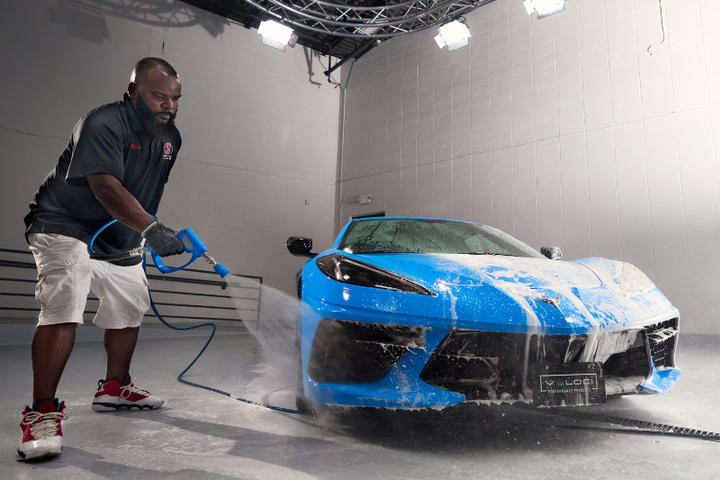
Start by rinsing your car with water from the pressure washer. Use a wide spray nozzle and keep the nozzle at least two feet away. This removes loose dirt and dust before applying soap. Avoid pointing the spray at sensitive areas like mirrors or electrical parts.
Apply Detergent Safely
Use a soap designed for cars in the pressure washer’s detergent tank. Spray the detergent evenly over the car’s surface. Let it sit for a few minutes, but do not let it dry. Use a low-pressure setting to avoid damage to the paint.
Rinsing Off Soap
Switch back to a high-pressure spray without detergent. Rinse the entire car to remove all soap. Move the nozzle steadily and keep a safe distance. Make sure no soap remains, especially in corners and seams.
Cleaning Wheels And Tires
Use a separate spray nozzle for wheels and tires. These areas need stronger cleaning because of brake dust and grime. Spray detergent first, then scrub with a brush if needed. Rinse thoroughly with the pressure washer to finish.
Post-wash Care
After washing your car with a pressure washer, proper care is important. Post-wash care helps protect your car’s paint and keeps it looking fresh. It also prevents water spots and streaks.
Drying Techniques
Use a clean microfiber towel to dry your car. Start from the top and work down to avoid drips. Pat the surface instead of rubbing to prevent scratches. Air drying can leave water spots, so avoid it.
Waxing For Extra Shine
Apply a thin layer of wax after drying. Wax protects the paint and adds shine. Use a soft cloth or applicator pad to spread wax evenly. Let it dry, then buff gently for a smooth finish.
Inspecting For Missed Spots
Check your car closely for dirt or water spots you missed. Use a flashlight if needed. Clean any missed areas with a damp cloth. This step ensures your car looks clean and polished everywhere.
Safety Tips And Common Mistakes
Using a pressure washer to clean your car saves time and effort. Safety is key to protect your car and yourself. Many people make mistakes that can harm the paint or cause injury. Follow safety tips to avoid these problems.
Avoiding Paint Damage
High pressure can harm car paint quickly. Use a low-pressure setting for washing cars. Keep the nozzle moving to stop water from focusing on one spot. Never spray the paint directly up close. Test on a small area first to see how the paint reacts.
Maintaining Safe Distance
Hold the pressure washer nozzle at least 12 inches from the car. Too close can dent or scratch the surface. Adjust the distance if you notice water splashing too hard. Keep the wand steady to control the spray direction. This prevents accidental damage to mirrors or trim.
Handling Equipment Properly
Wear protective gear like gloves and safety glasses. Check hoses and connections before use for leaks or cracks. Use both hands to hold the pressure washer for stability. Turn off the machine when adjusting the nozzle or moving to a new area. Store the equipment safely after use to avoid accidents.
Troubleshooting And Maintenance
Using a pressure washer to clean your car saves time and effort. Proper care and troubleshooting keep it working well. Small problems can stop your washer from working right. Fixing these quickly helps avoid bigger issues. Regular maintenance ensures the machine lasts longer.
Dealing With Clogged Nozzles
Clogged nozzles reduce water pressure. Dirt or debris blocks the spray. Remove the nozzle from the washer. Use a thin wire or needle to clear the hole. Rinse the nozzle with clean water. Check if water flows freely before using again.
Regular Pressure Washer Care
Check hoses and connections for leaks often. Clean the filter to stop dirt from entering. Store the washer in a dry place after use. Drain water from the machine to avoid damage. Inspect the power cord and plug for wear. Regular care keeps your washer ready for use.
When To Seek Professional Help
Persistent leaks or no water flow need expert checks. Strange noises or engine trouble require repair. Electrical issues should be handled by a professional. Don’t try to fix complex problems alone. Professionals keep your washer safe and working well.
Credit: www.torquedetail.com
Credit: www.turtlewax.com
Frequently Asked Questions
How Powerful Should A Pressure Washer Be For Cars?
A pressure washer with 1200 to 1900 PSI is ideal for cars. It cleans effectively without damaging paint or decals. Higher PSI can harm the vehicle’s surface, so choose moderate pressure for safe washing.
Can I Use Hot Water Pressure Washers On My Car?
Yes, hot water pressure washers can remove tough grease and grime. However, ensure the temperature is safe for car paint, usually under 140°F. Always test a small area first to avoid damage.
What Is The Best Nozzle For Car Washing?
A 25-degree nozzle is best for washing cars. It provides a wide spray for gentle cleaning. Avoid narrow nozzles as they may damage paint with concentrated pressure.
How Far Should I Keep The Pressure Washer Nozzle?
Keep the nozzle at least 12 inches away from the car surface. This distance prevents paint damage and ensures effective cleaning. Adjust distance based on dirt level and pressure.
Conclusion
Using a pressure washer can make car washing quick and easy. Keep the nozzle at a safe distance to avoid damage. Always choose the right pressure setting for your car’s surface. Rinse the car thoroughly to remove soap and dirt.
Dry the car with a soft cloth to prevent water spots. Regular washing helps keep your car looking clean and new. A pressure washer saves time and effort. Try these tips to enjoy a sparkling clean car every time. Simple steps, great results.


