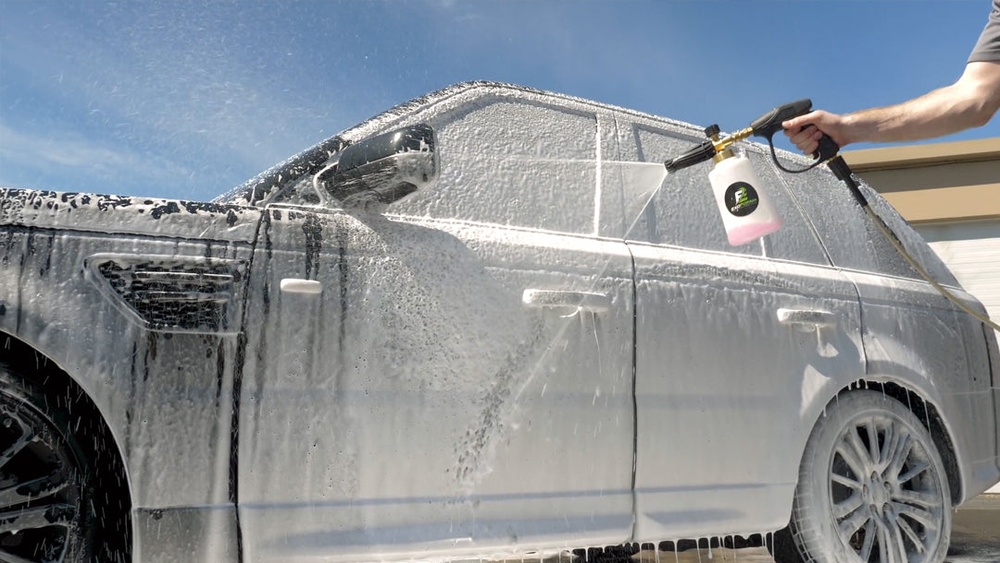
How much pressure should you use to wash your car? It’s a question many car owners overlook, but the answer can make all the difference.
Too much pressure can damage your paint and seals, while too little might leave dirt and grime behind. You want your car looking its best without risking costly repairs. You’ll discover exactly how to find the perfect pressure for washing your car safely and effectively.
Keep reading to protect your ride and get that showroom shine every time.
Ideal Pressure Range
The ideal pressure range for washing a car usually falls between 1200 and 1900 PSI (pounds per square inch). This range is strong enough to remove dirt and grime but gentle enough to protect your car’s paint and finish. Using the right pressure helps keep your vehicle clean without causing damage.
Choosing the correct pressure depends on your car’s surface and the type of dirt you want to remove. Too low pressure might not clean well, while too high pressure can harm the paint or trim. Understanding the benefits and risks of pressure levels helps you wash your car safely.
Low Pressure Benefits
Low pressure, below 1200 PSI, is safe for delicate surfaces like paint and decals. It reduces the chance of scratches or paint chips. Low pressure uses less water, making it eco-friendly and cost-effective. It works well for light dirt and regular cleaning. Using low pressure also protects rubber and plastic parts from damage.
High Pressure Risks
High pressure above 1900 PSI can damage your car’s paint. It may strip wax or clear coat, leaving the surface vulnerable. High pressure can force water into seals and cracks, causing rust or electrical issues. It increases the risk of dents or chips on older cars. Using too much pressure can make cleaning harder by damaging sensitive parts.
Credit: www.torquedetail.com
Types Of Pressure Washers
Pressure washers come in different types. Each type has unique features. Choosing the right one helps protect your car’s paint. It also cleans effectively without damage. Understanding these types makes washing easier and safer.
Two main categories of pressure washers exist. Electric models and gas models. Each has strengths and weaknesses. Knowing these helps pick the best for your needs.
Electric Vs Gas Models
Electric pressure washers are light and easy to use. They work well for small jobs like car washing. They are quiet and produce no fumes. Perfect for home use and close spaces.
Gas pressure washers are strong and powerful. They handle bigger jobs and tough dirt. These models are heavier and noisier. They need more maintenance but clean faster.
For washing cars, electric models usually offer enough pressure. Gas models can be too strong and risk paint damage. Choose based on your cleaning needs and comfort.
Pressure Levels Explained
Pressure is measured in PSI, pounds per square inch. Low PSI cleans delicate surfaces safely. High PSI removes tough grime but may harm paint.
Cars need pressure between 1200 and 1900 PSI. This level cleans dirt without scratching. Use higher pressure only on stubborn spots carefully.
Too much pressure can strip wax or damage paint. Too little pressure leaves dirt behind. Finding the right balance keeps your car shiny and safe.
Factors Affecting Pressure Choice
Choosing the right pressure for washing your car is not a simple task. Several factors decide how much pressure you should use. These factors help protect your car’s surface while cleaning it well. Understanding them ensures a safe and effective wash.
Car Paint Type
Different car paints have different strengths. Soft or old paint needs lower pressure to avoid damage. Hard or new paint can handle higher pressure safely. Always know your car’s paint type before washing.
Surface Condition
Check your car’s surface for scratches or cracks. Damaged areas require gentle washing to prevent worsening. Smooth and intact surfaces can take higher pressure. Assess the surface carefully before applying pressure.
Dirt And Grime Levels
Light dirt needs less pressure to clean effectively. Heavy mud or stuck grime might need more power. Use moderate pressure first and increase if needed. Avoid blasting dirt as it may harm the paint.

Credit: www.youtube.com
Recommended Pressure Settings
Choosing the right pressure for washing a car is important. Too much pressure can damage the paint. Too little pressure might not clean well. Different vehicles need different pressure settings. Knowing the correct pressure helps protect your car’s surface. It also makes washing easier and more effective.
Sedans And Small Cars
For sedans and small cars, use medium pressure. Around 1200 to 1900 PSI works well. This range cleans dirt without harming the paint. Keep the nozzle 6 to 12 inches from the surface. Avoid spraying too close to avoid paint damage.
Suvs And Trucks
SUVs and trucks have bigger surfaces and tougher paint. Use a higher pressure setting between 1900 to 2500 PSI. This pressure removes mud and grime better. Keep the spray steady and move it evenly across the surface.
Delicate Surfaces
Delicate parts need gentle care. Use lower pressure, about 1200 PSI or less. This includes convertible tops, decals, and older paint. Use a wider spray angle to reduce force on the surface. Always test a small area first to avoid damage.
Techniques For Safe Washing
Washing your car with the right pressure protects its paint and finish. Using safe techniques helps avoid damage and keeps your car looking new. Follow these simple steps to wash your car carefully and effectively.
Maintaining Distance
Keep the pressure washer nozzle at least 12 inches away from the car surface. Too close can cause paint chips or scratches. Holding the nozzle farther allows gentle cleaning without harming the car.
Proper Nozzle Selection
Choose a nozzle with a wide spray angle, like 25 or 40 degrees. Narrow nozzles have strong, focused sprays that can damage paint. Wide nozzles spread water evenly and reduce pressure on the car.
Optimal Spray Angle
Spray the car at a 45-degree angle to remove dirt safely. Direct sprays straight on can push dirt into the paint or cause damage. Angled sprays clean well and protect the car’s surface.
Common Mistakes To Avoid
Knowing how much pressure to use while washing your car is important. Many people make mistakes that harm their paint or leave dirt behind. Avoiding these common errors keeps your car looking great and protects its surface.
Using Excessive Pressure
Using too much pressure can damage your car’s paint. High pressure may cause scratches or chip the paint. It can also force water into places it should not go. Use moderate pressure to clean dirt without harm.
Ignoring Manufacturer Guidelines
Car manufacturers give advice on washing methods. Ignoring these guidelines can lead to damage or void warranties. Always check the manual or website for pressure limits. Follow their rules to keep your car safe.
Skipping Pre-rinse Steps
Not rinsing your car before washing is a common mistake. Dirt and debris can scratch the paint during washing. A gentle pre-rinse removes loose dirt and makes washing easier. Always rinse first for a cleaner, safer wash.
Additional Tips For A Perfect Shine
Achieving a perfect shine goes beyond just pressure washing your car. Small steps after washing enhance the look and protect the paint. These tips help keep your car bright and clean for longer.
Using Soap And Detergents
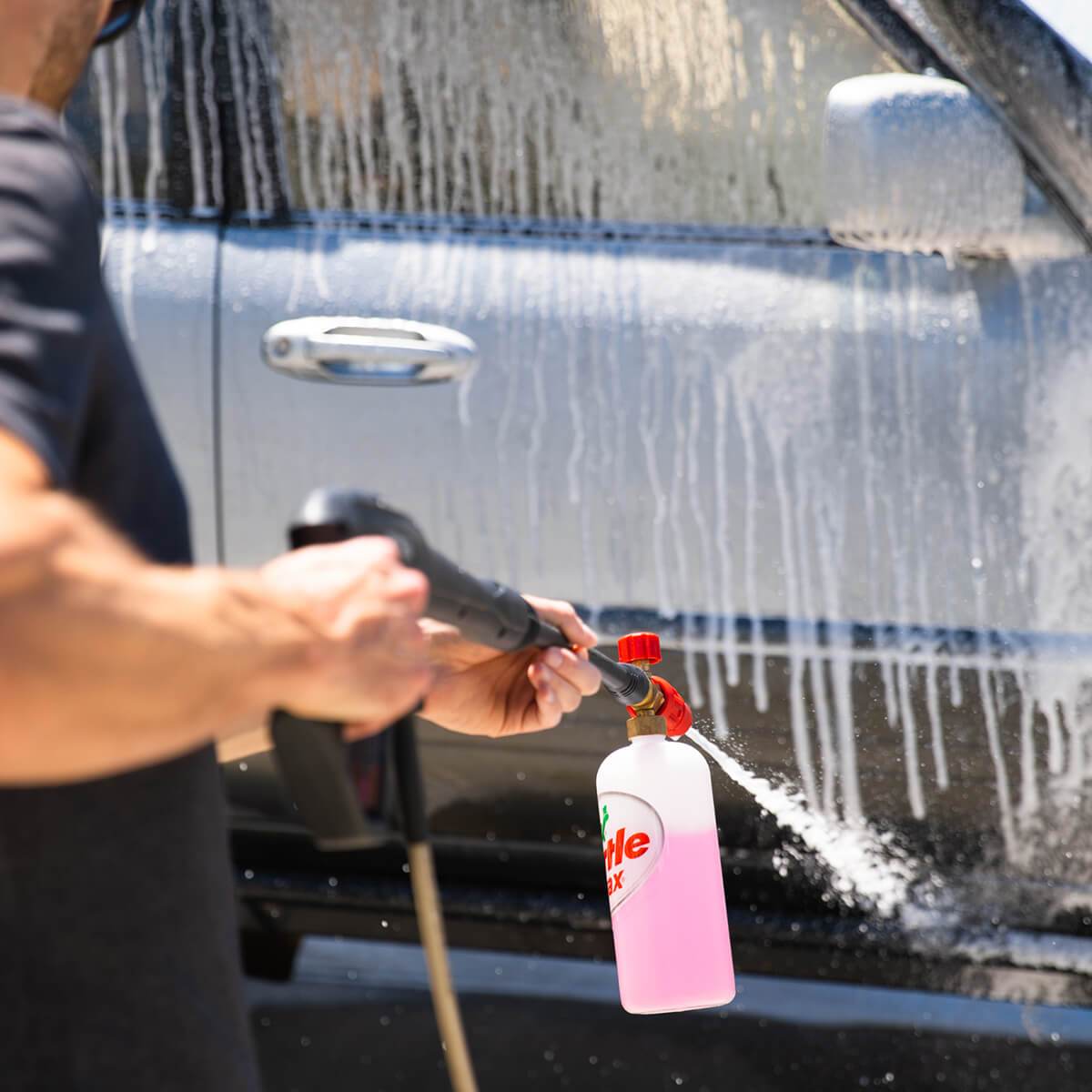
Choose a soap made for cars, not household cleaners. Car soaps are gentle and safe for the paint. Mix the soap with water before applying. Use a soft sponge or mitt to wash the car. This removes dirt without scratching the surface.
Drying Methods
Drying your car quickly stops water spots. Use a microfiber towel or a soft chamois cloth. Pat the surface instead of rubbing it hard. Avoid letting the car air dry. This can leave marks and streaks on the paint.
Waxing After Wash
Wax protects the paint and adds shine. Apply wax after the car is fully dry. Use a small amount and spread it evenly. Let the wax dry to a haze, then buff it off. This leaves a smooth, glossy finish that lasts.
Credit: www.turtlewax.com
Frequently Asked Questions
What Pressure Is Safe For Washing A Car?
A pressure range of 1200 to 1900 PSI is safe for car washing. This range effectively cleans without damaging paint or trim. Always use a wide spray nozzle and keep the nozzle at least 12 inches from the car surface to avoid harm.
Can High Pressure Damage My Car’s Paint?
Yes, high pressure above 2000 PSI can damage paint. It may cause chipping, scratches, or remove protective coatings. Use moderate pressure and maintain a safe distance to protect your car’s finish while ensuring thorough cleaning.
Should I Adjust Pressure For Different Car Parts?
Yes, delicate parts like mirrors and trim require lower pressure. Use 1200-1500 PSI for sensitive areas and higher pressure on wheels and tires. Adjusting pressure ensures effective cleaning and prevents damage to various car surfaces.
Is Pressure Washing Better Than Hand Washing?
Pressure washing is faster and removes tough dirt efficiently. However, hand washing is gentler on paint and allows detailed cleaning. Combining both methods can provide optimal results without risking damage.
Conclusion
Washing your car with the right pressure keeps it safe and clean. Too much pressure can damage the paint or parts. Too little pressure might not remove dirt well. A balanced pressure helps protect your car’s look and finish. Remember, gentle and steady cleaning works best.
Keep your car shining without causing harm. This way, your car stays nice for a long time. Choose pressure wisely for a clean, safe wash every time.