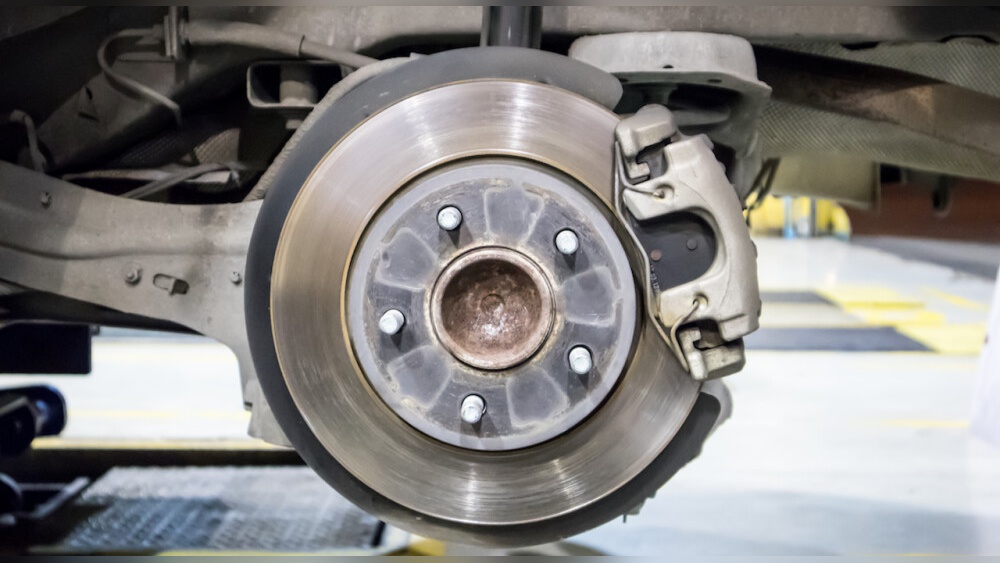
Are you wondering how much it will cost to replace your brake pads and rotors? Knowing the price upfront can save you from surprises at the repair shop and help you plan your budget.
Whether you drive a sedan, SUV, or truck, understanding the factors that affect brake and rotor costs is key. You’ll discover what influences the price, how to spot when replacement is needed, and tips to get the best value for your money.
Keep reading to make sure your brakes stay safe without breaking the bank.
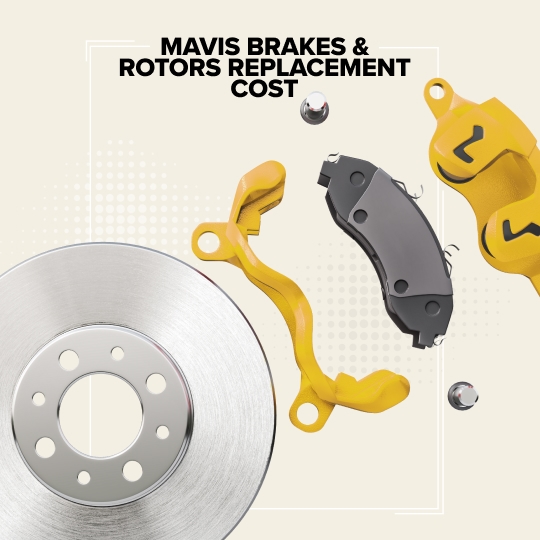
Credit: www.mavis.com
Brake And Rotor Basics
Understanding the basics of brakes and rotors helps you know their role in your car. These parts work together to stop your vehicle safely. Knowing their types and materials can guide you in choosing or replacing them.
Let’s explore the different types of brakes, rotor materials, and how these parts function together.
Types Of Brakes
There are two main types of brakes: disc brakes and drum brakes. Disc brakes use a rotor and caliper to stop the car. Drum brakes use brake shoes inside a drum. Disc brakes are common in modern cars. They offer better stopping power and cooling. Drum brakes are simpler and cheaper but less effective.
Rotor Materials
Rotors come in various materials, each with pros and cons. Cast iron is the most common rotor material. It is durable and affordable. Steel rotors are strong but heavier. Carbon-ceramic rotors are very light and resist heat well. They cost more and are mostly for high-performance cars.
How Brakes And Rotors Work Together
When you press the brake pedal, the brake pads squeeze the rotors. This creates friction that slows the wheel’s rotation. The rotor’s surface must be smooth for effective braking. Worn or damaged rotors reduce braking ability. Proper maintenance keeps brakes and rotors working well and safe.
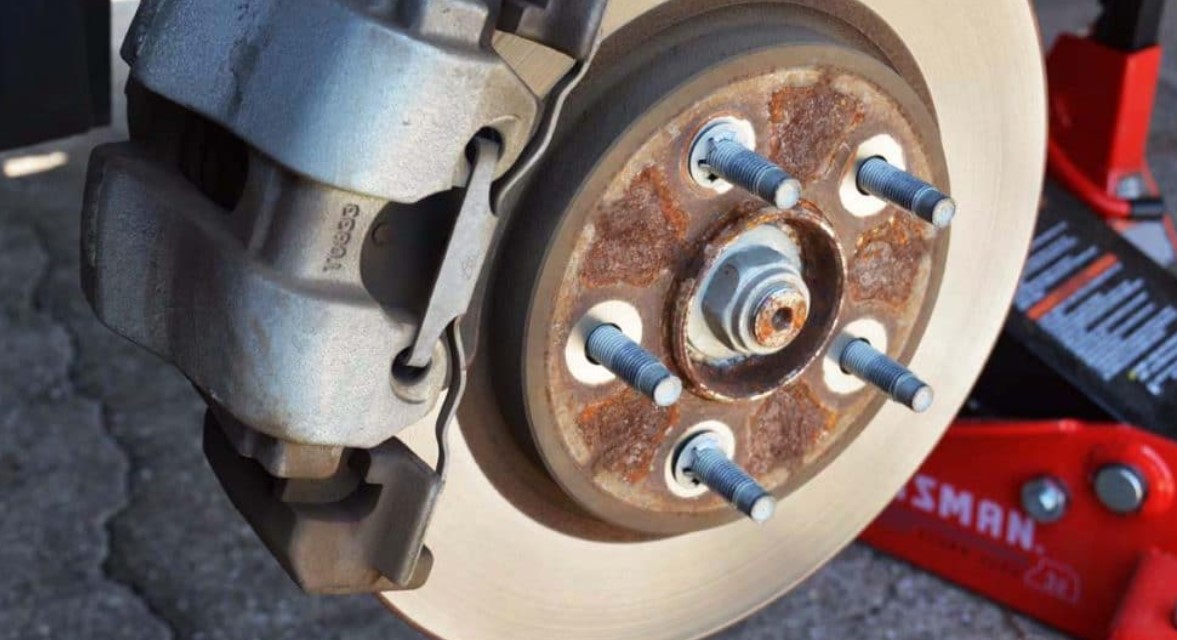
Credit: omegaautocare.com
Factors Affecting Brake And Rotor Costs
Brake and rotor costs vary widely. Several key factors influence the final price. Knowing these helps plan your budget better. Some factors raise costs, while others keep them low. Understanding each one makes it easier to choose wisely.
Vehicle Make And Model
Different vehicles use different brake systems. Luxury and sports cars usually need pricier parts. Common models often have cheaper, easy-to-find parts. Some cars require special rotors that cost more. The age of the vehicle also matters a lot.
Quality Of Parts
Brake parts come in low, medium, and high quality. High-quality parts last longer and perform better. Cheap parts can wear out quickly and need replacement. Some parts have brand names that add to the price. Always balance cost with safety and durability.
Labor Charges
Mechanic fees vary depending on skill and experience. Some repair shops charge hourly, others a flat rate. Complex brake jobs take more time and cost more. DIY can save money but requires tools and skill. Always ask for an estimate before work starts.
Location And Service Provider
Prices differ by city and region. Urban areas often have higher labor costs. Small towns may offer lower prices but fewer options. Authorized dealers charge more than independent shops. Choose a trusted provider for quality service and fair prices.
Average Cost Breakdown
Understanding the average costs for brake and rotor replacement helps with budgeting car repairs. Costs vary by car model, parts quality, and labor charges. Knowing these prices prepares you for service visits and avoids surprises.
Brake Pad Replacement Prices
Brake pads usually cost between $50 and $150 per axle. Labor fees add about $80 to $120. The total price often ranges from $130 to $270. High-performance or luxury cars may cost more. Replacing brake pads is a common and necessary task.
Rotor Replacement Costs
Rotors can cost $30 to $75 each for standard vehicles. Labor may add $150 to $200. Total rotor replacement often costs $210 to $350 per axle. Some cars need special rotors that increase the price. Rotors wear down slower than brake pads but must be replaced eventually.
Combined Brake And Rotor Replacement
Replacing both brake pads and rotors at once costs more. Expect prices from $300 to $500 per axle. Labor charges stay similar but parts add up. This combined service ensures better braking performance. Many drivers choose this option for complete brake system care.
Signs You Need New Brakes And Rotors
Knowing the signs that show you need new brakes and rotors helps keep your car safe. Brakes and rotors wear out over time. You must replace them to avoid bigger problems. Detecting issues early can save money and stress.
Common Symptoms
Squeaking or grinding noises while braking often mean worn brake pads. A vibration or shaking in the steering wheel can signal warped rotors. If your car takes longer to stop, it means brakes are weak. A soft or spongy brake pedal shows air or fluid issues. You might see deep grooves or cracks on the rotor surface. These signs mean it is time for new brakes and rotors.
Safety Risks Of Worn Components
Worn brakes and rotors reduce stopping power. This increases the chance of accidents. Poor braking can cause collisions in heavy traffic. You may lose control on wet or slippery roads. Brake failure puts you, passengers, and others in danger. Replacing worn parts helps avoid these serious safety risks.
Diy Vs Professional Replacement
Deciding between fixing your brakes and rotors yourself or hiring a professional can be tough. Both options have their own benefits and risks. Understanding these can help you make the right choice for your car and budget.
Pros And Cons Of Diy
Doing the brake and rotor replacement on your own can save money. Parts cost less without labor fees. You can learn a useful skill. You work at your own pace without waiting for appointments.
On the downside, this job needs special tools and knowledge. Mistakes can cause safety issues. Brake systems are complex. It takes time and patience to do it right. Without experience, you might buy wrong parts or damage components.
When To Hire A Mechanic
Choose a mechanic if you lack tools or confidence. Professionals have training and the right equipment. They ensure the brakes work safely after repair. A mechanic can spot hidden problems you might miss.
Also, if your car is newer or has advanced brake systems, expert help is best. Repairs done well can last longer. It reduces chances of costly damage later. Peace of mind is worth the cost for many drivers.
Tips To Save On Brake And Rotor Repairs
Brake and rotor repairs can be costly. Saving money here helps keep your car safe and your wallet happy. Use smart steps to reduce costs without losing quality. Focus on parts, care, and service offers. These tips help you spend less and drive safe.
Choosing Quality Yet Affordable Parts
Choose parts that last long but do not cost too much. Avoid very cheap parts that wear out fast. Look for trusted brands with good reviews. Sometimes mid-range parts offer the best value. Buy parts that fit your car model exactly. This avoids extra repairs later.
Maintenance Practices
Keep brakes and rotors in good shape with regular checks. Clean parts to stop dirt and rust buildup. Avoid hard braking, which wears parts quickly. Drive smoothly to extend brake life. Fix small problems early to avoid big repairs. Regular care saves money and keeps driving safe.
Finding Reliable Service Deals
Search for trustworthy mechanics with fair prices. Ask for quotes from several shops before deciding. Look for special offers or discounts on brake services. Check if local shops offer free inspections. Use coupons or seasonal deals to lower costs. Good service at a fair price is worth the effort.
Future Trends In Brake And Rotor Technology
The future of brake and rotor technology shows exciting changes. Car makers and part developers focus on making brakes safer and more durable. New ideas and materials will improve how brakes work in many vehicles. This progress will affect cost, performance, and maintenance.
Brake systems must handle more stress from faster and heavier cars. At the same time, they need to be lighter to save fuel. Advances in technology will help balance these needs. Let’s explore key trends shaping brake and rotor development.
Advances In Materials
Brake and rotor materials are evolving rapidly. New composites and alloys offer stronger and lighter parts. Carbon-ceramic rotors are gaining popularity for their heat resistance and low weight. These materials last longer and reduce brake fade during heavy use. Manufacturers also test new coatings to fight rust and wear. These changes improve safety and cut replacement costs over time.
Impact Of Electric Vehicles
Electric vehicles (EVs) change brake technology needs. EVs use regenerative braking, which reduces wear on traditional brakes. This means brake pads and rotors last longer than before. Yet, brakes still must perform well in emergencies. Brake systems in EVs often include electronic controls for better efficiency. The rise of EVs pushes innovation in brake design and materials to meet unique demands.

Credit: shop.advanceautoparts.com
Frequently Asked Questions
How Much Do Brake Pads And Rotors Cost?
Brake pads and rotors typically cost between $150 and $400. Prices vary by vehicle type, part quality, and labor fees. Economy pads and rotors are cheaper, while premium brands cost more. Always factor in installation charges for an accurate estimate.
What Factors Affect Brake And Rotor Replacement Prices?
Price depends on vehicle make, brake part quality, and labor costs. Luxury or heavy-duty vehicles often have higher prices. OEM parts cost more than aftermarket ones. Labor rates differ by location and mechanic expertise, influencing the total replacement cost.
Can I Replace Brake Pads Without Changing Rotors?
Yes, if rotors are in good condition, only pads may need replacement. However, worn or warped rotors should be replaced to ensure safety. Inspect rotors carefully before deciding on replacement to avoid brake performance issues.
How Long Do Brake Pads And Rotors Last?
Brake pads usually last 30,000 to 70,000 miles, while rotors last 50,000 to 70,000 miles. Driving habits and road conditions affect lifespan. Regular maintenance and inspections help extend their durability and ensure optimal braking performance.
Conclusion
Brake and rotor costs vary by car and part quality. Cheaper parts may wear out faster. Quality parts last longer and work better. Labor charges also affect the total price. Regular checks keep brakes safe and reliable. Choose parts and service wisely to avoid extra costs.
Stay informed to keep your car running smoothly. Safety matters more than saving a little money.