

Are you wondering how much PSI your foam cannon really needs to work its best? Getting the pressure right is key to achieving that thick, rich foam that makes washing your car easier and more effective.
Too little pressure, and you’ll end up with weak suds; too much, and you might damage your equipment or waste water. You’ll discover the ideal PSI range for your foam cannon, how it affects your cleaning results, and simple tips to optimize your setup.
Keep reading to unlock the secret to a perfect foam wash every time!
Foam Cannon Basics
A foam cannon is a tool that helps clean cars and other surfaces. It mixes soap, water, and air to create thick foam. This foam covers the surface, loosening dirt and grime. Using a foam cannon saves time and reduces scratches. Understanding how it works helps you get the best results.
Pressure plays a key role in foam production. The right pressure setting affects how thick and dense the foam is. Too low pressure makes thin foam. Too high pressure can waste soap and water. Knowing the right pressure helps you clean better.
What Is Psi In Foam Cannons
Psi stands for pounds per square inch. It measures the force of water pressure. Foam cannons use water pressure to create foam. Higher psi means stronger water force. This force pushes soap and water through the cannon. The result is better foam coverage.
Most foam cannons work best between 1000 and 2000 psi. This range creates thick foam without using too much water. Some pressure washers provide higher psi. But very high psi can damage surfaces or waste soap. Choose a foam cannon and washer with matching psi.
Role Of Pressure In Foam Generation
Pressure controls how much air mixes with soap and water. More pressure pushes more air into the mix. This makes foam thicker and fluffier. Less pressure produces thin, watery foam.
Pressure also affects spray distance. Higher pressure sprays foam farther. This helps cover large areas quickly. Lower pressure works better for small or delicate surfaces.
Balancing pressure keeps foam thick and cleaning gentle. Adjust your washer pressure to get the best foam. Test different settings to find what works for your needs.
Optimal Psi Range
The best foam cannon pressure is usually between 1000 and 2000 PSI. This range helps create thick foam without damaging surfaces. Too much pressure can waste soap and cause splashing.
Recommended Psi For Different Foam Types
Foam cannons perform best within a specific psi range. Most foam types work well between 80 and 120 psi. Thicker foam needs slightly higher pressure, closer to 120 psi. Lighter foam can use lower pressure, around 80 to 100 psi. This range helps create dense foam that sticks to surfaces. It also ensures even coverage without wasting soap.
Adjusting psi depends on your foam cannon and the soap used. Some soaps foam better at lower pressure. Others need more psi for thick foam. Testing your setup helps find the best pressure. Use a pressure gauge to measure psi accurately. This keeps your foam cannon working efficiently.
Impact Of Too Low Or Too High Psi
Too low psi causes weak foam and poor cleaning. The foam may not stick well to surfaces. It can wash away quickly, reducing cleaning time. Soap use also becomes less efficient.
Too high psi forces foam out too fast. This breaks the foam bubbles, making it thin and watery. High pressure can damage delicate surfaces or paint. It also wastes soap and water. Maintaining the right psi keeps foam thick and effective.
Keep psi steady for best results. Small adjustments can improve foam quality. Avoid extremes to protect your vehicle and save soap.
Factors Affecting Psi Requirements
Understanding the factors that affect the psi requirements of a foam cannon helps get the best cleaning results. Different elements change how much pressure the foam cannon needs. These factors control the foam’s thickness and coverage. Knowing them helps choose the right psi for your setup.
Water Source Pressure
The pressure from your water source directly impacts the foam cannon’s psi needs. A higher water pressure means less extra psi is needed from the foam cannon. Low water pressure requires the foam cannon to work harder to reach the right psi. Check your water supply pressure before adjusting the foam cannon.
Nozzle Size And Design
Nozzle size affects the psi needed to spray foam evenly. Larger nozzles require more pressure to push the foam out properly. The nozzle’s design also changes how the foam spreads and mixes with water. A well-designed nozzle uses psi efficiently for better foam coverage and thickness.
Soap Concentration
The concentration of soap in the foam mixture changes the pressure needed. Thicker soap solutions need higher psi to spray smoothly. Thin soap mixtures require less pressure but produce lighter foam. Adjust the psi based on how strong and thick your soap solution is.
Measuring And Adjusting Psi
Measuring and adjusting the PSI of your foam cannon is key to getting the best foam quality. The right pressure helps create thick foam that sticks well. Too much or too little pressure can reduce foam performance.
Checking your foam cannon’s PSI ensures it works efficiently. Adjusting pressure allows you to control foam thickness and spray distance. Proper PSI settings protect your equipment and improve cleaning results.
Tools For Psi Measurement
You need a pressure gauge to measure PSI accurately. Many foam cannons do not show pressure, so a gauge helps. Attach the gauge to the water source or foam cannon inlet. Digital or analog gauges both work well for this task.
Another tool is a pressure regulator with a built-in gauge. This lets you see and control PSI in one device. Some pressure washers include built-in gauges, simplifying measurement. Using these tools ensures your foam cannon runs at the right pressure.
Tips For Fine-tuning Pressure
Start by setting PSI at the foam cannon’s recommended level. Adjust slowly in small steps to avoid sudden pressure changes. Watch the foam quality as you change pressure. Thicker foam means you are close to the ideal PSI.
Lower PSI if foam sprays too far or looks thin. Raise PSI if foam is watery or weak. Avoid very high PSI to prevent damage to your foam cannon. Test different settings outside and note the best pressure for your needs.
Common Mistakes With Foam Cannon Pressure
Many people make mistakes with foam cannon pressure. These errors can affect cleaning results and damage equipment. Understanding common pressure problems helps you avoid these issues.
Over-pressurizing Risks
Using too much pressure can harm your foam cannon. It may break seals or cause leaks. The foam can spray too hard, missing dirt spots. High pressure may also waste soap and water. It can damage your car’s paint if used carelessly.
Under-pressurizing Effects
Low pressure means weak foam output. The foam might not stick well to surfaces. Dirt and grime may not lift properly. Washing takes longer and needs more effort. It can also lead to poor cleaning results and frustration.

Credit: www.amazon.com
Choosing The Right Foam Cannon
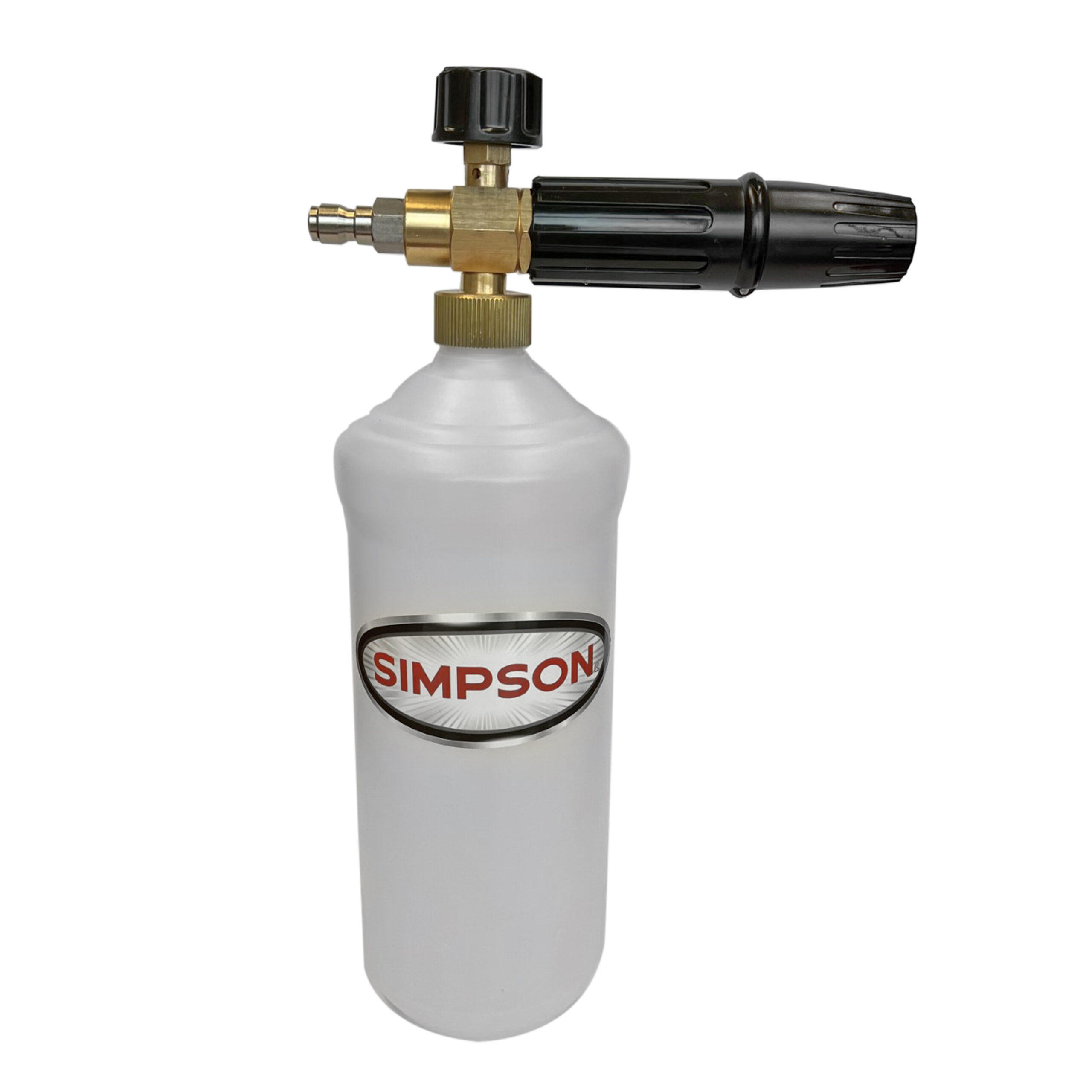
Choosing the right foam cannon is key for a good car wash. The foam cannon needs to work well with your pressure washer. It also must last long and handle regular use. Picking the right one saves time and gives better cleaning results.
Pressure Compatibility
Check the foam cannon’s pressure rating before buying. It should match your pressure washer’s PSI. Too high pressure can damage the foam cannon. Too low pressure means weak foam. A good foam cannon usually works well between 1000 and 3000 PSI. This range fits most home pressure washers.
Durability And Build Quality
Choose a foam cannon made from strong materials. Metal parts last longer than plastic. Look for brass or stainless steel fittings. The body should feel solid and tight. A durable foam cannon handles high pressure without leaks. Strong build quality means you get more washes without problems.
Maintenance For Consistent Pressure
Maintaining a foam cannon is key for steady pressure. Proper care keeps the psi consistent. This helps the foam spray evenly every time. Neglect can cause low pressure and poor foam quality. Routine checks and cleaning extend the life of your equipment.
Cleaning And Storage
Clean the foam cannon after each use. Rinse with clean water to remove soap and dirt. Avoid leaving soap inside the cannon, as it clogs the nozzle. Dry the parts well before storing. Store the foam cannon in a dry, cool place. Proper storage prevents rust and damage.
Checking For Leaks And Wear
Inspect the foam cannon regularly for leaks. Check the hose and connections for cracks or breaks. Replace worn parts immediately to avoid pressure loss. Worn seals or O-rings can cause air leaks. Tighten all fittings to maintain a tight seal. Regular checks keep the pressure steady and strong.

Credit: www.amazon.com
Credit: simpsoncleaning.com
Frequently Asked Questions
What Psi Is Ideal For A Foam Cannon?
The ideal PSI for a foam cannon ranges between 90 and 120 PSI. This range provides optimal foam thickness and coverage for effective cleaning without damaging surfaces.
Can Low Psi Affect Foam Cannon Performance?
Yes, low PSI reduces foam output and coverage. Insufficient pressure leads to thin foam, which lowers cleaning efficiency and results in uneven application.
How Does High Psi Impact Foam Cannons?
High PSI improves foam density but may cause overspray and waste. Excessive pressure can damage delicate surfaces and reduce overall washing control.
Is A Pressure Washer Necessary For Foam Cannons?
Yes, foam cannons require a pressure washer to supply adequate PSI. Regular garden hoses don’t provide enough pressure for proper foam generation.
Conclusion
Choosing the right PSI for your foam cannon matters a lot. Too low, and the foam won’t stick well. Too high, and you might waste water or damage surfaces. Most foam cannons work best between 1000 and 2000 PSI. This range creates thick, clingy foam that cleans effectively.
Remember to check your pressure washer’s limits. Adjust PSI carefully for the best cleaning results. Simple steps lead to a shiny, clean car every time. Keep these tips in mind to get the most from your foam cannon.


