

If you want your car wash to look professional and leave your vehicle sparkling clean, knowing the right PSI for your foam cannon is key. Too little pressure, and your foam won’t cover your car properly.
Too much, and you could waste soap or even damage your paint. You’re probably wondering exactly how much PSI you need to get that thick, rich foam every time. Keep reading, because understanding this simple but crucial detail will save you time, money, and effort—making your next wash the best one yet.
Foam Cannon Basics
Foam cannons are useful tools for washing cars and other surfaces. They help apply soap evenly and quickly. Understanding how they work and the role of PSI can improve your washing results.
This section explains the basics of foam cannons. It covers what PSI means and how these devices function.
What Is Psi In Foam Cannons
PSI stands for pounds per square inch. It measures water pressure flowing through the foam cannon. Higher PSI means stronger water flow. This pressure helps mix soap and water well. Too low PSI means less foam and weak spray. Too high PSI may waste soap or damage surfaces. Finding the right PSI is important for effective cleaning.
How Foam Cannons Work
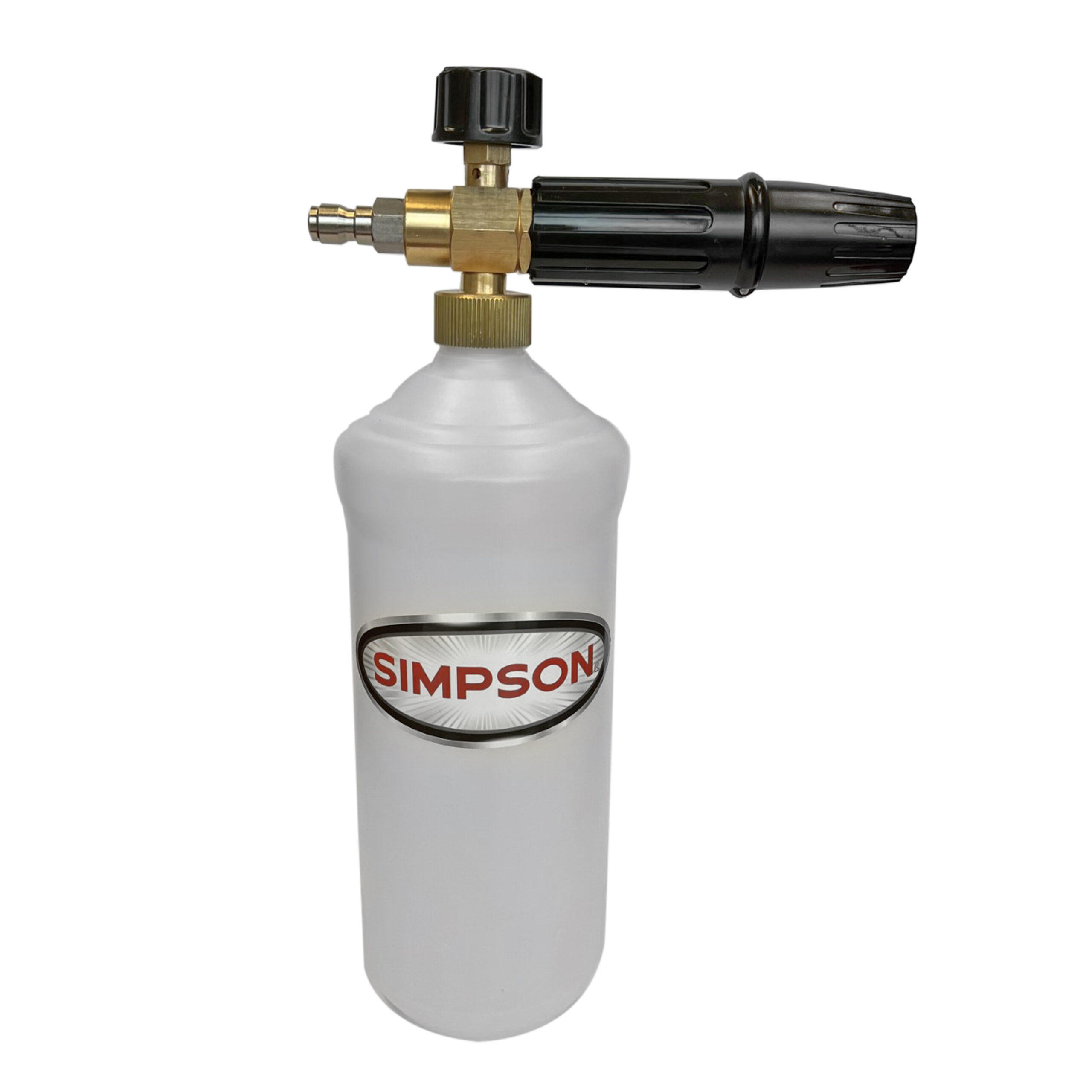
A foam cannon attaches to a pressure washer. Water flows through it at high pressure. Inside the cannon, water mixes with soap. The mix turns into thick foam. The foam sprays out in a thick layer. This foam sticks to the surface longer. It breaks down dirt and grime faster. Using foam cannons saves time and water during washing.
Ideal Psi Range
The ideal PSI for a foam cannon is usually between 40 and 60 PSI. This pressure helps create thick foam without wasting water. Too low or too high PSI can reduce foam quality.
Finding the right PSI for your foam cannon is key for great results. PSI means pounds per square inch. It measures the water pressure that pushes soap through the cannon.
The ideal PSI range balances pressure and foam quality. Too low, and the foam will be thin. Too high, and the foam may spray too hard or break down.
Most foam cannons work best between 80 and 120 PSI. This range gives enough power to create thick foam without wasting soap or water.
Recommended Psi For Different Foam Types
Different foam types need different PSI settings. Light foam needs less pressure, around 80 PSI. It’s good for quick rinses or light dirt.
Medium foam works well at 90 to 100 PSI. It covers surfaces evenly and sticks to dirt better. This is the most common setting.
Thick foam, used for heavy cleaning, needs 110 to 120 PSI. It creates a dense foam layer that clings to surfaces longer.
Optimal Pressure For Thick Foam
Thick foam needs strong pressure to form and hold shape. Aim for 110 to 120 PSI. This pressure forces more soap and air into the foam.
Too low pressure makes foam thin and watery. Too high pressure risks splashing and uneven coverage.
Keep the pressure steady. This helps the foam stay thick and stick well on surfaces during washing.
Factors Affecting Psi
Understanding the factors affecting PSI is key for using a foam cannon well. PSI, or pounds per square inch, shows the water pressure needed to create thick foam. Different things change how much PSI your foam cannon needs. These factors can make your foam thick or thin. They also affect how well the foam covers surfaces.
Water Pressure Variations
Water pressure can change from one place to another. High pressure means more force to push water through the foam cannon. Low pressure means less force and weaker foam. Your foam cannon works best with steady water pressure. Sudden drops or spikes can affect foam quality. Check your water source to know the pressure available.
Nozzle Size Impact
Nozzle size controls how water sprays out. A bigger nozzle lets more water pass, needing higher PSI. A smaller nozzle restricts water flow, requiring less PSI. The right nozzle size balances water flow and pressure. This balance helps make thick foam without wasting water. Choose a nozzle size that fits your foam cannon model.
Foam Mixture Concentration
The mix of soap and water changes foam thickness. Stronger soap mix needs more water pressure to spread well. A thinner soap mix works with lower PSI but may create weak foam. Proper mixture helps the foam cannon work smoothly. Adjust the soap ratio based on how much foam you want.
Measuring Psi
Measuring PSI is key to using a foam cannon properly. PSI means pounds per square inch. It shows the pressure of the water going through the foam cannon. The right PSI helps create thick, rich foam for cleaning cars or surfaces.
Too low PSI gives weak foam. Too high PSI can waste soap and water. Knowing how to measure PSI helps you get the best foam every time.
Using Pressure Gauges
Pressure gauges show the exact PSI of your water source. Attach the gauge to your pressure washer or hose. Turn on the water and read the number on the dial. This number tells you the water pressure pushing through the foam cannon. Most foam cannons work best between 1000 and 2000 PSI. Check the gauge to keep pressure steady. Adjust your pressure washer if the PSI is too low or high.
Testing Foam Quality
Foam quality shows if the PSI is correct. Spray foam on a flat surface or car panel. Look for thick and dense foam that sticks well. Thin or watery foam means PSI is low. Foam that sprays out too fast might mean PSI is too high. Change the pressure settings and test again. Keep testing until the foam looks thick and covers evenly.
Adjusting Pressure Settings
Adjusting the pressure settings on a foam cannon is key to getting the right foam thickness. Too much pressure can waste soap and water. Too little pressure might not clean well. Finding the right balance helps you clean better and save resources.
Pressure Washer Compatibility
Not all pressure washers work with every foam cannon. Check your washer’s PSI and GPM ratings first. The foam cannon needs a pressure washer that matches its requirements. Using a pressure washer with too high or low PSI can damage the foam cannon or reduce foam quality. Always read the foam cannon’s instructions for the correct pressure range.
Manual Vs Automatic Adjustment
Some foam cannons let you adjust pressure manually. You turn a knob or dial to change foam thickness. This gives you full control over the foam output. Other models have automatic adjustment, where the foam mixes based on water pressure. These are easier to use but offer less control. Choose the type that fits your cleaning needs and skill level.

Credit: www.amazon.com
Troubleshooting Pressure Issues
Troubleshooting pressure issues is key to getting the best foam from your foam cannon. Pressure affects foam quality and cleaning power. Too low or too high pressure can cause problems. Understanding these helps fix foam output problems quickly.
Low Foam Output Causes
Low foam output often means pressure is too low. Check your pressure washer’s PSI rating. It should match the foam cannon’s needs. Clogged nozzles or filters reduce pressure. Clean them regularly. Incorrect soap mix can also lower foam. Use the right soap and water ratio. Hose kinks or leaks reduce water flow. Make sure hoses are straight and tight. Weak pump performance might cause low pressure. Test the pump and replace if needed.
High Pressure Risks
Too much pressure can damage your foam cannon. It may crack or leak under high PSI. Foam might become too thin or watery. High pressure can also harm paint or surfaces. Use the foam cannon within recommended PSI limits. Check the pressure washer settings. Avoid forcing the cannon to work harder. Protect your equipment by using correct pressure levels.
Tips For Best Foam Results
Getting thick, rich foam from your foam cannon depends on a few key factors. Small changes can make a big difference in foam quality. Focus on the right pressure and soap mix. Keep your equipment clean and well-maintained. These tips help you get better foam every time.
Pressure And Soap Ratio
The pressure setting on your foam cannon controls foam thickness. Most foam cannons work well between 1000 and 2000 PSI. Too little pressure makes thin foam. Too much pressure wastes soap and water.
Mix soap and water carefully. Use the soap ratio recommended by the soap maker. Usually, this is between 1% and 5% soap. More soap creates thicker foam but can cause streaks. Less soap makes foam last shorter.
Test different soap ratios and pressure levels. Find the best balance for your cleaning needs.
Maintaining Equipment
Clean your foam cannon after each use. Soap residue can clog nozzles and reduce foam quality. Rinse the cannon with clean water until no soap remains.
Check all seals and connections. Replace worn parts to avoid leaks. Leaks lower pressure and weaken foam.
Store the foam cannon in a dry place. Avoid damage from dust and moisture. Proper care extends your equipment’s life and keeps foam thick and consistent.
Credit: simpsoncleaning.com

Credit: www.amazon.com
Frequently Asked Questions
What Is The Ideal Psi For A Foam Cannon?
The ideal PSI for a foam cannon is typically between 1000 and 2000 PSI. This range ensures thick foam coverage without damaging your car’s paint. Adjusting PSI within this range helps achieve optimal foam consistency and cleaning efficiency.
Can Low Psi Affect Foam Cannon Performance?
Yes, low PSI can reduce foam thickness and coverage. Insufficient pressure means less soap is sprayed, resulting in weaker foam. For best results, maintain at least 1000 PSI to produce dense, effective foam for car washing.
How Does Psi Impact Foam Cannon Cleaning?
Higher PSI improves foam penetration and dirt removal. It helps soap cling better to surfaces, enhancing cleaning power. However, excessive PSI might waste soap or harm paint. Balance PSI to ensure safe and effective cleaning.
Does Foam Cannon Psi Vary By Pressure Washer?
Yes, foam cannon PSI depends on your pressure washer’s output. Match foam cannon settings to your washer’s PSI for best results. Using a foam cannon with incompatible PSI can reduce foam quality and cleaning performance.
Conclusion
Finding the right PSI for a foam cannon matters a lot. Too low, and the foam won’t stick well. Too high, and you might waste water or damage surfaces. Usually, 90 to 120 PSI works best for most foam cannons.
This range creates thick foam and good coverage. Remember to check your pressure washer’s limits too. Adjust PSI for different cleaning jobs and surfaces. Foam cannon use becomes easier with the right pressure. Keep your car clean and safe without extra effort.
Simple steps lead to better results every time.

