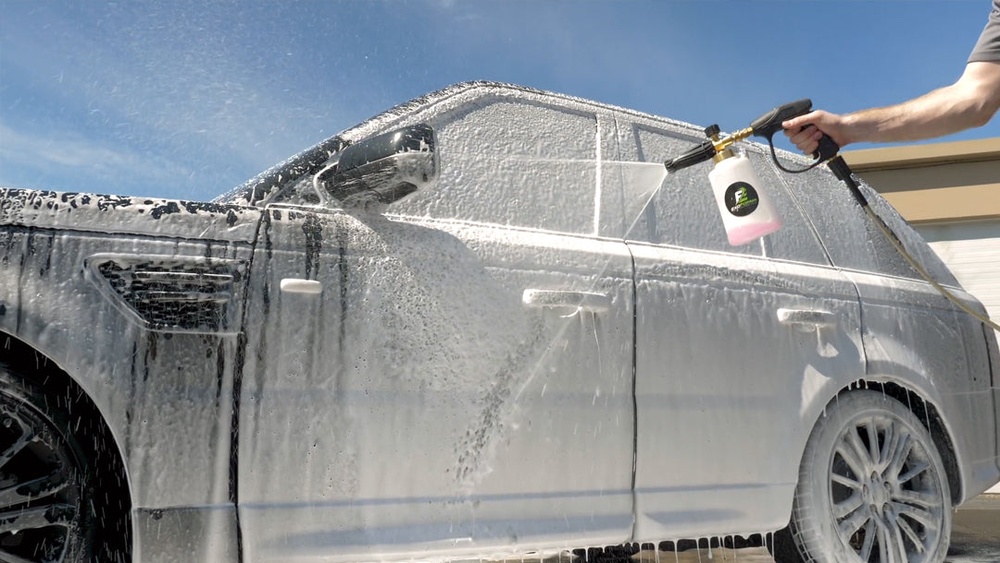
Are you wondering how much PSI you need to safely pressure wash your car without causing damage? Using too much pressure can ruin your paint, while too little might leave your car looking dirty.
Finding the right balance is key to getting a sparkling clean car quickly and easily. You’ll discover the ideal PSI range for pressure washing your car, tips to protect your paint, and how to get the best results every time.
Keep reading to learn how to make your car shine like new without any risk!
Ideal Psi Range For Cars
Choosing the right pressure is key for washing your car safely. Too high pressure can harm the paint. Too low pressure might not clean well. The ideal PSI range cleans effectively without damage. Understanding this range helps protect your car’s finish and keeps it looking good.
Low Pressure Benefits
Low pressure, around 1200 to 1900 PSI, is gentle on paint. It removes dirt without scraping the surface. This pressure level reduces the risk of scratches and chips. It also saves water and energy. Low pressure works well for regular cleaning and delicate areas.
Maximum Safe Pressure
The maximum safe pressure for cars is about 1900 to 2100 PSI. Above this, the risk of damage increases. Paint, decals, and trim can peel or crack. Stay within this range for strong cleaning power without harm. Always test on a small spot first to be safe.
Factors Affecting Pressure Choice
Choosing the right pressure for washing your car depends on several key factors. These factors help protect your car’s surface while cleaning it effectively. Understanding these points ensures you use the correct PSI and avoid damage.
Each car is different. The paint type, surface condition, and nozzle choice all affect the pressure needed. Let’s explore each factor to find the best pressure for your car wash.
Car Paint Type
Cars have different paint finishes. Some have soft or thin paint layers. High pressure can chip or peel this paint. Thick or durable paint can handle more pressure safely. Always check your car’s paint type before starting. Use lower PSI for soft paint to avoid damage.
Surface Condition
Surface condition matters a lot. A dirty car needs stronger pressure to remove grime. But if the paint is old or cracked, high pressure can worsen the damage. Use gentle pressure on worn surfaces. For tough dirt, increase pressure carefully and slowly.
Nozzle Selection
Nozzles control the water spray angle and force. A wide-angle nozzle spreads water, lowering pressure impact. A narrow nozzle focuses water, increasing pressure on one spot. Use a wide-angle nozzle for delicate surfaces. Switch to narrow nozzles only for stubborn dirt, and keep pressure low.
Pressure Washing Techniques
Pressure washing a car needs care and the right methods. Using the right techniques keeps your car safe and clean. These steps help you use the right psi and avoid damage.
Follow these tips for the best pressure washing results on your car.
Proper Distance
Keep the nozzle 12 to 18 inches from the car surface. Too close can damage the paint. Too far reduces cleaning power. Find a balance for good cleaning without harm.
Spray Angle Tips
Hold the spray at a 45-degree angle. This angle removes dirt well and protects paint. Avoid spraying straight on to stop paint chips. Move the spray evenly across the surface.
Avoiding Damage
Use a low psi setting, about 1200 to 1900 psi. High pressure can hurt paint and trim. Test on a small spot first. Do not spray rubber, seals, or delicate parts directly.

Credit: www.ryobitools.com
Recommended Equipment
Choosing the right equipment is key for safe and effective car cleaning. Pressure washing a car requires tools that protect the paint and finish. Using proper gear helps avoid damage and makes cleaning easier.
Below are the main tools to consider for pressure washing your car safely.
Pressure Washer Models
Select a pressure washer with a PSI between 1200 and 1900. This range cleans dirt without harming the paint. Electric models often offer consistent pressure and are quieter. Gas models provide more power but can be harder to control. Choose one that fits your needs and skill level.
Nozzles For Cars
Use nozzles that create a wide spray pattern. A 25-degree or 40-degree nozzle works best. Narrow nozzles produce high pressure that can damage paint. Wide nozzles spread water evenly, protecting your car’s surface. Always start with a wider nozzle and adjust if needed.
Safety Gear
Wear safety goggles to protect your eyes from debris. Gloves prevent skin irritation from water and cleaning chemicals. Closed-toe shoes keep your feet safe from accidental sprays or slips. Dress in clothes that dry quickly and offer good coverage.
Common Mistakes To Avoid
Pressure washing your car can make it look fresh and clean. Avoid mistakes that can damage your paint or leave dirt behind. Knowing what to avoid helps you protect your car and get the best results.
Using Too High Pressure
High pressure can harm your car’s paint and parts. It may cause scratches or chip the paint. Use a pressure setting that is safe for cars, usually below 2000 PSI. Too strong pressure can also push water into seals or electronics.
Ignoring Manufacturer Guidelines
Car makers give advice on cleaning and pressure washing. Follow their instructions to avoid damage. Some cars need special care or lower pressure. Not following guidelines can void your warranty or cause costly repairs.
Neglecting Pre-rinse Steps
Rinsing your car before pressure washing removes loose dirt. Skipping this step can cause dirt to scratch your paint. A gentle pre-rinse helps soften grime and makes washing easier. It also stops dirt from spreading during pressure washing.
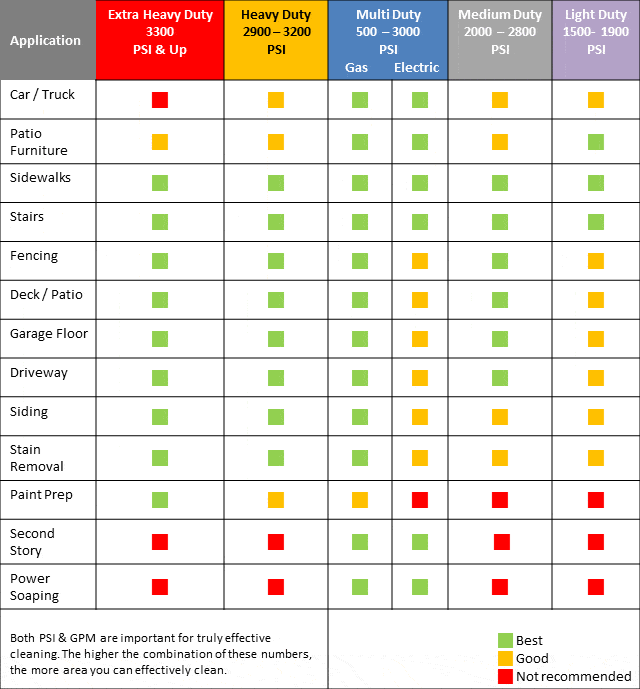
Credit: pressurewashr.com
Maintenance After Pressure Washing
After pressure washing your car, proper maintenance helps keep it clean and safe. Water can hide in small spaces and cause problems later. Taking simple steps after washing protects your car’s paint and parts. These steps make your car look fresh longer.
Drying Techniques
Use a clean microfiber towel to dry your car. Gently wipe water off the surface to avoid scratches. Avoid air drying because water spots can form. Dry door edges and mirrors carefully to stop rust. A quick dry saves time and keeps your car shiny.
Waxing Tips
Apply wax after the car is completely dry. Wax adds a protective layer on the paint. Use a soft cloth and small amounts of wax at a time. Spread it evenly in circular motions. Waxing helps repel dirt and water, keeping your car cleaner for longer.
Inspecting For Damage
Check your car closely after washing. Look for chips, cracks, or scratches on the paint. Pressure washing can sometimes loosen dirt in damaged areas. Repair small problems quickly to stop rust or bigger damage. Regular checks keep your car in good shape.
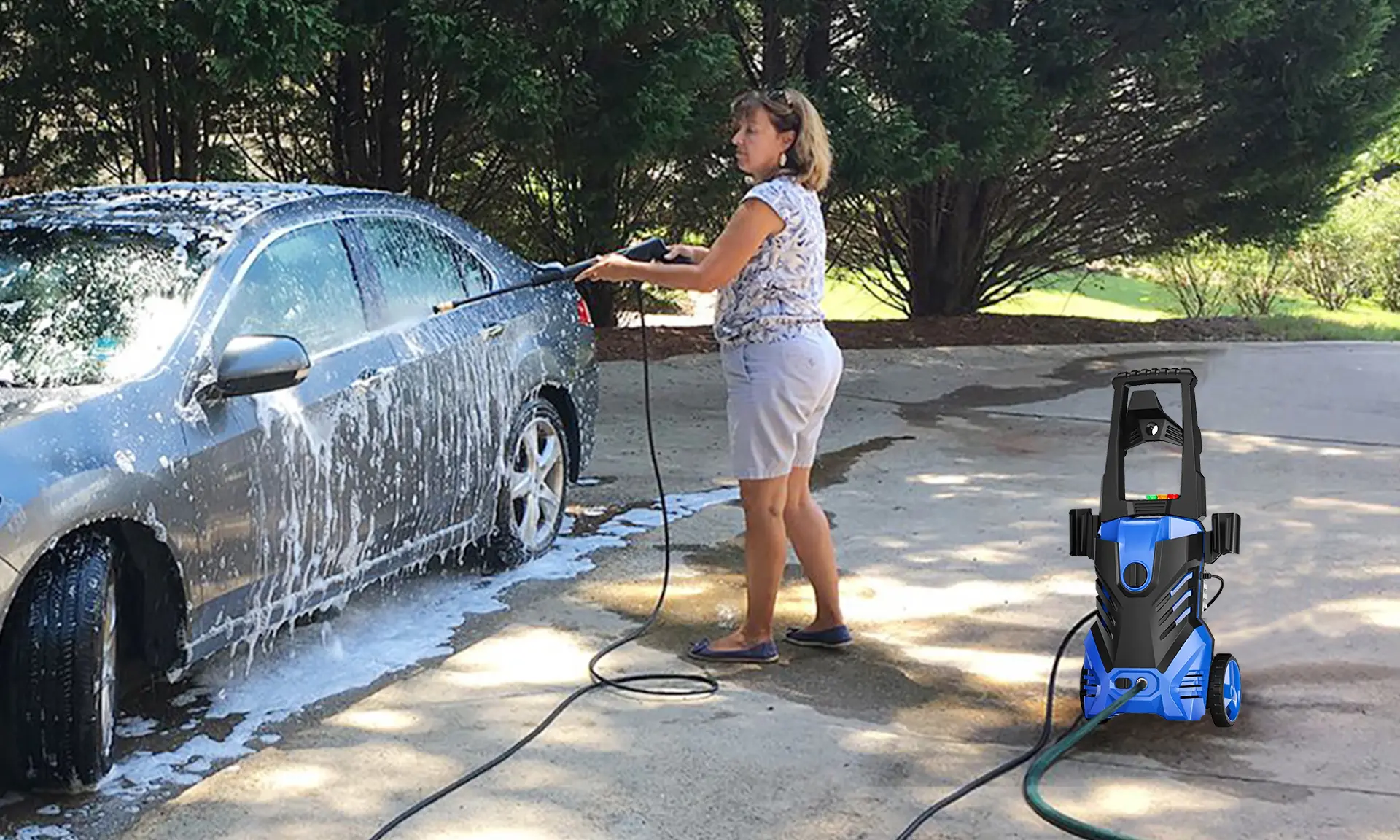
Credit: www.eveagetool.com
Frequently Asked Questions
What Psi Is Safe For Washing A Car?
A PSI between 1200 and 1900 is safe for car washing. It cleans effectively without damaging paint or surfaces. Higher PSI can strip paint or cause dents. Always use a wide spray nozzle for even pressure.
Can High Psi Damage My Car’s Paint?
Yes, high PSI can chip or strip your car’s paint. Pressures above 2000 PSI risk damage to delicate surfaces. Use moderate pressure and maintain a safe distance to protect your car’s finish.
What Nozzle Should I Use For Pressure Washing Cars?
Use a 25-degree or 40-degree nozzle for washing cars. These provide a wide spray that cleans well without causing damage. Avoid narrow nozzles that concentrate pressure and increase risk of paint damage.
How Far Should The Pressure Washer Be From The Car?
Keep the pressure washer nozzle at least 12-18 inches away from the car. This distance prevents paint damage and ensures even cleaning. Adjust distance if needed based on PSI and nozzle used.
Conclusion
Choosing the right PSI for washing your car keeps its paint safe. Too much pressure can cause damage or scratches. Around 1200 to 1900 PSI works well for most cars. Use a wide spray nozzle to spread the water evenly.
Keep the washer at least 12 inches from the surface. Clean gently but thoroughly for the best results. Remember, safety first. Protect your car while making it shine. Simple steps lead to a clean, fresh look every time.