

When it comes to keeping your car safe, brakes are one of the most important parts. But how do you know if the price you’re being charged for brake pads and rotors is fair?
You want to avoid overpaying, but you also don’t want to cut corners on quality. You’ll discover what factors affect the cost, what a reasonable price looks like, and how to get the best value for your money. Keep reading—understanding these key points can save you both stress and cash the next time your brakes need attention.
Brake Pads And Rotors Pricing Factors
Understanding the pricing factors for brake pads and rotors helps you plan your car maintenance budget. Several elements influence the final cost, including the parts themselves and the work needed to install them. Knowing these can save you money and avoid surprises at the mechanic.
Material Types And Their Costs
Brake pads and rotors come in different materials. Ceramic pads last longer but cost more. Semi-metallic pads are cheaper but wear out faster. Rotors can be standard or performance types. Performance rotors cost more due to better heat handling. The choice of material affects both price and brake quality.
Impact Of Vehicle Make And Model
Car brands and models affect brake part prices. Luxury and sports cars often need expensive parts. Common cars have more affordable options. Some vehicles require special sizes or designs. This increases the cost of pads and rotors. Always check parts compatibility with your vehicle.
Labor Charges Breakdown
Replacing brake pads and rotors needs skilled labor. Labor costs depend on the shop’s hourly rate. The time required varies by car type and condition. Some repairs take longer, raising the labor fee. Ask for a clear estimate before work starts. This avoids unexpected charges later.
Quality Vs. Budget Options
High-quality brake parts offer better safety and durability. Budget options save money but may wear out faster. Cheap parts can cause more frequent repairs. Choose parts that fit your driving needs and budget. Balance cost and quality for the best value.
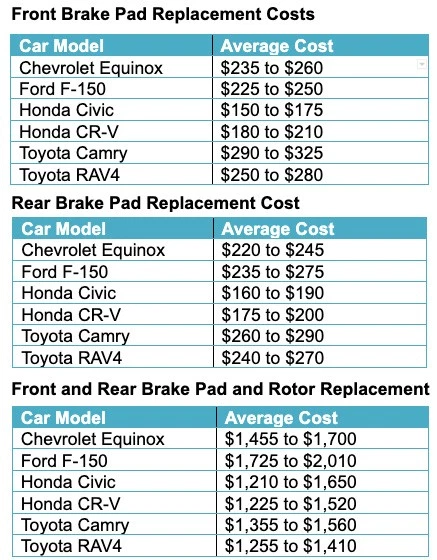
Credit: www.ebay.com
Average Cost Range For Brake Pads
Brake pads are a key part of your vehicle’s safety system. Knowing the cost helps you plan your budget well. Prices can vary based on type, quality, and brand. Understanding these differences can save you money and stress.
Standard Brake Pads Pricing
Standard brake pads usually cost between $30 and $70 per set. These pads work well for everyday driving. They offer good performance and last for a decent time. Many drivers choose these pads for regular use.
High-performance Brake Pads Cost
High-performance brake pads cost more, ranging from $70 to $150 per set. They provide better stopping power and handle heat well. These pads suit sporty or heavy vehicles. The price reflects their advanced materials and design.
Oem Vs. Aftermarket Prices
OEM brake pads come from the car maker and cost between $50 and $120. Aftermarket pads are made by other companies and range from $30 to $100. OEM parts fit perfectly but cost more. Aftermarket pads offer variety and lower prices.
Average Cost Range For Rotors
The cost of rotors varies depending on type and quality. Rotors are a vital part of your car’s braking system. They work with brake pads to stop your vehicle safely. Prices can range widely, so knowing the average cost helps with budgeting and repairs.
Rotors come in different styles and materials. Each type has a price range based on its design and performance. Understanding these ranges helps you pick the right rotors for your car and driving needs.
Standard Rotors Pricing
Standard rotors are the most common and affordable option. They usually cost between $30 and $75 each. These rotors work well for everyday driving and normal wear. They are made from cast iron, which is durable but heavier than other materials. Standard rotors provide reliable braking without breaking the bank.
Performance And Drilled Rotors Cost
Performance rotors are designed for better heat dissipation and braking power. Prices range from $70 to $150 per rotor. Drilled or slotted rotors fall in this category. They help reduce brake fade and improve wet weather stopping. These rotors are popular for sporty or heavy-duty vehicles but cost more than standard ones.
Oem Vs. Aftermarket Rotor Prices
OEM rotors come from the vehicle manufacturer and fit perfectly. They cost between $50 and $120 per rotor. Aftermarket rotors are made by other companies and can be cheaper or more expensive. Their price range is usually $30 to $100. Aftermarket rotors offer various quality levels and styles, giving you more choices for your budget.
Signs You Need Brake Pads And Rotors Replacement
Brake pads and rotors wear down over time. Recognizing the signs helps prevent accidents and costly repairs. Paying attention to changes in braking performance keeps you safe on the road. Early detection of issues means you can replace parts before serious damage occurs.
Common Warning Symptoms
Squeaking or grinding noises during braking are clear signs of worn brake pads. Vibration or pulsation in the brake pedal indicates rotor problems. A longer stopping distance than usual suggests brake system wear. Brake warning lights on your dashboard should never be ignored. A soft or spongy brake pedal feel signals potential issues.
Importance Of Timely Replacement
Delaying brake pad and rotor replacement increases risk of brake failure. Worn brakes reduce your control and increase stopping distance. Damaged rotors can cause uneven braking, leading to dangerous driving. Timely replacement saves money by avoiding damage to other parts. Safe brakes protect you, your passengers, and others on the road.
Diy Vs. Professional Replacement Costs
Replacing brake pads and rotors can be done by yourself or by a professional. Both choices have different costs and benefits. Understanding these will help you decide what fits your needs and budget. DIY can save money but needs tools and skills. Professional replacement costs more but offers convenience and safety.
Tools And Skills Required For Diy
DIY brake replacement needs specific tools. You will need a jack, lug wrench, C-clamp, and socket set. Brake cleaner and grease are also important. Skills include removing wheels, calipers, and old pads. You must know how to handle brake parts safely. Mistakes can cause brake failure or damage. Watching tutorials and reading manuals helps. Time and patience are key for a successful DIY job.
Benefits Of Professional Service
Professionals have the right tools and experience. They complete the job quickly and correctly. A professional service includes inspection of the entire brake system. This helps spot other issues early. Most shops offer warranties on parts and labor. You avoid risks of improper installation. Professionals also dispose of old parts properly. Peace of mind is a big benefit with professional replacement.
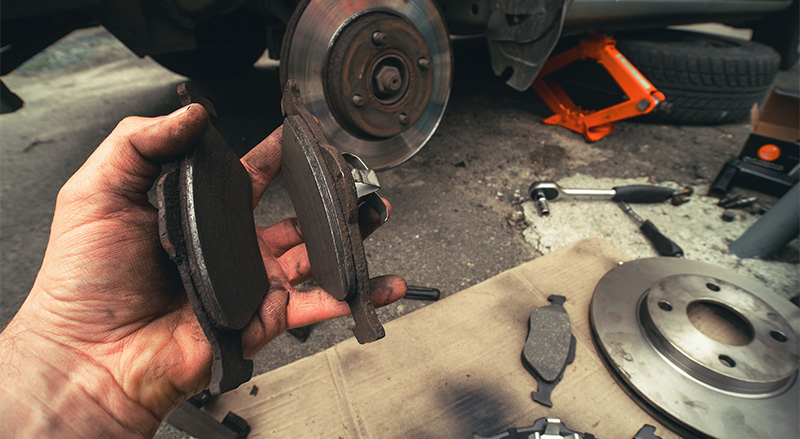
Credit: blog.napacanada.com
Tips To Save On Brake Pads And Rotors
Saving money on brake pads and rotors is possible with smart choices. Simple steps can lower costs without risking safety. Knowing when to buy, what parts to pick, and how to maintain brakes helps a lot.
Here are some tips to keep brake costs down while keeping your car safe.
When To Shop For Deals
Shop for brake parts during sales seasons like end of year or holidays. Many stores offer discounts at these times. Also, check online marketplaces for competitive prices. Buying in bulk or during promotions can cut costs further. Keep an eye on local auto shops for special offers or clearance items.
Choosing The Right Parts
Select brake pads and rotors that match your car’s make and model. Avoid very cheap parts that may wear quickly or cause damage. Mid-range parts often offer a good balance of price and quality. OEM parts are reliable but sometimes cost more. Research brands with good reviews and warranties to save money long-term.
Regular Maintenance Benefits
Keep brakes clean and inspect them regularly to avoid big repairs. Replacing pads early stops damage to rotors. Proper maintenance can extend the life of both parts. Check brake fluid levels and get timely brake inspections. Well-maintained brakes improve safety and reduce unexpected costs.
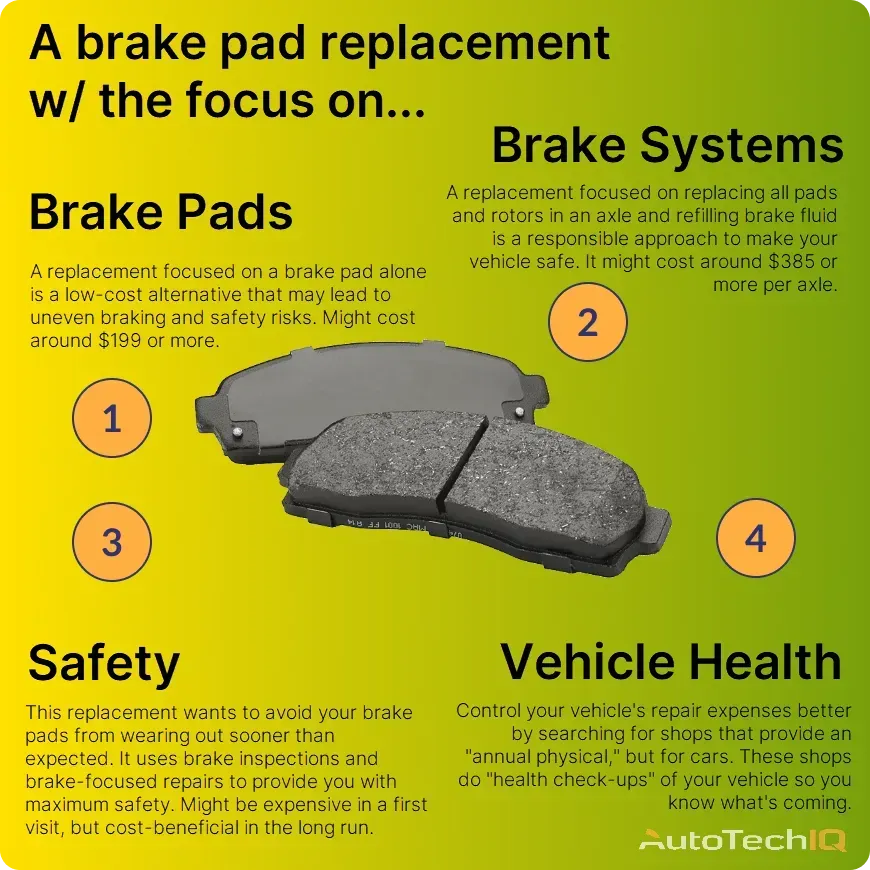
Credit: www.autotechiq.com
Frequently Asked Questions
How Much Do Brake Pads And Rotors Cost On Average?
Brake pads and rotors typically cost between $150 and $300 per axle. Prices vary based on vehicle type, quality, and labor charges. Premium parts and luxury cars usually cost more. Always compare quotes to ensure fair pricing for your specific vehicle model.
What Factors Influence Brake Pads And Rotors Pricing?
Cost depends on part quality, vehicle make, and labor fees. OEM parts are pricier than aftermarket options. Performance or heavy-duty rotors increase costs. Labor rates vary by location and service center. Regular maintenance can prevent costly repairs.
Can I Save Money Replacing Brake Pads And Rotors Myself?
Yes, DIY replacement saves labor costs, which can be 50-70% of total price. However, it requires proper tools and mechanical skills. Incorrect installation risks safety and may cause additional damage. Weigh your expertise before deciding on self-repair.
How Often Should Brake Pads And Rotors Be Replaced?
Brake pads typically last 30,000 to 70,000 miles, while rotors may last 50,000 miles or more. Driving habits and conditions affect lifespan. Regular inspections help identify wear early, ensuring timely replacement and vehicle safety.
Conclusion
Brake pads and rotors prices vary by car type and quality. Choosing good parts helps keep your car safe. Cheap parts may wear out fast and cost more later. Always compare prices and ask for expert advice. Regular brake checks save money and avoid accidents.
Remember, investing in brakes protects you and others on the road. Stay informed and drive safely.


