When it comes to your car’s safety, brakes and rotors play a crucial role. But how much should it really cost to replace them?
You might be surprised by the range of prices out there—and wondering if you’re paying too much or getting a good deal. You’ll discover what affects the cost of new brakes and rotors, so you can make smart choices for your vehicle and your budget.
Keep reading to avoid common pitfalls and get the best value for your money.
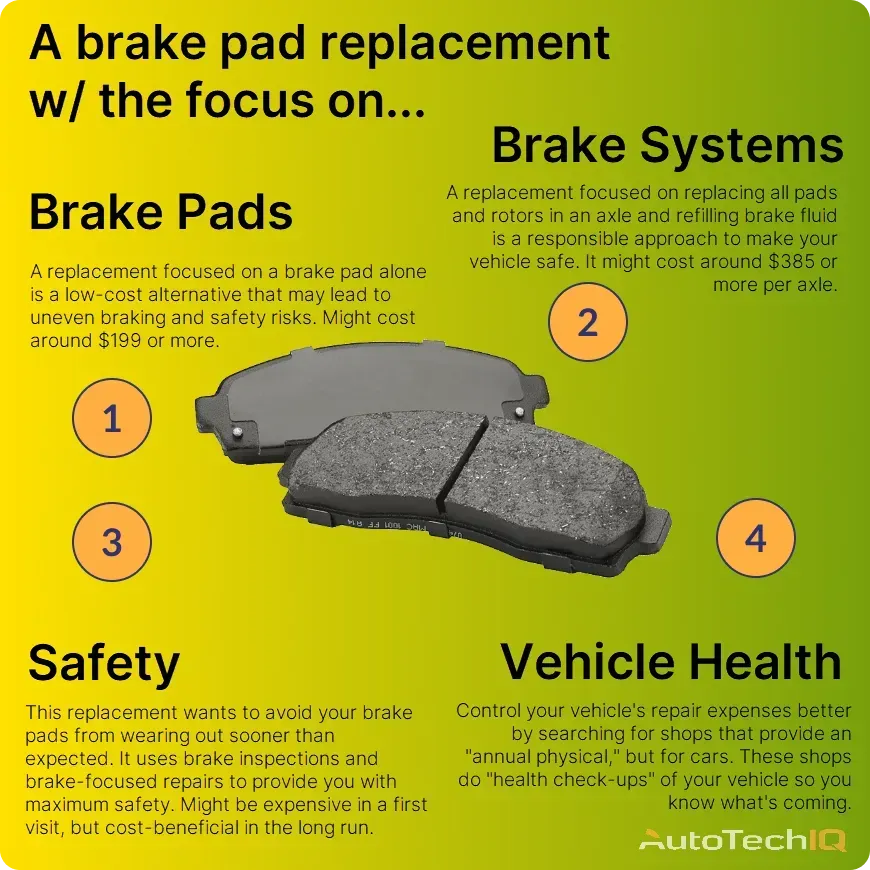
Credit: www.autotechiq.com
Brake And Rotor Basics
Brakes and rotors are key parts of any vehicle’s stopping system. They work together to slow or stop your car safely. Understanding the basics helps you know what to expect when replacing these parts. It also helps you understand the costs involved.
Each vehicle may use different types of brakes and rotors. These differences affect how much you pay for new parts and labor. Knowing the types and how they work can guide your repair choices.
Types Of Brakes
Most cars use two main types of brakes: disc brakes and drum brakes. Disc brakes have a flat rotor and pads that press on it. Drum brakes use a drum and brake shoes inside it. Disc brakes are more common in modern cars. They cool faster and stop better in wet conditions.
Rotor Variations
Rotors come in different styles. Solid rotors are simple and cost less. Vented rotors have air channels to cool faster. Slotted rotors have grooves to remove dust and water. Drilled rotors have holes to reduce heat. Each type affects performance and price.
How Brakes And Rotors Work Together
When you press the brake pedal, brake pads squeeze the rotor. This creates friction that slows the wheel. The rotor must be smooth and strong to work well. Worn pads or damaged rotors reduce braking power. Replacing both parts ensures safe and effective stopping.
Factors Influencing Brake And Rotor Costs
Many factors affect the cost of new brakes and rotors. Prices can vary widely based on these elements. Understanding these factors helps in planning your budget better.
Each part of the brake system has different price points. Labor and materials both add to the total cost. Knowing what influences the price can save you money.
Vehicle Make And Model
Different vehicles need different brake parts. Luxury or sports cars usually have more expensive brakes. Some models require special sizes or designs. This raises the cost of both parts and labor.
Brake Material Options
Brake pads and rotors come in various materials. Standard ceramic pads cost less than high-performance ones. Metal or carbon fiber rotors are pricier but last longer. Material choice affects the price and durability.
Labor Costs
Labor fees depend on location and shop type. Dealership repairs tend to be more expensive. Independent shops might offer lower rates. Complex jobs take more time, increasing labor costs.
Quality And Brand Differences
Brand reputation impacts brake part prices. Premium brands charge more for quality assurance. Cheaper brands may save money but wear out faster. Choosing well-known brands ensures safety and reliability.
Typical Price Ranges
Understanding the typical price ranges for new brakes and rotors helps plan your car maintenance budget. Prices vary by car type, part quality, and labor costs. Knowing these ranges makes repair choices clearer and avoids surprises.
Cost For Brake Pads
Brake pads usually cost between $30 and $80 per set. Premium pads or specialty materials may cost more. Labor for installing brake pads generally adds $80 to $150. Total costs for brake pad replacement often fall between $110 and $230.
Cost For Rotors
Rotors typically range from $40 to $100 each. High-performance or specialty rotors cost more. Labor to replace rotors usually costs $100 to $200. Expect total rotor replacement costs to range from $180 to $400.
Combined Replacement Prices
Replacing both brake pads and rotors together often saves money. Combined parts and labor generally cost between $250 and $500. Prices depend on car model and shop rates. Many drivers find combined replacement the best value.
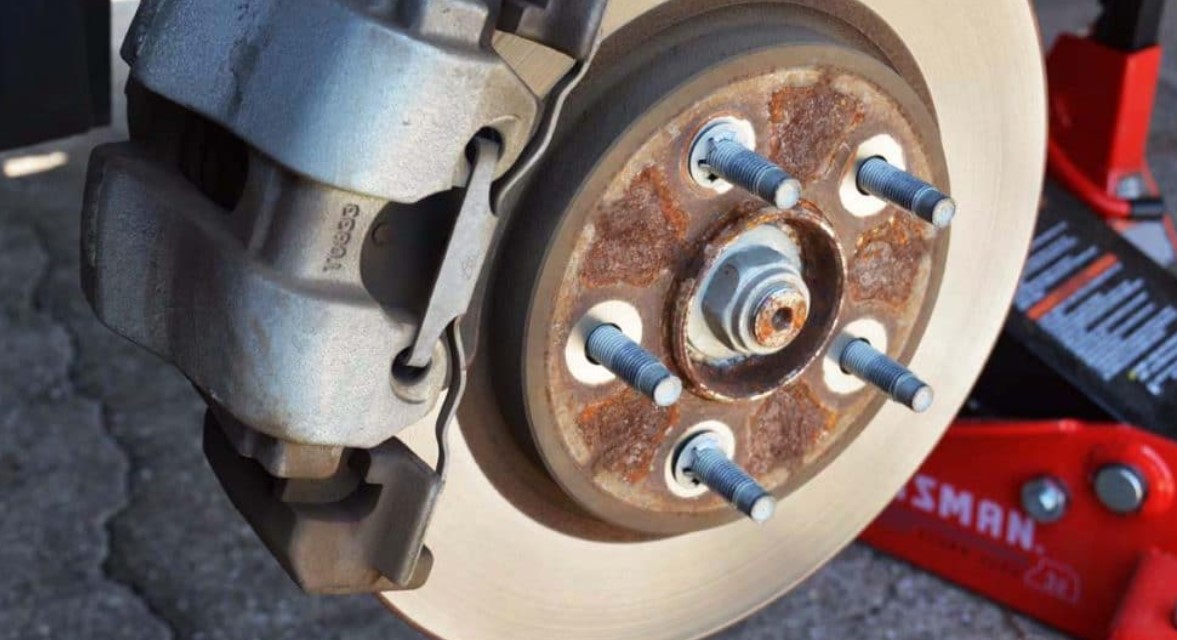
Credit: omegaautocare.com
Diy Vs Professional Installation
Deciding between doing brake and rotor replacement yourself or hiring a professional is a big choice. Both options affect the cost and outcome. Understanding the benefits and risks of each helps you make the best decision for your car and budget.
Benefits Of Diy
Doing brakes and rotors yourself saves money on labor costs. You only pay for parts. It gives you a chance to learn car repair skills. You can work on your schedule without waiting for an appointment.
DIY also offers satisfaction from fixing your own car. You control the quality of parts used. No hidden fees or upselling. The process can be quick with clear instructions and the right tools.
Risks And Challenges
Brake and rotor replacement is complex and needs care. Mistakes can cause brake failure or damage. Lack of experience may lead to longer repair times. Special tools are often required for proper installation.
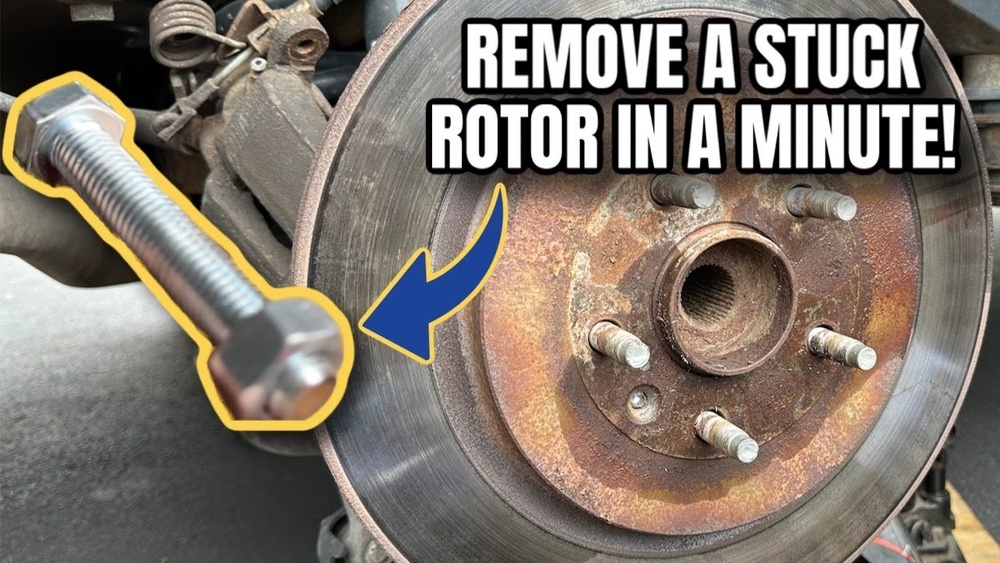
Improper installation affects safety and may void warranties. It can be hard to diagnose related issues without training. Some cars have advanced brake systems needing expertise. Removing old parts can be tough and messy.
When To Hire A Mechanic
Hire a mechanic if unsure about your skills. Choose a professional for cars with advanced brake systems. Use a mechanic if you lack proper tools or workspace. Professionals offer warranties on parts and labor.
Mechanics can spot hidden problems early. They ensure brakes work perfectly for safe driving. If time is limited, a mechanic saves effort and stress. Experts guarantee quick and correct installation every time.
Signs You Need New Brakes And Rotors
Knowing the signs of worn brakes and rotors helps keep your vehicle safe. Brakes and rotors wear down with use. Ignoring warning signals can lead to costly repairs or accidents. Watching for these signs lets you act early and save money.
Common Warning Symptoms
Squealing or grinding noises when braking often signal worn brake pads. A vibration or pulsing feeling in the brake pedal may mean warped rotors. Longer stopping distances or a soft brake pedal also show brake problems. Sometimes, a burning smell after hard braking points to overheating parts.
Impact On Vehicle Safety
Worn brakes reduce your ability to stop quickly. This raises the risk of crashes, especially in emergencies. Damaged rotors can cause brake failure or uneven braking. Proper brakes keep your vehicle stable and controlled on the road. Ignoring brake issues puts you and others in danger.
Regular Maintenance Tips
Check your brakes every 10,000 miles or during oil changes. Listen for unusual sounds and feel the brake response. Replace brake pads before they wear too thin. Have a mechanic inspect rotors and brakes regularly. Timely maintenance keeps brakes working well and saves money.
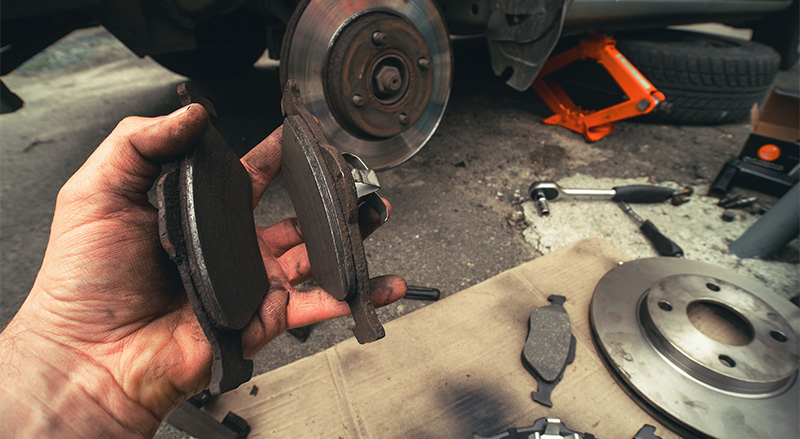
Credit: blog.napacanada.com
Ways To Save On Brake And Rotor Replacement
Replacing brakes and rotors can be costly. Saving money is possible with smart choices. Small steps can lower your expenses without risking safety. Learn simple ways to save on brake and rotor replacement.
Choosing Aftermarket Parts
Aftermarket parts cost less than original equipment. They come from third-party makers but fit well. Quality varies, so check reviews before buying. Many offer good durability and performance. This choice helps cut repair costs significantly.
Using Coupons And Discounts
Many shops and online stores offer coupons. Discounts can reduce labor or part prices. Search for deals before scheduling service. Some places give discounts for first-time customers. Always ask if any promotions apply to your repair.
Timing Your Replacement
Replace brakes and rotors before they fail completely. Early replacement avoids damage to other parts. Shops may offer seasonal discounts during slow months. Scheduling repairs during off-peak times can save money. Regular checks help spot wear early and save cash.
Frequently Asked Questions
How Much Do New Brakes And Rotors Cost On Average?
The average cost for new brakes and rotors ranges between $250 and $500. Prices depend on vehicle type, parts quality, and labor fees. Premium parts or luxury cars may cost more. It’s best to get quotes from local mechanics for accurate pricing.
What Factors Influence Brake And Rotor Replacement Costs?
Costs vary due to vehicle model, part quality, and labor rates. High-performance or luxury cars usually incur higher expenses. Geographic location and shop reputation also affect prices. Additionally, replacing all four brakes and rotors costs more than just front or rear.
Can I Save Money By Replacing Brakes And Rotors Myself?
DIY replacement can save labor costs but requires skill and tools. Incorrect installation risks safety and may cause costly damage. If you’re experienced, it’s possible; otherwise, professional service is safer and often recommended to ensure quality and safety.
How Often Should Brakes And Rotors Be Replaced?
Brakes and rotors typically need replacement every 30,000 to 70,000 miles. Driving habits, road conditions, and vehicle type affect lifespan. Regular inspections help identify wear early, preventing costly repairs and maintaining safety. Always consult your vehicle’s manual for specific guidance.
Conclusion
Brake and rotor costs vary by car model and location. Choosing quality parts ensures safety and durability. Labor charges differ, so get multiple quotes. Regular brake checks can save money and trouble. Don’t ignore warning signs like noise or vibration.
Timely replacement keeps your car running smoothly. Stay informed to avoid overspending on repairs. Your safety depends on well-maintained brakes and rotors. Keep your vehicle in good shape for peace of mind.